
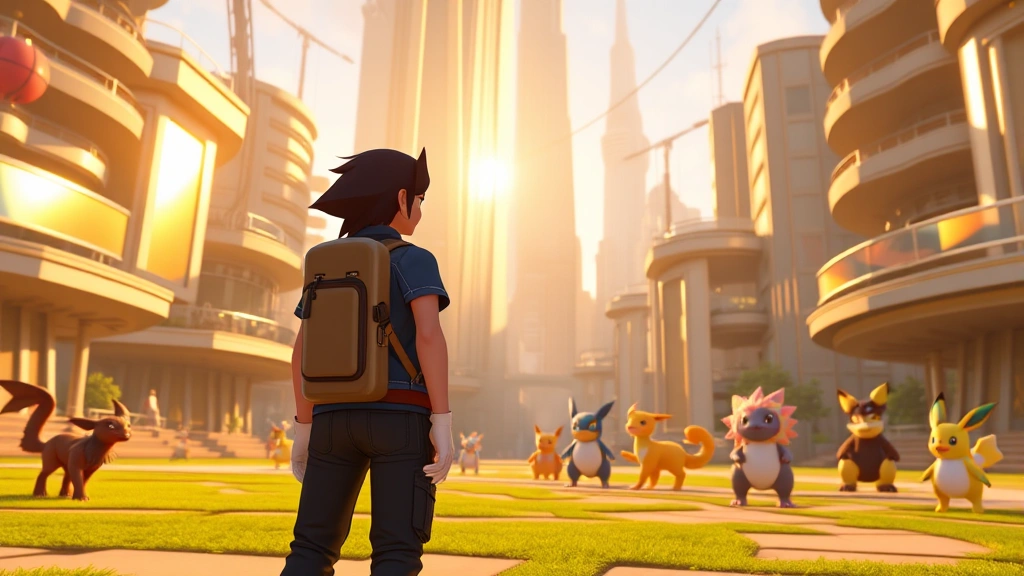
Top 3DS Pokémon Games: The Ultimate Fan Favorites List
The Nintendo 3DS revolutionized handheld gaming when it launched in 2011, and nowhere was this more apparent than in the Pokémon franchise. These beloved games brought the monster-catching experience to life with enhanced graphics, 3D environments, and gameplay innovations that captivated millions of trainers worldwide. Whether you’re a seasoned Pokémon veteran or a newcomer exploring the franchise’s rich history, understanding which 3DS Pokémon games deserve your attention is crucial for maximizing your gaming experience.
The 3DS library contains some of the most critically acclaimed and commercially successful Pokémon titles ever released. From the Kalos region’s dazzling debut to the Alola islands’ tropical adventures, these games pushed the handheld console to its limits while delivering unforgettable experiences. This comprehensive guide explores the top-tier Pokémon games for 3DS that have earned their place in gaming history, analyzing what makes each entry special and why fans continue to celebrate them years after their initial release.
Before diving into our rankings, it’s worth noting that the 3DS Pokémon ecosystem also influenced broader gaming trends. If you’re interested in exploring other exceptional gaming experiences, you might enjoy reading about best indie games for PC or checking out the GameForge Daily Blog for more gaming insights.
Pokémon X and Y: The Revolutionary Beginning
When Pokémon X and Y launched in October 2013, they represented the first mainline Pokémon games to feature fully 3D graphics and environments. Developed by Game Freak and published by The Pokémon Company, these games introduced the Kalos region—a stunning location inspired by real-world France. The visual leap from previous generations was staggering, transforming the series from sprite-based combat into dynamic 3D battles that felt genuinely modern.
The gameplay innovations in X and Y fundamentally changed how trainers approached Pokémon battles. The introduction of Mega Evolution added a strategic layer that revolutionized competitive play. This mechanic allowed certain Pokémon to temporarily transform into more powerful forms during battle, creating exciting moments and tactical decisions. The mega-evolution system became so popular that it influenced subsequent games and remains a beloved feature in the franchise today.
What truly distinguishes X and Y is their accessibility combined with depth. These games were deliberately designed to welcome newcomers while offering plenty of content for veterans. The experience share system—which distributes experience points to all party Pokémon—made leveling more efficient, though it also made the games slightly easier than previous generations. This balance appealed to a broader audience, contributing to X and Y’s massive commercial success with over 16 million copies sold worldwide.
The Kalos region itself is beautifully crafted, featuring iconic locations like Lumiose City—a sprawling metropolis that showcases the 3DS’s capabilities. Trainer customization was another significant addition, allowing players to personalize their avatar’s appearance with various clothing and accessory options. This feature became standard in future Pokémon games, proving how influential X and Y truly were.
Competitive players particularly appreciated the expanded Pokédex and the introduction of numerous new Pokémon species. The games featured over 700 Pokémon, providing incredible variety for team building. Additionally, X and Y introduced the Fairy-type, rebalancing the metagame and creating fresh strategic possibilities that continue to influence competitive Pokémon to this day.
Pokémon Omega Ruby and Alpha Sapphire: Nostalgic Masterpieces
Pokémon Omega Ruby and Alpha Sapphire released in November 2014, serving as enhanced remakes of the beloved Game Boy Advance originals. These games took the beloved Hoenn region and completely reimagined it for 3DS hardware, creating remakes that felt like entirely new experiences while honoring the originals’ legacy. The development team at Game Freak demonstrated masterful understanding of what made the originals special while modernizing every aspect.
The Hoenn region’s transformation is breathtaking. Iconic locations like Rustboro City, Dewford Town, and the mystical Emerald Emerald Cave received gorgeous visual overhauls that maintained their original charm while leveraging 3D capabilities. The underwater sequences, which were somewhat tedious in the originals, became genuinely enjoyable with improved navigation and visual presentation. Flying sequences offered dynamic camera angles that made traversal feel engaging rather than monotonous.
Where ORAS truly excels is in its story enhancements. The games expanded the narratives of both Team Magma and Team Aqua, providing deeper character development and more compelling motivations for the antagonistic teams. The climactic sequences featuring Primal Reversion—a mechanic unique to these remakes—created genuinely memorable boss battles that surpassed the originals. These enhanced storylines made replaying the Hoenn adventure feel fresh even for longtime fans.
Mega Evolution returns in ORAS with significant additions. The remakes introduced Mega Evolutions for iconic Pokémon like Rayquaza, Salamence, and Metagross, providing team-building options that didn’t exist in the originals. The post-game content is substantial, featuring the Delta Episode—an exciting storyline involving the legendary Rayquaza that provides closure and sets up future games.
Competitive players found incredible depth in ORAS’s mechanics. The game’s Pokédex is exceptionally large, and the availability of powerful Pokémon through natural gameplay made team building accessible without feeling restrictive. The introduction of Primal Kyogre and Primal Groudon created dominant forces in competitive play, influencing tournament metagames for years. If you want to enhance your gaming setup while playing these classics, check out our gaming PC build guide for streaming or recording purposes.
Pokémon Sun and Moon: The Generational Leap
Pokémon Sun and Moon, released in November 2016, represented perhaps the most significant departure from traditional Pokémon game design. Instead of following the familiar eight-gym formula that had defined the series for over two decades, Game Freak introduced the Alola region with a completely reimagined structure centered around Island Challenges. This bold redesign proved divisive initially but ultimately demonstrated that the franchise could evolve without losing its identity.
The Alola region is visually stunning, drawing inspiration from Hawaii with tropical environments, diverse ecosystems, and beautiful lighting effects that showcase the 3DS’s capabilities. The removal of traditional gyms meant that progression felt different—players traveled between islands completing unique challenges that varied in scope and nature. This structure kept the experience fresh and prevented the monotony that could set in during traditional gym-based games.
One of Sun and Moon’s most significant innovations was the introduction of Alolan forms—regional variants of existing Pokémon species adapted to their new environment. Alolan Vulpix, Alolan Exeggutor, and Alolan Golem offered fresh takes on familiar creatures, providing both aesthetic variety and gameplay differences. This mechanic proved so successful that regional variants became a permanent feature in subsequent Pokémon games.
The narrative depth in Sun and Moon exceeded most previous mainline games. The story explored themes of growth, tradition versus progress, and the relationship between humans and Pokémon in more sophisticated ways. Characters developed throughout the journey, and the antagonist’s motivations felt genuinely complex. This narrative focus elevated Sun and Moon beyond simple monster-catching gameplay into something more emotionally resonant.
Ultra Sun and Ultra Moon, released in November 2017, built upon the foundation with enhanced story elements, improved pacing, and additional content. These enhanced versions addressed criticisms about the originals’ difficulty balancing and provided an even more polished experience. The Ultra Necrozma encounter became legendary for its difficulty, creating memorable challenges that players still discuss today.
Competitive play in Sun and Moon introduced Ultra Necrozma, Incineroar, and Tapus that dominated metagames. The removal of Mega Evolution in favor of Z-Moves created an entirely different strategic landscape. Z-Moves—powerful single-use attacks that could turn battles on their head—added unpredictability and excitement to competitive play.

Honorable Mentions and Hidden Gems
While the three games above represent the absolute best of 3DS Pokémon, several other titles deserve recognition. Pokémon Mystery Dungeon: Red Rescue Team and its sequel offered dungeon-crawling experiences that diverged significantly from traditional Pokémon gameplay. These games developed passionate fanbases despite their departure from the standard formula.
Poké Transporter and Pokébank services deserve mention as infrastructure innovations that allowed players to bring Pokémon from previous generations into 3DS games. This cloud-based system represented forward-thinking design that preserved player collections across hardware generations. If you’re interested in how cloud technology impacts gaming, our article on what is cloud gaming provides excellent context.
The spinoff titles like Pokémon Shuffle and Pokémon Rumble offered casual gaming experiences that introduced Pokémon to broader audiences. While not as substantial as mainline entries, these games contributed significantly to the 3DS’s impressive library and proved the franchise’s versatility across different genres.
Why These Games Matter
The 3DS Pokémon games represent a crucial period in the franchise’s evolution. They proved that Pokémon could successfully transition to 3D without losing its essence. The innovations introduced—Mega Evolution, regional variants, Z-Moves, and reimagined progression systems—influenced every subsequent Pokémon game. These weren’t just updates; they were evolutionary steps that shaped the franchise’s future.
From a technical perspective, these games pushed the 3DS to impressive limits. The achievement of rendering hundreds of Pokémon models in 3D, maintaining performance while displaying detailed environments, and supporting online features simultaneously demonstrated remarkable optimization. Developers like Game Freak proved that handheld gaming could deliver console-quality experiences.
Commercially, the 3DS Pokémon library was phenomenally successful. Pokémon X and Y sold over 16 million copies, Pokémon Omega Ruby and Alpha Sapphire exceeded 14 million, and Pokémon Sun and Moon surpassed 16 million combined. These numbers demonstrate the franchise’s enduring appeal and the quality of these specific titles. For perspective on gaming industry success, check out external analyses from IGN’s coverage of gaming sales trends.
The 3DS Pokémon games also fostered incredible communities. Online battling, trading, and cooperative features created lasting social connections. The competitive scene flourished with regional tournaments and world championships featuring these games. Communities formed around shiny hunting, breeding optimization, and speedrunning, creating rich ecosystems of engagement that extended gameplay far beyond the main story.
If you’re interested in recording your favorite moments from these games, our guide on how to record gameplay on PC might provide useful technical insights for modern gaming capture methods. Additionally, exploring best co-op games on Steam can give you perspective on how multiplayer features have evolved across platforms.
The Legacy of 3DS Pokémon Games
Looking back, the 3DS Pokémon era (2013-2017) represents a golden period for the franchise. These games demonstrated that Pokémon could successfully modernize while maintaining accessibility and depth. They introduced mechanics that became permanent fixtures, designed regions that remain visually impressive years later, and created experiences that millions of players consider among their favorites.
The transition from 3DS to Nintendo Switch represented the next evolution, but the 3DS games’ influence is evident in every subsequent title. The emphasis on visual presentation, narrative depth, and mechanical innovation that defined X/Y, ORAS, and Sun/Moon continues to shape Pokémon game design. These titles proved that the franchise wasn’t resting on laurels but actively pushing to deliver better experiences with each generation.
For players seeking to experience these classics today, the 3DS library remains accessible and affordable. The games hold up remarkably well visually and mechanically, offering hundreds of hours of entertainment. Whether you’re revisiting the Kalos region for the hundredth time or experiencing Alola for the first time, these games deliver the magic that made Pokémon a global phenomenon.
FAQ
What are the best 3DS Pokémon games to start with?
For newcomers, Pokémon X and Y represent the perfect starting point. They’re specifically designed to welcome new players while offering depth for veterans. The games’ accessibility, beautiful environments, and engaging story make them ideal entry points into the franchise. If you prefer remakes with additional content, Pokémon Omega Ruby and Alpha Sapphire are equally excellent choices with more refined mechanics.
Which 3DS Pokémon game has the best story?
Pokémon Sun and Moon (especially Ultra Sun and Ultra Moon) feature the most compelling narratives. These games explore deeper themes, develop characters more thoroughly, and provide emotional resonance that exceeds previous generations. The story-driven approach makes them stand out as the most narratively sophisticated mainline Pokémon games.
Can I still play 3DS Pokémon games in 2024?
Absolutely! The 3DS library remains fully playable and enjoyable. While the Nintendo 3DS is no longer in production, used copies are readily available at reasonable prices. The games hold up remarkably well visually and mechanically, providing excellent value for players seeking quality Pokémon experiences.
Which 3DS Pokémon game is best for competitive play?
Pokémon Omega Ruby and Alpha Sapphire offer the most balanced competitive environment with excellent Pokémon availability and well-designed mechanics. However, Pokémon X and Y established many competitive standards, and Sun and Moon introduced fresh meta-defining mechanics. Choice depends on your preferred competitive era and mechanics.
Are there differences between X and Y, Omega Ruby and Alpha Sapphire?
Yes, each version pair offers exclusive Pokémon and minor story variations. X features Xerneas, while Y features Yveltal. Omega Ruby features Groudon’s storyline prominence, while Alpha Sapphire emphasizes Kyogre. These differences encourage players to experience both versions for complete Pokédex coverage and story variations.
How long are these games?
Main story completion typically takes 40-60 hours depending on playstyle and speed. However, post-game content, competitive training, and collection completion can extend playtime to 200+ hours. These games offer exceptional value with hundreds of hours of potential engagement.
Do I need to play previous Pokémon games to enjoy 3DS entries?
No! Each game stands alone and welcomes newcomers. While players familiar with previous generations might appreciate callbacks and returning mechanics, no prior experience is necessary. These games are specifically designed for accessibility across all experience levels.