


Top 4X Strategy Games: Expert Selections for 2024
If you’re passionate about deep, intellectually demanding gaming experiences, 4X strategy games represent the pinnacle of complex decision-making and long-term planning in the gaming world. The term “4X” stands for eXplore, eXpand, eXploit, and eXterminate—four core pillars that define this legendary genre. These games demand patience, strategic foresight, and the ability to manage civilizations, technologies, and resources across vast timescales.
Whether you’re a seasoned veteran who’s conquered countless digital empires or a newcomer eager to dive into turn-based strategy, we’ve assembled the definitive guide to the best 4X strategy games available today. Our expert selections showcase titles that have redefined the genre, offering compelling gameplay loops, meaningful choices, and hundreds of hours of replayability. From space exploration epics to historical civilization builders, these games will challenge your intellect and reward your strategic prowess.
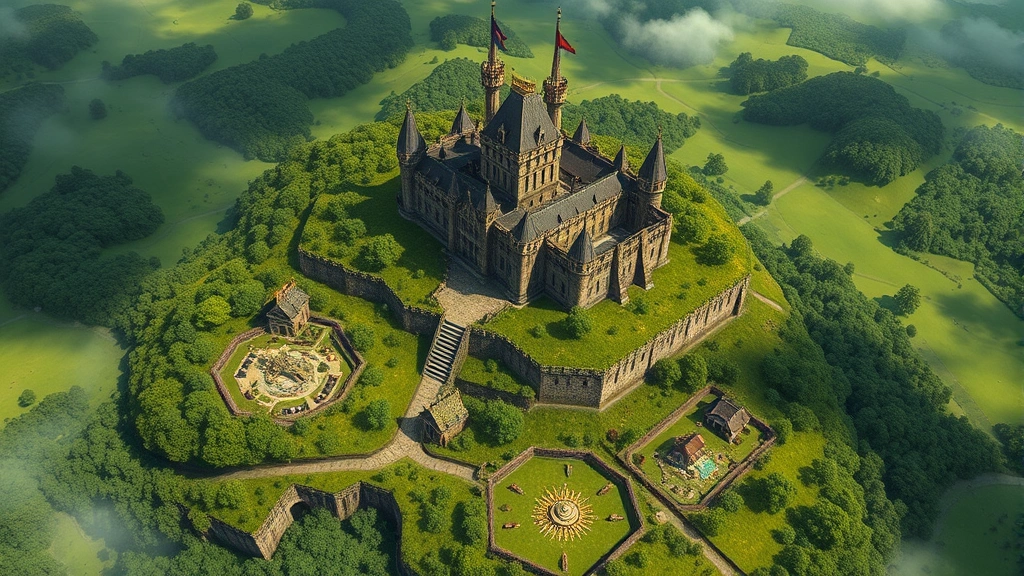
Civilization VI: The Gold Standard
Civilization VI stands as the undisputed champion of turn-based 4X strategy games, and for good reason. Developed by 2K Games, this masterpiece has captivated millions of players worldwide since its 2016 release. The game encapsulates everything that makes 4X gaming exceptional: exploration of vast procedurally-generated worlds, expansion of your civilization across continents, exploitation of natural resources and technologies, and the capacity for extermination through military conquest.
What truly elevates Civilization VI above its predecessors is the district system, which revolutionized city building mechanics. Rather than placing all buildings in a single tile, you now strategically position specialized districts across your city’s surrounding tiles. This creates genuinely meaningful spatial puzzles where you must consider adjacency bonuses, defensive positioning, and long-term urban planning. The game rewards both aggressive expansionists and peaceful cultural builders, ensuring multiple viable victory conditions.
The religious and cultural systems add layers of diplomatic intrigue that rival any political simulation. You can spread your religion across the world, compete for cultural dominance through great works and tourism, or pursue scientific advancement toward a space race victory. With dozens of civilizations to play, each with unique units and bonuses, every playthrough feels distinctly different. The extensive modding community has created thousands of quality-of-life improvements and total conversion mods.
For those seeking deeper complexity, the Gathering Storm expansion introduces climate change mechanics that force you to balance industrial progress with environmental responsibility. This adds a fascinating late-game dimension where unchecked pollution can devastate civilizations, creating genuine tension in your strategic decisions.

Crusader Kings III: Medieval Complexity
Crusader Kings III represents a fundamentally different approach to 4X strategy gaming. Rather than controlling an abstract civilization, you embody a single character with personal ambitions, family obligations, and political intrigue. Published by Paradox Interactive, this game transforms grand strategy into deeply personal storytelling.
The character-focused gameplay creates emergent narratives that rival any single-player RPG. Your ruler might be brilliant but sickly, virtuous but weak-willed, or scheming and ruthless. These personality traits directly impact your realm’s stability and your relationships with vassals. You navigate complex succession laws, arrange strategic marriages to form alliances, and navigate the treacherous waters of court politics where a well-placed assassination can reshape continental power dynamics.
What makes Crusader Kings III exceptional is how it respects player agency while maintaining historical plausibility. You can pursue aggressive conquest, peaceful cultural dominance, or intricate diplomatic maneuvering. The game’s learning curve is steep—understanding feudal hierarchy, succession mechanics, and claim systems requires genuine study—but mastering these systems provides unparalleled satisfaction.
The religious and cultural systems allow you to reshape entire regions through gradual cultural conversion or religious reformation. You can establish new religions, modify their tenets, and spread them across the known world. This creates gameplay possibilities that extend far beyond traditional conquest, appealing to players interested in cultural and ideological warfare rather than purely military dominance.
Stellaris: Cosmic Conquest
Stellaris is the definitive space 4X strategy game, offering unparalleled cosmic exploration and empire building. Also from Paradox Interactive, Stellaris begins when your civilization achieves faster-than-light travel, thrusting you into a galaxy teeming with alien civilizations, ancient threats, and boundless opportunity.
The game excels at creating emergent sci-fi narratives. You customize your species with biological traits, ethics, and government types, fundamentally shaping how your civilization evolves. Will you be militaristic conquerors, peaceful federalists, or sinister xenophobes? These choices ripple throughout your entire playthrough, affecting diplomatic relations, internal stability, and how other civilizations perceive you.
Exploration in Stellaris captures the wonder of discovering the unknown. As you survey star systems, you uncover derelict megastructures, ancient alien threats, and wormholes leading to uncharted regions. Mid-game, existential crises emerge—galaxy-threatening forces that demand unprecedented cooperation or conquest. The late-game crisis system ensures that even established empires face genuine challenges, preventing the typical 4X problem of snowballing power.
The modding ecosystem for Stellaris is phenomenal, with community creators producing total conversion mods based on popular sci-fi franchises. Whether you want to roleplay as a Halo civilization, Star Wars faction, or custom creation, the modding community has you covered. The game also receives regular balance updates and expansions that significantly alter gameplay mechanics.
Total War: Warhammer III
Total War: Warhammer III merges traditional turn-based 4X strategy with real-time tactical combat, creating a unique hybrid experience. This installment in Creative Assembly’s acclaimed series combines the grand strategy of empire management with visceral battlefield command.
The appeal of Total War games lies in this duality. During the strategy phase, you manage your empire, recruit armies, conduct diplomacy, and plan your expansion across a fantasy world. When armies meet, the game transitions to real-time tactical battles where you directly command unit formations, execute flanking maneuvers, and witness the chaos of fantasy warfare unfold before you.
Warhammer III specifically features multiple playable factions from Warhammer Fantasy lore, each with distinct mechanics and playstyles. Faction-specific mechanics create asymmetrical gameplay that rewards specialization. The Chaos faction plays entirely differently from peaceful Bretonia, which diverges substantially from the militaristic Greenskins.
The game’s campaign map offers surprising depth for a real-time strategy title. You manage public order, construct buildings, manage hero characters, and navigate complex diplomatic relationships. The real-time tactical battles, while demanding significant mechanical skill, reward intelligent positioning and unit management. Check out our guide on cooperative gaming experiences to discover multiplayer strategy options.
Endless Legend: Artistic Ambition
Endless Legend represents Amplitude Studios’ artistic vision for 4X strategy gaming. This underrated gem combines gorgeous hand-drawn aesthetics with deeply engaging strategic gameplay. The game world is visually stunning, with each faction possessing distinct visual identity and thematic coherence.
What distinguishes Endless Legend is its faction design philosophy. Rather than offering slight variations on identical gameplay, each faction plays substantially differently. The Broken Lords require strategic resource management to avoid self-destruction. The Necrophages spread through consuming other populations. The Drakken operate under completely different governmental structures. This faction asymmetry creates genuine replayability—you’re not just changing your civilization’s name but fundamentally altering how you approach the game.
The game’s victory conditions extend beyond traditional conquest. You can pursue peaceful cultural victory, mysterious scientific breakthroughs, or engage in elaborate diplomatic maneuvering. The quest system adds narrative flavor to your civilization’s development, with unique story missions that provide both gameplay rewards and narrative satisfaction.
Endless Legend’s turn-based tactical combat system, while less flashy than Total War’s real-time battles, offers surprising depth. Unit positioning matters significantly, terrain provides genuine tactical advantages, and army composition directly impacts your strategic options. The game respects player intelligence, never holding your hand while still remaining accessible to strategy newcomers.
The seasonal system creates dynamic gameplay where world conditions shift dramatically between seasons, affecting unit movement, resource availability, and strategic possibilities. Winter creates harsh conditions that limit expansion, while other seasons open new opportunities. This creates natural pacing for your civilization’s development.
Why These Games Define the Genre
These four selections represent the current pinnacle of 4X strategy gaming because they respect player intelligence while remaining mechanically accessible. Each game offers hundreds of hours of content, with meaningful decisions that genuinely impact your experience. Unlike games with predetermined narratives, 4X titles generate emergent storytelling where your strategic choices create unique outcomes.
The genre also attracts intellectually demanding players who appreciate complex systems, long-term planning, and the satisfaction of executing elaborate strategies. Whether you prefer historical settings like Civilization, medieval intrigue like Crusader Kings, cosmic exploration like Stellaris, or tactical fantasy warfare like Total War, these games deliver experiences unavailable elsewhere in gaming.
For additional strategic gaming recommendations, explore our comprehensive gaming coverage and discover other exceptional titles that demand strategic thinking and planning.
FAQ
What does 4X mean in strategy games?
4X stands for eXplore, eXpand, eXploit, and eXterminate. These four pillars define the core gameplay loop: exploring unknown territories, expanding your civilization’s borders, exploiting resources and technologies, and eliminating rivals through military conquest or other means.
Which 4X strategy game is best for beginners?
Civilization VI remains the most accessible entry point for newcomers. The game features comprehensive tutorials, adjustable difficulty settings, and gameplay that’s easy to understand but deep enough to sustain thousands of hours of play. The strategic depth emerges gradually as you master each system.
Are these games available on console?
Civilization VI is available on Nintendo Switch, PlayStation 4, and Xbox One, making it the most accessible title for console players. Total War: Warhammer III recently released on PlayStation 5. Most other titles remain PC-exclusive, though some have mobile versions with adjusted mechanics.
How long does a typical playthrough take?
A standard Civilization VI game on normal speed takes 15-25 hours, though marathon-length games can extend to 50+ hours. Crusader Kings III games vary wildly based on your ambitions—roleplay-focused playthroughs can extend hundreds of hours. Stellaris games typically span 20-40 hours depending on crisis intensity and victory conditions pursued.
Do these games require online connection?
All these titles function as single-player experiences without requiring internet connection for campaign play. However, multiplayer features enhance the experience if you want to compete against friends. Some games like Crusader Kings III require accounts for certain features, but core gameplay remains offline-compatible.
Which game has the steepest learning curve?
Crusader Kings III demands the most upfront learning investment. Understanding feudal mechanics, succession laws, and character interactions requires genuine study. However, once mastered, it provides the most rewarding gameplay experience for those willing to invest in understanding its systems.
Can I customize my experience with mods?
Absolutely. All these games feature robust modding communities. Civilization VI, Stellaris, and Crusader Kings III have particularly active modding scenes with thousands of quality mods available. Total War: Warhammer III and Endless Legend also support extensive modding, though their communities are slightly smaller.
Which game offers the best multiplayer experience?
Civilization VI excels at multiplayer, supporting both cooperative and competitive play. Crusader Kings III offers unique multiplayer where players can directly interact through diplomacy, alliances, and betrayal. Total War games support competitive multiplayer battles, though campaign multiplayer can be problematic due to game length.