
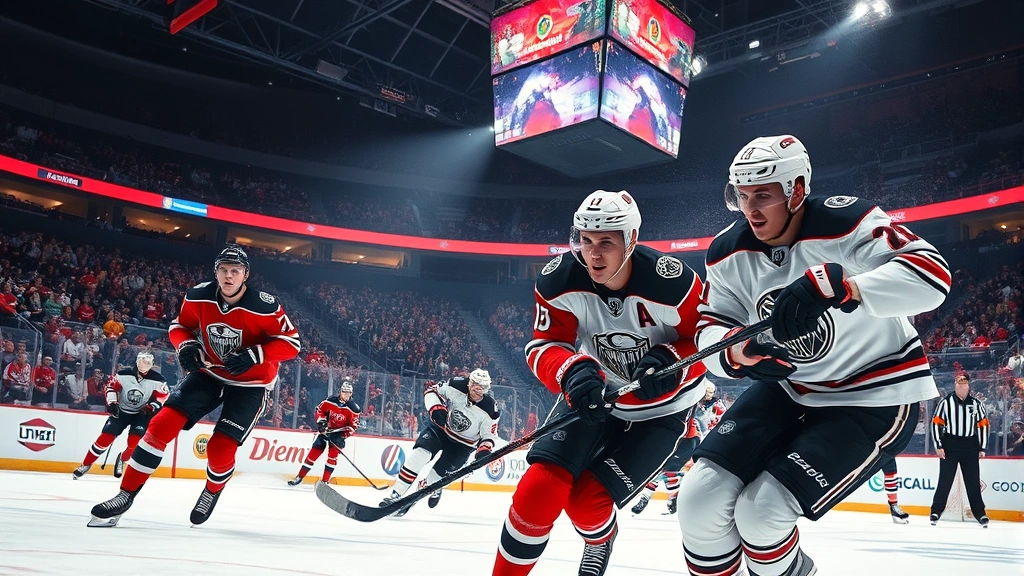
Hockey Game Duration? Expert Insights on How Long Hockey Games Last
Whether you’re a seasoned hockey fan or someone curious about jumping into the sport, understanding how long a hockey game actually lasts is essential for planning your evening or catching the action live. The answer isn’t as straightforward as you might think, and it involves far more than just the three 20-minute periods you see on the clock. From stoppages to overtime scenarios, we’ll break down everything you need to know about hockey game duration.
Hockey games have captivated audiences worldwide for generations, combining speed, skill, and strategy in ways few sports can match. If you’re planning to attend your first game or want to understand the time commitment before settling in for a broadcast, knowing the actual duration—including all the variables that can extend it—will help you prepare accordingly. Let’s dive into the expert insights that explain exactly how long these thrilling matchups take.
Standard Hockey Game Length
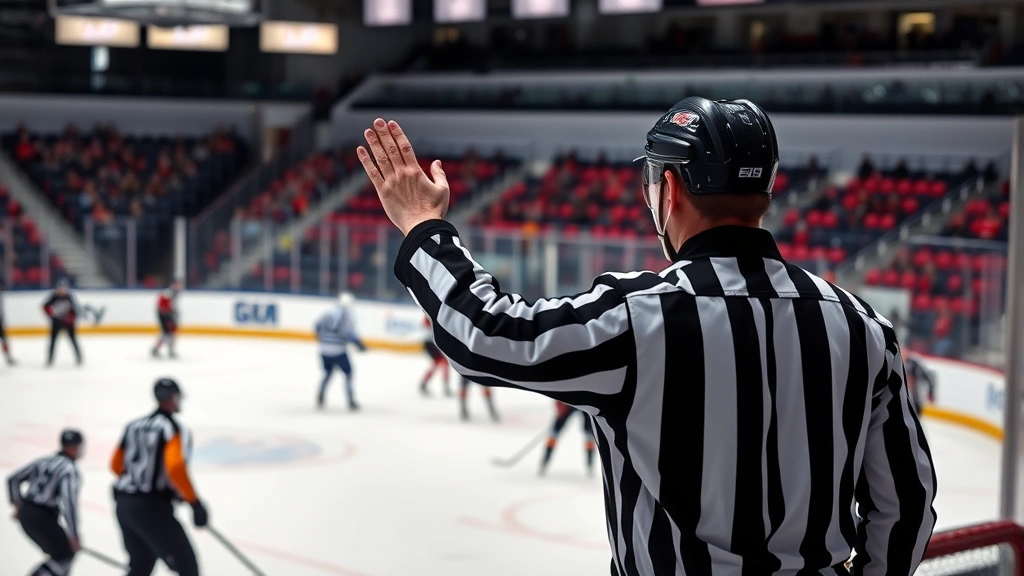
A regulation hockey game consists of three 20-minute periods, which sounds like a total of 60 minutes of play. However, the actual elapsed time from start to finish typically ranges from 2.5 to 3 hours for professional games. This significant difference between playing time and total duration stems from the numerous stoppages built into the sport’s structure.
The official playing time remains constant at 60 minutes across all levels of professional hockey, including the NHL, which is the premier professional league in North America. What varies is how long the game takes in real-world time due to commercials, penalties, injuries, and other interruptions. Understanding this distinction is crucial for anyone planning to watch or attend a hockey game.
Most casual viewers underestimate the total time commitment, expecting something closer to the advertised 60 minutes of action. In reality, you should budget considerably more time if you’re watching on television or attending in person. The difference between playing time and elapsed time makes hockey unique among major North American sports.
Period Structure and Timing
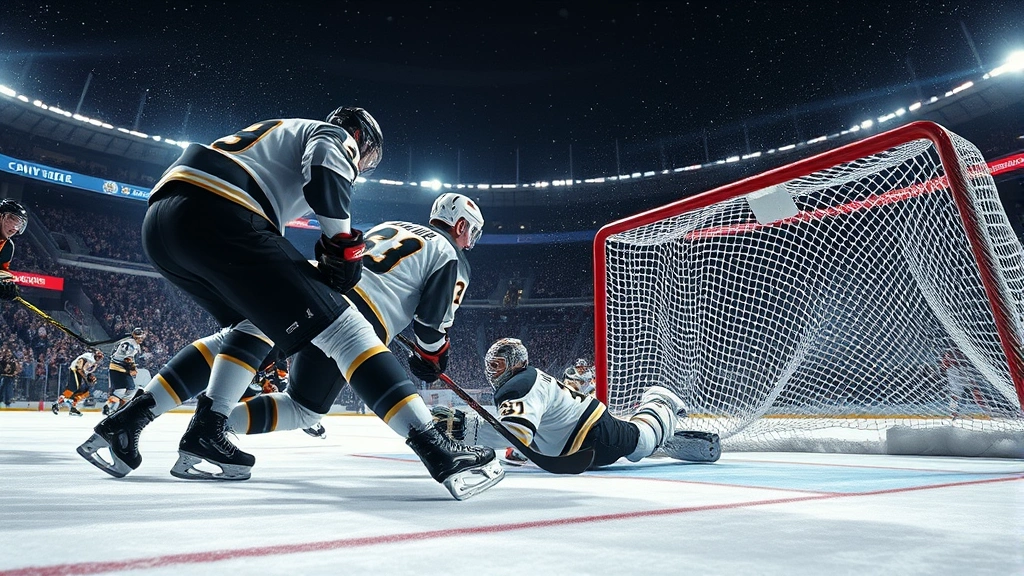
Each period in a hockey game lasts exactly 20 minutes of playing time, meaning the clock stops whenever play is halted. Between periods, there’s typically a 15 to 20-minute intermission, during which players rest, coaching staff make adjustments, and the ice is resurfaced. These intermissions are essential for player recovery and ice maintenance, contributing significantly to the total game duration.
The structure of three equal periods creates natural breaks in the action, allowing teams to regroup and strategize. During intermissions, television broadcasts fill time with analysis, commentary, and advertising. Live spectators use this time to grab refreshments, use facilities, or simply stretch after sitting through intense first-period action.
Each period begins with a faceoff at center ice, and the clock runs continuously during play until a stoppage occurs. Understanding how the clock management system works helps explain why a 20-minute period can easily take 30-35 minutes of real time to complete. Stoppages for goals, penalties, injuries, and other infractions accumulate quickly.
Stoppages and Their Impact
Stoppages are the primary reason hockey games extend well beyond their 60-minute playing time. Every time the puck leaves the playing surface, a goal is scored, a penalty is called, or a player is injured, the clock stops. These interruptions happen frequently throughout a game, sometimes occurring every few seconds during intense back-and-forth action.
Common reasons for stoppages include:
- Goals: Play stops for goal celebrations and video review verification
- Penalties: Officials must explain infractions and set up power plays
- Icing calls: Play halts when the puck is shot from behind the red line to the opposite end
- Offsides: Plays are whistled dead when players enter the offensive zone too early
- Injuries: Medical stoppages can extend periods significantly
- Equipment issues: Broken sticks, loose boards, or other equipment problems require stoppages
- Timeouts: Each team receives one timeout per game to draw up plays
A single period might have 8-15 stoppages, meaning what’s listed as 20 minutes of playing time can stretch to 30-40 minutes of elapsed time. This is why television broadcasts often show that a period took significantly longer to complete than the official playing time suggests.
Television broadcasts add another layer of time through commercial breaks, which typically occur after every stoppage in the play. In the NHL, networks have designated times for advertisements, and these can add 20-30 minutes to the overall broadcast duration.
Overtime Variations
When a regulation game ends in a tie, overtime periods come into play, and the rules vary depending on the league and competition level. In the NHL regular season, teams play one 5-minute overtime period with sudden-death rules—the first team to score wins immediately. If no goal is scored during overtime, the game proceeds to a shootout, where teams take alternating penalty shots.
Playoff overtime is dramatically different and more intense. In Stanley Cup playoffs, teams play full 20-minute sudden-death overtime periods with no time limits. Games can extend into multiple overtimes, with the longest playoff game in NHL history lasting over six hours of elapsed time. These extended playoff games create unforgettable moments and test players’ endurance to the absolute limit.
The possibility of overtime means you should never assume a game will finish at exactly the 2.5-3 hour mark. Always budget extra time when attending or watching a game, especially during playoff season when sudden-death overtime creates maximum drama and unpredictability.
NHL vs Other Leagues
While the NHL sets the standard for professional hockey in North America, other leagues have slightly different timing structures. International hockey, college hockey, and minor league hockey all follow similar period structures but may have variations in intermission length and stoppage procedures.
The NHL’s 15-20 minute intermissions are standard across most professional leagues. However, some leagues implement shorter intermissions or different commercial break structures. If you’re watching hockey from different leagues, the total game duration might vary slightly, though the fundamental playing time remains consistent at three 20-minute periods.
Olympic hockey and international tournaments also follow the standard three-period format, though the intensity and stakes can make these games feel shorter or longer depending on the competition level and quality of play. Regardless of the league, you should expect a 2.5-3 hour commitment for a regulation game without overtime.
Live Game Experience Duration
Attending a hockey game in person adds another dimension to understanding game duration. Beyond the actual game time, you need to factor in arrival time, parking, concessions, and post-game exit time. Many venues recommend arriving 30-45 minutes before puck drop to find parking and get to your seats comfortably.
Once inside the arena, you’ll experience the full atmosphere that television broadcasts simply cannot capture. The roar of the crowd, the speed of the game from ice level, and the energy of live competition create an experience that justifies the extended time commitment. Most fans find that a live game experience, including arrival and departure, takes 4-5 hours total.
Venues often have entertainment during intermissions, from performances to interactive games that keep the crowd engaged between periods. This entertainment value, combined with the social aspect of attending with friends or family, makes the extended duration feel worthwhile for many hockey enthusiasts.
Factors Affecting Game Length
Several variables can significantly impact how long a specific game lasts. The penalty intensity of a matchup plays a major role—games with more infractions naturally have more stoppages and take longer. Rivalry games or playoff contests often feature more aggressive play and result in longer game durations.
Player injuries requiring medical attention can extend periods substantially. If a player suffers a serious injury requiring stretcher removal or extended medical evaluation, the game can be delayed by several minutes. Additionally, video review challenges, which are increasingly common in modern hockey, can add 2-5 minutes per challenge to the total game time.
Weather conditions can affect outdoor hockey events like the NHL Stadium Series. Cold temperatures might require additional ice maintenance between periods, extending intermissions beyond the standard 15-20 minutes. Conversely, unseasonably warm weather can necessitate more frequent ice resurfacing, impacting game flow and duration.
The skill level of teams also influences game duration indirectly. High-scoring affairs with frequent goals create more stoppages than low-scoring defensive battles. Similarly, teams with strong penalty kills or power plays might experience fewer total stoppages if they efficiently convert opportunities or prevent infractions through disciplined play.
If you’re interested in understanding sports timing and mechanics, you might also appreciate learning about best story games that explore sports narratives, or checking out our gaming PC build guide if you want to experience hockey video games with optimal performance. For those interested in broadcasting, our guide on how to record gameplay on PC can help you capture hockey gaming moments.
FAQ
How long is a hockey game without overtime?
A regulation hockey game without overtime typically lasts between 2.5 to 3 hours from start to finish. The official playing time is 60 minutes (three 20-minute periods), but stoppages, intermissions, and commercial breaks extend the total elapsed time significantly.
Can a hockey game go into multiple overtimes?
Yes, especially in playoff situations. Regular season games go to a shootout if overtime doesn’t produce a goal, but playoff games can have multiple 20-minute sudden-death overtime periods with no time limit. Some historic playoff games have lasted over six hours.
Why do hockey games take so long?
Hockey games take longer than their 60-minute playing time due to numerous stoppages (penalties, goals, injuries, icing calls), 15-20 minute intermissions, and television commercial breaks. These elements combine to extend a game to 2.5-3 hours.
What’s the longest hockey game ever played?
The longest NHL game was Game 5 of the 1936 Stanley Cup Finals between the Detroit Red Wings and the Montreal Maroons, which lasted 116 minutes and 30 seconds of overtime (nearly 6 hours total). Modern playoff overtimes have produced similarly extended contests.
Is there a time limit on hockey games?
Regulation games have a set 60 minutes of playing time divided into three periods. However, playoff overtime has no time limit—teams play until someone scores. Regular season overtime is limited to 5 minutes of sudden-death play before a shootout determines the winner.
How much of a hockey game is actual playing time?
Out of a 2.5-3 hour game, only 60 minutes is actual playing time. The remaining 1.5-2 hours consists of intermissions, stoppages, and (for televised games) commercial breaks. This means roughly one-third of the broadcast time is actual gameplay.
Do different hockey leagues have different game lengths?
Most professional hockey leagues follow the same three 20-minute period structure, resulting in similar total game durations of 2.5-3 hours. Minor variations exist in intermission length or stoppage procedures, but the fundamental playing time remains consistent.