
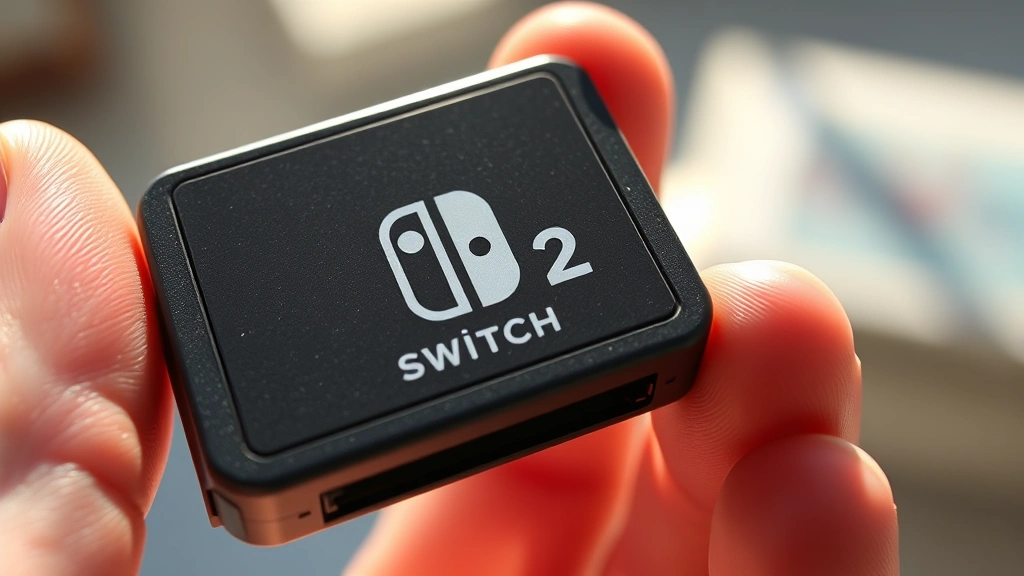
Nintendo Switch 2 Cards: Macronix Insights and Game Storage Technology
The gaming industry is buzzing with anticipation for the Nintendo Switch 2, and one crucial component that doesn’t always grab headlines is the game card technology that will power this next-generation handheld console. At the heart of this innovation lies Macronix, a semiconductor manufacturer that plays a pivotal role in producing the memory solutions for Nintendo’s cartridges. Understanding how Macronix contributes to Switch 2 game cards reveals the sophisticated engineering behind portable gaming and sets the stage for what gamers can expect from storage capabilities, load times, and overall performance.
Macronix International Corporation has established itself as a leader in non-volatile memory solutions, and their involvement with Nintendo’s cartridge technology demonstrates the level of precision required for modern game distribution. The Nintendo Switch 2 represents a significant leap forward in hardware capabilities, and the game cards themselves must evolve to support larger game files, faster data transfer rates, and improved reliability. This article explores the technological innovations, manufacturing processes, and implications of Macronix’s role in developing next-generation game cards for Nintendo’s upcoming console.
Understanding Macronix and Memory Technology
Macronix has been a cornerstone in the semiconductor industry for decades, specializing in flash memory technologies that power everything from USB drives to gaming consoles. Their expertise in non-volatile memory means that data stored on Macronix-produced chips remains intact even when powered off, making them ideal for game cartridges that need to preserve game data reliably. The company’s commitment to research and development has positioned them as a preferred supplier for Nintendo, whose cartridge-based systems demand exceptional reliability and performance standards.
The memory chips used in game cards are fundamentally different from traditional hard drives or SSDs found in computers. These chips must withstand numerous read cycles, maintain data integrity over years of use, and operate efficiently within the power constraints of a portable device. Macronix’s technologies address all these requirements through advanced manufacturing processes that have evolved significantly over the years. The progression from single-level cell (SLC) to multi-level cell (MLC) to triple-level cell (TLC) memory represents the industry’s push toward higher density storage without sacrificing reliability.
For the Nintendo Switch 2, Macronix has likely incorporated their latest memory architectures to provide the optimal balance between capacity, speed, and cost-effectiveness. This commitment to innovation ensures that game developers have the tools they need to create more ambitious titles with higher-resolution assets, more expansive worlds, and richer gameplay experiences. Understanding these technical foundations helps gamers appreciate the engineering that goes into their favorite portable gaming device.
Nintendo Switch 2 Card Specifications
The Nintendo Switch 2 game cards represent a significant evolution from their predecessors, with enhanced specifications designed to support the console’s improved hardware capabilities. While Nintendo has maintained backward compatibility considerations, the new cards feature upgraded read speeds and increased storage potential. These specifications are the result of close collaboration between Nintendo’s hardware engineers and Macronix’s memory specialists, who worked together to define the optimal parameters for next-generation cartridges.
The physical form factor of Switch 2 cards maintains similarities to the original Switch cartridges to ensure a familiar user experience, but the internal architecture has been substantially upgraded. The memory interface operates at higher frequencies, allowing data to transfer from the card to the console’s processor at speeds that support seamless loading and streaming of game content. This technical specification matters tremendously for game design, as developers can now design experiences that leverage faster load times and more responsive gameplay.
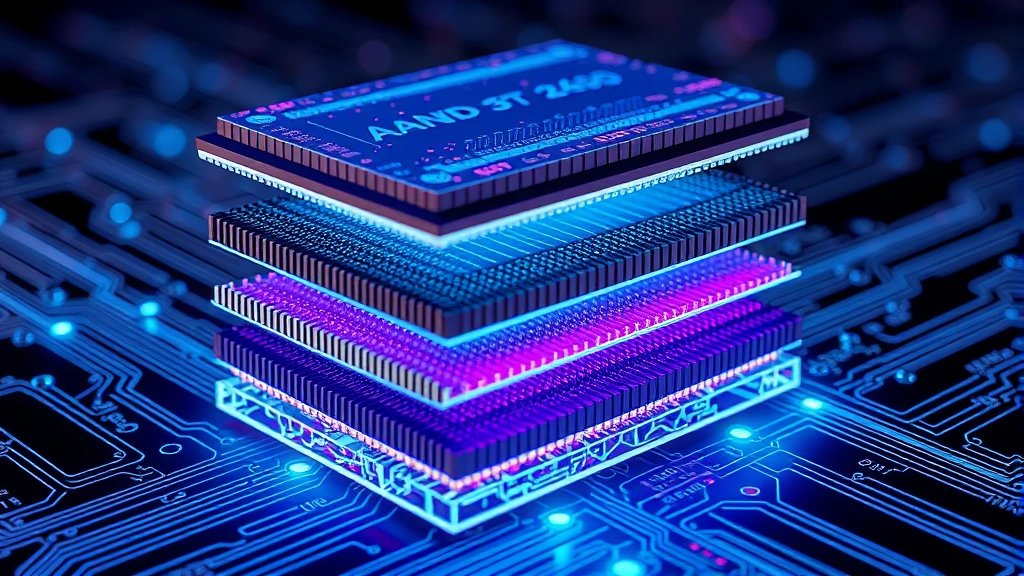
Macronix’s involvement in defining these specifications meant incorporating their latest 3D NAND flash technology, which stacks memory cells vertically to increase storage density without requiring a larger physical footprint. This innovation allows Nintendo Switch 2 cards to contain significantly more data than previous generations while maintaining the same convenient size. The precision engineering required to produce these cards at scale demonstrates why partnering with established memory manufacturers like Macronix is essential for console makers.
When exploring the best story games coming to Switch 2, you’ll notice many titles can now include cinematic presentations and detailed environments previously impossible on the original Switch. This capability directly results from the improved card specifications that Macronix helped develop.
Storage Capacity and Game File Sizes
One of the most significant advantages of the Nintendo Switch 2 card technology is the substantially increased storage capacity compared to the original Switch. While first-generation Switch cartridges topped out at 32GB of usable storage for most games, Switch 2 cards are expected to support capacities reaching 64GB, 128GB, or potentially higher. This expansion is crucial because modern game development has seen file sizes balloon dramatically due to high-resolution textures, complex audio systems, and extensive video content.
The growing demands of game development mean that many AAA titles now exceed 100GB on PlayStation 5 and Xbox Series X|S consoles. While Switch 2 games won’t match those platforms’ visual fidelity, the ability to store 64GB or more on a single cartridge allows developers to bring more substantial experiences to Nintendo’s portable platform. Macronix’s 3D NAND technology makes this capacity increase possible without making cartridges prohibitively expensive for consumers or manufacturers.
Game file size management has become an art form for Switch developers, who’ve traditionally needed to optimize assets and compress data extensively to fit within cartridge limitations. The Nintendo Switch 2, with its increased storage capacity, liberates developers from some of these constraints while still requiring thoughtful optimization. Popular franchises like The Legend of Zelda, Mario, and Pokémon will benefit tremendously from the ability to include more detailed environments, higher-quality audio, and additional content without requiring multiple cartridges or mandatory downloads.
The relationship between storage capacity and game design cannot be overstated. With more space available on Macronix-produced cards, developers can create richer, more immersive experiences that take full advantage of the console’s hardware improvements. This technological advancement directly impacts the quality and scope of games you’ll play on the Switch 2.
Speed and Performance Improvements
Beyond storage capacity, the speed at which data transfers from game cards to the console’s processor represents a critical performance metric. The Nintendo Switch 2 cards, leveraging Macronix’s latest memory technologies, feature significantly faster read speeds than their predecessors. This improvement directly translates to shorter load times, faster asset streaming, and more responsive gameplay experiences.
Load times have become a defining characteristic of console gaming, with players increasingly expecting near-instantaneous transitions between game areas. The PlayStation 5’s custom SSD architecture exemplifies this trend, and Nintendo’s Switch 2 cards must compete in this landscape. Macronix’s high-speed memory interfaces enable data transfer rates that support seamless open-world exploration, quick level loading, and smooth transitions between gameplay scenarios. These speeds matter most in games with expansive worlds, frequent scene changes, or streaming content systems.
The technical specifications of Switch 2 cards include improved data transfer protocols that maximize the bandwidth available between the cartridge and the console’s memory system. Macronix worked with Nintendo to optimize these interfaces, ensuring that developers can leverage the full potential of the hardware without bottlenecks at the storage layer. This commitment to performance means that games can maintain consistent frame rates, load assets on-demand without stuttering, and provide the responsive controls that gamers expect from modern titles.
For developers creating indie games on Switch 2, faster card speeds mean they can implement more ambitious technical features without requiring specialized optimization expertise. This democratization of performance benefits the entire ecosystem, allowing creative developers to focus on gameplay innovation rather than storage constraints.
Manufacturing Excellence and Quality Control
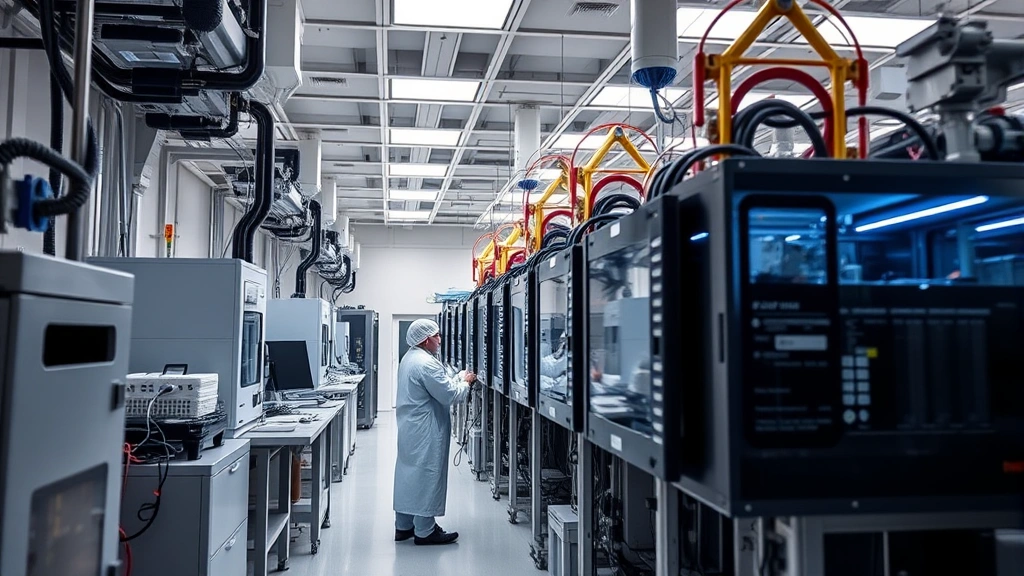
Producing game cards at scale requires manufacturing expertise that few companies possess. Macronix operates state-of-the-art fabrication facilities that combine advanced robotics, precision engineering, and rigorous quality control protocols. The process of manufacturing memory chips for Nintendo Switch 2 cards involves dozens of intricate steps, each requiring exacting tolerances to ensure reliability and performance.
Quality control in memory chip manufacturing is non-negotiable because a single defective chip can render an entire game card unusable. Macronix employs comprehensive testing procedures that verify every chip’s functionality, speed, and data retention before it leaves the factory. These quality standards ensure that every Nintendo Switch 2 cartridge you purchase will reliably store and deliver your games throughout the console’s lifespan.
The manufacturing process begins with silicon wafers that Macronix processes through multiple lithography steps, each one creating increasingly smaller transistors and memory cells. The company’s investment in cutting-edge semiconductor fabrication technology allows them to produce chips with the density and performance required for next-generation game cards. Environmental controls within fabrication facilities maintain clean-room conditions that prevent contamination, which could compromise chip functionality.
Beyond the chips themselves, Macronix coordinates with Nintendo and other manufacturing partners to ensure that complete game cards meet all specifications. This includes testing card interfaces, verifying encryption and security features, and confirming that cards function properly across the full range of environmental conditions they might encounter during storage and use. This commitment to excellence is what makes Nintendo’s partnership with Macronix so valuable.
Comparing Switch 2 Cards to Previous Generations
The evolution of Nintendo cartridge technology tells a fascinating story of innovation and engineering progress. The original Nintendo Switch, released in 2017, utilized game cards with up to 32GB of storage and comparatively slower read speeds. While impressive for a handheld device at the time, these specifications represented the limitations of that generation’s memory technology and manufacturing capabilities.
The Nintendo Switch 2 cards represent a generational leap that reflects five years of semiconductor advancement. Storage capacity has potentially doubled or tripled, read speeds have increased substantially, and manufacturing processes have become more efficient. This progression mirrors the broader semiconductor industry’s trends, where Moore’s Law continues to drive improvements in density, speed, and cost-effectiveness, though at a slower pace than historical rates.
Comparing Switch 2 cards to the original Switch cartridges reveals how technological progress enables better gaming experiences. Where original Switch developers struggled to fit ambitious games within 32GB, Switch 2 developers will have breathing room to include more content, higher-quality assets, and more complex game systems. The improvement extends beyond raw capacity to include faster access times, which enable new gameplay possibilities like seamless world streaming and dynamic asset loading.
The Game Forge Daily blog has extensively covered the evolution of gaming hardware, and the progression of Nintendo’s cartridge technology represents a fascinating case study in how storage solutions directly impact game design and player experience.
Future Implications for Gaming
The Nintendo Switch 2’s advanced game cards, powered by Macronix’s latest memory technologies, set the stage for exciting possibilities in portable gaming. As game developers gain access to increased storage capacity and faster data access, we can expect more ambitious titles that push the boundaries of what’s possible on a handheld device. This technological foundation enables a new generation of gaming experiences that blur the lines between home console and portable gaming.
Future game development on Switch 2 will increasingly leverage the platform’s storage and speed capabilities to deliver experiences comparable to what players expect from contemporary home consoles. Open-world games with seamless exploration, detailed environments with high-resolution textures, and complex AI systems all become more feasible with the improved cartridge technology. Macronix’s continued innovation in memory solutions ensures that Nintendo can maintain technological parity with competitors while preserving the platform’s unique portable gaming focus.
The implications extend beyond individual game titles to encompass the broader gaming ecosystem. As Switch 2 cards become the standard for Nintendo’s platform, developers worldwide will optimize their workflows and technologies specifically for these specifications. This standardization creates a stable foundation for game development, allowing studios to plan ambitious multi-year projects with confidence in the underlying technology.
Understanding the role of Macronix in Switch 2’s success helps gamers appreciate the sophisticated engineering that enables their favorite portable gaming experiences. From memory architecture to manufacturing processes, the company’s contributions are fundamental to delivering the performance and reliability that modern gaming demands. As you explore your gaming PC build options or consider your console choices, remember that the storage solutions powering these devices represent decades of semiconductor innovation.
The partnership between Nintendo and Macronix exemplifies how hardware manufacturers and software creators must collaborate to deliver exceptional gaming experiences. This synergy ensures that Switch 2 owners will enjoy a library of games that leverage the platform’s capabilities to their fullest potential, supported by memory technology engineered for reliability, speed, and capacity.
FAQ
What role does Macronix play in Nintendo Switch 2 game cards?
Macronix manufactures the memory chips that store game data on Nintendo Switch 2 cartridges. The company provides advanced non-volatile memory solutions, including 3D NAND flash technology, that enable increased storage capacity and faster data transfer speeds compared to original Switch cards.
How much storage will Nintendo Switch 2 game cards have?
While official specifications haven’t been universally confirmed, industry analysis suggests Switch 2 cards will support 64GB, 128GB, or potentially higher capacities, representing a significant increase from the original Switch’s maximum 32GB storage.
Will Nintendo Switch 2 cards be faster than original Switch cartridges?
Yes, Switch 2 cards feature substantially improved read speeds thanks to advanced memory interfaces and Macronix’s latest technologies. These faster speeds enable shorter load times and smoother gameplay experiences.
Are Nintendo Switch 2 game cards backward compatible with the original Switch?
While the physical form factors are similar, Switch 2 cards are designed for the new console’s architecture. Original Switch cartridges may work on Switch 2 through backward compatibility features, but new games will require Switch 2-specific cards.
How does Macronix ensure game card reliability?
Macronix employs rigorous quality control procedures, including comprehensive testing of every memory chip before it leaves the factory. The company uses advanced manufacturing processes in clean-room facilities to prevent defects and ensure data integrity throughout the cartridge’s lifespan.
What is 3D NAND technology used in Switch 2 cards?
3D NAND technology stacks memory cells vertically instead of arranging them in a flat plane. This innovation increases storage density without requiring a larger physical footprint, allowing Nintendo Switch 2 cards to hold significantly more data than previous generations.
How will improved game card technology affect game development?
Developers will have more storage space and faster access times, enabling them to create more ambitious games with higher-quality assets, larger worlds, and more complex systems. This technological foundation supports delivering console-quality experiences on a portable platform.
When will Nintendo Switch 2 game cards become available?
Game cards will launch alongside the Nintendo Switch 2 console. Current rumors suggest a 2025 release window, though Nintendo hasn’t officially confirmed specific dates.