
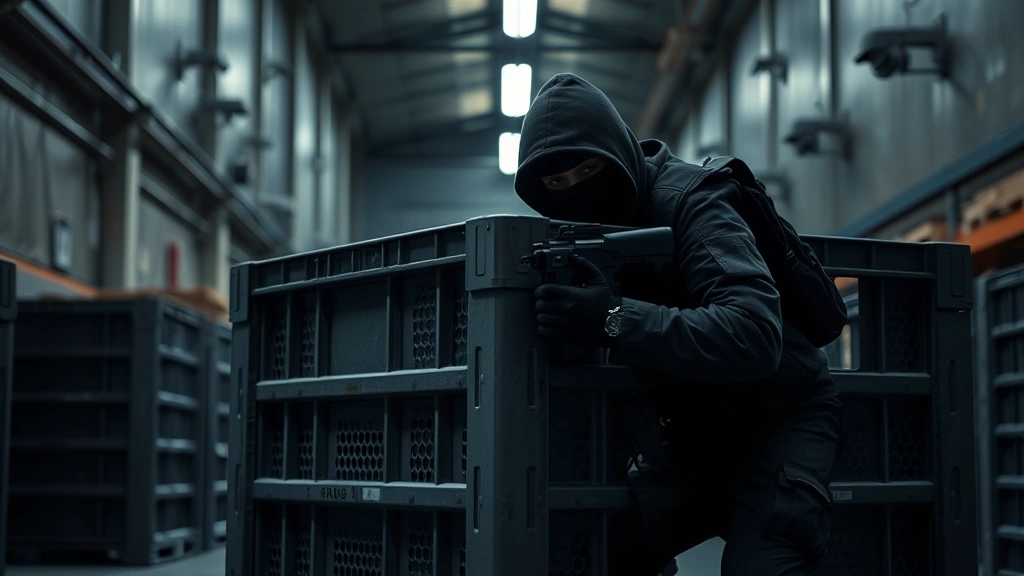
Pilfer Game Tips: Expert Strategy Guide
Mastering the art of thievery in pilfer game requires finesse, timing, and strategic thinking. Whether you’re a seasoned heist planner or just starting your criminal career, this comprehensive guide will elevate your gameplay to professional levels. We’ll break down everything from basic mechanics to advanced tactics that’ll have you executing perfect heists without leaving a trace.
The beauty of pilfer game lies in its blend of stealth, puzzle-solving, and risk-reward decision-making. Every mission presents unique challenges that demand creative problem-solving and careful planning. By understanding the core mechanics and learning from expert strategies, you’ll transform from an amateur pickpocket into a master thief capable of pulling off the most audacious heists imaginable.
Understanding Pilfer Game Mechanics
Before you can become a master thief, you need to understand the fundamental systems that govern pilfer game. The game operates on a sophisticated detection system where guards, cameras, and environmental factors constantly monitor your movements. Your success depends on understanding these mechanics at a deep level.
The core mechanic revolves around your visibility meter, which increases when you’re spotted by enemies or security systems. Once this meter fills completely, an alarm triggers, forcing you into combat or requiring an immediate escape. The key to success is keeping this meter as low as possible throughout your mission. Different environments have varying detection ranges—guards in well-lit areas can spot you from farther away, while shadows provide excellent cover.
Each location in pilfer game features multiple entry and exit points, security cameras with specific patrol patterns, and NPCs following predictable routines. Learning these patterns is absolutely crucial. Spend time in each mission observing guard movements before committing to your heist. Most guards follow clockwise or counterclockwise patrol routes that repeat every 45-60 seconds. Cameras rotate on fixed intervals, typically sweeping a 180-degree arc.
Your equipment plays a vital role in mission success. The lockpick allows you to access restricted areas, while the thermal vision goggles reveal heat signatures through walls. The silenced pistol provides non-lethal takedowns without alerting nearby guards, and the hacking device lets you disable security systems remotely. Understanding when and how to use each tool separates amateur thieves from professionals.
If you’re interested in exploring similar strategic gameplay experiences, check out our guide on the best single player games 2025 for more titles that emphasize planning and execution.
Stealth Fundamentals and Detection Avoidance
Stealth is the lifeblood of successful pilfer game gameplay. Mastering stealth mechanics will transform your approach from aggressive and chaotic to calculated and elegant. The game rewards patience and observation far more than action-oriented players.
Movement speed directly impacts your detection risk. Walking slowly in shadows keeps your visibility at minimal levels, while sprinting creates noise that alerts nearby guards instantly. The optimal approach involves moving at a measured pace through darkened corridors, pausing frequently to observe guard positions and camera sweeps. When a guard’s back is turned and you’re in shadow, you can move slightly faster without significant risk.
The visibility cone system works like a flashlight beam extending from each guard’s position. Stay outside this cone, and you remain undetected. The cone’s size depends on lighting conditions and the guard’s alertness level. Alert guards have wider vision cones and faster reaction times. You can reduce guard alertness by avoiding confrontations and maintaining distance.
Environmental objects provide crucial cover. Desks, crates, pillars, and furniture create line-of-sight blockers that guards cannot see through. Always position yourself behind these obstacles when guards patrol nearby. Similarly, learn to use ventilation shafts and maintenance tunnels as alternate routes that bypass heavily guarded areas entirely.
Sound management is equally critical. Avoid walking on creaky floorboards, which create noise that attracts guard attention. Carpet-covered areas provide silent movement, while tile and metal grating produce audible footsteps. In tense situations, crouch-walking eliminates noise entirely, though it reduces your movement speed significantly.
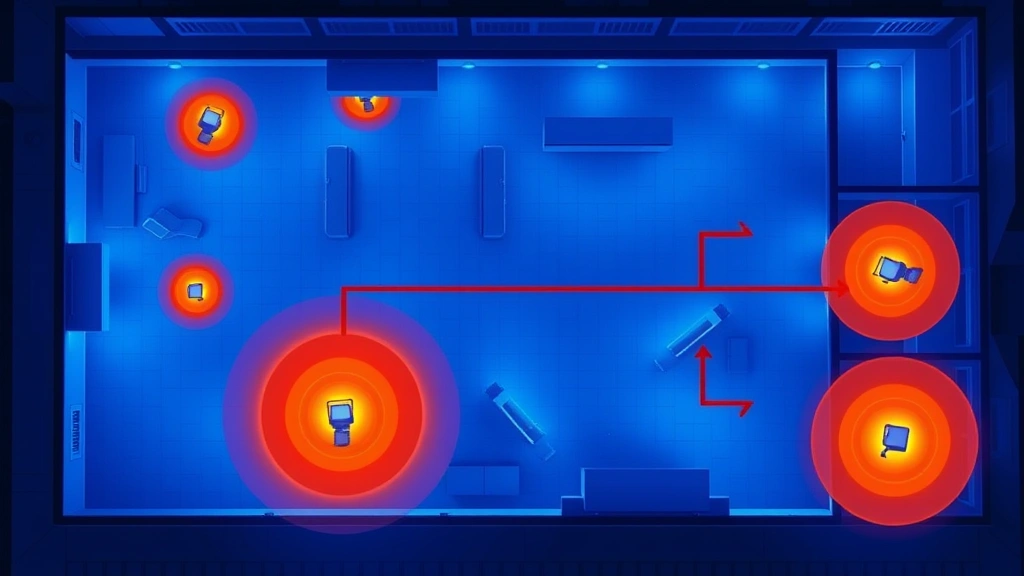
The light switch mechanic allows you to plunge areas into darkness, dramatically reducing guard visibility. However, guards will investigate darkened areas, so timing is essential. Disable lights just before a guard enters a section, creating a window of opportunity for your movement. The backup generator powers critical systems, so disabling it won’t affect all lights—only non-essential ones.
Guard communication systems present another consideration. Some guards carry radios that transmit alerts to other team members. Disabling communication nodes prevents widespread alarm responses when you’re spotted. Prioritize these targets early in your planning phase. For more tactical gameplay advice, explore our comprehensive GameForge Daily Blog for additional strategy content.
Planning Your Perfect Heist
Every successful pilfer game heist begins with meticulous planning. Rushing into a mission without preparation guarantees failure. Professional thieves spend time in reconnaissance, mapping guard routes, identifying security vulnerabilities, and planning multiple escape routes.
The reconnaissance phase is non-negotiable. Enter each mission in silent mode without attempting the objective. Simply observe everything. Mark guard patrol routes on your mental map, note camera positions and rotation speeds, identify locked doors requiring lockpicks, and locate security terminals that can disable systems. This reconnaissance typically takes 5-10 minutes but saves exponentially more time during actual execution.
Create a detailed route plan before committing to the heist. Identify your target’s exact location, the safest path to reach it, and the quickest escape route. Consider multiple contingencies—what happens if a guard deviates from their patrol route? Where can you hide if detection becomes imminent? Planning these scenarios prevents panic-induced mistakes during execution.
Loadout selection depends entirely on mission parameters. Stealth-focused missions benefit from the lockpick and silenced pistol, enabling you to access restricted areas and neutralize threats silently. Detection-heavy missions with numerous guards might require the hacking device to disable security systems remotely, reducing guard presence. The thermal vision goggles excel in dark environments where visual identification becomes difficult.
Communication with team members (in cooperative modes) requires specific callouts and coordination. Establish hand signals and radio codes before entering the mission. Assign specific roles—one player handles guard elimination while another focuses on objective completion. Synchronized timing prevents friendly interference and maximizes efficiency.
The timing element cannot be overstated. Guards operate on schedules, and recognizing these patterns allows you to slip through their coverage gaps. A guard moving from the north corridor to the south corridor creates a 30-second window where that section lies unguarded. Exploit these windows ruthlessly.
Advanced Techniques and Exploits
Once you’ve mastered basic stealth and planning, advanced techniques separate elite players from casual gamers. These sophisticated strategies require practice but yield incredible results when executed properly.
The guard distraction technique involves creating noise or visual stimuli that draw guard attention away from your intended path. Throwing objects in opposite directions, activating distant alarms, or triggering security doors creates distractions that clear your route temporarily. The key is timing—distract guards just before you move through their patrol zone.
The double-back maneuver exploits guard memory limitations. After passing a guard, they won’t immediately turn around to check if you’ve returned. Move past them, wait for them to continue patrolling, then backtrack through their previous position. This allows you to access areas that would otherwise require avoiding the guard entirely.
The shadow jumping technique involves moving between shadow patches rapidly, using darkness as cover while remaining mobile. This advanced movement technique requires precise timing but allows you to traverse dangerous open areas without detection. Practice in lower-difficulty missions before attempting this in challenging heists.
The camera blind spot exploitation identifies the small areas that security cameras cannot monitor. Most cameras rotate 180 degrees, leaving small blind spots at their rotation endpoints. Position yourself in these blind spots when camera sweeps pass, then move quickly when the camera rotates away.
The guard knockout combo involves silencing multiple guards in rapid succession before any can trigger alarms. Approach the first guard from behind, use the silenced pistol for a non-lethal takedown, immediately move to the second guard before they notice their colleague’s absence, and repeat. This technique requires excellent positioning and timing but clears areas efficiently.
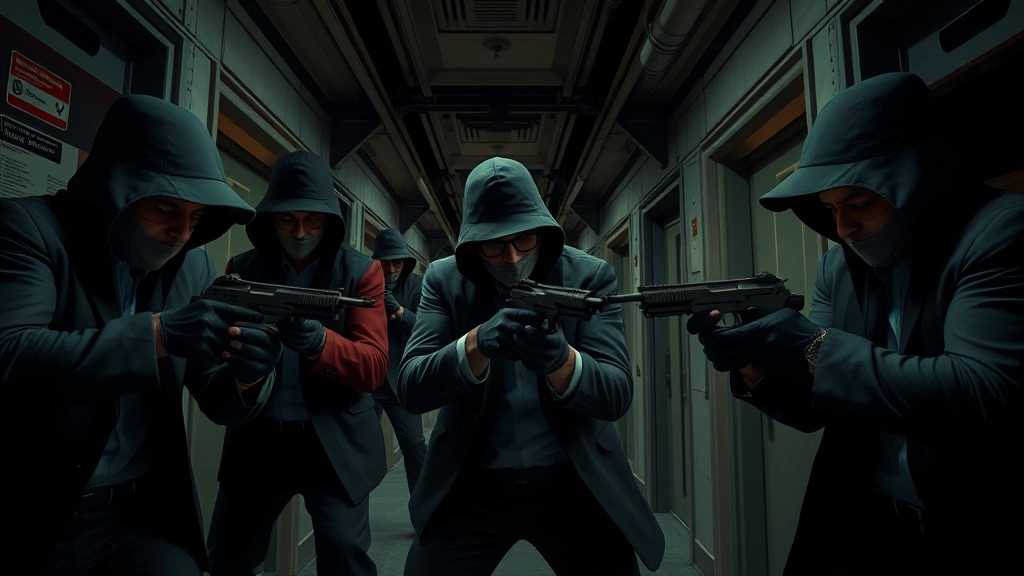
For players interested in cooperative heist gameplay, our guide on best co-op games on Steam features several titles with similar mechanics and coordination requirements.
Resource Management and Loadout Optimization
Successful pilfer game players understand that resources are limited. Every mission provides a finite amount of equipment, ammunition, and consumable items. Optimizing these resources determines whether you complete missions with style or struggle against overwhelming odds.
The lockpick serves multiple purposes but breaks after a certain number of uses. Estimate the number of doors you’ll encounter and plan accordingly. Some doors can be bypassed entirely through alternate routes, preserving lockpick durability for critical locks. Similarly, the hacking device consumes battery power with each use. Prioritize disabling the most dangerous security systems while leaving minor cameras active.
Ammunition scarcity forces careful weapon selection. The silenced pistol uses limited ammunition but provides non-lethal takedowns that don’t alert nearby guards. Standard firearms create noise that echoes through facilities, triggering alarms even when guards don’t witness the shot directly. Conserve ammunition by using stealth kills whenever possible and reserving firearms for emergency situations.
Consumable items like health kits and stamina boosters should be rationed strategically. Use health kits only when your health drops below 30%, and activate stamina boosters when you need explosive movement speed during escapes. Wasting these items on minor injuries leaves you vulnerable during critical moments.
The thermal vision goggles provide tremendous value in dark environments but drain battery quickly. Use them selectively—activate goggles when searching for hidden guards or security systems, then deactivate to preserve battery. In well-lit areas, normal vision suffices and conserves battery for darker sections ahead.
Equipment weight affects your movement speed and noise production. Heavier loadouts move slower and create more noise, while lighter loadouts sacrifice capability for mobility. Find the balance that matches your playstyle and mission requirements. Stealth-focused players benefit from minimal equipment, while aggressive players need full arsenals.
Multiplayer Strategies and Cooperative Heists
Multiplayer pilfer game modes introduce coordination complexity that elevates gameplay significantly. Successful cooperative heists require communication, role specialization, and synchronized execution that transforms individual players into a cohesive team.
Role assignment is the foundation of cooperative success. Designate one player as the scout who leads the team through reconnaissance and identifies optimal routes. Assign another player as the specialist who handles security systems, lockpicks, and technical challenges. A third player serves as the lookout, monitoring guard positions and providing real-time alerts. A fourth player focuses on objective completion while others handle support duties. Clear role definition prevents confusion and maximizes efficiency.
Communication protocols prevent friendly fire and coordination failures. Establish callout systems for guard positions—use compass directions (north, south, east, west) and distance estimates (close, medium, far). Radio discipline ensures essential information reaches teammates without cluttering communication channels with unnecessary chatter.
Synchronized timing becomes critical in multiplayer missions. Guards respond to disturbances differently when multiple intruders are present. Coordinate simultaneous movements to create confusion that prevents guards from identifying exact threat locations. When one team member creates a distraction, others exploit the resulting gap in coverage.
Backup plans must account for teammate incapacitation. If a scout gets detected, the entire team adapts to the new scenario. Establish predetermined fallback positions where teammates regroup if separation occurs. Assign secondary objectives so the team can still succeed even if primary objectives become unreachable.
Team loadout diversity maximizes capability. One player carries heavy equipment for objective completion, another specializes in hacking and security systems, a third focuses on stealth and reconnaissance, and the fourth handles combat and emergency response. This diversity ensures the team has answers for any situation.
Common Mistakes and How to Avoid Them
Even experienced pilfer game players fall into predictable traps that sabotage otherwise well-planned heists. Recognizing and avoiding these common mistakes dramatically improves success rates.
Mistake 1: Rushing the Reconnaissance Phase
Impatient players skip observation and jump directly into heist execution. This guarantees failure when unexpected guard movements or security systems disrupt your plans. Invest time in reconnaissance—it’s never wasted. Those 5-10 minutes of observation prevent 30+ minutes of failed attempts.
Mistake 2: Ignoring Sound Management
Footstep noise alerts guards from surprising distances. Avoid sprinting through metal grating or tile floors, and prioritize carpet-covered routes. Crouch-walking eliminates noise entirely but sacrifices movement speed. Balance speed and stealth based on immediate guard proximity.
Mistake 3: Poor Equipment Selection
Bringing the wrong tools for mission parameters guarantees struggles. Analyze mission objectives before selecting loadout. Stealth-heavy missions need lockpicks and silenced weapons, while detection-prone areas benefit from hacking devices and thermal vision. Match your equipment to mission requirements.
Mistake 4: Neglecting Escape Planning
Players focus entirely on reaching objectives while ignoring escape routes. Plan your exit before entering the mission. Identify emergency exits, alternate routes, and safe zones where guards cannot follow. A successful objective completion means nothing if you cannot escape alive.
Mistake 5: Predictable Movement Patterns
Guards learn player behavior. If you always move through the same corridor at the same time, guards will anticipate your presence. Vary your routes, timing, and methods. Keep guards uncertain about your next move.
Mistake 6: Wasting Resources Carelessly
Using lockpicks on doors that have alternate routes, deploying hacking devices on non-critical systems, and firing ammunition at distant targets wastes precious resources. Every resource serves a specific purpose—use them deliberately and sparingly.
Mistake 7: Poor Team Communication in Multiplayer
Multiplayer failures often stem from miscommunication. Establish clear protocols before missions begin. Confirm callouts, verify role assignments, and maintain constant communication. Silent players create confusion that leads to friendly interference and failed objectives.
Mistake 8: Ignoring Guard Alertness Levels
Guards operate at different alertness levels based on recent events. After an alarm, all guards become hyper-vigilant with expanded vision cones. After extended quiet periods, guards relax and become easier to avoid. Adapt your strategy to current alertness levels.
For more strategic gaming insights and advanced gameplay techniques, explore our guide on best indie games for PC, which features numerous titles emphasizing strategic planning and execution.
FAQ
What’s the best way to approach the first pilfer game mission?
Start with reconnaissance to map guard routes and camera positions. Take your time—there’s no time limit for observation mode. Once you understand the layout, plan a stealth route that avoids all guards. Use the lockpick only on essential doors, and rely on alternate routes whenever possible. Practice this mission multiple times to master timing and positioning before advancing to harder levels.
Should I use lethal or non-lethal takedowns in pilfer game?
Non-lethal takedowns using the silenced pistol are almost always superior. They don’t create noise, don’t trigger alarms, and don’t alert nearby guards. Lethal weapons generate noise that echoes through facilities, attracting additional guards. Reserve lethal force for emergency situations where stealth has already failed and you need maximum damage output for escape.
How do I handle multiple guards patrolling the same area?
Avoid the area entirely if possible by using alternate routes. If you must pass through, wait for guards to separate during their patrol cycles, then move through the gap. The double-back maneuver works well—pass one guard, wait for them to continue, then backtrack while the area is temporarily clear. Alternatively, create a distraction that draws multiple guards away simultaneously.
What equipment loadout works best for pilfer game missions?
This depends on mission parameters. For stealth-heavy missions, carry the lockpick and silenced pistol. For detection-prone areas with numerous security systems, prioritize the hacking device. Thermal vision goggles excel in dark environments. Match your loadout to mission requirements rather than maintaining a fixed setup.
How important is planning in pilfer game?
Planning is absolutely critical. Successful heists result from detailed planning, not improvisation. Spend time observing guard patterns, mapping escape routes, and identifying security vulnerabilities before committing to the objective. This preparation prevents panicked mistakes during execution.
Can I complete pilfer game missions without being detected?
Yes, absolutely. Most missions have ghost solutions where you complete objectives without triggering any alarms. These solutions require excellent planning, perfect timing, and flawless execution, but they’re achievable. Ghost completions earn special rewards and unlock additional content, making them worth pursuing.
What should I do if I’m detected during a mission?
Immediately transition to escape mode. Use your weapons to neutralize nearby threats, then head for the nearest exit. Don’t attempt to continue the objective—survival takes priority. Learn from the detection to improve future attempts. Analyze what went wrong and adjust your approach for next time.
How do I improve my stealth skills in pilfer game?
Practice extensively on lower-difficulty missions. Focus on movement speed, sound management, and guard pattern recognition. Play the same mission multiple times using different approaches. Experiment with timing, loadouts, and routes. Watch professional players and learn their techniques. Most importantly, maintain patience—rushing leads to detection and failure.