
Hunger Games Tips: Expert Survival Guide for Victory
The Hunger Games franchise has captivated millions through its novels and films, but did you know that several video game adaptations bring this dystopian world to life in interactive ways? Whether you’re exploring survival mechanics in games inspired by The Hunger Games or diving into similar narrative-driven titles, mastering the core strategies can make all the difference between triumph and defeat. This comprehensive guide breaks down expert tips and tactics that will elevate your gameplay and help you understand the survival mechanics that make these games so thrilling.
The Hunger Games universe presents unique challenges that require strategic thinking, resource management, and quick decision-making. From understanding tribute dynamics to navigating the treacherous arena, every choice matters. If you’re looking to dominate in games featuring similar survival mechanics, you’ve come to the right place. We’ll explore everything from beginner strategies to advanced techniques used by seasoned players.
Understanding the Arena and Map Knowledge
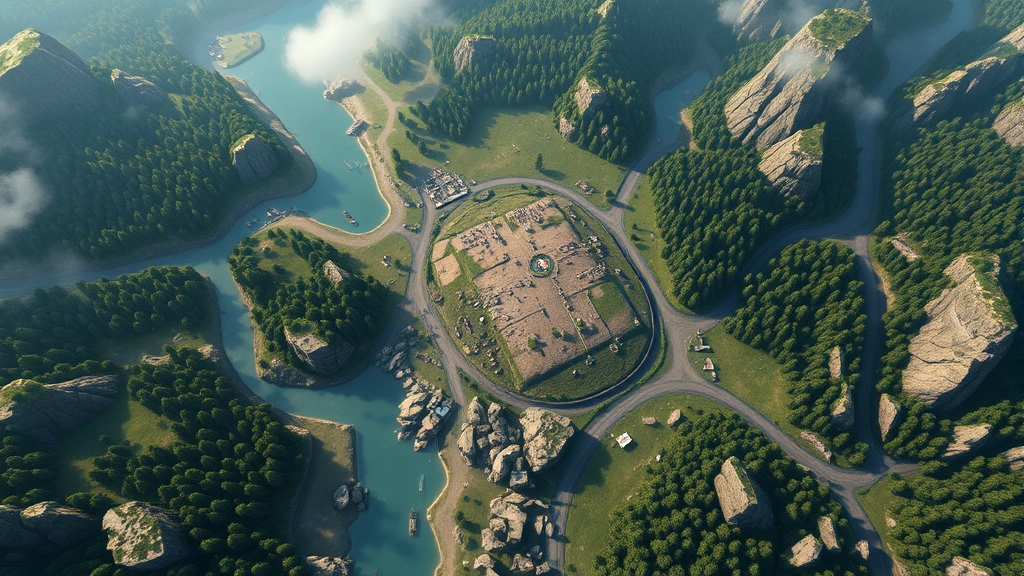
Map awareness is absolutely critical in any Hunger Games game experience. The arena isn’t just a backdrop—it’s a living, breathing entity that can either be your greatest ally or your worst nightmare. Successful players invest time in learning every corner, every hiding spot, and every advantageous position before engaging in combat scenarios.
Start by exploring the perimeter of your designated starting zone. Understanding the terrain around the Cornucopia—the central supply cache—is essential. Most players rush toward it immediately, but experienced gamers know that this often leads to early elimination. Instead, map out secondary resource locations and establish escape routes. The best story games in this genre often reward players who take time to understand environmental storytelling and map design.
Pay attention to natural barriers like water sources, mountains, and forests. These geographic features provide both protection and hunting grounds. Water is particularly important—tributes must drink regularly, making water sources natural ambush points. Position yourself upwind when possible to avoid detection by other players who might be tracking movement patterns.
The arena’s environmental hazards change throughout the games. Tracker jackers, floods, fires, and other obstacles can turn the tide of battle instantly. Learn to recognize danger zones and plan your movement accordingly. Always know your escape routes and backup positions.

Resource Management and Survival Essentials
Survival hinges on smart resource management. Unlike other indie games that focus on exploration, Hunger Games titles demand constant inventory optimization. You can’t carry everything, so prioritize ruthlessly.
Water and food are your primary concerns. Dehydration kills faster than starvation, so locate water sources immediately. Purification becomes critical—drinking contaminated water can lead to illness and reduced combat effectiveness. Edible plants vary by arena, so learning which vegetation is safe separates novices from experts. In most game versions, berries and roots provide quick sustenance, while hunting larger game requires tools and time.
Weapons deserve careful consideration. A sword might seem powerful, but it’s useless if you lack the strength or skill to wield it effectively. Bows and spears offer versatility—they work at range and close quarters. Throwing weapons provide tactical advantages without requiring melee engagement. Consider your character’s starting strengths when selecting equipment.
Shelter construction or discovery is vital for surviving nights. Exposure reduces health, and exhaustion impacts decision-making during critical moments. Find natural shelter like caves or construct basic protection using available materials. Elevation provides both defense and visibility advantages.
Medical supplies deserve special attention. Bandages, medicine, and antidotes separate life from death in clutch moments. If you’re injured early, prioritize healing over aggressive gameplay. A healthy tribute playing defensively beats an aggressive but wounded competitor every time.
Combat Strategies and Tribute Encounters
Combat in Hunger Games games isn’t about button-mashing—it’s about positioning, timing, and psychological warfare. Understanding your opponent’s capabilities before engaging is half the battle.
The Career tributes—those trained from childhood—dominate early confrontations. Avoid direct combat with them during initial encounters. Instead, use terrain advantages, environmental hazards, and patience to outlast them. They’re trained for straightforward combat, not survival in harsh conditions.
When combat becomes unavoidable, use the environment. Fight near cliffs, water, or obstacles that create advantages for agile fighters. If you’re physically weaker, rely on technique and positioning. Circle your opponent, attack from unexpected angles, and retreat when necessary. Honor means nothing in the games—survival is everything.
Ranged combat offers significant advantages. If you’re skilled with a bow, maintain distance from melee fighters. However, ammunition is limited, so every shot counts. Spears provide middle-ground versatility. Practice your chosen weapon extensively before relying on it in critical situations.
Understanding opponent AI patterns (in single-player modes) or reading player tendencies (in multiplayer) is crucial. Do they charge recklessly? Do they retreat when injured? Do they favor high ground? Adapt your strategy accordingly. Patience often defeats aggression.
Never engage multiple opponents simultaneously unless absolutely necessary. Create situations where you face enemies one-at-a-time. Use the arena’s layout to isolate and eliminate threats individually.
Alliance Building and Social Dynamics
Alliances are double-edged swords in Hunger Games scenarios. They provide safety in numbers but guarantee eventual betrayal. Strategic players use alliances tactically rather than emotionally.
Early in the games, forming alliances with non-threatening tributes provides mutual protection. Choose partners based on complementary skills—a strong fighter paired with a resourceful gatherer creates balance. Avoid Career tributes unless you’re genuinely confident in your abilities.
Communication is vital within alliances. Establish clear roles and expectations. Who hunts? Who gathers? Who scouts? Clear division prevents conflict and maximizes efficiency. Trust is earned through consistent behavior, not promises.
Know when to dissolve alliances. As numbers dwindle, alliances become liabilities. The final stages require ruthless decision-making. Don’t hesitate to eliminate former allies when necessary. The game rewards the last tribute standing, not the most loyal player.
Information gathering through alliances provides strategic advantages. Learn about other tributes’ locations, supplies, and weaknesses. Use this intelligence to plan eliminations. Sometimes the most valuable alliance member is one who reports enemy movements.
If you prefer solo gameplay, establish early dominance. Eliminate weak tributes quickly and establish yourself as a formidable threat. Other tributes will avoid you, granting freedom to gather resources unmolested. This approach requires confidence and combat skill but eliminates alliance betrayal risks.
Advanced Survival Tactics
Expert players employ sophisticated strategies that separate champions from casualties. These advanced techniques require practice and deep game knowledge.
Thermal management: Temperature fluctuations kill tributes in advanced arenas. Manage body heat through clothing, shelter positioning, and fire management. Fires provide warmth but risk detection. Balance comfort against safety.
Tracking and counter-tracking: Learn to identify other tributes through subtle signs—disturbed vegetation, animal behavior changes, smoke patterns. Simultaneously, cover your tracks meticulously. Move at night, avoid predictable routes, and use water to obscure trails.
Psychological warfare: Leave false signs suggesting your location elsewhere. Create dummy camps. Use sound strategically—let enemies hear you moving away while you remain stationary. Mental pressure often defeats physical superiority.
Arena mutation mastery: Understand how the gamemakers manipulate the arena. Tracker jackers nest in specific locations. Poisoned water sources follow patterns. Fires spread predictably. Use this knowledge to predict environmental hazards and position accordingly.
Supply cache tactics: Secondary airdrops contain valuable items but attract desperate tributes. Monitor drop locations. Sometimes the best strategy is letting others fight over supplies while you maintain distance, then scavenging the aftermath.
Endgame positioning: As tribute numbers dwindle, the arena shrinks. Position yourself at the shrinking zone’s edge, forcing remaining opponents into your territory. Control the final battlefield through superior positioning and preparation.
Psychological Gameplay and Decision Making
Hunger Games titles excel at forcing difficult moral choices. These decisions impact your character’s development and available resources. Understanding the psychological layer separates casual players from dedicated competitors.
Mercy kills present constant dilemmas. Eliminating suffering tributes quickly prevents prolonged agony but confirms your killer status. Some games reward compassion through hidden mechanics, while others punish hesitation. Learn how your specific game rewards moral choices.
Resource sharing creates interesting dynamics. Giving supplies to weaker tributes builds goodwill but reduces your advantages. Strategic generosity creates allies; excessive hoarding breeds resentment. Balance selfishness with calculated kindness.
The sponsorship system (in games featuring it) rewards compelling narratives. Tributes who demonstrate courage, skill, or emotional depth attract sponsor support. Play to the cameras. Perform dramatic moments. Create memorable moments that translate to resource packages.
Desperation changes behavior. As time passes, desperate tributes make reckless decisions. Patient players exploit this by remaining calm and methodical while others panic. Emotional control directly impacts survival rates.
Understanding character motivations—both your own and opponents’—provides tactical advantages. Revenge-driven tributes pursue grudges recklessly. Protective tributes prioritize certain individuals. Ambitious tributes seek glory. Predict behavior based on character archetypes.
For deeper narrative exploration, check out our guide on best co-op games on Steam to understand how multiplayer survival games create compelling social dynamics.
FAQ
What’s the best starting strategy in Hunger Games games?
The optimal opening strategy depends on your character’s strengths. Combat-focused tributes should gather supplies quickly and establish dominance. Resource-oriented characters should move away from the Cornucopia, find water and shelter, then play defensively. Avoid early confrontations unless you’re confident in your abilities. Most successful players survive the first day through evasion rather than aggression.
How important is the relationship with Prim in Hunger Games narratives?
While Prim doesn’t directly appear in most Hunger Games games, the character’s emotional significance influences tribute motivations and character development. Games exploring the franchise’s narrative depth often reference protecting loved ones as a psychological driver. This emotional context enriches storytelling and decision-making scenarios. Understanding character relationships enhances immersion in story-driven games.
Should I prioritize finding allies or playing solo?
This depends on your playstyle and confidence level. Alliances provide safety and resource sharing but guarantee eventual conflict. Solo play offers freedom and eliminates betrayal risks but requires superior combat skills and resource management. Try both approaches to discover your preferred strategy.
What weapons are most effective in different arena types?
Bows excel in open arenas with clear sightlines. Spears work well in varied terrain. Swords dominate close-quarters combat in forests or caves. Throwing weapons provide versatility. Choose based on arena layout and your character’s skill distribution. Versatility beats specialization in unpredictable environments.
How do I survive the final stages when the arena shrinks?
Position yourself at the shrinking zone’s edge before compression begins. This forces opponents into your prepared territory. Stock supplies in advance. Know all escape routes. Use terrain advantages aggressively. The final confrontation rewards preparation and positioning over raw combat skill.
Are there specific techniques for tracking other tributes?
Yes. Watch for disturbed vegetation, animal behavior changes, and smoke patterns. Learn to identify footprint types. Water-based movement leaves no traces. Move at night to avoid visual detection. Use sound strategically—let enemies hear you moving away while you remain stationary. Patience and observation beat active searching.
How does difficulty affect strategy in different game modes?
Higher difficulties feature more aggressive AI, faster resource depletion, and environmental hazards. Adapt by playing more defensively, prioritizing shelter and supplies over combat. Lower difficulties allow aggressive strategies and early confrontations. Adjust your approach based on difficulty settings and available resources.
What’s the relationship between character attributes and survival chances?
Strength improves melee combat and resource carrying capacity. Agility enhances movement and evasion. Survival skills improve resource gathering and shelter construction. Intelligence boosts strategic planning and trap creation. No single attribute guarantees victory—balanced development works better than specialization.