How to Make Squid Game Cookies: Expert Tips & Recipe Guide
The global phenomenon of Squid Game has captivated millions of viewers worldwide, and one of the most iconic elements from the Netflix series is the hauntingly beautiful dalgona cookies—those delicate, honeycomb-textured treats that became a symbol of childhood innocence within the show’s brutal narrative. If you’ve watched the series and wondered how to recreate these mesmerizing cookies at home, you’re in for a delightful culinary adventure. These aren’t just any cookies; they’re a gateway to understanding Korean confectionery traditions while channeling your inner Squid Game contestant (minus the life-or-death stakes, thankfully).
Making Squid Game cookies is surprisingly achievable for home bakers of all skill levels, though it does require precision, patience, and a steady hand. The magic lies in achieving that perfect golden-brown color, the precise thickness, and the satisfying crunch that makes these treats so memorable. Whether you’re planning a themed party, looking to impress friends with your baking prowess, or simply want to experience a piece of pop culture history through food, this comprehensive guide will walk you through every step of the process with expert tips that professionals use.
What Are Dalgona Cookies?
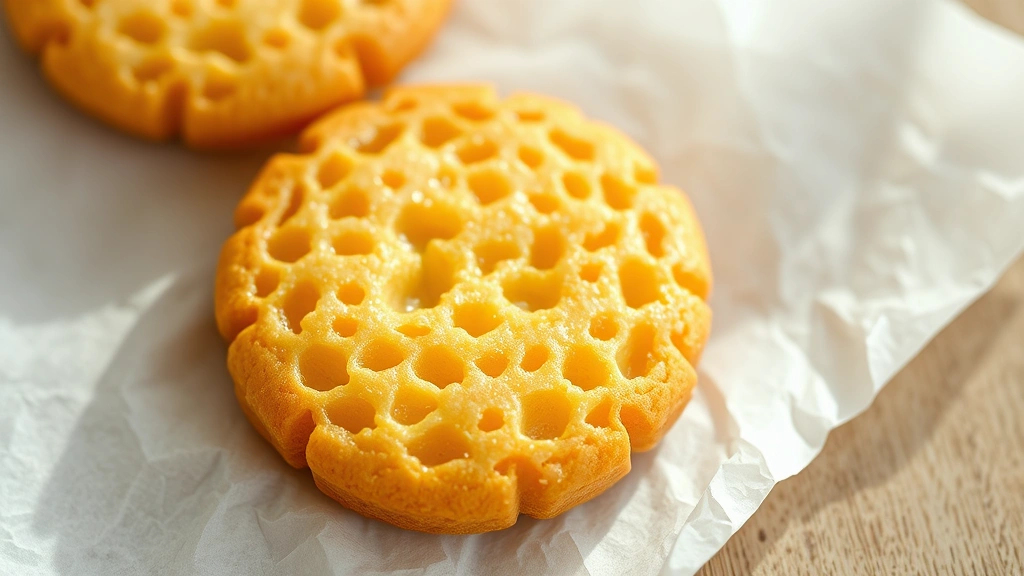
Dalgona, also known as ppopgi in Korean, is a traditional Korean candy that dates back decades, long before Squid Game brought it into mainstream consciousness. The name “dalgona” comes from a candy vendor who sold these treats on the streets of Seoul, and they’ve remained a nostalgic treat for Korean generations. What makes these cookies so special is their unique texture—a combination of crispy, honeycomb-like exterior with an airy, almost foam-like interior that dissolves on your tongue.
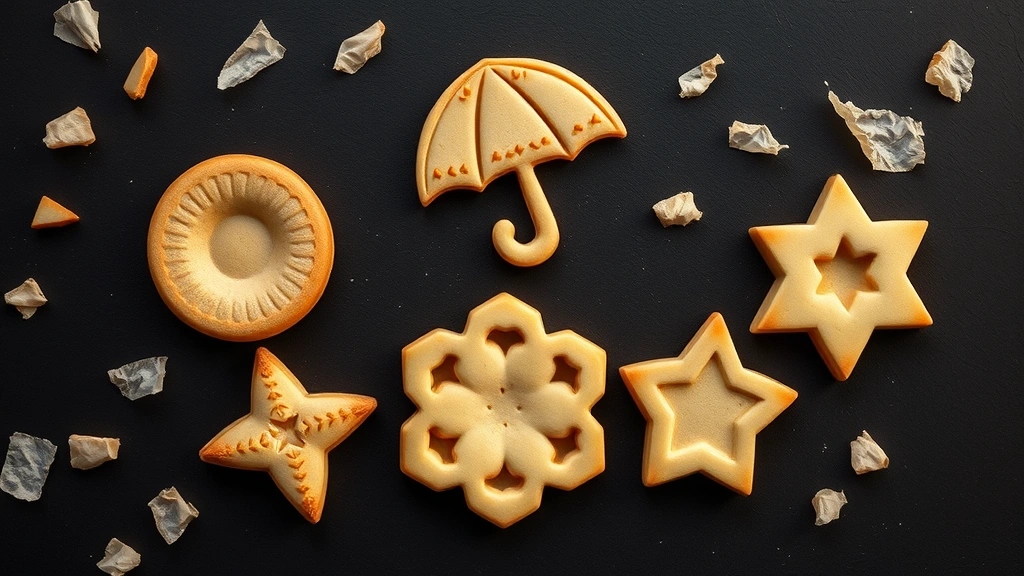
The cookie’s appearance in Squid Game became one of the most emotionally resonant scenes in the series, transforming a simple candy into a symbol of lost innocence and childhood joy within a dystopian narrative. The contestants had to carefully carve out shapes (typically circles, triangles, or umbrellas) without breaking the delicate cookie, mirroring the tension and pressure they faced throughout the games. This cultural moment sparked a global interest in dalgona, with people from every corner of the world attempting to master this Korean delicacy.
What’s fascinating about dalgona is that despite its refined appearance, it’s made from just a few basic ingredients: sugar and baking soda. The transformation from these humble components into something so structurally complex and visually stunning is pure chemistry and technique. Understanding the science behind dalgona will help you appreciate why certain steps matter and why precision is crucial for success.
Ingredients & Equipment You’ll Need
Before you start your dalgona journey, let’s gather everything necessary. The ingredient list is refreshingly short, but the equipment list is equally important because having the right tools makes an enormous difference in your final product.
Ingredients (makes approximately 8-10 cookies):
- 2 tablespoons granulated sugar
- 1 teaspoon baking soda
- Pinch of salt (optional but recommended)
- Water (just a few drops)
That’s genuinely all you need for the basic dalgona recipe. The simplicity is deceptive—the real challenge lies in the technique and timing rather than ingredient complexity.
Essential Equipment:
- Heavy-bottomed saucepan or small pot – Prevents burning and ensures even heat distribution
- Candy/instant-read thermometer – Crucial for monitoring temperature; aim for 320-350°F (160-175°C)
- Wooden spoon or silicone spatula – For stirring without introducing air bubbles prematurely
- Parchment paper – Non-stick surface for cooling cookies
- Needle or toothpick – For carving shapes while the cookie is still warm
- Butter or oil – To grease your spoon and tools
- Cooling surface – Marble slab, baking sheet, or ceramic tile works well
Many home bakers skip the thermometer and regret it—temperature control is absolutely fundamental to dalgona success. A thermometer takes the guesswork out of the process and dramatically improves your success rate. Consider investing in a reliable one if you don’t already own one.
Step-by-Step Recipe Guide
Now let’s dive into the actual process of making your Squid Game cookies. This detailed walkthrough will help you navigate each critical moment.
Step 1: Prepare Your Workspace
Before you add heat to your ingredients, set up everything you’ll need within arm’s reach. Place your parchment paper on a flat surface, have your needle or carving tool ready, and prepare a small bowl of water to dip your spoon in. This preparation phase prevents panicked scrambling once the sugar starts caramelizing. Temperature changes happen quickly, and you won’t have time to hunt for tools mid-process.
Step 2: Combine Dry Ingredients
In a small bowl, mix your baking soda with a pinch of salt. The baking soda will be added later, not at the beginning—this is a common mistake. For now, just have it measured and ready. Some bakers prefer sifting the baking soda to remove any lumps, which ensures a more uniform texture in your final cookie.
Step 3: Heat the Sugar
Pour your sugar into the saucepan and place it over medium heat. Do not stir during the initial heating phase—this is critical. Stirring can cause crystallization, which ruins the entire batch. Instead, occasionally swirl the pan gently to distribute heat evenly. The sugar will gradually melt from the edges toward the center, creating a beautiful amber color. Watch your thermometer closely as it approaches 320°F (160°C). At this temperature, you’ll have a light amber color—perfect for dalgona. If you reach 350°F (175°C), you’re getting into darker territory, which is still usable but more prone to bitterness.
Step 4: Add Baking Soda
Once your sugar reaches the target temperature, remove the pan from heat immediately. Add your baking soda all at once—this is where the magic happens. The baking soda reacts with the hot sugar, creating carbon dioxide bubbles that transform the mixture into a foamy, voluminous mass. Stir vigorously but carefully; the mixture will expand significantly. Some bakers add just a tiny drop of water here to help the reaction, but use restraint—too much liquid ruins the texture. Stir until the mixture becomes pale and foamy, which typically takes 20-30 seconds of continuous stirring.
Step 5: Shape Your Cookie
Working quickly (the mixture hardens as it cools), use a buttered spoon to scoop a portion of the foamy mixture onto your prepared parchment paper. You have roughly 30-60 seconds before it becomes too difficult to work with. Shape it into a rough patty about 1/4-inch thick. The thickness is important—too thin and it shatters, too thick and it won’t carve cleanly.
Step 6: Carve Your Design
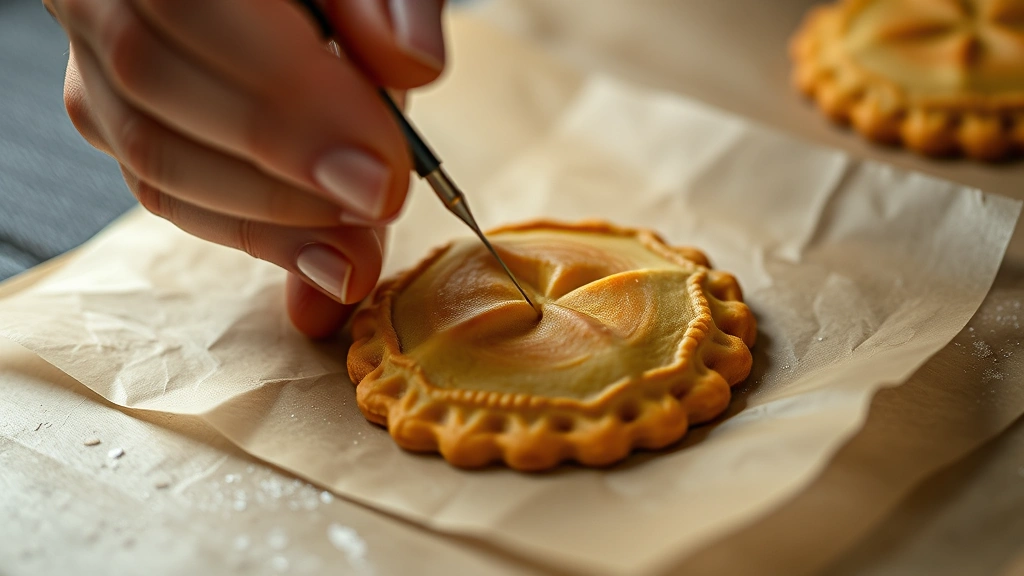
Before the cookie fully hardens, use your needle or carving tool to etch your desired shape. In Squid Game, contestants carved circles, triangles, and umbrella shapes. The key is working while the cookie is still slightly warm and pliable but firm enough to hold shape. This window is typically 30-90 seconds. If you wait too long, the cookie becomes impossible to carve; if you’re too quick, it’s too soft and crumbles. Gentle pressure is essential—you’re carving, not stabbing.
Step 7: Cool Completely
Let your finished cookies cool at room temperature for at least 30 minutes. Resist the urge to move them or test their firmness too early. They’ll harden considerably as they cool, developing that signature crunch. Once completely cooled, they should snap cleanly when bent.
Expert Tips for Perfect Results
Temperature Precision
This cannot be overstated: temperature is everything. A thermometer eliminates guesswork and dramatically improves consistency. Different stoves heat differently, so relying on color alone can be unreliable. Invest in a quality candy thermometer—it’s the single best tool for success.
Sugar Quality Matters
Use granulated white sugar for the most predictable results. Brown sugar contains molasses, which affects caramelization and flavor. Some bakers add a tiny pinch of cream of tartar to prevent crystallization, though it’s optional with proper technique.
Humidity Considerations
Make dalgona on dry days rather than humid ones. Moisture in the air can affect how the cookies set and their final texture. If you live in a humid climate, consider making these on air-conditioned days or using a dehumidifier in your kitchen.
Butter Your Tools
Before scooping the foamy mixture, butter your spoon generously. This prevents the hot mixture from sticking and makes shaping significantly easier. Refresh the butter between each cookie if needed.
Carving Technique
Use a gentle sawing motion rather than jabbing when carving. A very fine needle works better than a thick toothpick. If the cookie starts cracking, you’ve either waited too long or applied too much pressure. The goal is a clean line, not a deep gouge.
Batch Timing
Make one cookie at a time rather than trying to shape multiple portions simultaneously. The mixture hardens quickly, and attempting batch production often results in failure. Patience is your ally here.
Advanced Techniques for Competition-Level Results
If you’re aiming for restaurant-quality or competition-level dalgona, consider these advanced approaches. Professional pastry chefs often use a few tricks that separate good cookies from exceptional ones.
Temperature Gradient Method
Some experts use a two-stage heating process: bringing sugar to 320°F, removing it from heat for 30 seconds to stabilize, then adding baking soda. This creates a more uniform bubble structure and more consistent texture. The brief pause allows the sugar to stop cooking and reach thermal equilibrium.
Silicone Molds
Instead of free-hand shaping, you can press the foamy mixture into silicone molds or stencils. This ensures uniform thickness and shape, particularly helpful if you’re making these for themed gaming events where consistency matters aesthetically.
Vacuum Sealing
Professional confectioners sometimes use vacuum chambers to create more uniform bubble sizes, resulting in a finer, more delicate crumb structure. While not necessary for home baking, it explains why professional versions often have superior texture.
Common Problems & Solutions
Problem: Cookies are too hard and brittle, shattering when carved
Solution: Your sugar likely reached too high a temperature. Aim for exactly 320-330°F next time. Darker caramel (350°F+) becomes more brittle. Also, ensure you’re not waiting too long before carving—the window is narrow.
Problem: Mixture won’t expand when baking soda is added
Solution: Several possibilities: your sugar didn’t reach hot enough temperature, your baking soda is old and lost potency (baking soda degrades over time), or you added water when you shouldn’t have. Use fresh baking soda and ensure your thermometer is accurate.
Problem: Cookies are too soft and don’t hold shape
Solution: You’re removing them from heat too early—aim for at least 320°F. The chemical reaction between sugar and baking soda requires sufficient heat to create proper structure. Also, ensure your cooling surface is truly at room temperature, not warm.
Problem: Uneven browning or burnt spots
Solution: Use medium heat rather than high heat, and avoid stirring excessively. A heavy-bottomed pan distributes heat more evenly than thin pans. If using a gas stove, consider using a heat diffuser.
Problem: Can’t carve the design without cracking
Solution: You’re either working too late (cookie is too hard) or too early (cookie is too soft). The sweet spot is when the cookie is firm but still slightly warm and pliable—usually 30-60 seconds after shaping. A very fine needle works better than a thick tool.
Problem: Sticky residue on finished cookies
Solution: This is caramelized sugar that wasn’t fully incorporated. Stir more vigorously when adding baking soda to ensure complete mixing. Also, ensure your cooling surface is completely clean before placing cookies on it.
Serving & Storage Guide
Once you’ve successfully created your dalgona masterpieces, proper storage ensures they maintain their delightful crunch and flavor.
Storage Methods
- Airtight Container: Store in an airtight container with parchment paper between layers. They’ll maintain quality for 3-5 days at room temperature.
- Silica Gel Packets: Include food-grade silica gel packets to absorb any ambient moisture, particularly important in humid climates.
- Refrigerator: While not necessary, refrigerating in an airtight container extends shelf life to 1-2 weeks. Let them come to room temperature before serving for optimal texture.
- Freezer: For longer storage (up to 1 month), freeze in airtight containers. Thaw at room temperature before serving.
Serving Suggestions
Serve dalgona with hot beverages like coffee, tea, or hot chocolate—the contrast between the crispy, sweet cookie and warm drinks is delightful. Many people enjoy them as an after-dinner treat or as part of a themed gaming event inspired by Squid Game. For parties, arrange them on a platter with the carved designs facing up to showcase the artistry.
Presentation Tips
Display your finished cookies on a dark surface to highlight their golden-brown color. If you’re making these for a Squid Game-themed gathering, consider arranging them with traditional Korean side dishes for an immersive experience. Some bakers dust them lightly with powdered sugar or edible gold leaf for extra elegance, though this is entirely optional.
Creative Flavor Variations
Once you’ve mastered the basic dalgona recipe, experiment with these delicious variations inspired by modern confectionery trends.
Honey Dalgona
Replace 1 tablespoon of sugar with honey. This adds subtle floral notes and slightly increases chewiness. The flavor profile becomes more complex and sophisticated.
Matcha Green Tea
Add 1/2 teaspoon of matcha powder to the sugar before heating. This creates a beautiful green-hued cookie with earthy, slightly bitter notes that pair wonderfully with sweetness. Perfect for fans of Japanese-inspired confections.
Espresso
Dissolve 1/2 teaspoon of instant espresso powder in a single drop of water, then add to the caramelized sugar just before the baking soda. This creates a sophisticated coffee-flavored treat that appeals to adult palates.
Salted Caramel
Add a generous pinch of fleur de sel or Maldon salt to the caramelized sugar just before adding baking soda. The salt amplifies the caramel flavor and creates an addictive sweet-salty balance.
Brown Butter
Add 1/4 teaspoon of browned butter (cooled) to the caramelized sugar. This introduces nutty, toasted notes that elevate the basic recipe significantly. Brown your butter separately, cool it completely, then add sparingly.
Cardamom & Rose
A nod to traditional Middle Eastern flavors: add a pinch of ground cardamom and one drop of rose water to the caramelized sugar. This creates an exotic, aromatic variation that’s utterly unique.
FAQ
Can I make dalgona without a candy thermometer?
While possible, it’s not recommended. Without a thermometer, you’re relying on color and intuition, which leads to inconsistent results. If you must proceed without one, look for a light amber color and work very quickly, but understand your success rate will be lower. The investment in a thermometer is worthwhile.
Why did my baking soda not react with the sugar?
Several reasons: your sugar wasn’t hot enough (needs minimum 320°F), your baking soda is expired or old, you added water prematurely, or you removed the pan from heat too early. Use fresh baking soda and ensure your thermometer is accurate.
Can I use brown sugar instead of white sugar?
Brown sugar contains molasses, which affects caramelization temperature and flavor. While technically possible, it won’t produce traditional dalgona. Stick with granulated white sugar for authentic results.
How long does it take to make dalgona cookies?
Approximately 10-15 minutes of active work per batch, plus 30+ minutes cooling time. The actual cooking takes only 3-5 minutes; most time is spent in preparation and cooling.
Is dalgona safe to make with children?
Not recommended for very young children due to the high temperatures involved (320°F sugar can cause serious burns). Older children (10+) can participate under close supervision, particularly during the cooling phase. Always prioritize safety.
Why do my cookies crack when cooling?
Thermal shock—moving them too quickly from warm to cool environments, or placing them on a cold surface. Let them cool gradually at room temperature on a neutral surface. Avoid air conditioning drafts or fans that create temperature gradients.
Can I make dalgona in advance for an event?
Yes! Make them 2-3 days ahead and store in airtight containers. They maintain quality and crunchiness well when properly stored. This actually reduces stress on event day, allowing you to focus on presentation and hosting.
What’s the best way to eat dalgona cookies?
Many people enjoy carefully breaking them into pieces and savoring each bite, mirroring the tension from Squid Game. Others simply crunch them whole. There’s no wrong way—it’s about the experience and enjoyment.
Can I double or triple the recipe?
Yes, but make batches sequentially rather than cooking a massive amount of sugar at once. Larger volumes heat less evenly and are harder to work with. You’ll have better control and more consistent results making individual batches.
What external resources can help me master dalgona?
Check out IGN’s entertainment section for Squid Game recaps and cultural context, or explore GameSpot’s pop culture coverage for more information about the show’s impact. For Korean confectionery techniques, Netflix’s official Squid Game page sometimes features behind-the-scenes content about props and food design. Additionally, culinary websites and YouTube channels dedicated to Korean cooking offer visual demonstrations that complement written instructions.
Are there any vegan or dietary-restricted versions?
The basic dalgona recipe is naturally vegan (just sugar and baking soda). However, if you’re avoiding refined sugar, it’s challenging to replicate—the specific caramelization and chemical reactions depend on white sugar’s properties. Gluten-free bakers will find dalgona naturally gluten-free, as it contains no flour.
Making Squid Game cookies is more than just following a recipe—it’s engaging with a cultural phenomenon that captured global imagination. Whether you’re creating these for a gaming-themed party or simply exploring Korean confectionery traditions, the process itself becomes memorable. With these expert tips, detailed instructions, and troubleshooting guidance, you’re equipped to create stunning dalgona cookies that rival professional versions. The key is patience, precision with temperature, and respecting the delicate timing windows. Happy baking, and may your carving be steady and your cookies perfectly crispy!