

Mastering Spoons: Expert Tips & Tricks for Winning Every Round
Spoons is one of the most exhilarating and fast-paced card games that brings players together for intense, action-packed gameplay. Whether you’re hosting a casual game night with friends or competing in a serious tournament, mastering the mechanics and strategies of Spoons will elevate your game to championship level. This classic game combines quick thinking, sharp reflexes, and strategic card play into an unforgettable experience that keeps players coming back for more.
The beauty of Spoons lies in its simplicity mixed with explosive excitement. Unlike complex digital gaming experiences you might find in our best co-op games guide, Spoons requires minimal setup but maximum engagement. In this comprehensive guide, we’ll explore everything from fundamental rules to advanced strategies that will transform you into a Spoons master, ensuring you’re always the last player holding a spoon and claiming victory.
Understanding the Basics of Spoons
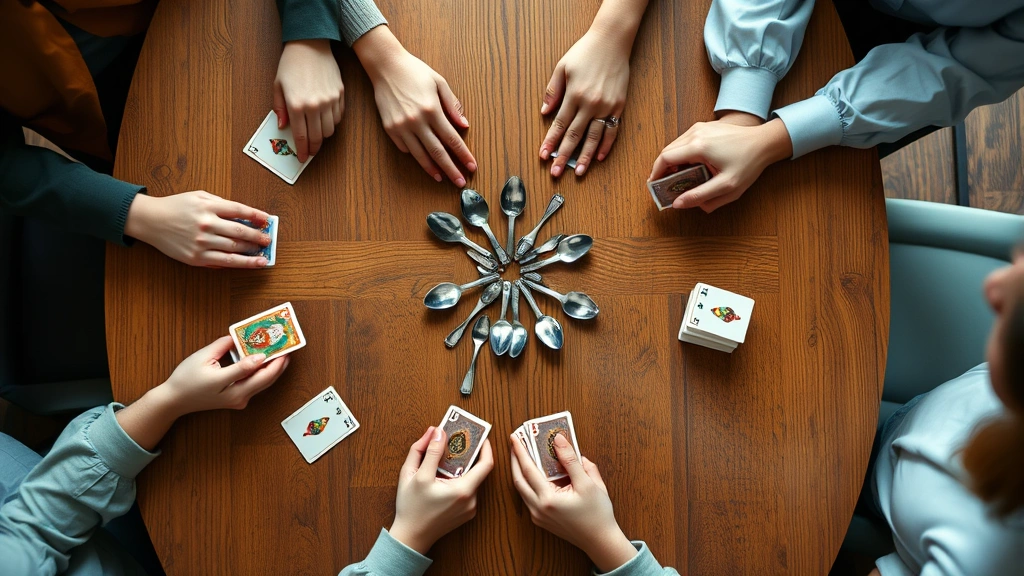
Spoons is a dynamic card game that combines elements of traditional card games with physical speed and reflexes. The game’s core objective is straightforward: be the player who successfully collects a matching set of four cards before your opponents and grabs a spoon from the center of the table. The player left without a spoon receives a strike, and accumulating three strikes means elimination from the game.
The game typically involves four or more players, though the classic version works best with three to eight participants. You’ll need a standard deck of playing cards and a set of spoons—one fewer spoon than the number of active players. This setup creates the tension that makes Spoons so thrilling. Every player must remain alert throughout the entire game, watching for opportunities to complete their hand while simultaneously monitoring when others might be close to victory.
What makes Spoons particularly engaging compared to other games is the integration of physical action with strategic card play. Unlike sitting through lengthy board game sessions, Spoons maintains constant momentum. Players are actively engaged every single turn, making quick decisions about which cards to keep and which to pass along. This continuous action creates an adrenaline-fueled experience that keeps everyone invested until the final round.

Essential Rules and Game Setup
Before diving into advanced strategies, you must have a crystal-clear understanding of the fundamental rules. Proper setup is crucial for fair and enjoyable gameplay. Start by designating a dealer who will distribute four cards to each player, dealing one at a time in clockwise rotation. The remaining deck goes in the center, accessible to all players.
The dealing process is fundamental to understanding how the game flows. Each player receives exactly four cards in their hand. Once everyone has their cards, the game begins immediately—the dealer draws a card from the deck and passes it to their left neighbor. This card is then looked at and either kept (if useful) or passed along to the next player. The key rule here is that players must always maintain exactly four cards in their hand at all times.
The passing sequence continues in one direction around the table, maintaining a steady rhythm. Players must pass a card to their neighbor within a reasonable timeframe—typically one to two seconds. This creates the pace that makes Spoons so exciting. When a player collects four cards of the same rank (four Aces, four Kings, etc.), they immediately grab a spoon from the center without announcing anything. This silent grab is intentional; it keeps other players guessing about who’s close to winning.
Once a spoon is grabbed, all other players have one final chance to grab the remaining spoons. The player left without a spoon receives a strike (often tracked with letters spelling “SPOON” or simply counting to three). Once a player receives three strikes, they’re eliminated. The game continues with one fewer spoon and one fewer player until only the victor remains.
Fundamental Strategies for Beginners
New players often make the mistake of overthinking every card decision. The most important foundational strategy is to focus on building one hand quickly rather than keeping scattered cards of multiple ranks. If you have two Kings and a Queen, for example, focus on collecting the remaining two Kings rather than hoping for a different combination. This focused approach dramatically increases your chances of completing a set before opponents.
Another critical beginner strategy involves paying attention to what others are passing. When a player consistently passes cards of a particular rank, they’re likely building a hand with a different rank. This information is invaluable. If you notice someone passing all their Hearts, they might be collecting Diamonds or Clubs. Use this intelligence to anticipate when someone might be close to victory and prepare to grab a spoon quickly.
Beginners should also understand the importance of card positioning in your hand. Keep your four cards organized by rank so you can instantly recognize when you’ve completed a set. Some players arrange their cards in order or group them visually. When you’re ready to grab a spoon, you don’t want to waste precious milliseconds fumbling through your hand to confirm you actually have four matching cards.
Passing speed is another fundamental skill. Develop a smooth, consistent passing rhythm. Quick passes can sometimes throw off opponents’ concentration and make them doubt whether someone has a winning hand. However, erratic passing patterns can also give away that you’re nervous about your own hand. Finding the right balance takes practice but is worth developing early.
Advanced Techniques for Experienced Players
Once you’ve mastered the basics, advanced techniques separate casual players from true Spoons champions. Deceptive passing patterns become crucial at higher levels of play. Experienced players intentionally vary their passing speed and behavior to mislead opponents about their hand strength. You might pass cards quickly when you’re actually close to winning, or pass slowly when you’re nowhere near victory. This psychological manipulation can cause opponents to grab spoons prematurely or miss opportunities.
Another advanced technique involves strategic card retention. Sometimes holding onto a card that doesn’t fit your primary hand can block opponents from completing their sets. If you notice someone consistently passing Kings, keeping a King in your hand—even though you’re building Aces—can disrupt their strategy. This advanced play requires careful observation and willingness to sacrifice personal progress for tactical advantage.
Understanding probability and card distribution becomes important at competitive levels. With multiple players passing cards simultaneously, you need to mentally track which cards are likely still in circulation. If three Aces have already been grabbed by you and you’ve seen two others passed around, only one Ace remains in the deck. This knowledge helps you decide whether continuing to pursue Aces is realistic or whether you should pivot to a different rank.
Expert players also master the art of controlled aggression. Knowing exactly when to make your move is critical. Some situations call for patience—waiting for the perfect moment when you’re certain no one else is close. Other moments demand decisive action—grabbing a spoon the instant you complete your hand, even if you’re not 100% certain someone else isn’t also completing theirs. Reading the table’s energy and momentum helps determine which approach suits each situation.
Reading Your Opponents and Psychology
Spoons is as much a game of psychology as it is card mechanics. Observing physical tells provides crucial information about your opponents’ hands. Someone who suddenly sits up straighter or leans forward might be close to victory. Players who become noticeably tense often have strong hands. Conversely, relaxed body language typically indicates someone is struggling to build a viable hand. These subtle cues, developed through watching many games, give experienced players significant advantages.
The speed at which players grab spoons reveals patterns worth noting. Some players grab immediately upon completing a hand, while others hesitate slightly. Understanding each opponent’s personal style helps you anticipate their moves. If you know one player always grabs instantly while another waits a moment, you can adjust your own strategy accordingly. This information becomes invaluable in close situations where multiple players might be close to completing their hands simultaneously.
Verbal and vocal cues also matter tremendously. The sounds players make—sighs of frustration, sharp intakes of breath, satisfied exhales—often correlate with hand strength. Some players unconsciously vocalize when they’re close to winning. Tuning into these audio signals, combined with visual observation, creates a comprehensive read of the table that separates amateur players from seasoned competitors.
Managing your own tells is equally important. Skilled opponents are watching you just as intently. Develop a consistent, neutral demeanor regardless of your hand strength. Don’t let excitement leak through when you’re building a strong hand, and don’t show frustration when you’re struggling. The best players maintain an almost poker-like composure, keeping their cards hidden and their emotions neutral until the moment they strike for a spoon.
Common Mistakes to Avoid
Even experienced players fall into predictable traps that cost them games. One of the most common mistakes is abandoning a nearly-complete hand too quickly. Players often panic when they see someone reaching for a spoon and pivot to a completely different rank. In many cases, they were just one card away from victory. Develop confidence in your hand choices and commit to them unless absolutely clear evidence suggests pivoting is necessary.
Another frequent error involves neglecting to watch the discard pile or passed cards. Some players focus exclusively on their own hand, missing valuable information about what cards are circulating. The best players maintain constant awareness of the entire table’s activity. This broader perspective reveals patterns that isolated focus misses entirely.
Inconsistent passing rhythm is a mistake that telegraphs your hand strength to observant opponents. Varying your passing speed too dramatically makes you predictable. Establish a comfortable, consistent pace and maintain it regardless of your hand situation. This consistency prevents opponents from gaining intelligence about your cards.
Players also frequently make the mistake of grabbing spoons too eagerly. Reaching for a spoon when you’re not absolutely certain you have four matching cards can result in embarrassment and loss of credibility. Even worse, it might prevent you from grabbing an actual spoon when you legitimately win. Always be completely certain before making your move.
A subtle but costly mistake is ignoring position at the table. Your position relative to other players affects which cards you receive and pass. Players to your right will be passing cards before you, so their passing patterns are more predictive of what you’ll receive. Understanding positional advantage helps you make better strategic decisions about which hands to pursue.
Tournament Play and Competitive Spoons
If you’re interested in competitive play, understanding tournament formats elevates your game significantly. Most tournaments use a round-robin or elimination format where players compete in multiple rounds, with winners advancing. Tournament rules typically enforce stricter standards than casual play, including mandatory consistent passing speeds and explicit bans on certain psychological tactics.
Competitive Spoons requires exceptional consistency. You must perform well across multiple rounds, often playing against different opponents with varying styles. Developing adaptability—the ability to adjust your strategy based on each opponent’s tendencies—becomes crucial. Some opponents respond well to aggressive play, while others require a more conservative approach.
Mental stamina is often underestimated in competitive Spoons. Playing multiple intense rounds in succession requires focus and energy management. Taking breaks between rounds, staying hydrated, and maintaining positive mental attitude all contribute to sustained performance. The best tournament players treat the competition seriously, approaching it with the same preparation mindset as professional gamers preparing for esports events.
Tournament organizers often implement house rules to maintain fairness and prevent excessive chaos. These might include regulations about spoon grabbing technique, rules about verbal communication, or standards for card passing. Familiarizing yourself with specific tournament rules before competing prevents costly violations and ensures you’re playing by the same standards as your opponents.
If you’re looking to develop your competitive gaming skills across multiple disciplines, check out our GameForge Daily Blog for insights into competitive gaming culture and strategies. You might also enjoy exploring indie games for PC that feature competitive multiplayer elements similar to Spoons’ fast-paced intensity.
FAQ
What’s the minimum number of players needed for Spoons?
While Spoons technically works with three players, the game shines with four to eight participants. With three players, the game moves very quickly and eliminates players rapidly. With more than eight players, passing becomes cumbersome and the game loses momentum. The sweet spot is typically five to six players, creating exciting competition without excessive complexity.
Can you play Spoons with multiple decks?
Yes, using multiple decks allows you to play with larger groups. With two standard decks, you can accommodate up to sixteen players comfortably. The core rules remain unchanged; you’re simply using more cards to ensure sufficient card distribution. Some tournament formats specifically require multiple decks for large-scale competitions.
What happens if two players grab spoons simultaneously?
This is a judgment call that should be established before gameplay begins. Most casual games award the spoon to whoever grabs it first, even if it’s by milliseconds. Some groups use a “closest to the spoon” rule where the player physically nearest gets priority. Tournament play typically has explicit rules addressing this scenario. Establish your group’s standard before starting to avoid disputes.
Is there a strategy for the dealer in Spoons?
The dealer has a slight advantage because they control the initial card distribution and often have slightly better information about remaining deck composition. However, this advantage is minimal compared to luck and player skill. Rotating the dealer role between rounds ensures fairness.
How can I practice to improve my Spoons game?
Play frequently against diverse opponents to develop adaptability. Record yourself playing and analyze your decision-making patterns. Study how experienced players handle similar situations. Practice maintaining consistent passing rhythm and neutral body language. Like any competitive skill, improvement comes through deliberate practice and thoughtful reflection on your performance.
Are there variations of Spoons I should know about?
Yes, numerous variations exist. Some versions use different winning conditions (collecting cards in sequence rather than matching ranks). Others implement bonus spoons for particularly skilled plays. Some groups play “Spoons Plus” which incorporates elements from other card games. Exploring variations keeps the game fresh and prevents staleness from repetitive play.
What makes professional Spoons different from casual play?
Professional Spoons emphasizes consistency, rule enforcement, and mental discipline. Tournament play eliminates house rules variations, uses standardized equipment, and enforces strict behavioral standards. Competitors prepare extensively, study opponent tendencies, and approach the game with serious competitive intent similar to serious gamers exploring cloud gaming technologies for competitive advantages.

