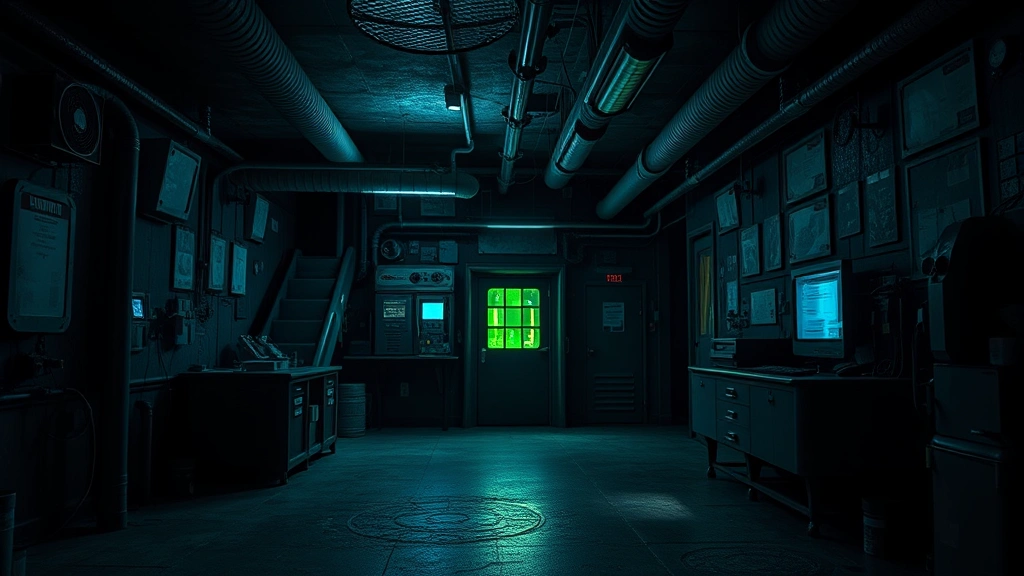
Top Indie Horror Games: Expert Recommendations for Spine-Tingling Scares
The indie horror game scene has exploded over the past decade, delivering some of the most terrifying and innovative experiences in gaming. While major AAA studios focus on blockbuster titles, independent developers have carved out a niche where creativity thrives and genuine scares flourish. From psychological horrors that mess with your mind to atmospheric nightmares that haunt your dreams, indie horror games offer something that big-budget productions often miss: authentic terror born from passion and limited resources.
What makes indie horror so special is the willingness to experiment. These developers aren’t bound by corporate focus groups or shareholder demands. They can take risks, push boundaries, and create experiences that feel fresh and unpredictable. Whether you’re a seasoned horror veteran or someone just dipping their toes into the genre, this expert guide will introduce you to the absolute best indie horror games that deserve your attention and your sleepless nights.
Before diving into our recommendations, if you’re looking to play these games, you might want to check out our guide on best indie games for PC to optimize your gaming experience. And if you need the right hardware to run these atmospheric nightmares, our gaming PC build guide has you covered.
Defining Indie Horror Excellence
When we talk about the best indie horror games, we’re looking at titles that excel in several key areas. First, there’s the atmosphere—the ability to create a sense of dread and unease that permeates every moment. Second is originality; the best indie horror games bring something new to the table rather than copying established franchises. Third is emotional impact; whether through jump scares, psychological manipulation, or existential dread, the game should leave you genuinely disturbed.
The indie horror landscape includes everything from free-to-play browser experiences to full-priced indie productions that rival AAA quality. Some games focus on pure survival mechanics, forcing you to stay quiet and hidden from unseen horrors. Others embrace narrative-heavy storytelling where the plot itself becomes the source of terror. Many of the best indie games for PC are horror titles that have gained cult followings and critical acclaim.
What separates truly excellent indie horror from the mediocre is the developer’s understanding of pacing. They know when to terrify you and when to let you breathe. They understand that silence can be more terrifying than constant noise, and that sometimes what you don’t see is scarier than what you do. This psychological approach to game design is where indie developers truly shine.
Psychological Horror Masterpieces
Amnesia: The Dark Descent essentially defined modern indie horror. This 2010 release proved that you didn’t need fancy graphics or a massive budget to terrify millions of players. The game strips away combat entirely—you can’t fight back, only hide and run. This powerlessness creates an overwhelming sense of vulnerability that’s absolutely primal. The story of Daniel exploring a dark castle, uncovering horrifying secrets while pursued by unseen entities, remains a masterclass in psychological horror.
Another psychological horror titan is Outlast, which takes the found-footage aesthetic into interactive territory. Armed only with a camcorder and a desperate need to expose the truth, you navigate an insane asylum filled with grotesque horrors. The game’s reliance on your camera as both tool and crutch creates constant tension—do you record what’s happening, or do you run? The sequels have expanded on this formula, but the original remains the purest expression of the concept.
Soma is a different beast entirely. Rather than relying on jump scares, it builds dread through existential horror. You wake up in an underwater research facility with no memory, discovering that you’re not quite human anymore. The philosophical questions the game raises about consciousness and identity are genuinely unsettling, making it one of the most thought-provoking indie horror games ever created.
For those interested in narrative depth alongside horror, Spec Ops: The Line (while more action-oriented) pioneered the psychological deconstruction approach that influenced countless indie developers. It shows how indie games can tackle mature themes and moral ambiguity in ways that traditional horror sometimes avoids.
Atmospheric Dread and Survival Horror
Subnautica might not seem like a traditional horror game, but venture into the deep ocean trenches and you’ll experience genuine terror. The game’s greatest horror comes from the unknown—you’re exploring an alien ocean, and at any moment, a massive creature could emerge from the darkness and end your run. The thalassophobia this game induces is real and powerful.
Grounded takes the opposite approach, making a backyard into a terrifying wilderness. Shrunk to the size of an ant, you navigate an oversized garden where every insect is a potential threat. The game brilliantly captures how alien our own world looks from a different perspective, and the atmosphere of vulnerability is palpable throughout.
The Forest is a survival horror masterpiece that drops you on a peninsula inhabited by cannibalistic mutants after a plane crash. You must gather resources, build shelter, and uncover the dark secrets of why you’ve been brought to this nightmare. The game’s blend of survival mechanics with genuine horror creates an experience that’s both challenging and terrifying. The dynamic between trying to survive and slowly discovering the truth makes it one of the most compelling indie horror games available.
Don’t Starve, while leaning more toward survival than pure horror, has moments of genuine creepiness. The game’s dark art style and the constant threat of death create an oppressive atmosphere. As you progress and encounter stranger creatures and darker forces, the horror elements become increasingly prominent. It’s horror through isolation and desperation rather than jump scares.
Pixel Art Terror and Retro Scares
Don’t let the cute pixel art fool you—Corpse Party is absolutely brutal. This Japanese indie game uses 16-bit graphics to tell a story of students trapped in a cursed school. The contrast between the innocent-looking visuals and the horrific content creates cognitive dissonance that amplifies the horror. The game’s branching narrative means your choices matter, leading to multiple endings ranging from hopeful to devastatingly tragic.
Yomawari: Night Alone similarly uses charming pixel art to hide deeply unsettling horror. You play as a young girl searching for her sister at night in a Japanese town filled with supernatural entities. The game’s perspective and art style make it feel almost innocent until you encounter the grotesque creatures lurking in the darkness. It’s a perfect example of how indie developers use aesthetic contrast to enhance horror.
The Binding of Isaac might seem like a roguelike dungeon crawler, but beneath the retro aesthetic lies some genuinely disturbing content. The game deals with themes of abuse, religious trauma, and psychological breakdown. While it has a dark sense of humor, the underlying narrative about a boy trapped in his basement fighting manifestations of his mother’s cruelty is deeply unsettling. The best indie games for PC often include this title for good reason.
Narrative-Driven Horror Experiences
What Remains of Edith Finch is a walking simulator that proves horror doesn’t need monsters or jump scares. Instead, it uses environmental storytelling to explore mortality, family trauma, and the weight of inherited pain. Each section reveals another family member’s story, and the cumulative effect is devastating. It’s a different kind of horror—the horror of human existence and inevitable loss.
Kentucky Route Zero similarly uses narrative and atmosphere to create an unsettling experience. This magical realist game about a truck driver’s final delivery route gradually becomes increasingly surreal and haunting. The game never explicitly identifies itself as horror, but the existential dread it creates is undeniable. It’s the kind of indie game that stays with you long after the credits roll.
Oxenfree blends supernatural horror with teenage drama in a way that feels genuine and relatable. The game’s dialogue system is natural and engaging, and the mystery at the heart of the story unfolds naturally through conversation. The horror elements emerge gradually, making the game’s twist all the more impactful. If you want indie horror games that prioritize character development alongside scares, this is essential.
Firewatch uses environmental mystery and isolation to create a slow-burn horror experience. Set in a Wyoming national forest, you play as a fire lookout who discovers something sinister in the surrounding wilderness. The game’s minimalist approach and focus on audio creates an atmosphere that’s more unsettling than many traditional horror games.
Hidden Gems Worth Discovering
SCP: Containment Breach is a free indie game based on the SCP Foundation wiki that absolutely nails atmospheric horror. You’re a D-class personnel in a secret facility containing supernatural entities. The game’s procedural generation means each playthrough is different, and the sense of helplessness as reality breaks down around you is genuinely terrifying. It’s a perfect example of how indie developers can create premium experiences for free.
Cry of Fear is another free gem that shouldn’t be overlooked. This Half-Life mod turned standalone game tells the story of Simon, a young man navigating a dark city filled with horrific creatures. The game features impressive visuals for an indie title and a narrative that explores psychological breakdown in visceral detail.
Layers of Fear deserves more recognition than it receives. This game about a painter descending into madness uses environmental manipulation and surrealism to create horror that’s both beautiful and terrifying. The game’s use of perspective shifts and impossible architecture makes it feel like you’re losing your grip on reality alongside the protagonist.
Bendy and the Ink Machine combines retro cartoon aesthetics with body horror and existential terror. The game’s exploration of a abandoned animation studio where something has gone horribly wrong creates an atmosphere that’s both nostalgic and deeply unsettling. The visual design alone makes it one of the most unique indie horror games on the market.
For those interested in multiplayer experiences, check out our guide on best co-op games on Steam—some indie horror titles support cooperative play, which can amplify both the fun and the fear.
Where to Find These Games
Most indie horror games are available on Steam, which remains the primary platform for indie releases. Steam’s review system and community features make it easy to discover new horror games and read what other players think. Many indie horror titles also appear on itch.io, a platform specifically designed for indie games where developers often offer their work at lower prices or for free.
Console platforms like PlayStation, Xbox, and Nintendo Switch have also become increasingly friendly to indie developers. Many of the games mentioned in this guide are available across multiple platforms, so you can enjoy them however you prefer to play. Epic Games Store frequently offers indie games for free, including horror titles, so it’s worth checking regularly.
If you’re planning to stream or record your playthrough of these terrifying experiences, our guide on how to record gameplay on PC will help you capture all those panic-inducing moments. And if you want to explore more indie titles beyond horror, our GameForge Daily Blog has extensive coverage of the indie gaming scene.
For those interested in understanding how modern gaming technology impacts horror experiences, what is cloud gaming explores how streaming services are making indie horror more accessible to players worldwide.
FAQ
What makes indie horror games different from AAA horror?
Indie horror games often prioritize creativity and innovation over production value. They’re willing to experiment with unconventional scares, unique mechanics, and experimental narratives. Without corporate pressure to appeal to everyone, indie developers can create niche experiences that resonate deeply with players who appreciate genuine, thoughtful horror.
Are indie horror games less polished than AAA titles?
Not necessarily. While some indie games have smaller budgets reflected in their presentation, many indie horror games are exceptionally polished. Games like Amnesia and Outlast prove that indie developers can create experiences that match or exceed AAA quality in many respects. The difference is in priorities—indie games often invest more in atmosphere and gameplay than graphical fidelity.
Which indie horror game is best for beginners?
If you’re new to horror games, start with something like Oxenfree or What Remains of Edith Finch. These games focus on narrative and atmosphere rather than intense jump scares or overwhelming difficulty. They’ll ease you into the genre while still providing genuine scares and emotional impact.
Are there indie horror games suitable for casual players?
Absolutely. Games like Grounded and Don’t Starve offer horror elements without requiring intense reflexes or quick decision-making. Similarly, narrative-driven games like Firewatch and Kentucky Route Zero appeal to players who want a more relaxed experience with horror elements.
Can I play indie horror games on console?
Yes, most modern indie horror games are available on PlayStation, Xbox, and Nintendo Switch. Check the specific game’s store page to confirm it’s available on your preferred platform. Some exclusive indie games exist on certain platforms, but the titles mentioned in this guide are widely available.
What’s the difference between psychological horror and survival horror?
Psychological horror focuses on messing with your mind—using atmosphere, narrative, and existential dread to create fear. Survival horror emphasizes staying alive against threats, requiring resource management and avoidance of danger. Many of the best indie horror games blend both approaches.
Are indie horror games worth the money?
Absolutely. Many indie horror games offer exceptional value, with 20-40+ hours of content for $15-30. Some are free or pay-what-you-want. Compared to AAA games, indie horror often provides more innovative and memorable experiences at a fraction of the cost.
How do I know if a horror game will be too scary for me?
Read community reviews and watch gameplay videos before purchasing. Steam reviews often mention jump scare frequency and intensity levels. Websites like Common Sense Media and YouTube reviews can give you a good sense of how scary a game actually is before you commit to playing it.