
Top Island Levels in Retro Games: Essential Picks for Classic Gaming Enthusiasts
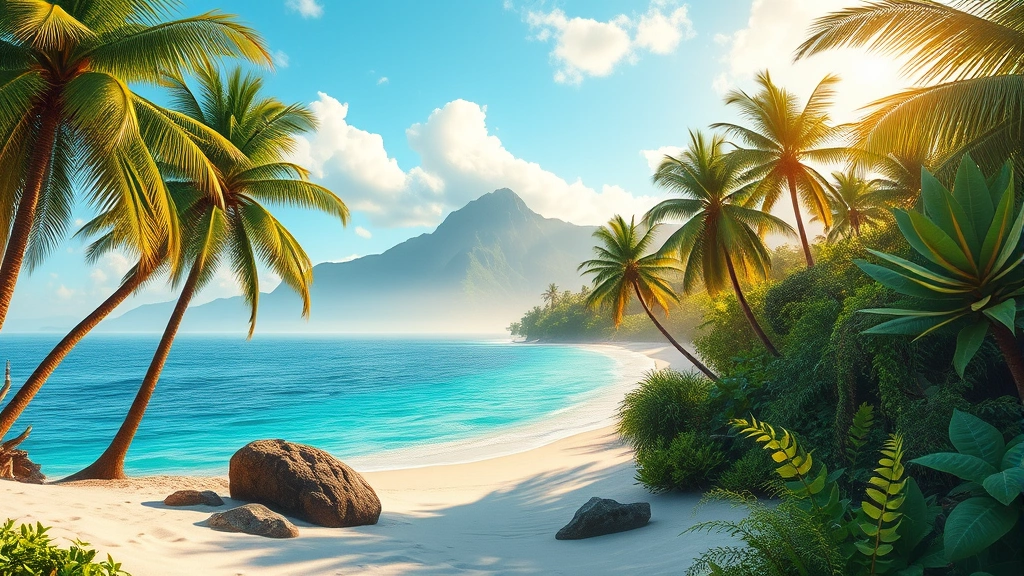
Island levels have captivated gamers for decades, offering a unique blend of exploration, mystery, and adventure that feels distinctly separate from mainland environments. There’s something magical about being stranded on a tropical paradise or mysterious archipelago, where every corner holds secrets and dangers. Retro gaming enthusiasts know that some of the most memorable gaming moments happen when you’re surrounded by water, palm trees, and exotic challenges. These levels transformed simple platformers and adventure games into immersive experiences that still hold up remarkably well today.
The island setting became a staple of classic gaming for good reason. It provided developers with natural boundaries, thematic cohesion, and opportunities for creative level design that felt fresh compared to traditional castle or industrial settings. Whether you’re navigating treacherous jungle terrain, solving ancient puzzles, or battling unique creatures found nowhere else, island levels create an atmosphere of isolation and discovery that keeps players engaged. In this comprehensive guide, we’ll explore the most iconic island levels from retro gaming history, examining what made them special and why they deserve recognition among the greatest gaming experiences ever created.
Donkey Kong Country Series and the Jungle Adventure
The Donkey Kong Country series revolutionized how developers approached island-themed levels in the SNES era. Rare’s masterpiece created an entire interconnected world where every environment felt alive and purposeful. The northern jungle regions, beaches, and mountain peaks created a cohesive island ecosystem that players could explore at their own pace. What separated these levels from competitors was the attention to detail—cascading waterfalls, swaying vines, and animated background elements made you feel like you were genuinely exploring a living island.
Donkey Kong Country’s mine cart levels became legendary among retro enthusiasts. These sections combined the island setting with mechanical precision, as players bounced through minecart tracks suspended over tropical vistas. The visual parallax scrolling made the island feel massive and three-dimensional, a technological marvel for 1994. Each area of the island presented distinct challenges: the beach levels emphasized timing and precision, jungle levels focused on platforming skill, and the volcanic regions near the island’s heart tested everything players had learned.
The sequel, Donkey Kong Country 2: Diddy’s Kong Quest, took island design even further by introducing Crocodile Isle, a more sinister island setting controlled by King K. Rool. This darker island aesthetic proved that tropical settings didn’t require bright, cheerful visuals—atmospheric tension could exist within island environments. The ship levels, pirate-themed areas, and underground caverns created a richer tapestry of island exploration that influenced countless games that followed.
Crash Bandicoot’s Island Paradise
Naughty Dog’s Crash Bandicoot series became synonymous with island adventure games when it launched on PlayStation. The original game introduced N. Sanity Beach, an iconic island location that became the series’ spiritual home. This wasn’t just a single level but an entire island ecosystem where Crash could explore beaches, jungles, temples, and laboratories hidden throughout the tropical landscape. The game’s vibrant color palette and smooth animations made the island feel inviting yet dangerous.
What made Crash’s island levels exceptional was the balance between linear platforming and hidden exploration. Players could discover secret areas by smashing crates, leading to entirely new paths through the island. The temple levels, particularly those inspired by ancient civilizations, added archaeological mystery to the tropical setting. These weren’t generic beach levels—they were carefully crafted experiences where the island itself became a character in the narrative.
The underwater sections and cave systems integrated seamlessly with the island’s surface exploration. Swimming around coral reefs and navigating flooded caverns added vertical variety to what could have been repetitive beach platforming. Crash Bandicoot 2 and 3 expanded this island concept across multiple islands, each with distinct themes and challenges. The series proved that PlayStation-era technology could create island environments that felt expansive, detailed, and genuinely exciting to explore.
Kirby’s Dream Land: Pop Star Island
Nintendo’s Kirby series treated island environments with whimsy and charm that defined the character’s identity. Pop Star, Kirby’s home island, appeared throughout the series with varying interpretations but consistent magical appeal. The island’s pastel colors, floating platforms, and dreamlike aesthetic created an entirely different island experience compared to realistic tropical settings. Here, islands could have purple grass, candy-themed environments, and physics-defying architecture.
Kirby Super Star introduced multiple island locations within a single cartridge, each offering unique challenges and visual themes. The tropical island stages featured the characteristic Kirby charm—cute enemies, cheerful music, and level designs that rewarded exploration and creative ability usage. These levels proved that island settings could work across different art styles and gameplay approaches. The 16-bit visuals brought Pop Star to life with incredible detail, showing every blade of grass and cloud formation.
The island concept in Kirby games represented freedom and discovery rather than danger or survival. Players felt invited to explore these islands rather than forced through them. Later Kirby games maintained this approach, creating island worlds that appealed to both casual and hardcore gamers. The Dream Land aesthetic became so iconic that modern Kirby titles still reference these classic island designs, demonstrating their lasting impact on game design philosophy.
The Legend of Zelda: Link’s Awakening
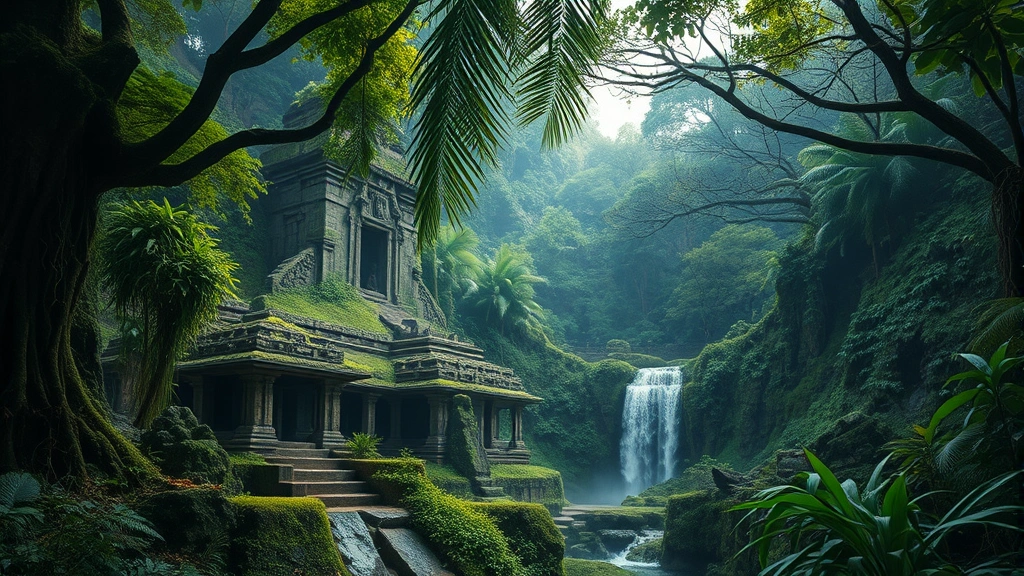
Link’s Awakening stands as perhaps the most narratively sophisticated island game ever created in the retro era. The Game Boy adventure placed Link on Koholint Island following a shipwreck, creating an isolated setting that became central to the story’s themes. The island wasn’t merely a backdrop—it was a mystery waiting to be unraveled. As players explored the island’s diverse regions, they uncovered clues about their location and purpose, leading to one of gaming’s most shocking and emotional conclusions.
The island’s design encouraged thorough exploration. Players could visit beaches, mountains, forests, and swamps, discovering hidden caves and secret passages that revealed deeper mysteries about Koholint. The dungeon design became increasingly complex as Link ventured deeper into the island’s interior, with later dungeons incorporating elaborate puzzle sequences that required items found throughout the island. This interconnected design made exploration feel purposeful rather than aimless.
What separated Link’s Awakening from other island adventures was its psychological depth. The island felt genuinely haunting, with a dreamlike quality that made players question reality. The inhabitants seemed off somehow, and the island’s geography didn’t quite make sense. This unsettling atmosphere, combined with the island’s tropical beauty, created cognitive dissonance that enhanced the experience. When the truth about Koholint Island is revealed, it recontextualizes every island exploration moment that came before.
The Switch remake brought this classic island adventure to modern audiences with updated graphics while maintaining the original’s spirit. The expanded version added new areas to explore and deepened the island’s lore, proving that Link’s Awakening’s island design remains compelling decades after its original release. Gaming journalists at IGN praised the remake for honoring the original while expanding what made the island special.
Super Mario Bros. 2: Subspace and Island Elements
While not exclusively island-focused, Super Mario Bros. 2 incorporated island exploration elements that distinguished it from linear platforming. The game’s unique pulling-vegetables-from-ground mechanic combined with island-themed levels created a distinct experience within the Mario franchise. The tropical and desert island stages required players to think differently about navigation and puzzle-solving compared to traditional Mario games.
The game’s overworld map presented various island locations, each accessible through different paths. This structure, combined with the unique physics and mechanics of SMB2, made island exploration feel genuinely different. Players couldn’t simply run and jump through levels—they had to plan their approach, find hidden mushrooms and potions, and navigate vertically in ways that previous Mario games didn’t require. The island setting complemented these mechanical changes perfectly.
Super Mario Bros. 2 proved that established franchises could incorporate island themes without losing their identity. The game remained fundamentally a Mario experience while offering something entirely new. Its influence on later platformers demonstrated that island settings could enhance gameplay variety rather than simply providing aesthetic changes. The game’s legacy shows that creative developers can use island environments to justify mechanical innovations.
Sonic the Hedgehog: Tropical Paradise Zones
The Sonic franchise featured memorable island and tropical zones throughout its extensive history. Spring Yard Zone, Casino Night Zone, and various beach-themed levels became fan favorites despite their simplicity. Sonic 3’s Carnival Night Zone and Angel Island Zone represented the series’ most ambitious island-themed levels, featuring elaborate loops, underwater sections, and environmental hazards that tested Sonic’s speed and platforming abilities simultaneously.
Angel Island Zone, in particular, became iconic among retro Sonic enthusiasts. This introductory island level established the game’s tropical setting while introducing the Chaos Emerald plot device. The level’s design balanced speed sections with platforming challenges, creating a varied experience that showcased what Sonic 3 would deliver. The island’s lush vegetation and waterfall visuals made it feel like an actual location rather than a generic video game stage.
Later Sonic games continued exploring island themes with varying success. Sonic Adventure introduced Emerald Coast, a beach-themed level that attempted to capture the magic of classic island zones with modern 3D graphics. While execution varied across different Sonic games, the franchise’s consistent return to island themes demonstrated their universal appeal to platformer fans. Whether 2D or 3D, tropical and island settings remained essential to the Sonic identity.
Metroid Series Island Exploration
The original Metroid presented Zebes as an alien planet, but its island-like isolated environment influenced how players approached exploration. The game’s interconnected world design, where players gradually unlocked new areas through power-ups and ability acquisition, became the template for exploration-focused games. The isolation of being on an alien island with limited resources created tension that defined the series’ identity.
Super Metroid expanded on this concept with Zebes’ detailed ecosystem. The planet’s various regions—jungle areas, volcanic zones, and flooded caverns—created an island-like experience despite Zebes being portrayed as a complete planet. The game’s atmosphere of exploration and discovery, combined with the environmental storytelling of abandoned facilities and alien creatures, made Zebes feel like an actual place worth exploring thoroughly.
Metroid Prime brought island exploration into 3D with remarkable success. The game’s first-person perspective made island exploration feel intimate and dangerous. Players genuinely felt like they were navigating an alien island’s hostile environment, with each new area revealing secrets and dangers. The environmental design encouraged thorough exploration while maintaining the series’ signature isolation and mystery.
What Makes Island Levels Memorable
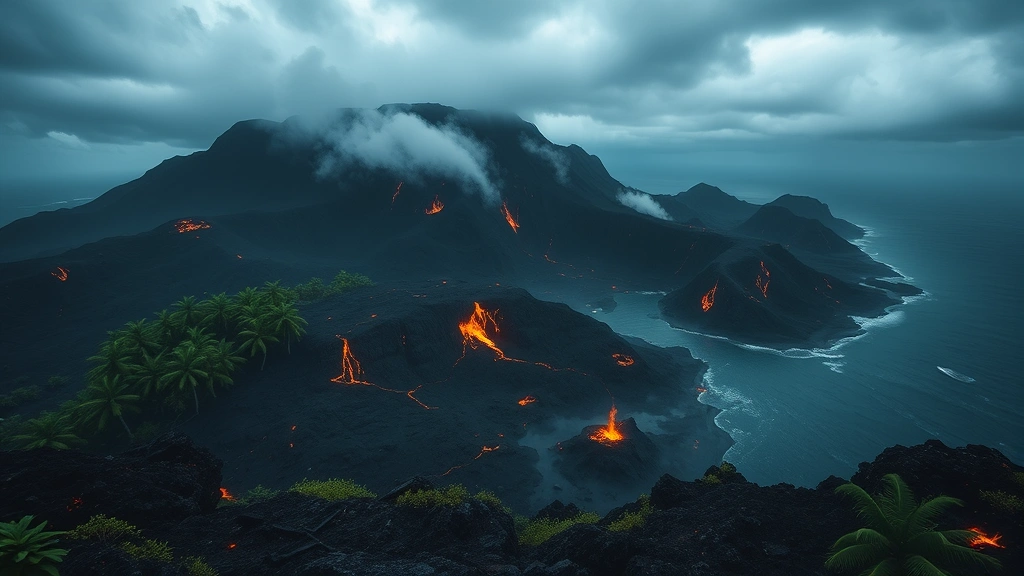
Successful island levels in retro games shared common design principles that made them enduring classics. First, islands provided natural boundaries that helped developers create focused, contained experiences. Unlike sprawling continents or endless dungeons, islands felt manageable while remaining large enough for genuine exploration. This balance between scale and accessibility made island levels inherently satisfying.
Second, islands created thematic cohesion. Tropical islands, mysterious archipelagos, and isolated landmasses all suggested isolation and adventure. This narrative context elevated simple platforming into meaningful exploration. Players felt like they were on genuine adventures rather than progressing through arbitrary stages. The island setting justified why enemies existed, why treasures could be hidden, and why certain areas remained inaccessible until players acquired specific abilities.
Third, islands offered visual variety within unified aesthetics. A single island could contain beaches, jungles, mountains, and caverns—each distinct yet clearly part of the same location. This variety prevented visual monotony while maintaining environmental coherence. Developers could introduce new challenges and themes while keeping players oriented within a recognizable geography.
Fourth, islands encouraged non-linear exploration. The interconnected geography of island locations naturally supported multiple paths and hidden areas. Players could discover shortcuts, secret passages, and alternative routes by thoroughly exploring. This rewarded curiosity and mastery, encouraging players to revisit areas with newly acquired abilities to access previously unreachable locations.
Finally, islands created memorable boss encounters. Many classic games featured unique island bosses that wouldn’t appear elsewhere in the game. These encounters felt special because they occurred in specific island locations, making them more memorable than generic dungeon bosses. The environmental context of fighting a boss on an island beach or mountain peak added narrative weight to these confrontations.
For gamers looking to build systems for playing classic games, understanding what made these island levels special helps appreciate the design philosophy of retro gaming. Modern developers continue referencing these classic island levels when creating new experiences. The principles established by games like Donkey Kong Country and The Legend of Zelda: Link’s Awakening remain relevant to contemporary game design.
If you’re interested in playing classic games with friends, check out our guide to co-op games on Steam, which includes several retro titles featuring island environments. Additionally, learning to record gameplay allows you to capture and share your favorite island level moments with other enthusiasts.
Gaming journalists and critics have extensively documented how island levels influenced modern game design. According to GameSpot‘s retrospectives, island-themed levels became industry standard for exploration-focused games. The success of these retro classics inspired developers across multiple genres to incorporate island environments into their projects, demonstrating the timeless appeal of tropical and isolated settings.
For competitive gamers and speedrunners, island levels in classic games present unique challenges. The interconnected design of games like Super Metroid creates opportunities for sequence breaking and route optimization. Speedrunning communities have extensively analyzed island level designs to discover new techniques and shortcuts, proving that these classic environments continue offering depth to experienced players decades after their release.
The aesthetic appeal of island levels shouldn’t be overlooked. Developers invested significant effort in making these environments visually appealing despite technical limitations. The color palettes of tropical islands—vibrant greens, blues, and sandy tones—provided visual relief from the darker, more industrial environments common in games of that era. This visual contrast made island levels feel like genuine vacation destinations, even within the context of dangerous adventures.
Sound design in island levels contributed significantly to their memorability. The cheerful steel drum music of Donkey Kong Country’s beach levels, the mysterious chimes of Link’s Awakening, and the futuristic ambience of Metroid Prime’s island environments all created distinct audio identities. These soundscapes transported players to the islands more effectively than graphics alone could achieve, creating multisensory experiences that stuck with players long after completing the games.
FAQ
What makes island levels special compared to other game environments?
Island levels provide natural boundaries that create focused experiences while remaining large enough for meaningful exploration. The thematic cohesion of islands—tropical paradise, mysterious archipelago, or isolated landmass—adds narrative context to gameplay. Islands also offer visual and environmental variety within unified aesthetics, allowing developers to introduce diverse challenges while maintaining geographic coherence. Additionally, islands encourage non-linear exploration and create memorable boss encounters within specific locations.
Which retro game has the best island level design?
This depends on personal preference, but The Legend of Zelda: Link’s Awakening consistently receives praise for its sophisticated island level design. The interconnected world encourages thorough exploration while the narrative context of being stranded on Koholint Island adds psychological depth. However, Donkey Kong Country’s jungle island ecosystem and Crash Bandicoot’s N. Sanity Beach are equally compelling choices depending on whether you prefer exploration, platforming challenge, or balanced variety.
Are island levels still relevant in modern games?
Absolutely. Modern games continue drawing inspiration from classic island level design. Developers recognize that islands provide natural containers for exploration, visual variety, and thematic coherence. Games like The Legend of Zelda: Breath of the Wild and various indie titles demonstrate that island environments remain compelling in contemporary gaming. The principles established by retro classics continue influencing how developers approach environmental design.
Why did so many classic games feature island themes?
Islands offered practical advantages for developers. They provided natural boundaries that simplified level design while suggesting adventure and exploration to players. Islands allowed developers to create visually distinct environments—beaches, jungles, mountains, caves—within a single cohesive location. Additionally, islands created narrative justification for why players couldn’t simply leave or access certain areas, supporting both gameplay and story mechanics.
Can I play these classic island games today?
Yes, most classic games featuring memorable island levels are available through various means. Many have been re-released on modern platforms—The Legend of Zelda: Link’s Awakening has a Switch remake, Donkey Kong Country games are available on Switch Online, and Crash Bandicoot has seen multiple re-releases. Emulation also allows access to original versions on modern PC systems. Check your preferred platform’s digital stores for availability.
How did island levels influence modern platformer design?
Island levels established templates for exploration-focused platformers that remain influential today. The interconnected world design, where players gradually unlock new areas through ability acquisition, became standard in games like Hollow Knight and Celeste. The balance between linear progression and optional exploration that island levels perfected continues defining how modern platformers approach level design and player agency.
What technical innovations allowed developers to create compelling island levels?
The transition from 8-bit to 16-bit systems enabled more detailed environmental graphics and smoother animations that brought islands to life. Parallax scrolling created depth and scale, making islands feel massive despite hardware limitations. Improved color palettes allowed developers to create visually distinct tropical environments. Later, 3D graphics enabled immersive island exploration in games like Metroid Prime and Crash Bandicoot adventure titles.
Visit the Game Forge Daily Blog for more in-depth discussions about classic gaming design principles and retro game analysis. For those interested in experiencing these classics with optimal visual quality, our gaming mouse guide includes recommendations for precision control during challenging island level sections.