

Kings Alcohol Game Rules: Expert Guide to This Classic Party Game
Kings, also known as King’s Cup or Ring of Fire, stands as one of the most beloved drinking games at parties worldwide. This card-based game combines luck, strategy, and hilarious social dynamics that keep players entertained for hours. Whether you’re hosting your next gathering or joining friends for a casual night in, understanding the Kings alcohol game rules ensures everyone has a fantastic time while staying safe and responsible.
The beauty of Kings lies in its simplicity paired with endless entertainment potential. Each card drawn triggers a specific rule or action, creating unpredictable moments that generate laughter and memorable stories. The game requires minimal setup—just a standard deck of cards, drinks, and players ready to have fun. Before diving into your next game night, mastering these comprehensive rules will make you the go-to expert among your friends.
What You Need to Play Kings
Getting started with Kings requires surprisingly minimal equipment, making it accessible for virtually any gathering. The primary component is a standard 52-card deck, which serves as the foundation for all gameplay. You’ll also need beverages of choice for each player—whether that’s beer, wine, cocktails, or non-alcoholic drinks for those who prefer them.
Beyond the basics, you’ll want a cup or glass positioned in the center of your playing area. This central cup becomes crucial during gameplay, particularly when certain cards are drawn. Some players prefer using a large bowl or pitcher to create a more dramatic visual element. The playing surface should be large enough for all participants to see cards clearly and reach the center cup comfortably.
Player count typically ranges from 2 to 10 participants, though the game works best with 4-8 players. Fewer players means quicker rounds and less downtime, while larger groups create more chaotic and entertaining moments. Ensure everyone has comfortable seating arranged in a circle, allowing easy access to the card deck and center cup.
Basic Game Setup and Objective
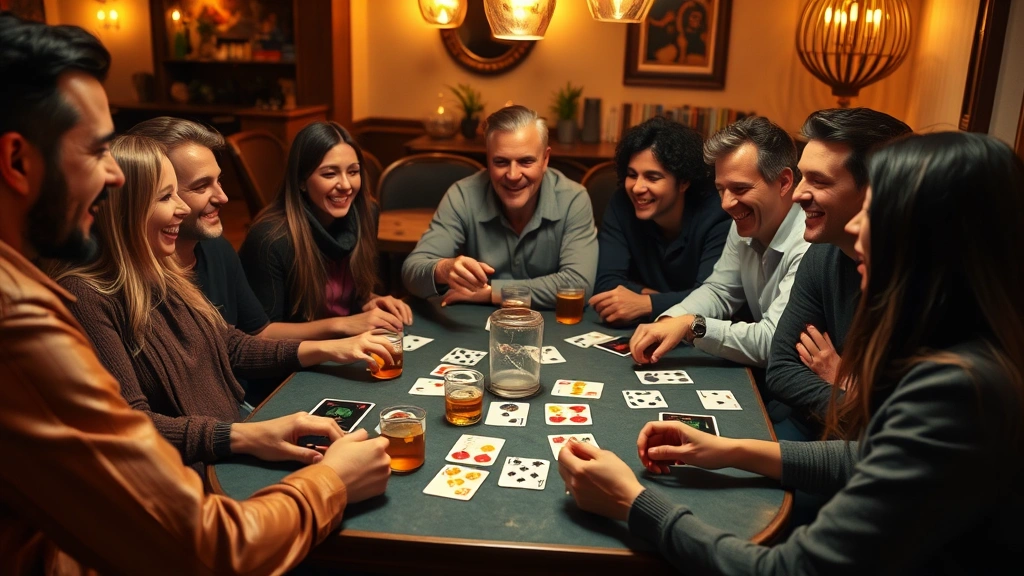
Setting up Kings involves straightforward preparation that takes just minutes. Arrange all players in a circle around a table or flat surface. Place the standard deck in the center, fanned out or in a neat pile—player preference determines this. Position the central cup or glass in the middle, easily accessible to all participants.
Before starting, establish clear house rules by group consensus. This prevents arguments and ensures everyone understands expectations. Some groups maintain strict traditional rules, while others embrace creative variations that keep gameplay fresh. Document these decisions so new players understand the framework.
The objective of Kings differs from typical card games—there’s no winner or loser in the traditional sense. Instead, the goal involves surviving the game without drawing the fourth King. When players draw the first, second, or third King, they contribute to the central cup and continue playing. However, the player who draws the fourth and final King must drink the entire central cup, which contains a mixture of everyone’s drinks. This creates the game’s central tension and comedic climax.
Complete Card Rules Breakdown
Understanding each card’s specific rule forms the heart of Kings gameplay. The traditional card-to-action mapping has been refined through decades of party culture, though variations exist. Here’s the comprehensive breakdown:
Ace: Players holding an Ace must drink immediately. This straightforward rule creates constant vigilance as players watch for this high-value card.
Two: When a Two is drawn, the player designates another participant to drink. This introduces social strategy—choosing friends versus competitive rivals creates dynamic gameplay.
Three: Drawing a Three means the player themselves must drink. This simple rule keeps everyone engaged and maintains pacing.
Four: The Four triggers a rule called “Floor,” where all players must touch the ground as quickly as possible. The last person to do so drinks. This creates hilarious physical comedy and unexpected moments.
Five: Fives traditionally trigger “Guys” or “Guys Drink,” depending on your group’s rules. All male players must drink simultaneously. Some groups reverse this for female players instead.
Six: Sixes activate “Chicks” or “Girls Drink,” where all female players drink. This creates gender-based participation moments that add variety to gameplay.
Seven: Drawing a Seven initiates the “Heaven” rule. All players must point upward, with the last person to do so drinking. This simple rule generates surprisingly competitive moments.
Eight: Eights establish a “Mate” rule where the drawer selects another player as their drinking mate for the remainder of the game. That mate must drink whenever the original player drinks.
Nine: Nines typically trigger “Rhyme Time,” where the drawer says a word and other players must rhyme with it. The first person unable to provide a rhyme drinks.
Ten: Tens activate “Categories,” where the drawer selects a category (like “types of pizza” or “video game genres”). Players take turns naming items in that category, with the first person stumped drinking.
Jack: Jacks traditionally trigger a “Question Master” rule where the drawer becomes a question master. Anyone who answers their questions directly drinks instead of asking questions back.
Queen: Queens establish a “Rule” where the drawer creates a new rule binding all players for the remainder of the game. Creative rules lead to memorable moments.
King: As previously mentioned, Kings require the drawer to pour their drink into the central cup. The fourth King drawer must consume this mixture entirely.
Advanced Variations and House Rules
While traditional Kings rules provide excellent foundation, countless variations exist that enhance gameplay based on group preferences. Understanding popular modifications helps you customize the experience for your specific crowd.
The “Never Have I Ever” variation replaces certain cards with this classic drinking game. Players take turns stating something they’ve never done, with anyone who has done it drinking. This variation works exceptionally well for groups wanting deeper social interaction.
Some groups implement the “Waterfall” rule for specific cards, where players must continuously drink until the person to their left stops. This escalates intensity significantly and should be used cautiously with newer players.
The “Drinking Dares” modification lets players challenge others to complete specific tasks before drinking. Tasks might include impressions, physical challenges, or creative performances. This transforms Kings into an entertainment spectacle.
Time-based variations add pressure by requiring players to complete challenges within specific timeframes. Drawing a card might mean “drink for 10 seconds” or “hold your breath for as long as possible.”
Penalty escalation rules increase consequences as the game progresses. Early-game violations might mean one sip, while late-game infractions require full drinks. This creates building tension.
The “Reverse Kings” variant flips the objective—the player drawing the fourth King avoids drinking while others consume it. This surprising twist keeps veterans engaged.
Consider implementing “Immunity cards” that allow players to avoid drinking once per game, creating strategic decision points about when to deploy this valuable resource.
Tips for Hosting a Successful Game
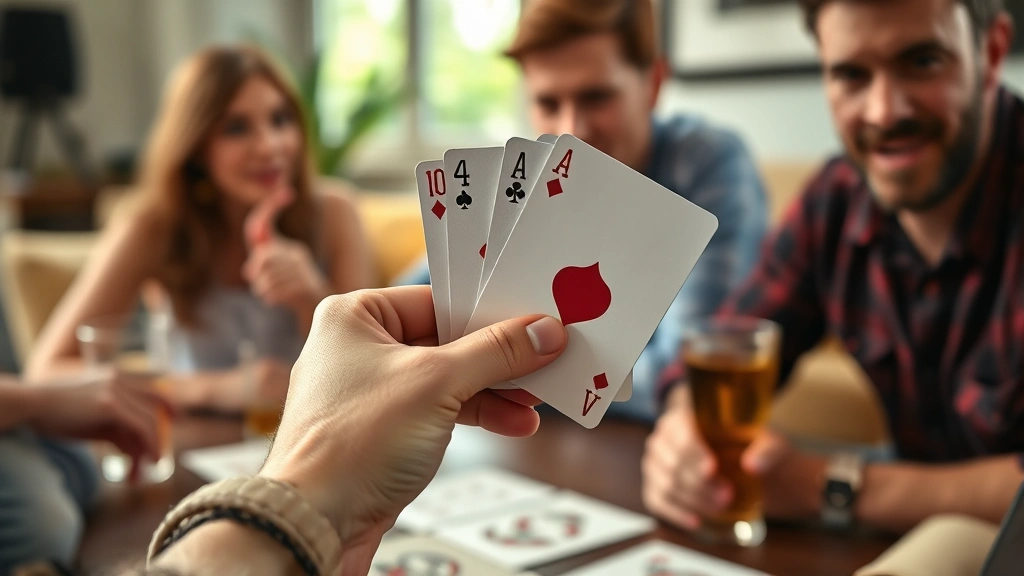
Hosting Kings requires more than just knowing rules—successful game nights depend on thoughtful preparation and attentive hosting. These expert tips ensure memorable experiences for all participants.
Establish clear communication before starting. Review all rules, variations, and house modifications with the group. Answer questions and ensure unanimous understanding. This prevents mid-game arguments and keeps momentum flowing smoothly.
Monitor player safety and responsibility. Keep track of how much each person drinks and watch for signs of intoxication. Encourage pacing, offer non-alcoholic alternatives, and ensure everyone has water available. A responsible host makes Kings fun for everyone.
Maintain consistent pacing. Keep card draws moving quickly to maintain energy and prevent excessive downtime. If someone’s turn takes too long, gently encourage them to draw and play. Momentum keeps entertainment levels high.
Enforce rules fairly and consistently. Apply the same standards to all players regardless of friendship or social status. Fair enforcement builds trust and ensures nobody feels targeted or unfairly treated.
Create a welcoming environment. Make newer players feel comfortable and included rather than intimidated. Explain rules patiently and celebrate their participation. Inclusive hosting generates positive memories.
Have backup entertainment ready. If Kings concludes early or players want variety, knowing other GameForge Daily games and entertainment options keeps the night engaging.
Prepare the space thoughtfully. Ensure adequate lighting, comfortable seating, and easy access to drinks and the card deck. A well-organized space reduces friction and keeps focus on fun.
Document house rules visually. Consider writing your group’s specific rules on paper or a whiteboard. This reference prevents disputes and helps new players catch up quickly.
Common Mistakes to Avoid
Even experienced Kings players make mistakes that diminish the experience. Learning from common pitfalls helps you run flawless games.
Forgetting to shuffle properly. Inadequate shuffling creates predictable card sequences that reduce surprise and excitement. Always perform thorough shuffling between games and occasionally during extended play.
Playing without clear rules documentation. Relying on memory for complex rule variations leads to disputes and confusion. Write everything down clearly before starting.
Ignoring player comfort levels. Some participants may have lower alcohol tolerance or prefer limited drinking. Forcing participation or ridiculing abstention creates negative experiences. Respect individual boundaries.
Allowing rules to become too complicated. While variations are fun, excessive complexity slows gameplay and frustrates players. Aim for 8-12 clear rules maximum per game.
Playing with incomplete decks. Missing cards create unfair gameplay since some rules never trigger. Always verify your deck is complete before starting.
Failing to manage the central cup. If the mixture becomes too unappetizing, players lose motivation. Consider replacing it periodically or allowing the fourth King drawer to choose a different beverage.
Mixing incompatible rule variations. Combining too many different modifications creates confusion and slows gameplay. Test new variations beforehand to ensure they work smoothly together.
Not enforcing the fourth King rule properly. This climactic moment defines the entire game experience. Ensure everyone understands the stakes and celebrates the final outcome appropriately.
If you’re looking to enhance your overall gaming setup, our gaming PC build guide offers insights into creating entertainment spaces that work for various activities.
FAQ
Can you play Kings with fewer than 4 players?
Yes, Kings works with 2-3 players, though the experience differs significantly. With fewer players, the fourth King arrives more slowly, reducing tension. The game feels less chaotic but still entertaining. Adjust expectations accordingly—smaller groups tend toward shorter, more strategic gameplay.
What if someone refuses to drink?
Absolutely respect this choice. Kings accommodates non-drinkers perfectly—they can participate using water, juice, or other non-alcoholic beverages. Some groups use alternative consequences like doing pushups or singing songs instead of drinking. The key is maintaining fun without pressure.
Can you modify the card rules mid-game?
Generally, no. Changing rules during active play creates confusion and unfairness. However, if everyone unanimously agrees to a modification, you can implement it going forward. Make these decisions between games rather than disrupting active play.
How long does a typical Kings game last?
Most games complete in 30-60 minutes depending on player count and rule complexity. Larger groups with elaborate variations take longer. Smaller groups with simple rules finish faster. Plan accordingly when scheduling your event.
What’s the best way to handle disputes during gameplay?
Reference your written rules first. If ambiguity exists, take a quick vote among players. For future games, clarify that specific situation in your documented house rules. Keeping disputes lighthearted prevents tension from derailing fun.
Is Kings appropriate for all age groups?
Kings is traditionally an adult drinking game, but non-alcoholic versions work perfectly for younger players. Substitute water or juice for alcohol, and the game remains entertaining. Adjust any rules that reference adult themes for younger audiences.
Can you play Kings online or virtually?
Yes! Video call platforms allow remote Kings gameplay using virtual card decks or shared screen technology. Each player keeps their own drink at home. While lacking physical presence, virtual versions maintain the core entertainment value and work surprisingly well.
What happens if someone draws two Kings in a row?
They simply follow the rule twice—contributing to the central cup both times. There’s no special consequence for consecutive Kings. The game continues normally until someone draws the fourth King.