
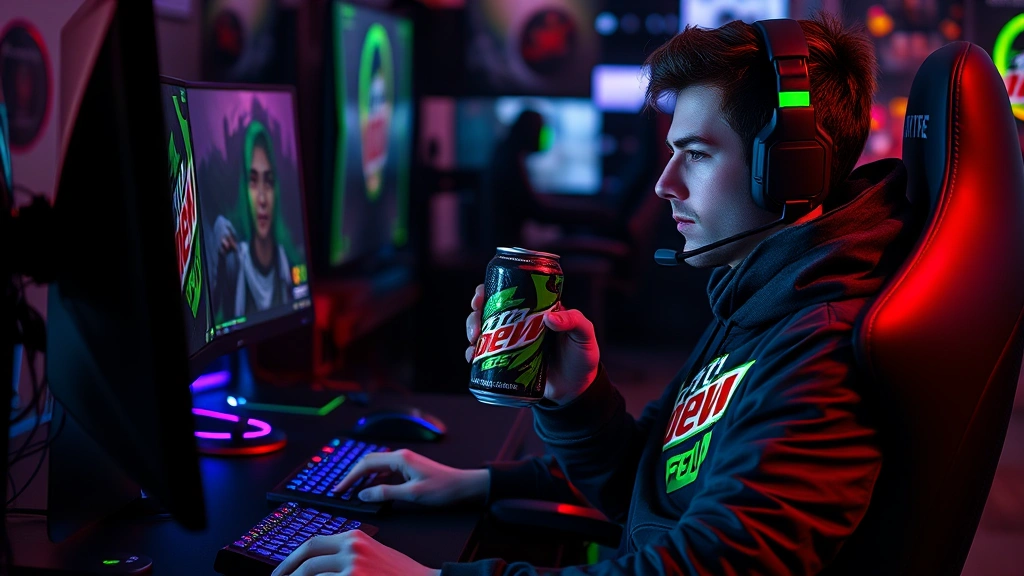
Mountain Dew Game Fuel Review: Is It Really a Gamer’s Choice?
When you’re grinding through an intense gaming session, staying hydrated is crucial—but not all beverages are created equal. Mountain Dew Game Fuel has positioned itself as the ultimate drink for gamers, combining the classic Dew experience with gaming-centric marketing and formulations designed to keep you energized during marathon sessions. But does it live up to the hype, or is it just another energy drink riding the gaming wave?
In this comprehensive review, we’ll break down everything you need to know about Mountain Dew Game Fuel, from its flavor profiles and nutritional content to how it compares to competitors and whether it’s truly worth making part of your gaming setup. Whether you’re a casual player or a competitive esports enthusiast, understanding what you’re putting in your body during those crucial gaming moments matters.
What is Mountain Dew Game Fuel?
Mountain Dew Game Fuel is a specialized energy drink line created by PepsiCo specifically targeting the gaming community. Launched in 2010, Game Fuel represents the beverage giant’s commitment to understanding gamer culture and providing products that align with the lifestyle. Unlike standard Mountain Dew, Game Fuel contains additional caffeine, B-vitamins, and other performance-enhancing ingredients designed to support focus, alertness, and endurance during extended gaming sessions.
The brand has evolved significantly since its inception, introducing multiple flavors, limited-edition releases, and strategic partnerships with major gaming publishers and esports organizations. Mountain Dew has become deeply embedded in gaming culture through sponsorships of esports teams, tournaments, and gaming content creators. This isn’t just a beverage—it’s a lifestyle choice within the gaming community.
What sets Game Fuel apart from regular Mountain Dew is its formulation. It contains higher caffeine content per serving, added B-vitamins for energy metabolism, and sometimes includes additional functional ingredients depending on the flavor variant. The brand positions itself as scientifically designed for gamers’ specific needs, though we’ll explore whether this marketing translates to real performance benefits.
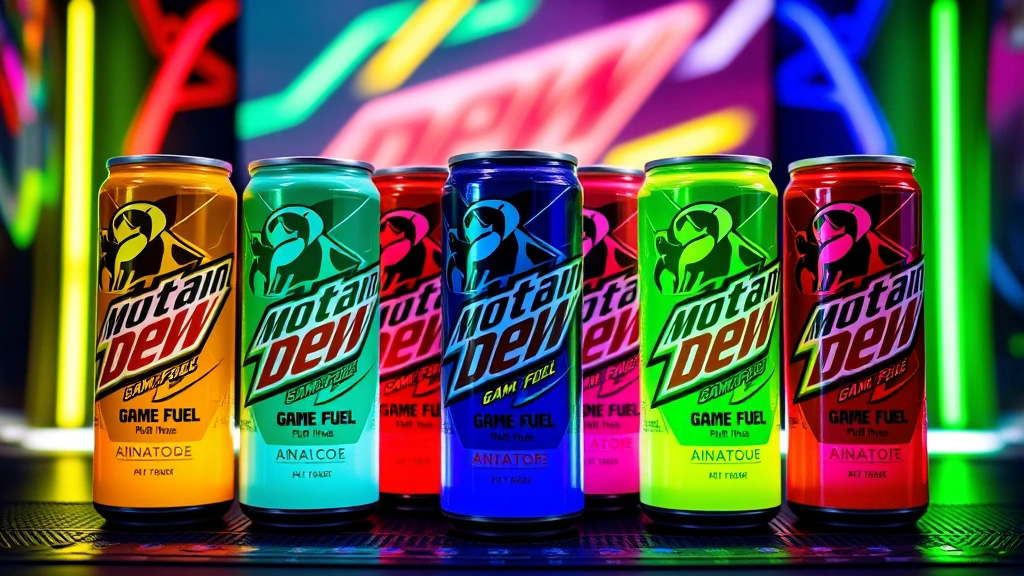
Flavor Lineup and Taste Profile
Mountain Dew Game Fuel has released numerous flavors over the years, and the current lineup offers something for various taste preferences. The flavor selection is crucial because even the most performance-enhancing drink won’t help if you can’t stand drinking it during your gaming sessions.
Current and Popular Flavors:
- Original Citrus – The flagship flavor, offering a citrus punch that’s familiar to Mountain Dew fans but with a slightly different profile than classic Dew
- Tropical Smash – A tropical-forward option combining pineapple and mango notes for a sweeter, more refreshing taste
- Berry Blast – A berry-focused variant that appeals to gamers who prefer fruit-forward beverages
- Voltage – A blue raspberry flavor with an edgy gaming aesthetic that became iconic among the community
- Frost Bite – An arctic-style flavor with a crisp, cool sensation on the palate
The taste experience is subjective, but most gamers report that Game Fuel flavors are more drinkable than standard energy drinks. They’re smoother than some competitors, with less of that metallic aftertaste that plagues many performance beverages. The carbonation level is satisfying without being aggressive, making it comfortable to sip throughout a gaming session without feeling bloated.
One thing to note: Game Fuel is sweeter than regular Mountain Dew, which some gamers love and others find overwhelming after extended consumption. During marathon gaming sessions, flavor fatigue can be real, so having multiple flavors available for rotation is a smart strategy.
Nutritional Breakdown
Understanding what’s in your gaming fuel is essential for making informed choices about your health and performance. Let’s examine the nutritional profile of a typical Mountain Dew Game Fuel serving.
Standard 16 oz Serving Contains:
- Calories: 220 calories per can
- Caffeine: 180-200mg depending on variant (compared to 91mg in regular Mountain Dew)
- Total Carbohydrates: 58g (including 54g of sugar)
- B-Vitamins: Niacin, B6, B12, and Pantothenic Acid for energy metabolism
- Sodium: 75-90mg
- Other Ingredients: Citric acid, natural flavors, caffeine, sodium benzoate, caramel color
The caffeine content is significantly higher than standard soda, positioning Game Fuel more competitively with dedicated energy drinks. This doubled caffeine content is designed to provide the alertness boost that gamers seek during competitive play or challenging single-player experiences. However, this also means you should be mindful of total daily caffeine consumption, especially if you’re consuming multiple cans during extended gaming marathons.
The sugar content is substantial—54 grams per can represents over 100% of the recommended daily sugar intake for many people. This is a critical consideration for health-conscious gamers or those managing their weight. The sugar provides quick energy but can lead to crashes, which might actually impair gaming performance if not managed carefully. Some gamers report better sustained focus with sugar-free energy alternatives, while others swear by the quick energy boost from the sugar content.
The B-vitamin complex is a legitimate addition that supports energy metabolism and nervous system function. These vitamins help convert food into usable energy and support cognitive function, which directly relates to gaming performance. This is one area where Game Fuel demonstrates genuine thought toward gamer-specific needs.
Energy and Performance Benefits
The real question: Does Mountain Dew Game Fuel actually improve your gaming performance? This requires examining both the science and real-world gamer experiences.
Caffeine Effects: The 180-200mg of caffeine per can is a legitimate dose that produces measurable effects. Caffeine enhances alertness, reaction time, and focus—all critical for gaming. Research shows that caffeine can improve performance in tasks requiring sustained attention, which directly applies to gaming. However, individual sensitivity varies greatly, and tolerance builds quickly with regular consumption.
Sugar and Quick Energy: The high sugar content provides immediate energy through glucose absorption, which can help during intense gaming moments. This quick spike can enhance reflexes temporarily, but the inevitable crash can impair performance later. For competitive gamers, this boom-bust cycle isn’t ideal for sustained performance.
Psychological Boost: There’s a significant psychological component to drinking Game Fuel. The branding, the ritual, and the community association with gaming create a placebo effect that shouldn’t be underestimated. If you feel more alert and focused while drinking it, that confidence can translate into better gaming performance regardless of the chemical composition.
When comparing to other gaming-focused beverages and supplements, Game Fuel performs reasonably well. It’s more palatable than many straight energy drinks, contains legitimate performance-supporting ingredients, and aligns with gamer culture in ways that matter psychologically. However, it’s not a magic bullet—your actual gaming skill, practice, and hardware setup matter far more than any beverage choice.
Comparison with Competitors
The energy drink market is crowded, and Game Fuel faces competition from both general energy drinks and gaming-specific alternatives. Understanding how it stacks up helps determine if it’s truly the gamer’s choice.
vs. Red Bull: Red Bull has more established credibility in esports sponsorships and contains 80mg of caffeine per 8.4 oz serving (roughly 160mg per 16 oz equivalent). Game Fuel offers more caffeine and better taste for gaming-specific palates, though Red Bull has stronger brand prestige in traditional sports.
vs. Monster Energy: Monster Energy is the dominant player in esports, with massive tournament sponsorships. Monster contains similar caffeine levels (160mg per 16 oz) and comparable nutritional profiles. However, Monster has a harsher taste that some gamers dislike, while Game Fuel’s smoother profile appeals to longer gaming sessions. Check out our guide on best single-player games where many gamers report their beverage preferences during extended play.
vs. G Fuel: G Fuel is explicitly marketed to gamers and esports professionals. It’s available in powder form, often cheaper per serving, and has become increasingly popular among streamers. However, G Fuel requires mixing and has a different texture than traditional drinks. Game Fuel’s ready-to-drink convenience is a significant advantage.
vs. Coffee: Black coffee contains 95-200mg of caffeine per cup, offers no sugar (if unsweetened), and costs significantly less. For performance optimization, coffee might actually be superior for sustained focus without the sugar crash. However, it lacks the gaming culture cachet that Game Fuel provides.
Game Fuel occupies a unique position: it’s more performance-focused than regular soda but more palatable and convenient than hardcore energy drinks or powdered supplements. For casual to intermediate gamers, it’s a solid choice. For competitive esports players, the sugar content and potential crashes might make alternatives more strategic.
Gaming Culture Connection
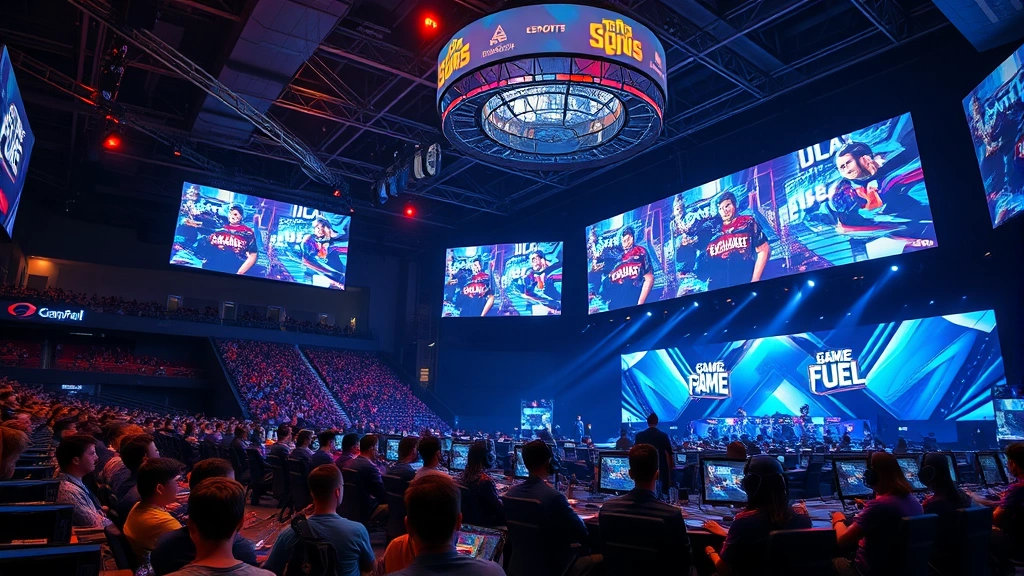
What truly distinguishes Mountain Dew Game Fuel isn’t just the formula—it’s the deep integration into gaming culture. PepsiCo has invested heavily in understanding and supporting the gaming community in ways that extend far beyond beverage sales.
Esports Partnerships: Game Fuel sponsors major esports organizations, tournaments, and professional players. This visibility in competitive gaming creates authentic brand association within the community. When your favorite esports team is drinking Game Fuel, it influences your purchasing decisions, especially if you aspire to competitive gaming.
Gaming Publisher Collaborations: Mountain Dew has partnered with major gaming publishers for limited-edition flavors and in-game promotional content. These collaborations create excitement and exclusivity that resonates with hardcore gamers. Seasonal releases tied to major game launches keep the brand fresh and relevant.
Content Creator Partnerships: Streamers and gaming YouTubers often feature Game Fuel, integrating it naturally into their content. This grassroots marketing is incredibly effective because recommendations come from trusted community members rather than corporate advertising. When you see your favorite streamer drinking Game Fuel during competitive play, it feels like an authentic endorsement.
Community Events: Game Fuel sponsors gaming conventions, LAN parties, and community events where gamers gather. This presence in physical gaming spaces reinforces brand loyalty and creates positive associations.
This cultural integration is significant because it means Game Fuel isn’t just competing on beverage merits—it’s offering community membership and lifestyle alignment. For many gamers, especially younger players, drinking Game Fuel is about belonging to a community, not just consuming a product. This psychological dimension is powerful and often overlooked in pure performance comparisons.
Price and Value
Cost-effectiveness matters, especially if you’re a heavy consumer of gaming beverages during extended sessions or competitive play.
Typical Pricing:
- Single 16 oz Can: $2.50-$3.50 at convenience stores
- Bulk Purchase (12-pack): $1.50-$2.00 per can
- Wholesale Club Pricing: $0.80-$1.20 per can with membership
Compared to specialty energy drinks like G Fuel ($2+ per serving when purchased as powder), Game Fuel’s convenience pricing is competitive. Compared to coffee ($1-2 for a cup), Game Fuel is more expensive but offers different taste and branding benefits.
For value assessment, consider your usage pattern. Casual gamers who consume one or two cans per week will find Game Fuel reasonably priced. Competitive players grinding 40+ hours weekly might find bulk purchasing or alternative beverages more economical. The bulk pricing advantage makes Game Fuel particularly valuable for gaming groups, team houses, or esports organizations stocking their facilities.
Limited-edition flavors often command premium pricing due to exclusivity and collectibility, which appeals to hardcore fans but represents poor value for pure performance consumption. Regular flavors offer the best value proposition.
FAQ
Is Mountain Dew Game Fuel better than regular Mountain Dew for gaming?
Yes, Game Fuel contains double the caffeine and added B-vitamins specifically formulated for gaming performance. However, the difference is primarily in caffeine content and marketing positioning rather than revolutionary performance enhancement. If you’re sensitive to caffeine, regular Mountain Dew might be safer for extended sessions.
Does Game Fuel actually improve gaming performance?
Game Fuel can provide measurable improvements in alertness and reaction time through its caffeine content, but individual results vary. The psychological boost from gaming-culture branding and the ritual of consumption often matter as much as the chemical composition. Actual gaming skill, practice, and equipment matter far more.
Is the sugar content a problem?
At 54 grams per can, the sugar content is substantial and represents a significant daily intake. For health-conscious gamers or those managing weight, this is a legitimate concern. The sugar crash after 1-2 hours might actually impair performance, making sugar-free alternatives potentially superior for sustained focus.
Are there sugar-free options?
Mountain Dew does produce Game Fuel Zero Sugar variants in select flavors, offering the same caffeine and gaming experience without the sugar content. These are worth trying if you’re concerned about sugar intake or experience energy crashes with regular Game Fuel.
How does Game Fuel compare to coffee for gaming?
Coffee contains similar or higher caffeine, costs less, and contains no sugar. However, Game Fuel offers better taste for many gamers, gaming-culture alignment, and the psychological boost of brand association. Choose based on your taste preferences and whether the cultural aspect matters to you.
Can you build tolerance to Game Fuel?
Yes, caffeine tolerance develops with regular consumption, typically within 2-3 weeks of daily use. To maintain effectiveness, consider cycling between Game Fuel and other beverages or taking caffeine breaks. This is especially important for competitive gamers who need consistent performance.
Is Game Fuel appropriate for younger gamers?
The high caffeine and sugar content make Game Fuel less ideal for players under 16. The American Academy of Pediatrics recommends limited caffeine for young people. Parents should consider their child’s caffeine sensitivity and overall sugar consumption before allowing regular Game Fuel consumption.
Where can you buy Mountain Dew Game Fuel?
Game Fuel is widely available at convenience stores, supermarkets, and online retailers. Limited-edition flavors might require specialty gaming stores or online ordering. Check the GameForge Daily Blog for current flavor availability and release announcements.
Does Game Fuel contain banned substances for esports?
Game Fuel contains only legal substances and is consumed by professional esports players in major tournaments. However, always verify current regulations with your specific esports organization, as banned substance lists can vary by competition and region.
What’s the shelf life of Game Fuel?
Unopened cans maintain quality for approximately 12 months from the production date. Store in cool conditions away from direct sunlight. Once opened, consume within 2-3 days for optimal taste and carbonation.