
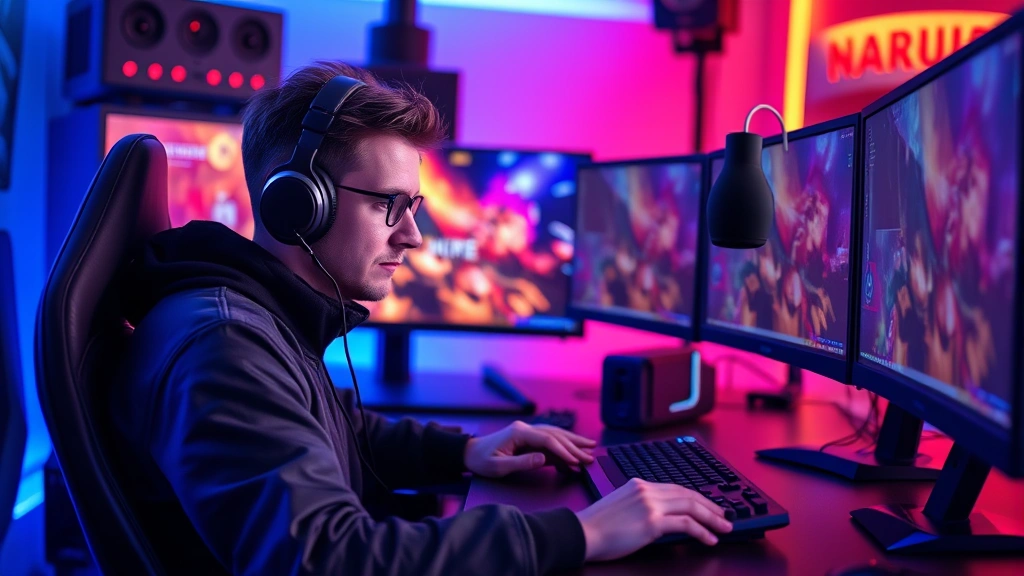
Top 10 Game Questions? Expert Insights
Whether you’re a seasoned veteran or just picking up a controller for the first time, gaming comes with plenty of burning questions. From technical performance to gameplay mechanics, storyline interpretations to competitive strategies, the gaming community constantly seeks answers to complex topics. This comprehensive guide addresses the most pressing game questions that players ask, providing expert insights and practical solutions to help you level up your gaming knowledge.
The beauty of modern gaming is its incredible diversity—spanning genres, platforms, and experiences that cater to every type of player. However, this diversity also means there’s a lot to learn and understand. Whether you’re wondering about frame rates, game optimization, the best titles to play, or how to improve your skills, we’ve compiled expert answers to the top questions that gamers consistently ask across forums, social media, and gaming communities worldwide.
What Makes a Game “Good”?
This is perhaps the most fundamental game question that players ask, and the answer is more nuanced than you might think. A good game isn’t defined by a single factor but rather a combination of elements working in harmony. Expert game critics and developers consistently point to several key components: engaging gameplay mechanics, compelling storytelling, responsive controls, and meaningful progression systems.
The definition of “good” varies dramatically depending on personal preferences. Some players prioritize narrative-driven experiences with branching storylines and character development, while others seek challenging gameplay that tests their reflexes and strategic thinking. A game like The Witcher 3 excels in narrative depth and world-building, while titles like Dark Souls are celebrated for their demanding combat mechanics and atmospheric design. Both are universally considered excellent games, yet they appeal to different audiences.
According to IGN’s gaming standards, a quality game should offer clear value for the player’s time investment, whether that’s through emotional engagement, skill development, or pure entertainment. The best games create a sense of flow—that magical state where challenge and skill are perfectly balanced, keeping you engaged without overwhelming frustration.
Should I Prioritize Graphics or Gameplay?
This debate has raged in gaming communities for decades, and the expert consensus is clear: gameplay always wins. However, this doesn’t mean graphics are irrelevant. Rather, graphics should serve the gameplay experience rather than overshadow it.
Many critically acclaimed indie games prove that stunning graphics aren’t necessary for an exceptional experience. Games like Hades, Celeste, and Hollow Knight feature pixel art or minimalist visual styles yet deliver some of the most satisfying gameplay experiences available. Conversely, technically beautiful games with poor mechanics often disappoint despite their visual prowess.
The real answer is balance. Modern gaming PC build considerations should account for both performance and visual fidelity, but if you must choose, prioritize a smooth, responsive gameplay experience. A game running at 60 frames per second with great controls will always feel better than a technically gorgeous game with input lag and clunky mechanics. Graphics create the first impression, but gameplay determines whether players stay engaged long-term.
Consider exploring the best indie games for PC to see how creative, well-designed games thrive regardless of their graphical fidelity.

Is PC or Console Gaming Better?
Another perennial game question that sparks passionate debate: which platform reigns supreme? The truth is that both PC and console gaming offer distinct advantages, and the “better” choice depends entirely on your priorities and lifestyle.
Console gaming offers simplicity, optimization, and consistency. When you buy a game for PlayStation 5 or Xbox Series X, developers have optimized it specifically for that hardware, ensuring a smooth experience without troubleshooting. Consoles also offer excellent exclusive titles and a straightforward social experience with friends. Additionally, console gaming often requires less upfront investment compared to high-end PC gaming.
PC gaming, conversely, provides unparalleled flexibility, customization, and performance potential. You can upgrade components individually, access a vast library through platforms like Steam, utilize mods and community content, and enjoy superior graphics settings. PC also serves as a multipurpose device for work and entertainment. The learning curve is steeper, but the rewards are substantial.
For those interested in both experiences, understanding your gaming PC build requirements can help you make an informed decision. Many players find the optimal solution is owning both platforms to enjoy exclusive titles and leverage each platform’s strengths.
How Important is Frame Rate?
Frame rate significantly impacts gaming experience, but its importance depends on the game genre and your personal sensitivity. This is a critical game question for anyone building new hardware or considering upgrades.
For competitive shooters, fast-paced action games, and fighting games, higher frame rates provide a competitive advantage. The difference between 60 FPS and 144 FPS is noticeable—smoother motion, reduced input lag, and quicker response times. Professional esports players prioritize frame rates above all else, often targeting 240+ FPS for optimal performance.
For single-player, story-driven games, the frame rate requirement is less demanding. Most players find 60 FPS perfectly acceptable, and even 30 FPS is tolerable for slower-paced games. Console games often target 30 FPS for visual fidelity or 60 FPS for performance modes, and both are considered standard.
The sweet spot for most gamers is 60 FPS, which provides smooth motion without requiring extreme hardware investment. However, if you’re serious about competitive gaming or own a high-refresh-rate monitor (144Hz or higher), investing in hardware capable of 100+ FPS is worthwhile. Check GameSpot’s performance benchmarks for specific game recommendations.
What’s the Best Way to Improve Gaming Skills?
Wanting to improve at games is natural, and fortunately, there are proven methods to accelerate skill development. This practical game question has clear, actionable answers.
First, play consistently. Like any skill, gaming improves through repetition and muscle memory development. Dedicate regular time to practice, even if it’s just 30 minutes daily. Second, play intentionally—focus on specific aspects you want to improve rather than casual play. In competitive games, this might mean practicing specific mechanics or studying opponent strategies.
Watch skilled players and learn from their decision-making. Platforms like Twitch and YouTube host countless educational streams and guides. Study how professionals approach different situations, positioning, and resource management. Many top players share detailed guides that can accelerate your learning curve significantly.
Record your gameplay and review it critically. This practice, which you can accomplish through recording gameplay on PC, helps you identify mistakes and areas for improvement. Watching yourself play reveals habits and patterns that might not be obvious during active gameplay.
Finally, maintain a growth mindset. Treat losses as learning opportunities rather than failures. Join communities, find mentors, and engage with other players at your skill level. The gaming community is remarkably supportive, and most experienced players are happy to help newcomers improve.
Are Single-Player Games Still Relevant?
With multiplayer games dominating revenue and player counts, many wonder if single-player experiences still matter. This concern-based game question deserves a resounding affirmative answer.
Single-player games remain incredibly relevant and continue to receive critical acclaim and commercial success. Recent years have seen masterpieces like Elden Ring, Baldur’s Gate 3, Final Fantasy VII Remake, and Starfield dominate discussions and win major awards. These games prove that players still crave deep, narrative-driven experiences and challenging gameplay without multiplayer components.
Single-player games offer distinct advantages: they provide complete, finished experiences without ongoing service requirements, they respect player time and pace, and they allow for bold creative decisions that might not work in multiplayer environments. They’re also ideal for players who prefer gaming on their own schedule without social pressure or competitive stress.
The resurgence of indie games with compelling single-player experiences further demonstrates the genre’s vitality. Studios continue investing in single-player titles because players continue buying them. The debate between single-player and multiplayer is ultimately unnecessary—both serve important roles in the gaming ecosystem.
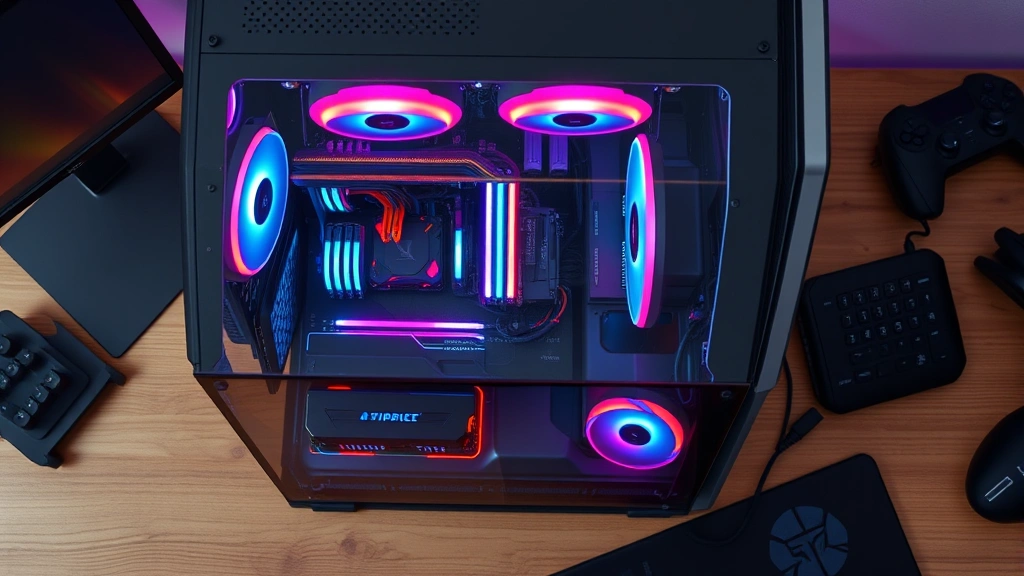
What Should I Look for in Gaming Hardware?
Choosing gaming hardware is a significant investment, and this practical game question requires careful consideration of multiple factors. Your specific needs depend on your gaming preferences and budget.
For PC gamers, the GPU (graphics card) is typically the most important component, followed by the CPU (processor). These two work together to determine performance and visual quality. RAM should be at least 16GB for modern gaming, and an SSD is essential for fast loading times. Your gaming PC build guide should prioritize these components based on your target frame rates and resolution.
For console gamers, the choice is simpler—pick PlayStation 5, Xbox Series X, or Nintendo Switch based on exclusive titles and your gaming preferences. Each offers excellent value with no upgrade path required during the generation.
For monitor selection, consider your refresh rate needs. 60Hz monitors are standard and sufficient for most games. 144Hz monitors are ideal for competitive players. 4K resolution looks beautiful but demands significant GPU power, while 1440p offers an excellent balance between visual quality and performance demands.
Don’t overlook peripherals. A quality gaming mouse, mechanical keyboard, and comfortable headset significantly enhance your experience. These components directly impact comfort during long gaming sessions and can improve competitive performance through better responsiveness and ergonomics.
How Do I Choose Between Thousands of Games?
Modern gaming libraries contain tens of thousands of titles, making selection paralysis a real phenomenon. This overwhelming game question affects many players trying to find their next great experience.
Start by identifying what you enjoy. Are you drawn to action, strategy, puzzle-solving, narrative, or competitive gameplay? Your answer immediately narrows the field significantly. Check review aggregators like Metacritic for critically acclaimed titles in your preferred genres. Visit the Game Forge Daily Blog for curated recommendations and detailed reviews.
Consider your available time. Some games demand 100+ hours for completion, while others offer satisfying experiences in 5-10 hours. Shorter games are perfect if you have limited gaming time, while longer games suit players who want deep, immersive worlds. Check “How Long to Beat” websites for accurate completion time estimates.
Look for best co-op games on Steam if you prefer playing with friends, or explore multiplayer options if social gaming appeals to you. Watch gameplay videos and read player reviews from platforms like Steam to understand if a game matches your expectations.
Don’t be afraid to try games outside your comfort zone. Many players discover new favorite experiences by taking chances on unfamiliar genres. Sales and subscription services like Game Pass make experimentation affordable.
Is Competitive Gaming Worth Pursuing?
With professional esports offering prize pools and sponsorships, many talented players wonder if competitive gaming is a viable path. This ambitious game question requires honest self-assessment.
Competitive gaming at professional levels is absolutely possible but demands serious commitment. Top players practice 8-12 hours daily, study game mechanics obsessively, and compete in tournaments regularly. The path requires natural talent, exceptional discipline, and often years of grinding before earning significant income.
However, competitive gaming offers tremendous value even if you never go professional. Joining competitive communities, participating in amateur tournaments, and pursuing ranked ladders provides engaging challenges, meaningful goals, and social connections. Many players find competitive gaming immensely rewarding without requiring professional aspirations.
According to major esports organizations, the industry continues growing, creating opportunities in content creation, coaching, and management alongside player positions. If you’re considering competitive gaming, start by excelling in ranked environments, join teams or communities, and see if you develop genuine passion for competition.
Remember that not all games are equally viable competitively. Established esports titles like League of Legends, Counter-Strike 2, Dota 2, and Valorant have established competitive scenes with clear progression paths. Newer games may offer opportunities but with less certainty.
How Can I Reduce Gaming-Related Strain?
Extended gaming sessions can cause physical strain, making this health-focused game question increasingly important. Fortunately, several evidence-based strategies minimize discomfort and prevent long-term injury.
Ergonomics matter tremendously. Invest in a proper gaming chair that supports your back, position your monitor at eye level, keep your arms parallel to the ground, and position your keyboard and mouse for neutral wrist alignment. These adjustments prevent repetitive strain injuries that can develop gradually over months.
Take regular breaks using the 20-20-20 rule: every 20 minutes, look at something 20 feet away for 20 seconds. This reduces eye strain significantly. During longer gaming sessions, take 5-10 minute breaks every hour to stretch, walk around, and rest your eyes.
Maintain good posture throughout gaming sessions. Slouching and hunching create unnecessary strain on your neck, shoulders, and back. Consciously maintain neutral spine alignment, even during intense moments when you might unconsciously tense up.
Strengthen your body with regular exercise. Gaming-specific stretches and exercises targeting your wrists, shoulders, and neck help prevent injury. Many professional gamers incorporate fitness routines to maintain peak physical condition.
If you experience persistent pain, numbness, or tingling, consult a healthcare professional. Conditions like carpal tunnel syndrome can develop from gaming and require professional treatment.
FAQ
What’s the most important factor in game quality?
Engaging gameplay mechanics consistently rank as the most crucial factor. A game with excellent controls, balanced difficulty progression, and satisfying feedback will keep players engaged far longer than a visually stunning game with poor mechanics. However, great games typically excel in multiple areas—gameplay, narrative, art direction, and sound design—working together cohesively.
Should I upgrade my gaming hardware regularly?
Upgrades depend on your goals and budget. If you’re achieving your target frame rates and enjoying current games, upgrades aren’t necessary. However, if you want to play demanding new titles at high settings or compete at higher frame rates, upgrades every 3-5 years are reasonable. Following PC build optimization strategies helps maximize your hardware’s lifespan.
Is cloud gaming the future of gaming?
Cloud gaming offers convenience and accessibility benefits, but currently has limitations with latency and image compression. Learn more about this emerging technology through understanding cloud gaming. It will likely become increasingly important but probably won’t completely replace local gaming hardware in the near future.
How do I find gaming communities?
Discord servers, Reddit communities, Twitch channels, and game-specific forums host active communities. Most games have official communities on platforms like Discord where you can find teammates, discuss strategies, and make friends. Joining communities enhances your gaming experience significantly.
What’s the best game for beginners?
This depends on your interests, but accessible games with adjustable difficulty include Celeste for platformers, Stardew Valley for relaxation, Minecraft for creativity, and Portal 2 for puzzle-solving. Check the best indie games for PC for more beginner-friendly recommendations.
Can gaming improve cognitive skills?
Research consistently shows that gaming improves problem-solving, strategic thinking, spatial awareness, and hand-eye coordination. Certain games also enhance memory, attention span, and decision-making under pressure. The key is playing games that challenge you mentally rather than mindless gameplay.