Top Beer Olympics Games: Fan Favorites List
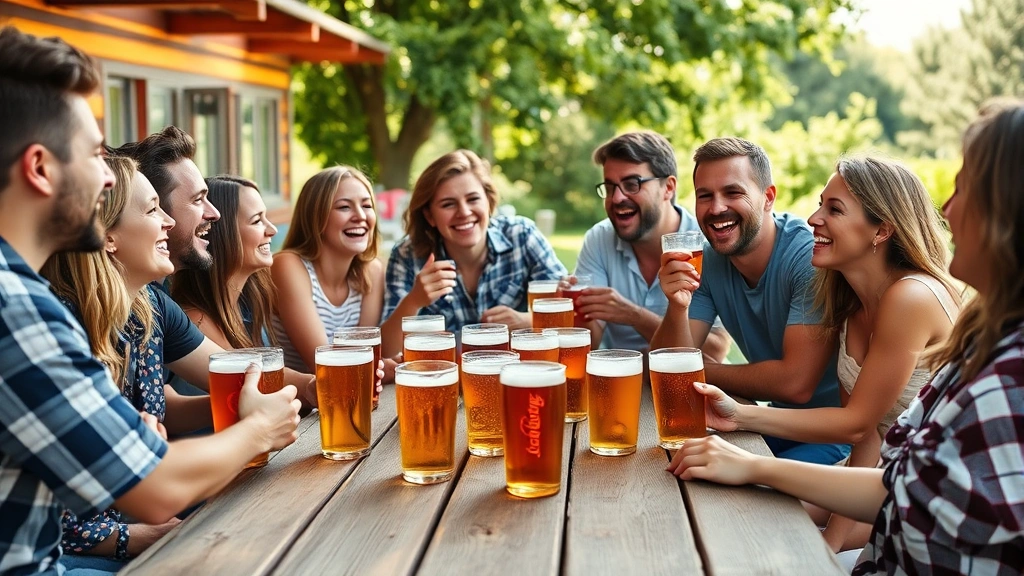
Beer Olympics has become a legendary party tradition that combines competitive spirit, social fun, and creative drinking games into one epic event. Whether you’re planning your first Beer Olympics or looking to elevate your next gathering, understanding the most beloved games is essential. These fan-favorite competitions have stood the test of time at parties across the globe, creating unforgettable memories and hilarious moments that get retold for years.
The beauty of Beer Olympics games lies in their simplicity mixed with competitive chaos. Unlike traditional video gaming where you might explore the best co-op games on Steam, Beer Olympics brings people together in real-world competition. These games require minimal equipment, maximum enthusiasm, and the willingness to embrace friendly rivalry. From classic relay races to skill-based challenges, each game brings its own flavor to the festivities.
Understanding Beer Olympics
Beer Olympics games represent a structured approach to party entertainment where teams compete across multiple events, accumulating points toward an overall championship. This format transforms a casual gathering into an organized tournament with genuine stakes and bragging rights. The concept draws inspiration from actual Olympic competitions but replaces athletic prowess with party game skills and drinking challenges.
The fundamental appeal of Beer Olympics lies in its inclusive nature. Unlike competitive video games where skill levels vary dramatically, these games level the playing field by focusing on teamwork, coordination, and good humor. Everyone can participate regardless of athletic ability, making it perfect for mixed-skill groups. Teams typically consist of four to six members, though formats vary based on group size.
When organizing your event, consider checking out resources like the GameForge Daily Blog for creative event planning ideas that can complement your Beer Olympics setup. The social aspect mirrors the community-driven nature of multiplayer gaming experiences.
Classic Relay Races
Relay races form the backbone of most Beer Olympics competitions. These games combine speed, coordination, and endurance while maintaining an entertaining spectator experience. The relay format ensures continuous action and keeps all participants engaged throughout the event.
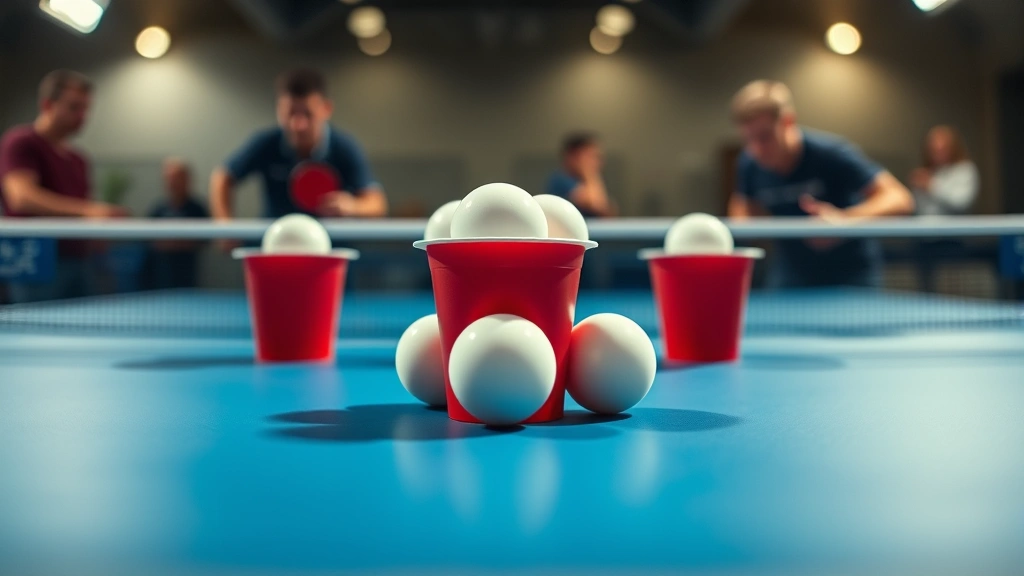
Beer Pong Relay stands as perhaps the most iconic Beer Olympics game. Teams line up with players taking turns throwing ping pong balls at cups arranged in a triangle formation. Each successful shot eliminates a cup, with the first team to eliminate all opposing cups advancing. The relay aspect means players tag in and out, creating momentum shifts and dramatic comebacks. This game requires precision, consistency, and mental fortitude under pressure.
Flip Cup delivers pure chaos and hilarity. Players stand in lines on opposite sides of a table, each with a cup of beer. After drinking, they must flip the cup using only their hand to land it upside down. The next teammate goes only after the previous player succeeds. This game tests hand-eye coordination and creates genuinely funny moments when cups refuse to cooperate.
Dizzy Bat combines drinking with disorientation. Players drink from a bat, spin around several times, then attempt to complete a task like running to a cone and back. The dizziness factor makes this game unpredictable and entertaining for everyone watching. It’s pure fun without requiring specific skills.
Beer Bonanza Relay involves running between stations, each featuring different challenges like chugging, shot-taking, or completing physical tasks. Teams rotate through stations, accumulating times that determine winners. This variation keeps energy high and prevents monotony across an entire tournament.
Skill-Based Challenges
Skill-based Beer Olympics games reward precision and consistency. These competitions showcase individual talents while contributing to team scores. They often become the most memorable events because they highlight standout performances.
Cornhole translates perfectly into Beer Olympics format. Teams throw bean bags at boards with holes, earning points for accuracy. The competitive nature comes naturally to this game, and it accommodates varying skill levels. Winners might advance while losers take drinks, creating natural consequences and motivation.
Quarters tests finger dexterity and coordination. Players bounce quarters off tables, attempting to land them in cups. Successful shots result in opponents drinking while building individual scores. This game separates casual players from those with genuine skill, making it exciting to watch experts perform.
Slap Cup combines speed and hand-eye coordination in rapid-fire format. Players sit around a table with cups in front of them. A ball gets passed around while players try to land it in cups. When successful, the player to their left must drink and chase. This game creates constant motion and laughter as players scramble around the table.
Chandelier requires throwing ping pong balls at a central cup surrounded by individual cups. Players who miss their targets must drink from the central cup, which fills throughout the game. Success rates drop as alcohol consumption increases, making this game progressively more challenging and entertaining.
Speed Drinking Competitions
Speed drinking games test pure consumption ability and mental toughness. These events often produce the most dramatic moments and impressive feats of endurance. They’re typically brief but intense competitions that create lasting memories.
Chug Race represents the simplest format: contestants drink predetermined amounts of beer as quickly as possible. The first to finish wins. Various formats exist, from individual races to relay variations where teammates take turns. This straightforward competition appeals to those confident in their drinking speed.
Shot Roulette adds an element of surprise. Participants take turns selecting shots, with some containing water while others contain stronger spirits. The randomness creates unpredictability, and players might get lucky or face difficult challenges. This game combines chance with consumption ability.
Medley Races involve consuming different beverages in sequence. Players might drink beer, then liquor, then something else, testing their ability to handle varied drinks quickly. The combination of different flavors and alcohol concentrations makes this genuinely challenging.
Slammer Shots feature shots dropped into beer, which players must consume rapidly. The combination creates an intense drinking experience that separates casual participants from serious competitors. This game often produces the loudest cheers and most enthusiastic reactions.
For those interested in competitive gaming experiences more broadly, exploring the best indie games for PC can provide similar competitive thrills in digital form, though Beer Olympics certainly offers more social interaction.
Team Games and Tournaments
Team-based games emphasize collaboration and strategy alongside individual performance. These competitions often determine overall Beer Olympics champions and create the most engaging tournament experiences.
Beer Pong Tournament typically features elimination brackets where teams compete in head-to-head matches. Winners advance while losers either continue in consolation brackets or exit the tournament. This structure maintains tension throughout the event and keeps all teams engaged until the final rounds.
Tug of War Drinking Edition combines physical strength with drinking challenges. Teams pull ropes while consuming drinks, testing both physical and mental endurance. The combination creates unique difficulty as fatigue from both drinking and pulling affects performance.
Scavenger Hunt Relay sends teams searching for items or completing photo challenges while maintaining drinking requirements. Teams might need to find specific objects, take pictures at locations, or complete dares between checkpoints. This game extends beyond the immediate party space and creates adventure.
Tournament Brackets organize multiple games into comprehensive scoring systems where points accumulate across various events. Teams might earn medals or achievements for first, second, and third place finishes in individual games, with overall champions determined by total points. This format rewards consistency and prevents single-game luck from determining ultimate victory.
When planning tournament logistics, consider consulting resources about gaming PC setups if you want to stream or record your event. Modern tournaments often benefit from video documentation of memorable moments.
Setting Up Your Event
Successful Beer Olympics require proper planning and organization. The setup determines whether your event flows smoothly or devolves into chaotic confusion.
Essential Equipment includes ping pong balls, cups, beer, liquor for shots, tables for games, and scoreboard materials. Different games require specific items, so inventory everything needed before the event starts. Having backup supplies prevents interruptions when things get damaged or lost.
Space Planning matters significantly. Designate areas for different games so multiple competitions can run simultaneously without interference. This keeps momentum high and prevents lengthy waits between games. Consider weather if hosting outdoors, as wind and rain affect games like cornhole and beer pong.
Team Formation should balance skill levels across teams. Mixing experienced and casual players creates more competitive matches. Random drawing works well for maintaining fairness and preventing accusations of favoritism. Clear team names and colors help with identification and team spirit.
Rule Clarification prevents disputes. Before starting, review rules for each game and establish house rules for edge cases. Having rules written down prevents arguments about specifics. Designate referees for contested plays and ensure everyone understands scoring systems.
Pacing and Scheduling keeps events running smoothly. Establish rough timeframes for each game and try to maintain them. Too-long games kill momentum while rushed games feel unsatisfying. Consider which games work best as openers versus finales—high-energy games work great early while more skill-focused games shine later.
Safety Considerations ensure everyone enjoys themselves responsibly. Establish drink limits, ensure non-drinking options exist for participants, and plan transportation for anyone who’s overindulged. Designate sober individuals to oversee proceedings and manage any issues that arise.
For those wanting to document your Beer Olympics event, learning how to record gameplay on PC can help you capture highlight moments for posterity, though smartphone recording often works just fine for party events.
Understanding what cloud gaming offers might seem unrelated, but streaming your event could involve similar technology if you want to broadcast to remote friends unable to attend.
FAQ
What are the most popular Beer Olympics games?
Beer Pong, Flip Cup, Cornhole, and Chug Race consistently rank as fan favorites. These games balance skill, speed, and entertainment value while remaining simple enough for casual players to enjoy. Beer Pong particularly dominates most tournaments due to its competitive nature and spectator appeal.
How many people do you need for Beer Olympics?
Most formats work best with eight to twenty-four participants divided into teams of four to six. Smaller groups can still play with modified rules, while larger groups benefit from running multiple games simultaneously. The ideal size depends on available space and how many games you plan to include.
What equipment is essential for Beer Olympics?
Basic requirements include ping pong balls, cups, beer, tables, and scoreboard materials. Specific games might need additional items like cornhole boards, quarters, or bean bags. Having backup supplies prevents interruptions when equipment gets damaged during enthusiastic competition.
Can you play Beer Olympics without alcohol?
Absolutely. Substitute non-alcoholic beverages like soda, juice, or water for beer and liquor. The games remain equally fun and competitive with alternative drinks. Many events include non-drinking participants who enjoy the competitive aspect without alcohol consumption.
How long does a typical Beer Olympics event last?
Most events run three to five hours depending on the number of games and teams. Shorter events might last two hours while comprehensive tournaments with many games could extend six hours or longer. Planning helps maintain appropriate pacing throughout the event.
What makes a good Beer Olympics host?
Effective hosts establish clear rules, maintain fair competition, keep energy high, and ensure everyone stays safe. They manage timing, settle disputes diplomatically, and create an inclusive atmosphere where all skill levels feel welcome. Good hosts also prepare adequate supplies and plan the layout thoughtfully.