How Long Are College Basketball Games? Expert Insights on Duration & Factors
If you’re planning to watch a college basketball game or attend one live, understanding the actual time commitment is essential. Unlike professional NBA games that follow strict timing regulations, college basketball games can vary significantly in length. Whether you’re a casual fan, a dedicated follower of March Madness, or someone curious about the sport, knowing what to expect helps you plan your evening or game-day experience accordingly.
College basketball games typically run between two to two and a half hours, though this can extend well beyond that timeframe depending on various factors. The actual playing time is just 40 minutes—two 20-minute halves—but the real-world duration involves stoppages, timeouts, fouls, and other elements that significantly impact how long you’ll be watching. Let’s dive deep into what influences these durations and why college games can sometimes feel longer than their NBA counterparts.
Standard College Basketball Game Length
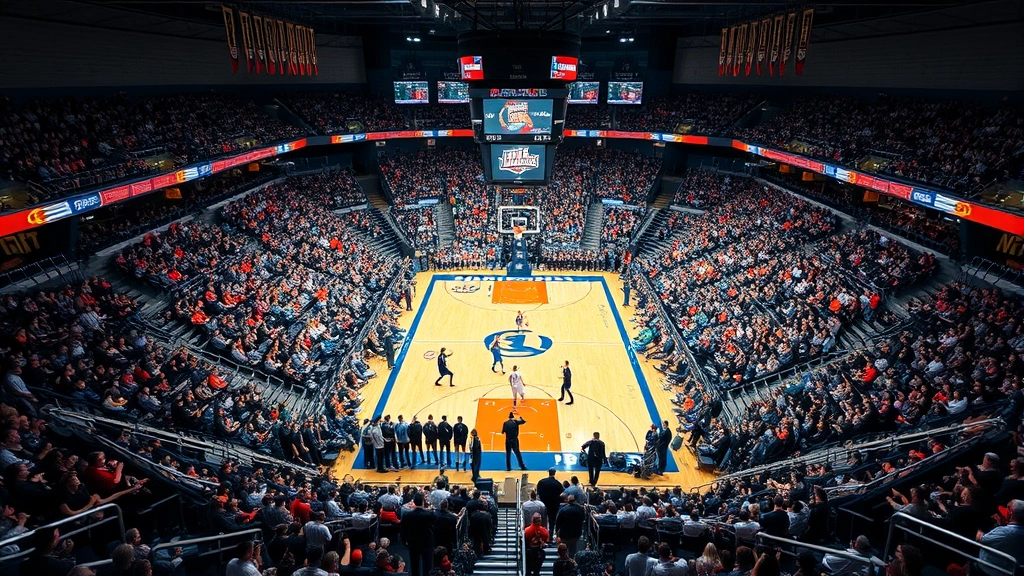
The official playing time in college basketball consists of two 20-minute halves, totaling 40 minutes of actual gameplay. However, this is where the simplicity ends. The clock stops frequently during play—whenever a foul is called, a player goes out of bounds, a timeout is taken, or an injury occurs. This constant stopping and starting means that a 40-minute game will realistically take between 90 to 150 minutes to complete, depending on how the game unfolds.
Most college basketball games, when played at a normal pace with typical foul calls and timeouts, last approximately two hours and fifteen minutes to two hours and thirty minutes. This timeframe assumes standard game flow without excessive fouls, technical issues, or unusual circumstances. Games played during the regular season tend to stick closer to this estimate, while tournament games might run longer due to increased intensity and more fouls.
The NCAA rulebook allows each team to use timeouts strategically throughout the game. In college basketball, teams get several timeouts per half to use for strategy adjustments, player rest, and momentum management. These timeouts, combined with free throw shooting and other stoppages, account for a substantial portion of the total game duration.
Factors That Extend Game Duration
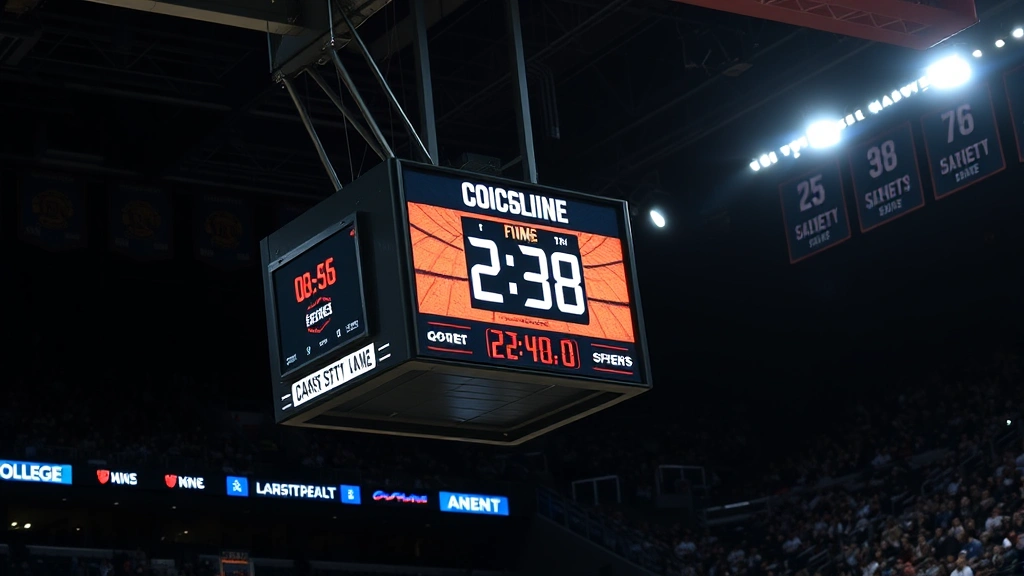
Fouls and Free Throws: One of the biggest variables affecting game length is the number of fouls called. When players commit fouls, the opposing team shoots free throws, which adds time to the game. Games with aggressive defensive play or teams that foul frequently can easily extend beyond the standard two-and-a-half-hour mark. A single foul can add 30 seconds to several minutes depending on whether it’s a shooting foul, technical, or flagrant foul.
Timeouts: College basketball allows for multiple timeouts per team per half. A full timeout can last up to 60 seconds, and when both teams use their timeouts strategically—especially late in close games—this adds significant time. Close games in the final minutes often feature back-and-forth timeouts that can extend the game considerably.
Halftime Intermission: The halftime break in college basketball typically lasts 15 to 20 minutes, though this can vary. During tournament play or televised games, halftime might extend to 20 minutes or more to accommodate entertainment, analysis, and commercial breaks. This alone adds nearly 20 minutes to your total viewing time.
Stoppages and Delays: Technical fouls, injuries, equipment issues, and other unexpected stoppages can add unpredictable amounts of time. If a player gets injured, the game pauses while medical staff attend to them. Technical fouls result in free throws plus possession changes, adding multiple minutes to game time.
Television Timeouts: When games are televised, the network has the authority to call television timeouts at specific points in each half. These timeouts are separate from team timeouts and are designed to accommodate commercial breaks. Television timeouts typically occur at the first dead ball under the 16-minute and 8-minute marks of each half, adding roughly 90 seconds to two minutes each.
Halftime Break Details
Halftime represents a significant chunk of your total game experience. The standard halftime break is 15 minutes, but in reality, most college basketball halftimes last 18 to 20 minutes when you factor in player warm-ups, band performances, and the time it takes for teams to return to the court.
For televised games on major networks like ESPN, halftime can extend to 20-25 minutes to accommodate studio analysis, highlight replays, and commercial breaks. This is particularly true during high-profile matchups, conference tournaments, and March Madness games where viewership is highest.
The halftime break serves important purposes beyond just giving players rest. Teams use this time to make strategic adjustments, address defensive weaknesses exposed in the first half, and provide motivational speeches. Coaches analyze game footage and discuss what’s working and what needs to change. For fans attending in person, halftime is an opportunity to grab concessions, use restrooms, or simply stretch.
Tournament Games and Special Circumstances
College basketball tournament games, particularly those during March Madness, often run longer than regular season games. Tournament games are more competitive, featuring teams with similar skill levels, which typically results in more fouls, closer scores, and more timeouts being used. Additionally, tournament games on television receive extensive coverage with longer halftime shows and analyst segments.
The NCAA Tournament features some of the most exciting basketball of the year, but you should be prepared for games potentially lasting two hours and 45 minutes to three hours or more. Elite Eight and Final Four games, in particular, can stretch beyond three hours due to their high stakes and competitive intensity.
Conference tournament championship games also tend to run long. These games determine NCAA Tournament seeding and automatic bids, so teams play with maximum intensity. The NCAA recognizes this and often schedules championship games at times that allow for extended broadcasts.
Overtime games are another special circumstance. College basketball overtime periods are five minutes long, and if the game remains tied after the first overtime, additional five-minute overtimes continue until there’s a winner. Each overtime period can add 15-20 minutes to total game time, so a double-overtime game could easily exceed three and a half hours.
Comparison with NBA Games
NBA games operate under different timing rules than college basketball. The NBA uses 12-minute quarters (48 minutes total), compared to college’s 20-minute halves (40 minutes total). However, the actual duration of NBA games typically ranges from two hours and 15 minutes to two hours and 45 minutes, which is remarkably similar to college games despite the longer official playing time.
This similarity exists because NBA games have fewer stoppages for fouls—the NBA’s flagrant foul rules and defensive three-second violations create different foul patterns. Additionally, NBA teams have fewer timeouts available, which reduces downtime. However, NBA television timeouts and the entertainment-heavy halftime shows (featuring professional performers) offset these differences.
If you enjoy basketball and want to explore more gaming content, check out our best co-op games guide for entertaining experiences you can enjoy with friends, or explore the best single-player games of 2025 for immersive solo adventures.
Tips for Planning Your Game Day
Allocate Three Hours: When planning to watch or attend a college basketball game, budget three hours total to be safe. This accounts for pre-game content, the full game duration, and any post-game analysis if watching on television. For in-person attendance, arriving 30 minutes early means you’ll be there for three and a half hours.
Check Game Schedules: If watching on television, check the scheduled start time and duration listed by the network. Major networks like ESPN College Basketball list estimated game durations based on historical data for specific matchups and conferences.
Prepare for Overtime: If you’re watching a closely matched game between evenly skilled teams, be mentally prepared for overtime. Tournament games are particularly prone to close finishes. Having flexibility in your schedule helps you fully enjoy these exciting moments without worrying about time constraints.
Consider Conference Differences: Different conferences have different playing styles. High-scoring, fast-paced conferences might have fewer fouls and shorter games, while defensive-minded conferences might see more fouls and longer games. The NCAA official site provides conference-specific statistics.
Understand Television Factors: If watching on TV, remember that your local broadcast might include pre-game shows starting 30 minutes before tip-off. Networks often have post-game analysis lasting 15-30 minutes, so the total time commitment extends beyond just the game itself.
Plan Refreshments: Whether attending in person or watching at home, have snacks and beverages ready. A two-to-three-hour commitment deserves proper sustenance. For in-person attendance, budget time and money for arena concessions, which can be pricey but are part of the full experience.
For those interested in gaming experiences that capture competitive sports atmospheres, our GameForge Daily Blog covers various sports gaming titles and esports-themed games that might interest basketball fans.
FAQ
What is the exact duration of a college basketball game?
College basketball games officially consist of two 20-minute halves (40 minutes total playing time), but realistically last between two hours and 15 minutes to two hours and 45 minutes when accounting for stoppages, timeouts, and halftime. Tournament games often extend beyond three hours.
Why do college basketball games take longer than the official 40 minutes?
The game clock stops frequently for fouls, free throws, timeouts, injuries, and out-of-bounds calls. Television timeouts add additional stoppages, and halftime typically lasts 15-20 minutes. These factors combined mean the actual elapsed time is three to four times longer than official playing time.
How long is halftime in college basketball?
Standard halftime is 15 minutes, but most games run 18-20 minutes when including player warm-ups and return to court. Televised games, especially during tournaments, can extend halftime to 20-25 minutes for commercial breaks and analysis.
Are college basketball games longer than NBA games?
Not significantly. While NBA games have 48 minutes of official playing time versus college’s 40 minutes, actual game duration is similar—typically two hours and 15 minutes to two hours and 45 minutes for both. NBA games have fewer fouls and timeouts, offsetting the longer official time.
How long do overtime games last?
College basketball overtime periods are five minutes long. Each overtime adds approximately 15-20 minutes to total game time. Double-overtime games can extend the total duration to three and a half hours or more.
What adds the most time to college basketball games?
Fouls and free throws are the primary time-extenders. Television timeouts, team timeouts, and halftime also contribute significantly. Games with aggressive defense or close scores tend to run longer due to increased fouls and strategic timeout usage.
Should I plan for three hours when attending a college basketball game?
Yes, absolutely. Budget three hours for the game itself, plus arrival time if attending in person. This ensures you have a comfortable experience without time pressure and accounts for unexpected delays or overtime.