How Many Baseballs Are Used in an MLB Game? Expert Insight
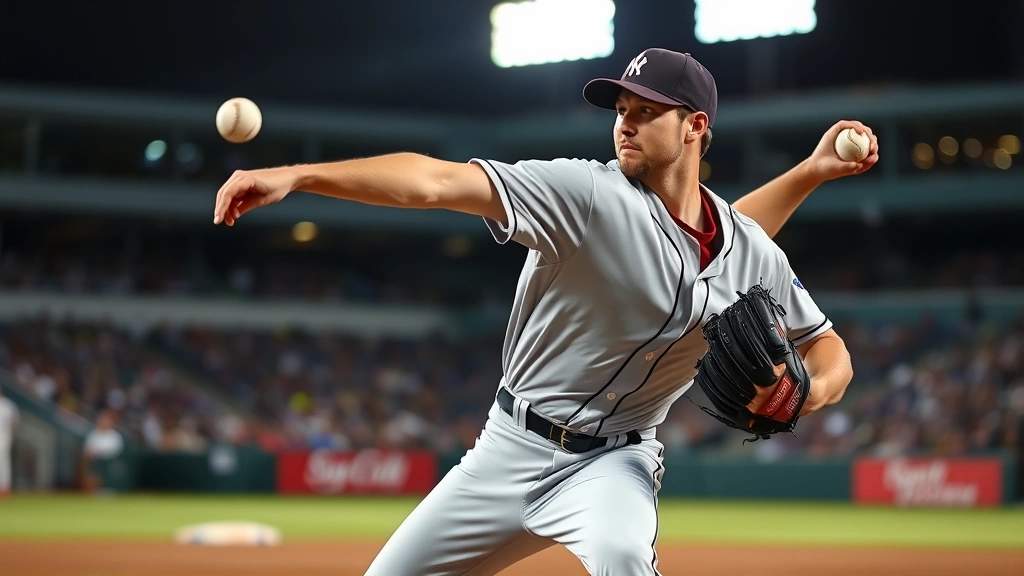
Baseball fans often wonder about the behind-the-scenes logistics that keep Major League Baseball running smoothly. One question that rarely gets discussed but significantly impacts the sport is: how many baseballs are actually used during a single MLB game? The answer might surprise you. Unlike what casual viewers might assume, MLB doesn’t use just a handful of balls per game. Instead, teams go through dozens of baseballs throughout nine innings, with strict quality control standards ensuring every pitch meets official specifications.
The sheer volume of baseballs consumed during professional baseball games reflects the sport’s commitment to fairness, player safety, and competitive integrity. From spring training through the World Series, understanding baseball consumption rates reveals fascinating insights into sports operations, equipment management, and the economics of professional athletics.
Typical Baseball Count Per Game
During an average MLB game, approximately 60 to 120 baseballs are used, though the exact number varies considerably based on game circumstances. Most games fall in the 80-100 range, meaning teams consume nearly one baseball per inning on average. This substantial quantity ensures that players always have fresh equipment meeting strict league standards.
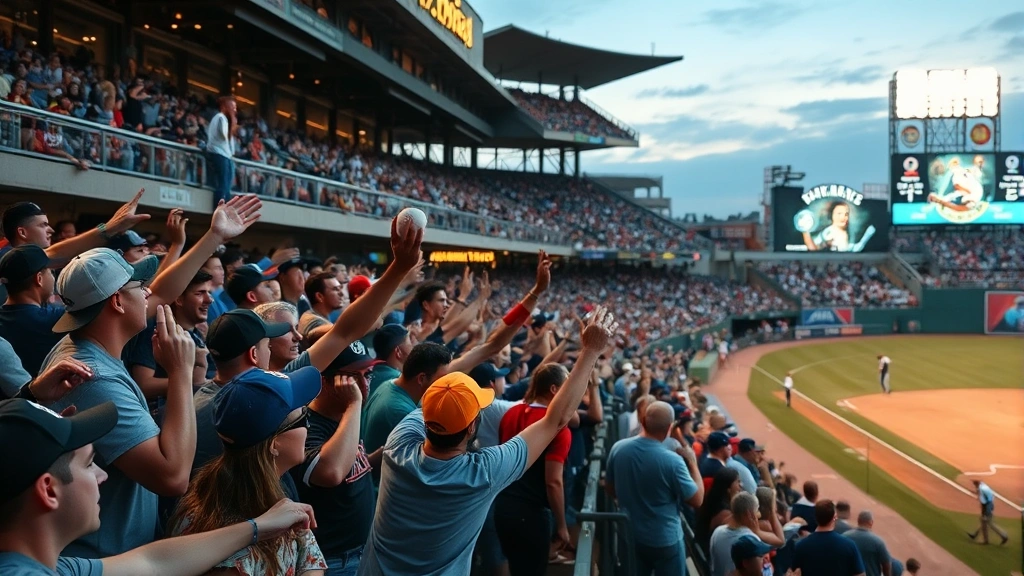
The primary reason for this high usage rate involves foul balls. When a batter hits a foul ball into the stands, that baseball becomes property of the fan who catches it. Unlike other sports where equipment is quickly retrieved and returned to play, baseball relies on a continuous supply of new balls to maintain game momentum. A single foul ball into the crowd means one fewer ball available for subsequent pitches.
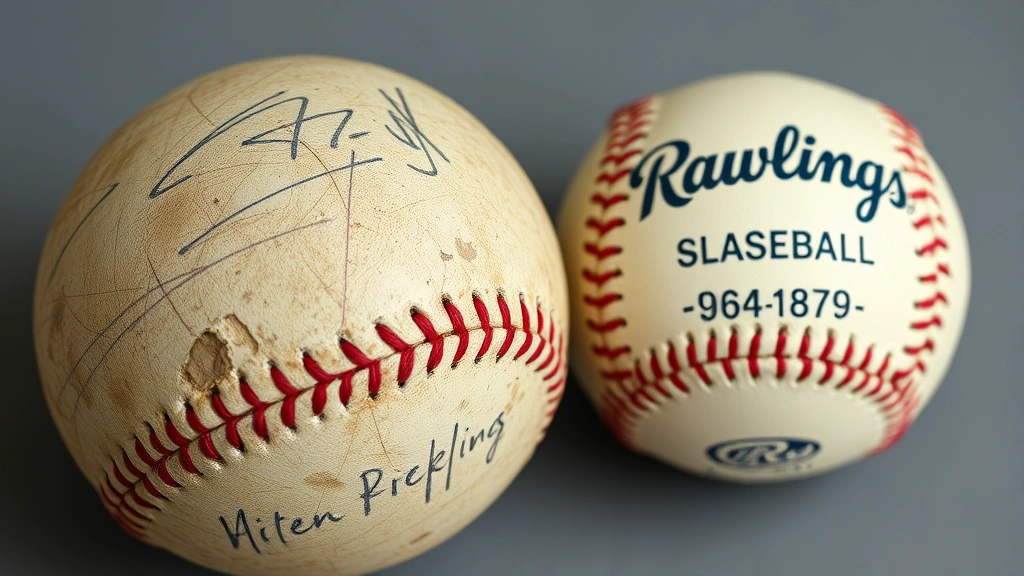
Pitchers also contribute to baseball consumption through scuffing and wear. Professional pitchers throw fastballs exceeding 95 mph, which creates surface damage on the leather. Even minor scuffs or dirt accumulation can affect ball flight characteristics, so umpires frequently request fresh baseballs throughout games. Additionally, foul tips that nick the bat handle can damage the baseball’s cover, requiring immediate replacement.
Why So Many Baseballs Are Needed
Understanding why MLB requires so many baseballs per game involves examining multiple factors that contribute to equipment wear and loss:
- Foul Balls into the Stands: This represents the single largest contributor to baseball consumption. Fans catching foul balls keep them as souvenirs, permanently removing them from circulation. A typical game generates 20-40 foul balls that travel into the bleachers.
- Damaged or Scuffed Balls: Pitched baseballs experience tremendous impact forces. Batters hitting fastballs at high velocities can crack or deeply scuff the leather cover. Pitchers throwing breaking balls that bounce in the dirt accumulate mud and damage. Umpires maintain authority to request new balls whenever they determine current equipment is compromised.
- Weather Conditions: Rain-soaked baseballs become slippery and unpredictable. Cold weather makes leather brittle. Hot, dry conditions can cause the ball to become hard and unpredictable. Weather changes throughout games necessitate equipment substitutions.
- Home Run Balls: When batters hit home runs, those baseballs also become permanent losses, though technically fewer in quantity than foul balls.
- Pitcher Preferences: Some pitchers request specific baseballs for particular situations. Relief pitchers warming up in the bullpen might use separate balls. This allows pitchers to develop feel and consistency with their preferred equipment.
For context on sports equipment logistics, check out our guide on gaming PC build guide to understand how attention to detail matters in high-performance environments.
Official MLB Baseball Specifications
The official MLB website maintains strict specifications for game baseballs, explaining why teams cannot simply reuse worn equipment. Each baseball must weigh between 5 and 5.25 ounces and measure between 9 and 9.25 inches in circumference. The leather cover consists of two white cow-hide panels stitched together with red thread featuring exactly 108 stitches.
Rawlings has manufactured official MLB baseballs since 1977, maintaining quality control standards that ensure consistency across all games. The manufacturing process involves precise construction techniques, and even minor deviations from specifications can affect ball flight, spin rates, and player performance. This explains why umpires frequently inspect baseballs and why worn equipment gets removed from play.
The ball’s core composition includes cork and rubber materials that provide the characteristic bounce and responsiveness baseball requires. These materials degrade with use, which is why heavily scuffed or dirty balls perform differently than fresh equipment. Professional players can detect these differences instantly, which is why ESPN’s baseball coverage often highlights how ball conditions affect gameplay.
Equipment Management and Costs
Managing baseballs represents a significant operational expense for MLB franchises. At approximately $5-7 per baseball at wholesale rates, consuming 80-100 balls per game translates to roughly $400-700 per game in equipment costs. Over an 81-game home season, this amounts to $32,400-$56,700 annually per team just for baseballs—and that’s before accounting for spring training and playoff games.
MLB teams employ dedicated equipment managers responsible for tracking, organizing, and maintaining baseball inventory. These professionals ensure sufficient supplies exist for regular season games, and they coordinate with Rawlings to guarantee consistent supply chains. Equipment managers also handle the ceremonial duty of providing game balls to umpires before each contest.
The economics extend beyond individual team costs. When fans catch foul balls, they’re essentially claiming merchandise that originally cost the team money. However, this tradition has become central to baseball culture, and attempting to reduce foul ball losses would fundamentally change the fan experience. Some teams have experimented with netting to protect fans, but this doesn’t affect ball consumption rates significantly.
Factors Affecting Baseball Usage
Not every game uses the same number of baseballs. Several variables influence consumption rates:
- Pitcher Efficiency: Games featuring dominant pitchers with low pitch counts produce fewer foul balls and require fewer ball changes. A pitcher throwing a complete game might generate fewer ball changes than a game requiring five pitchers.
- Batter Performance: Teams with aggressive batters who frequently foul off pitches consume more baseballs. Conversely, games with strikeout-heavy pitching produce fewer foul balls.
- Weather Conditions: Windy conditions increase foul ball frequency. Rainy games require more frequent ball changes due to moisture affecting grip and performance.
- Stadium Configuration: Different ballpark dimensions and seating arrangements affect foul ball frequency. Stadiums with more accessible foul territory might lose more balls to fans.
- Game Competitiveness: High-scoring, back-and-forth games typically last longer and produce more total pitches, requiring additional baseballs compared to lopsided contests.
If you’re interested in understanding operational complexity in competitive environments, our article about how long does a hockey game last explores similar logistical considerations in different sports.
Professional Baseball Supply Chain
The supply chain ensuring adequate baseball availability for MLB games involves sophisticated coordination between manufacturers, distributors, and teams. Rawlings maintains production facilities specifically dedicated to manufacturing official league baseballs, with quality control measures that exceed standard manufacturing requirements.
Teams typically maintain inventory reserves of 200-300 baseballs on hand for home games, accounting for potential increased consumption due to weather or unexpected circumstances. During playoff games, supplies increase even further because these high-stakes contests often last longer and generate more foul balls due to increased batter patience and pitcher caution.
Spring training games also consume substantial baseball quantities, though these are sometimes slightly lower-grade balls compared to regular season equipment. This allows teams to test newer inventory and manage supply costs while maintaining consistent quality standards. Minor league affiliates sometimes receive used but still-serviceable baseballs from major league teams, extending equipment lifecycles.
The sustainability aspect of baseball consumption has generated discussion among environmental advocates. Some organizations have explored recycling programs for used baseballs, though the practical applications remain limited. Most used baseballs eventually end up in training facilities, batting cages, or recreational play where their diminished performance characteristics prove less critical than during professional games.
For understanding how modern sports operations incorporate technology and logistics, explore our how to record gameplay on PC article about capturing sports content and understanding production workflows.
FAQ
How many baseballs does each team bring to games?
MLB teams typically bring 150-200 baseballs to home games, with additional supplies available if needed. This ensures adequate inventory for the 80-120 baseballs typically used during games, plus reserves for unexpected situations or weather-related increases in consumption.
Do baseballs get reused in different games?
Baseballs used in official MLB games are not reused for subsequent games. Once a baseball is marked as game-used, it becomes part of the historical record. However, practice and training baseballs are reused extensively until they become too damaged for any use.
What happens to foul balls caught by fans?
Fans who catch foul balls keep them as souvenirs. This is standard baseball tradition, and teams accept this permanent loss of equipment as part of the fan experience. Some fans later donate these balls to charity auctions or keep them as collectibles.
Why can’t MLB just use cheaper baseballs?
Cheap baseballs don’t meet official specifications regarding weight, circumference, and materials. These specifications exist to ensure consistent playing conditions and competitive fairness. Using substandard equipment would disadvantage teams and compromise game integrity, which is why official Rawlings baseballs are mandatory.
Has baseball consumption changed over time?
Modern MLB games consume more baseballs than historical games due to several factors: increased foul ball frequency from modern hitting techniques, stricter quality control standards, and umpires more readily replacing worn equipment. Additionally, increased attendance and fan participation in catching foul balls contributes to higher consumption rates.
Do playoff games use more baseballs?
Yes, playoff games typically consume more baseballs than regular season contests. These games often feature longer at-bats, more cautious pitcher strategies, and increased batter patience, all contributing to higher pitch counts and foul ball frequency.
How does weather affect baseball usage rates?
Rain requires frequent ball changes because wet baseballs become slippery and unpredictable. Cold weather makes leather brittle, potentially causing cracking. Wind increases foul ball frequency. Hot, dry conditions can affect ball performance characteristics. All these weather factors necessitate additional ball changes throughout games.
Are there any sustainability efforts regarding used baseballs?
Some MLB organizations participate in programs donating used baseballs to youth baseball programs, schools, and charitable organizations. However, most professional-grade used baseballs eventually enter recreational play or training environments rather than formal recycling programs.
Understanding the comprehensive logistics behind baseball consumption reveals how much attention professional sports invest in maintaining consistent, fair playing conditions. From equipment specifications to supply chain management, MLB’s commitment to using fresh baseballs throughout every game reflects the sport’s dedication to competitive integrity. Whether you’re a casual fan or serious baseball enthusiast, appreciating these behind-the-scenes operations deepens your understanding of why America’s pastime remains such a carefully orchestrated professional enterprise.