Monikers Game Review: Why It’s a Party Hit
If you’re searching for the ultimate party game that guarantees laughter, creativity, and unforgettable moments with friends and family, Monikers deserves a spot on your gaming shelf. This innovative party game combines the best elements of charades, Taboo, and rapid-fire guessing into one hilariously entertaining package that works perfectly for both casual gamers and seasoned board game enthusiasts.
Monikers stands out in the crowded party game landscape because it evolves throughout gameplay. Unlike traditional games that follow the same rules from start to finish, Monikers introduces new mechanics in each round, keeping players engaged and preventing the experience from becoming stale or predictable. Whether you’re hosting a weekend gathering, celebrating a special occasion, or simply looking for quality entertainment, this game delivers consistent fun across multiple playthroughs.
In this comprehensive Monikers game review, we’ll explore what makes this party phenomenon tick, examine its gameplay mechanics, discuss why it’s become a staple at game nights, and help you determine if it’s the right addition to your collection. Let’s dive into what makes Monikers such a beloved choice among party game aficionados.
What Is Monikers?
Monikers is a party game published by Bling Bling Games that blends acting, describing, and one-word clues into an exciting team-based competition. The game features a deck of cards containing famous personalities, fictional characters, and pop culture references that players must help their teammates identify. What sets this Monikers game apart from countless imitators is its ingenious progressive difficulty system that transforms the challenge with each successive round.
The core concept revolves around teams competing to identify as many cards as possible within a time limit. Players take turns as the “describer,” attempting to communicate the identity of a character or celebrity to their teammates without saying the actual name. As rounds progress, the rules become increasingly restrictive, forcing players to adapt their communication strategies and creating escalating hilarity.
This game has gained tremendous popularity in recent years, becoming a favorite recommendation among board game communities and party game enthusiasts. Its accessibility to newcomers combined with surprising depth makes it appealing across diverse age groups and gaming experience levels. Whether you’re into cooperative gaming experiences or competitive entertainment, Monikers delivers engaging social interaction that strengthens bonds between players.
Gameplay Mechanics and Rules
Understanding the fundamental mechanics of Monikers is essential for appreciating why it functions so effectively as a party experience. The game operates through a deceptively simple framework that becomes increasingly complex and entertaining as players progress.
Round One: The Description Round serves as the game’s introduction. During this round, one player acts as the describer and can say anything except the actual name on the card. Describers use creative language, comparisons, famous quotes, and detailed explanations to help teammates guess correctly. This round establishes the foundation for subsequent rounds while allowing newer players to become comfortable with the game’s rhythm and pacing.
Round Two: The One-Word Clue Round dramatically shifts the difficulty level. Describers can now only provide a single word as a clue. This constraint forces players to think strategically about which singular word will most effectively trigger recognition. A describer might use “Jaws” for the character Aquaman or “Wizard” for Harry Potter. The limitation creates unexpected comedy as teams struggle to interpret increasingly abstract single-word hints.
Round Three: The Charades Round eliminates verbal communication entirely. Describers must act out the character or personality without speaking, relying purely on physical performance and mime. This round often produces the most laughter as players attempt absurd physical interpretations of complex concepts and personalities.
Each round uses the same deck of cards, but players have already heard previous descriptions and clues. This cumulative knowledge means that even unsuccessful guesses from earlier rounds provide valuable context, creating a unique dynamic where game history directly impacts current gameplay.
How the Rounds Progress
The progression system in Monikers represents its greatest design achievement. Rather than playing multiple completely separate games, players cycle through rounds using the same cards repeatedly. This creates an elegant escalation where familiarity combines with increasing restrictions to generate mounting tension and hilarity.
After Round One completes, players move to Round Two using the exact same deck. However, only cards that weren’t successfully guessed in Round One remain in play. This means teams benefit from the descriptive information provided during earlier attempts. A card that stumped everyone in Round One might suddenly become obvious when described with a single word, since players remember previous context and clues.
The final round maintains this same pattern. Cards remaining after Round Two face the ultimate challenge of charades-only communication. By this point, players have heard extensive descriptions and attempted various clues, making some characters surprisingly recognizable through mime alone, while others remain devastatingly difficult.
This innovative structure prevents the game from becoming repetitive and maintains engagement throughout. Players experience genuine excitement when a card they couldn’t identify in earlier rounds finally gets guessed in the final round. The system also rewards good note-taking and attention, as players who remember previous clues gain significant advantages.
Components and Build Quality
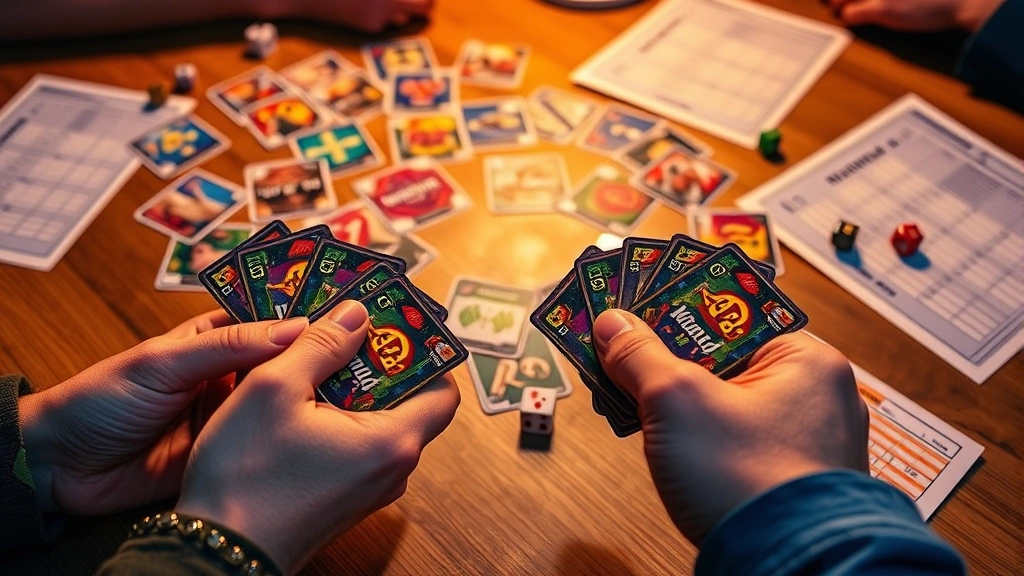
Monikers delivers impressive component quality that reflects its popularity and success in the board game market. The game includes a sturdy box containing several essential elements that together create a polished package.
Card Deck Quality: The game features a robust deck of cards with clear, readable text and durable cardstock. The cards withstand frequent shuffling and handling without showing excessive wear. Each card includes a character or personality name with supporting information that helps players understand who they’re describing, which proves particularly valuable for younger players or those unfamiliar with certain references.
Sand Timer: A reliable sand timer keeps rounds moving at an appropriate pace, typically allowing 60 seconds per round. The timer creates urgency that amplifies the game’s entertainment value, forcing players to make quick decisions and rapid-fire guesses rather than prolonged deliberation.
Score Tracking: While not essential, the included score sheets and pencils help teams keep track of successful identifications across rounds. Score tracking adds a competitive element that many groups appreciate, though casual players can easily ignore scoring in favor of pure entertainment.
Rulebook: The included rulebook clearly explains mechanics through well-organized sections and helpful examples. The straightforward presentation ensures that new players can grasp the concept within minutes, making Monikers exceptionally accessible to gaming newcomers.
Player Count and Game Duration
Monikers accommodates various group sizes, making it remarkably flexible for different party scenarios. The game works best with 4 to 8 players divided into two teams, though it can function with as few as 3 players or as many as 12 or more with slight rule modifications.
With smaller groups, the game feels more intimate and allows for greater individual participation. Each player gets more frequent turns as the describer, resulting in more varied interpretations and perspectives. Smaller groups typically complete games more quickly, usually within 20 to 30 minutes depending on player familiarity with the cards and personalities referenced.
Larger groups create more chaotic, unpredictable energy that many players find more entertaining. However, larger groups mean longer waits between individual turns, which can test player patience during less exciting moments. The general rule suggests that games with 6 to 8 players hit the sweet spot between engagement and pacing.
Total game duration typically ranges from 30 to 60 minutes depending on group size, player experience, and how thoroughly teams engage with the competitive elements. Most groups find that one complete game (all three rounds) fits comfortably into an evening’s entertainment schedule, often leaving time for multiple playthroughs if everyone remains enthusiastic.
Why It’s a Party Hit
Monikers has achieved party game status through a combination of factors that distinguish it from countless competitors. Understanding these elements explains its sustained popularity and why gaming groups continue recommending it enthusiastically.
Universal Accessibility: Unlike many party games that require specific knowledge or skills, Monikers welcomes players of all experience levels. Newcomers can immediately participate and contribute meaningfully without requiring previous board game experience. The game doesn’t punish casual players while still offering depth for competitive groups.
Consistent Entertainment: The progressive difficulty system ensures that the game remains entertaining throughout its duration. Players don’t experience the common party game problem where initial excitement gives way to tedious repetition. Each round feels genuinely different despite using the same card deck.
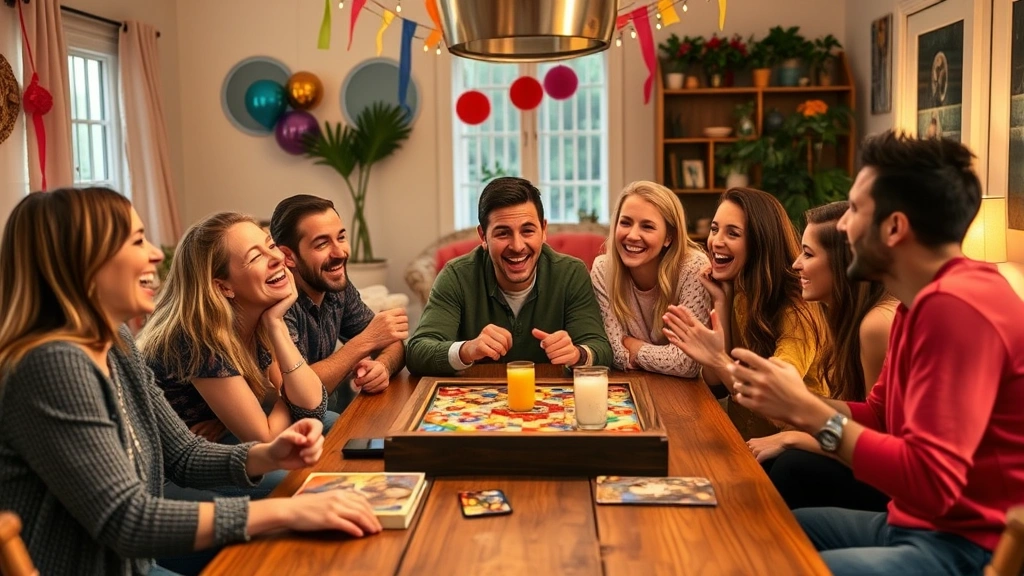
Social Interaction: Monikers facilitates genuine human connection and shared laughter. The game creates memorable moments as players witness hilarious descriptions, bizarre charades performances, and unexpected creative interpretations. These moments become conversation topics long after the game ends.
Minimal Setup and Downtime: Unlike complex strategy games requiring extensive setup and individual turns, Monikers maintains constant engagement. Even when not actively describing, players participate as guessers, keeping everyone invested in the action.
Customizable Experience: Groups can easily modify rules or card selections to match their preferences. Some groups focus purely on entertainment, while others embrace competitive scoring. This flexibility allows Monikers to serve multiple purposes within different social contexts.
If you’re looking for games that encourage similar social interaction, consider exploring our guide to best indie games for PC, though Monikers specifically excels as a physical, in-person entertainment option.
Strategic Elements and Tactics
While Monikers appears straightforward on the surface, experienced players develop sophisticated strategies that significantly impact performance. Understanding these tactical elements adds depth to repeated playthroughs and competitive sessions.
Card Selection Strategy: Teams benefit from developing a system for remembering which cards appeared in previous rounds. Players who mentally categorize cards by difficulty can anticipate challenges and plan their approaches accordingly. Some cards naturally transition better between rounds than others, and experienced players learn to recognize these patterns.
Describer Selection: Choosing the right person as describer matters significantly. Some players excel at creative descriptions, while others shine during charades performances. Strategic teams rotate describers based on their strengths and the current round’s requirements. A brilliant mime might struggle with one-word clues, while a witty raconteur might perform poorly during charades.
Clue Optimization: In the one-word clue round, experienced players develop intuition about which single words resonate most effectively with their teammates. This requires understanding teammate psychology and shared cultural references. Describers learn which words trigger recognition fastest and which creative associations work best with specific individuals.
Note-Taking: Serious players maintain mental notes of all previous descriptions and clues. This information proves invaluable in later rounds when cards become recognizable through accumulated context. Teams that remember “the actor from that movie” descriptions gain significant advantages when attempting charades.
Time Management: The sand timer creates pressure that affects decision-making. Strategic teams develop rapid response patterns and avoid overthinking guesses. Some cards intentionally get skipped to maximize time spent on more gettable options, a tactic that experienced players employ effectively.
Expansion Packs and Additional Content
The Monikers universe extends beyond the base game through several expansion packs that introduce fresh card selections while maintaining the core gameplay experience. These expansions allow players to refresh their card decks and prevent the game from becoming stale through repeated plays.
Monikers: Classics focuses on timeless personalities and characters from entertainment history, film, television, and popular culture spanning multiple decades. This expansion appeals to groups with diverse age ranges and appeals to players who enjoy nostalgic references.
Monikers: Pantomime specializes in concepts, actions, and objects rather than personalities, making it particularly suited for the charades round. These cards often prove more physically expressive and create different comedic moments compared to personality-based cards.
Monikers: After Dark contains more mature references and edgier humor suitable for adult-only groups. This expansion maintains the core gameplay while adapting content for specific audience preferences.
Expansions can be mixed and matched with the base game or played independently, offering flexibility in how groups customize their experience. Many dedicated players own multiple expansions, rotating them to maintain freshness across numerous playthroughs.
How It Compares to Other Party Games
The party game market includes numerous options, each with distinct strengths. Understanding how Monikers positions itself relative to competitors helps potential buyers make informed decisions about which games suit their needs.
Versus Codenames: While Codenames emphasizes deduction and wordplay, Monikers focuses on entertainment and acting. Codenames rewards linguistic creativity, while Monikers rewards entertainment value and physical performance. Both excel in different contexts, and many groups enjoy owning both.
Versus Telestrations: Telestrations combines drawing and written descriptions for humorous results, while Monikers emphasizes verbal and physical communication. Telestrations appeals to artistically inclined players, whereas Monikers works better for those preferring performance-based gameplay.
Versus Charades: Traditional charades requires no equipment but lacks the structured progression that Monikers provides. Monikers essentially elevates charades with additional rounds and rule variations, creating more varied entertainment from familiar mechanics.
Versus Apples to Apples: Apples to Apples involves judgment and opinion, while Monikers focuses on identification and communication. Apples to Apples works well for groups enjoying humor-based judgment, while Monikers rewards creative description and physical performance.
For groups seeking diverse entertainment options, consider exploring best single player games for solo entertainment alternatives, though Monikers specifically excels as a multiplayer party experience.
Industry experts and gaming publications consistently recognize Monikers as a top-tier party game. IGN and GameSpot frequently recommend it for group entertainment, while BoardGameGeek maintains high user ratings reflecting its popularity among dedicated board game enthusiasts.
FAQ
What’s the minimum player count for Monikers?
While Monikers technically works with 3 players, it functions best with at least 4 players divided into two teams. With fewer players, the game loses much of its interactive energy and entertainment value. Larger groups of 6 to 8 players typically create the most engaging experience.
How long does a typical game take?
Most complete games last between 30 to 60 minutes depending on group size and experience level. Smaller groups typically finish faster, while larger groups with extensive discussions between guesses may take longer. The sand timer keeps individual rounds to about 60 seconds.
Can I play Monikers with children?
The base game works for children aged 8 and up, though younger children benefit from having familiar personalities on the cards. Some expansions contain mature content unsuitable for children, so verify the specific expansion before including younger players.
Do I need to know who all the people are on the cards?
While familiarity with referenced personalities helps, Monikers includes brief descriptions on cards that provide context. Players unfamiliar with specific references can still participate effectively, as other players’ descriptions often clarify identities.
Can I mix expansion packs together?
Absolutely. Most players mix and match expansion packs with the base game to create custom card selections. This flexibility allows groups to tailor their experience and prevent the game from becoming stale through repeated plays.
What makes Monikers different from regular charades?
Monikers adds structure through the progressive difficulty system, a sand timer for pacing, and predefined characters rather than audience-chosen options. The three-round system with escalating restrictions creates more varied entertainment than traditional charades.
Is Monikers better as a competitive or casual game?
Monikers accommodates both play styles effectively. Groups can track scores competitively or ignore scoring entirely, focusing purely on entertainment. The game remains fun regardless of competitive emphasis.
How often can I play before it gets repetitive?
Most groups report that the base game remains fresh for 15 to 25 plays before cards become overly familiar. Expansion packs significantly extend the game’s lifespan by introducing new content. Mixing expansions creates essentially infinite variety.