
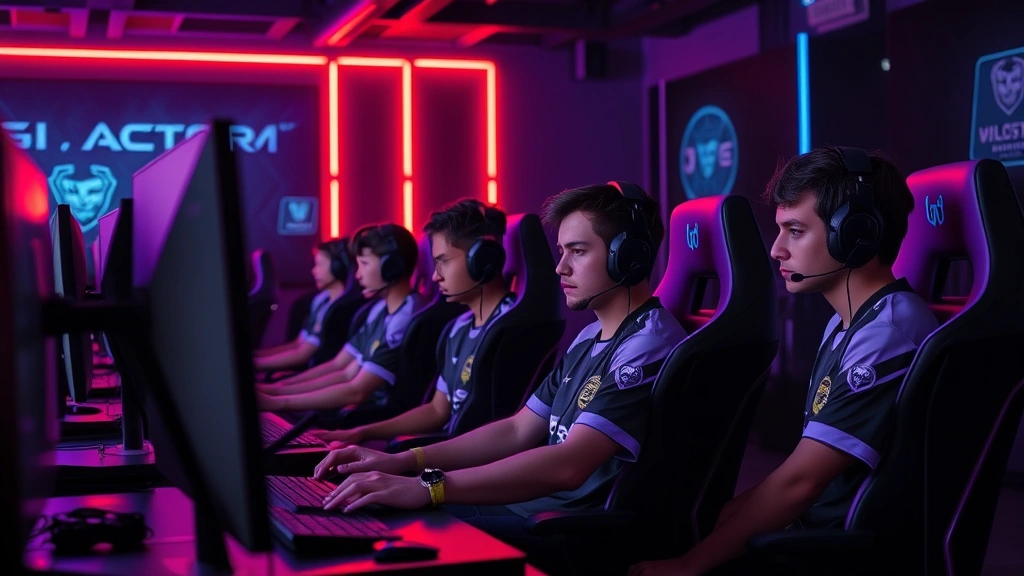
Top Streamer Games for Teams 2025: Expert List
The streaming landscape has evolved dramatically, and 2025 marks a pivotal year for team-based gaming content. Whether you’re building a streaming organization, managing esports talent, or launching a gaming community channel, selecting the right games can make or break your streaming success. Team games offer unique advantages: they generate authentic interactions, foster community engagement, and create compelling narratives that keep viewers coming back for more.
The best streamer games for teams 2025 balance competitive intensity with entertainment value. They need to be visually engaging for audiences, mechanically deep enough to showcase skill progression, and socially dynamic enough to keep conversations flowing. We’ve analyzed trending platforms, esports investment data, and viewer engagement metrics to compile this comprehensive guide featuring games that are absolutely dominating team streaming right now.

Valorant: The Team Shooter Dominating 2025
Valorant continues its meteoric rise as the premier team-based tactical shooter for streaming in 2025. Riot Games’ commitment to competitive integrity and regular content updates keeps both players and viewers invested. The game’s economy system, ability-based mechanics, and round-based structure create natural narrative arcs within matches, making every series compelling viewing.
What makes Valorant exceptional for team streaming is the constant roster of agents and map rotations that keep content fresh. Teams can showcase different compositions, strategies, and playstyles that maintain audience interest across hundreds of hours of streaming. The game’s relatively low barrier to entry compared to other competitive shooters means your audience can understand core mechanics while appreciating high-level play.
The esports infrastructure surrounding Valorant is unmatched. With VLR.gg providing comprehensive coverage and Riot’s franchised leagues spanning multiple regions, teams streaming Valorant benefit from established viewer ecosystems and sponsorship opportunities. Consider exploring gaming PC build guides to ensure your streaming setup handles Valorant’s demanding competitive requirements.
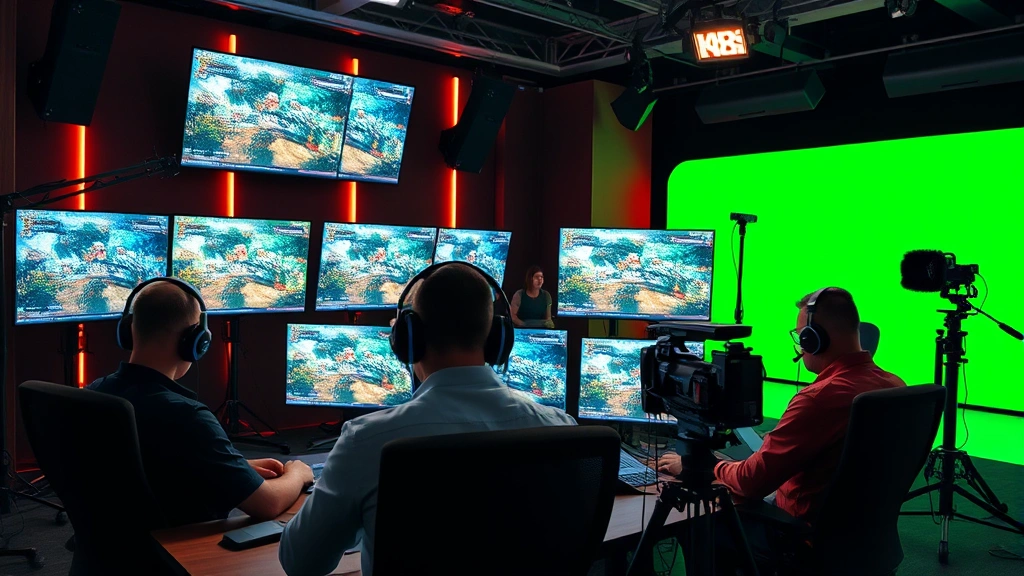
Counter-Strike 2: Legacy Excellence Meets Modern Innovation
Counter-Strike 2’s launch reinvigorated the franchise and solidified its position as essential viewing for team gaming in 2025. Valve’s modernization preserved the mechanical purity that made Counter-Strike legendary while introducing visual improvements and quality-of-life features that appeal to newer audiences.
For team streamers, Counter-Strike 2 offers unparalleled strategic depth. The economy system, map control mechanics, and round structure reward teamwork and communication in ways few games can match. Every round tells a story of resource management, positioning, and split-second decision-making that translates beautifully to stream content.
The professional scene remains robust with ESL Pro League and BLAST Premier providing consistent tournament opportunities. Teams can leverage professional competition schedules to plan content calendars and capitalize on tournament-adjacent interest spikes.
League of Legends: The MOBA Standard Bearer
League of Legends remains the gold standard for team-based MOBA streaming in 2025. Despite fierce competition from newer titles, LoL’s established infrastructure, massive player base, and consistent esports investment ensure sustained viewership. The game’s five-player team composition requirement creates natural streaming content opportunities for organizations of any size.
The beauty of League for team streaming lies in its multi-phase gameplay. Early laning phases allow for individual highlight moments, mid-game team fights generate excitement, and late-game macro decisions determine outcomes. This structural variety keeps streams engaging across different skill levels and audience demographics.
Professional League ecosystems span the globe, from League of Legends Esports regional competitions to international championships. Teams can align streaming schedules with professional calendars, tap into championship narratives, and build communities around their favorite regions or playstyles. Don’t overlook our indie games guide for unique content alternatives during off-seasons.
Dota 2: Strategic Depth and International Appeal
Dota 2 represents the pinnacle of strategic complexity in team-based gaming, making it essential viewing for audiences that appreciate nuanced gameplay. Valve’s continued support through The International and seasonal updates ensures the competitive scene remains vibrant and financially rewarding for teams.
What distinguishes Dota 2 for team streamers is the near-infinite variety in hero compositions and itemization choices. Every game feels genuinely unique, preventing content fatigue even across extended streaming marathons. The game’s steep learning curve attracts dedicated audiences who appreciate technical excellence and strategic innovation.
The international nature of Dota 2 esports provides unmatched global appeal. Teams can stream to audiences across multiple continents, participate in regional qualifiers for prestigious tournaments, and build communities around specific playstyles or regions. The game’s complexity also creates opportunities for educational content, coaching streams, and in-depth analysis that viewers find genuinely valuable.
Overwatch 2: Team Coordination Showcase
Overwatch 2’s transition to free-to-play revitalized the franchise and created new opportunities for team streamers in 2025. Blizzard’s continued investment in seasonal content, hero balance changes, and competitive infrastructure maintains viewer interest and provides regular content anchors.
The game’s emphasis on team coordination and role specialization creates natural streaming narratives. Watching teams execute coordinated ultimates, position around objectives, and adapt to enemy compositions showcases the collaborative nature of competitive gaming beautifully. Each hero’s unique mechanics also allows individual players to showcase signature playstyles.
Overwatch 2’s relatively accessible entry point compared to traditional esports titles means team streamers can attract broader audiences while maintaining competitive credibility. The game’s visual clarity and action-oriented gameplay translate exceptionally well to stream formats, keeping viewers engaged even during less mechanically intense moments.
Final Fantasy XIV: The Community-Driven Phenomenon
Final Fantasy XIV represents a paradigm shift in team streaming, proving that MMORPGs can generate massive streaming audiences when community and content align perfectly. The game’s raid content, role-based dungeons, and social systems create unique opportunities for team-focused streaming that traditional competitive games cannot match.
What makes FFXIV exceptional for team streamers is the balance between challenging mechanical content and genuine social interaction. Raid groups must coordinate complex mechanics, manage resources collectively, and maintain team cohesion across extended play sessions. This creates authentic human moments that resonate with audiences seeking connection beyond pure competition.
The streaming community surrounding FFXIV is remarkably supportive and engaged. Teams can build sustainable audiences through consistent raid schedules, progression content, and community events. The game’s creative freedom through housing, glamour systems, and roleplay opportunities adds entertainment value beyond mechanical gameplay.
Apex Legends: Battle Royale Team Dynamics
Apex Legends proves that battle royale games can sustain serious team streaming when the mechanics reward coordination and communication. Respawn Entertainment’s commitment to competitive balance and seasonal content keeps the game fresh, while the three-player squad format creates ideal team streaming dynamics.
The game’s ping system and ability-based gameplay create opportunities for high-level teamwork showcases. Teams can demonstrate positioning mastery, resource management, and tactical decision-making that appeal to audiences seeking competitive excellence. The visual clarity and fast-paced action also maintain engagement across entire streaming sessions.
Apex Legends’ esports infrastructure continues expanding, with regional competitions providing competitive pathways and sponsorship opportunities. Teams can leverage tournament schedules for content planning and build communities around specific competitive scenes. Check out our VR gaming recommendations for innovative alternative content ideas.
Content Creation Strategies for Team Games
Building Authentic Narratives: The most successful team streamers focus on genuine team dynamics rather than manufactured drama. Showcase real communication, celebrate victories authentically, and address challenges transparently. Audiences connect with authentic personalities and team chemistry far more than scripted entertainment.
Consistent Scheduling: Team games require coordination across multiple schedules. Establish consistent streaming times that accommodate all team members and build audience habits. Consistency transforms casual viewers into loyal community members who anticipate your broadcasts.
Educational Content Integration: Balance entertainment with education. Provide commentary on decision-making, explain strategic choices, and break down mechanical fundamentals. This approach attracts both casual viewers seeking entertainment and competitive players seeking improvement.
Community Engagement Systems: Create interactive elements that encourage chat participation. Use polls for draft decisions, involve audience in team selections, or create challenges that viewers can attempt simultaneously. This transforms passive viewing into active community participation.
Cross-Platform Content Strategy: Repurpose streaming content across YouTube, TikTok, and Twitter. Create highlight reels, educational clips, and personality-driven content that drives traffic back to live streams. This multi-platform approach exponentially increases reach and community growth.
Sponsorship Integration: Team-focused games attract brand partnerships. Integrate sponsorships authentically by choosing partners aligned with your audience interests. Gaming peripherals, energy drinks, and software services provide natural integration opportunities.
Tournament Preparation Content: Document tournament preparation including scrimmages, strategy discussions, and mental preparation. This behind-the-scenes content creates investment in team outcomes and builds communities around shared competitive goals.
The streaming landscape for teams in 2025 offers unprecedented opportunities. Games like Valorant and Counter-Strike 2 provide competitive frameworks, while titles like Final Fantasy XIV demonstrate that team streaming extends beyond traditional esports. Success requires selecting games that align with your team’s strengths, maintaining consistent quality, and building genuine community connections. Whether you’re establishing a new streaming organization or expanding existing content, these games provide proven frameworks for sustainable, engaging team streaming content that resonates with modern audiences.
FAQ
What makes a game ideal for team streaming?
Ideal team streaming games balance competitive depth with entertainment value. They should require authentic team coordination, provide visual clarity for viewers, offer regular content through updates or seasons, and support sustainable esports ecosystems. Games that encourage communication and showcase individual skill within team contexts perform exceptionally well.
How many viewers should a new team streaming channel expect?
Initial viewership depends heavily on team reputation, game selection, and marketing effort. New teams typically start with 50-500 concurrent viewers and grow through consistent content, community engagement, and strategic partnerships. Game popularity significantly impacts growth potential, with established esports titles providing larger potential audiences than niche games.
Can teams stream multiple games simultaneously?
Yes, but specialization typically generates larger audiences. Teams that focus on one or two primary games build stronger communities and develop expertise that audiences appreciate. Secondary games can supplement content during primary game off-seasons or provide variety without fragmenting the primary audience.
What equipment investments are essential for team streaming?
Invest in stable internet infrastructure (minimum 25 Mbps upload), quality microphones for clear team communication, and reliable streaming software. Consider consulting our PC build guide for hardware recommendations that handle streaming alongside gaming without performance degradation.
How can teams monetize streaming content?
Revenue streams include Twitch subscriptions and bits, YouTube ad revenue, sponsorships from gaming companies, tournament winnings, and merchandise sales. Teams should diversify revenue sources rather than relying on single platforms or sponsorships. Building community loyalty creates sustainable long-term revenue potential.
Should teams focus on ranked or competitive tournament streaming?
Both have value. Ranked streaming provides consistent content with lower pressure, building community and showcasing individual skill development. Tournament streaming generates excitement and attracts casual viewers interested in competitive outcomes. Successful teams balance both for sustained audience engagement.
How important is team chemistry for streaming success?
Team chemistry directly impacts streaming quality and audience engagement. Authentic interactions, genuine humor, and real conflict resolution resonate with viewers more than forced entertainment. Teams with strong interpersonal dynamics generate more compelling content naturally, translating to better viewer retention and community growth.