Top Unblocked Games? Teacher-Approved Picks for the Classroom
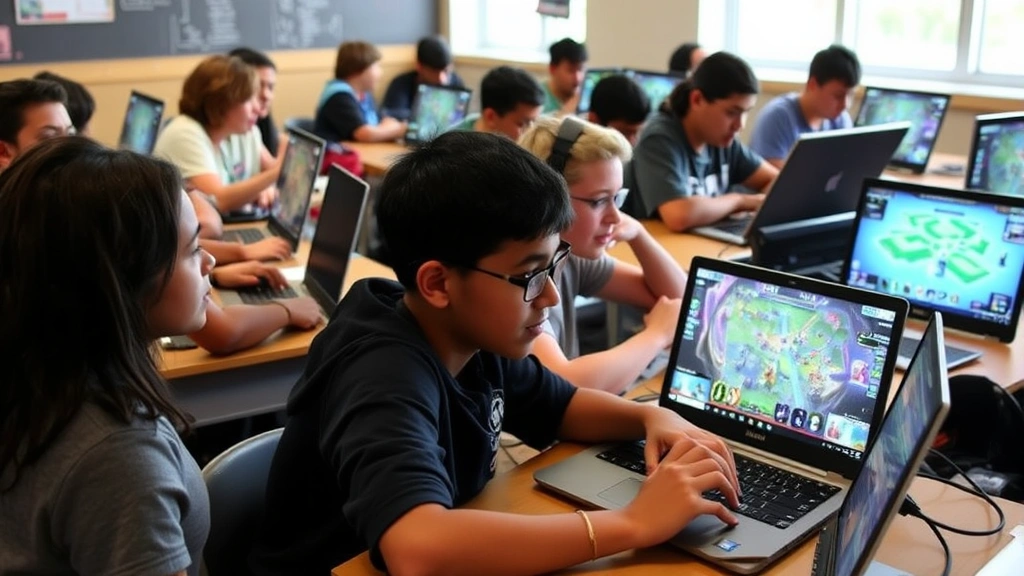
Finding quality unblocked games for the classroom can be challenging, but it’s absolutely possible to discover educational gaming experiences that teachers actually endorse. Whether you’re an educator looking to incorporate gaming into lesson plans or a student seeking brain-boosting entertainment during free periods, the right unblocked games can enhance learning while keeping everyone engaged. The key is identifying titles that balance fun with educational value, ensuring that screen time translates into genuine cognitive development.
Modern classrooms are evolving, and many forward-thinking educators recognize that strategic games, puzzle-solving experiences, and collaborative gaming can reinforce critical thinking, problem-solving, and teamwork. The challenge lies in finding games that aren’t blocked by school networks and actually meet educational standards. This comprehensive guide explores the best unblocked games that have earned teacher approval, breaking down why each title works in an educational setting and how students can benefit from playing them.
Why Unblocked Games Matter in Education
The integration of gaming into education represents a paradigm shift in how we approach learning. Unblocked games in the classroom serve multiple purposes beyond simple entertainment. They provide cognitive breaks that actually enhance focus, improve retention of previously learned material, and create positive associations with learning environments. Research from educational institutions consistently shows that well-chosen games can improve student engagement, particularly among struggling learners who might otherwise disengage from traditional instruction.
Teachers recognize that unblocked classroom games offer several advantages: they’re accessible without special software installations, they don’t require high-end hardware, and many are browser-based, making them instantly available. Additionally, these games often teach valuable lessons about strategy, resource management, patience, and consequence-based decision-making. When selected carefully, they transform downtime into productive learning opportunities that students actually enjoy.
The educational value extends beyond academics. Games teach resilience through failure, encourage creative problem-solving, and develop spatial reasoning and logical thinking. Unlike passive entertainment, quality unblocked games require active engagement and decision-making, making them substantially different from mindless time-wasting activities.
Strategy Games That Sharpen Minds
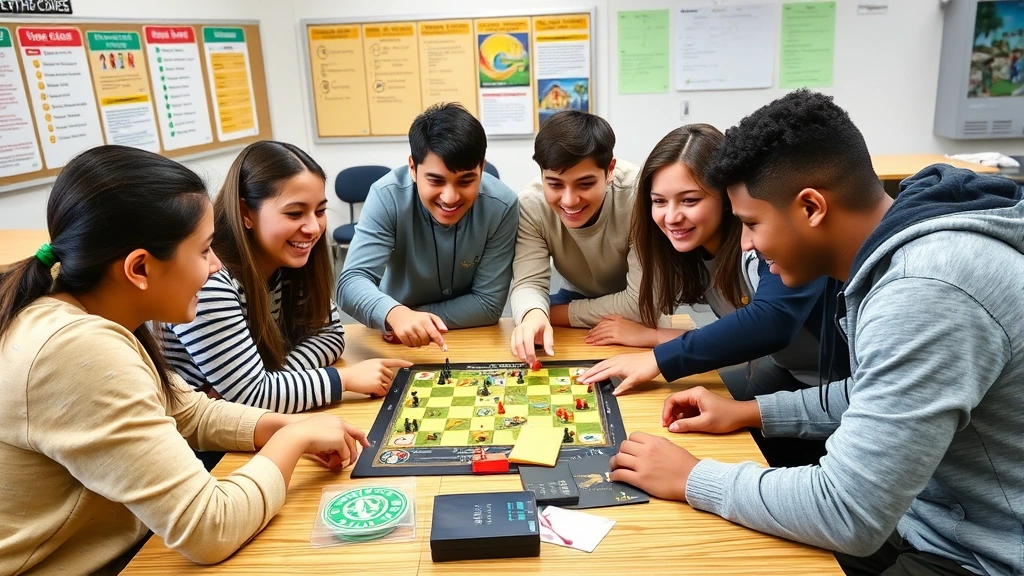
Strategy games represent the gold standard for teacher-approved gaming experiences. These titles require planning, foresight, and tactical thinking—skills that directly transfer to academic success and real-world problem-solving. Turn-based strategy games are particularly valuable in classroom settings because they eliminate pressure from time constraints, allowing students to think deeply about each decision.
Chess.com’s unblocked version remains one of the most teacher-endorsed games available. Chess teaches pattern recognition, long-term planning, and the consequences of individual moves. Students playing chess develop stronger analytical skills, improved memory, and enhanced concentration. Teachers appreciate that chess has centuries of educational credibility and requires genuine intellectual engagement.
Checkers offers similar benefits with lower complexity, making it perfect for younger students or those new to strategic thinking. The simplified ruleset doesn’t diminish its educational value—students still learn about positioning, sacrifice, and multi-move planning.
Risk-style strategy games teach resource allocation, risk assessment, and long-term planning. These games force players to balance aggressive expansion with defensive stability, mirroring real-world decision-making scenarios. Students learn that hasty decisions often lead to catastrophic consequences, while patient, calculated moves yield better outcomes.
Strategic gameplay mechanics consistently demonstrate positive impacts on academic performance. Teachers report that students who engage with strategy games show improved performance in mathematics, particularly in areas requiring logical reasoning and spatial awareness.
Puzzle Games for Problem-Solving
Puzzle games activate different cognitive pathways than strategy games, focusing on immediate problem-solving rather than long-term planning. These unblocked games are perfect for developing quick thinking, pattern recognition, and creative approaches to obstacles.
Tetris-style games remain phenomenally popular in educational settings. These games train spatial reasoning, improve hand-eye coordination, and encourage rapid decision-making under pressure. Teachers appreciate that Tetris variants require constant focus and adaptation, preventing mind-wandering while providing satisfying gameplay experiences.
Match-3 puzzle games like Bejeweled offer accessible gameplay that doesn’t feel educational, yet trains pattern recognition and strategic planning. Students unconsciously develop better visual scanning abilities and learn to recognize opportunities within complex visual fields.
Portal-style puzzle games teach creative problem-solving and lateral thinking. These games reward unconventional approaches and encourage students to think beyond obvious solutions. The satisfaction of discovering unexpected solutions builds confidence in problem-solving abilities that transfer to academic contexts.
Logic puzzles and Sudoku variants strengthen mathematical reasoning and pattern recognition. Teachers often integrate these into study halls, and students find them genuinely engaging rather than feeling like academic work. The progression from easier to harder puzzles provides natural scaffolding that keeps students challenged without becoming frustrating.
Research demonstrates that regular puzzle game engagement improves performance on standardized tests requiring logical reasoning. The skills developed through puzzle gameplay—systematic thinking, elimination strategies, and pattern recognition—directly support mathematical and scientific learning.
Collaborative Gaming Experiences
While individual gaming has value, collaborative unblocked games teach social skills alongside cognitive development. Two-player games and team-based experiences create opportunities for communication, negotiation, and cooperative problem-solving.
Turn-based multiplayer games allow students to play against classmates, developing sportsmanship and healthy competitive attitudes. Games where players take turns eliminate technical barriers (no need for fast reflexes) and keep focus on strategic thinking. Teachers appreciate that these games naturally accommodate different skill levels, allowing mixed-ability groups to play together meaningfully.
Cooperative puzzle games require players to work together toward shared goals. These experiences teach compromise, communication, and the value of diverse problem-solving approaches. When students must explain their strategies to teammates, they develop articulation skills and learn to defend their reasoning—critical academic competencies.
Board game adaptations available as unblocked browser games bring classic collaborative experiences into digital format. Games like digital Catan or Ticket to Ride teach resource management, negotiation, and long-term planning while fostering positive social interactions.
Teachers report that collaborative gaming experiences significantly improve classroom culture. Students who play together cooperatively develop stronger peer relationships and demonstrate increased willingness to help each other with academic work. The positive associations formed through shared gaming experiences extend beyond the game itself.
Building Skills Through Gameplay
The most effective unblocked games for classrooms systematically develop transferable skills. Understanding which games build which competencies helps educators select titles aligned with their instructional goals.
Critical thinking and analysis develop through strategy games requiring evaluation of multiple options. Games that reward planning and punish impulsive decisions teach students to slow down, consider consequences, and make deliberate choices—habits that improve academic performance across all subjects.
Persistence and resilience emerge naturally from challenging games. When students experience failure within a game, the low-stakes environment allows them to analyze what went wrong and try again. This builds growth mindset—the understanding that abilities develop through effort and that failure provides learning opportunities rather than indicating personal inadequacy.
Pattern recognition and visual processing improve through puzzle and matching games. These skills support reading comprehension, mathematical problem-solving, and scientific observation. Students who develop strong pattern recognition abilities often show improved performance in identifying main ideas, understanding cause-and-effect relationships, and recognizing connections between concepts.
Mathematical reasoning strengthens through games involving resource management, probability assessment, or spatial relationships. Many unblocked games embed mathematical thinking so naturally that students develop mathematical intuition without realizing they’re practicing math.
Communication and collaboration skills develop through multiplayer experiences. When students must explain strategies, negotiate decisions, or coordinate actions with teammates, they practice articulation, active listening, and compromise—essential life skills that benefit academic and professional success.
Implementation Tips for Educators
Successfully integrating unblocked games into classroom environments requires thoughtful implementation. Teachers who approach gaming strategically maximize educational benefits while maintaining classroom management.
Set clear expectations and guidelines before introducing games. Establish that gaming is a privilege contingent on appropriate behavior and academic progress. Frame games as tools for learning and brain breaks, not rewards for finishing early (which can create perverse incentives).
Select games aligned with learning objectives rather than choosing arbitrarily. If teaching decision-making consequences, strategy games work perfectly. If reinforcing pattern recognition, puzzle games excel. This intentional alignment maximizes transfer of learning to academic contexts.
Use games as formative assessment tools. Observe which students struggle with strategy games (potentially indicating planning difficulties) or which excel at puzzle games (strong spatial reasoning). These observations inform instructional decisions and help identify students who might benefit from additional support or enrichment.
Incorporate gaming into lessons rather than treating it as separate. Discuss game strategies, analyze decisions students made during gameplay, and connect gaming concepts to academic content. This metacognitive reflection deepens learning and helps students recognize the relevance of gaming to their academic growth.
Balance individual and collaborative gaming. Both serve different purposes—individual games build confidence and self-regulation, while collaborative games develop social skills. A healthy mix addresses diverse learning needs.
For more comprehensive gaming recommendations, explore GameForge Daily’s blog for detailed game analyses and educational applications. Additionally, check out indie games for PC that often feature innovative gameplay mechanics with educational potential.
Monitor engagement and adjust accordingly. If certain games lose student interest, rotate them out. If specific students become obsessed and neglect other work, establish boundaries. Gaming should enhance education, not distract from core learning.
Consider exploring cooperative gaming experiences for insights into games that encourage teamwork and communication—principles equally applicable to classroom settings.
FAQ
Are unblocked games safe for classroom use?
Reputable unblocked games accessed through established educational platforms are generally safe. However, teachers should preview games before introducing them to ensure age-appropriateness and that they align with school policies. Stick with games from recognized sources rather than random unblocking websites.
How much classroom time should be devoted to gaming?
Quality over quantity matters most. Even 10-15 minutes of intentional gaming can provide cognitive benefits. Many teachers incorporate games as brain breaks between lessons or as rewards after completing focused work. The key is ensuring gaming supports rather than detracts from academic objectives.
What if students refuse to engage with educational games?
Student buy-in varies. Some strategies include allowing student choice among pre-approved games, explaining how specific games develop skills relevant to their interests, and creating low-pressure environments where gaming is optional rather than mandatory. Sometimes peer influence helps—when classmates enjoy a game, others become interested.
Can unblocked games really improve academic performance?
Research supports that well-chosen games improve specific skills like strategic thinking, pattern recognition, and problem-solving. However, games alone don’t improve grades—they’re tools supporting broader instructional strategies. When integrated thoughtfully, they enhance engagement and reinforce concepts taught through traditional instruction.
How do I find additional teacher-approved unblocked games?
Educational gaming communities, teacher forums, and websites dedicated to classroom technology regularly recommend games. Look for titles that have been used in schools, read teacher reviews, and consider joining online communities of educators who share game recommendations.
Should I be concerned about screen time?
Legitimate concerns exist about excessive screen time, but intentional, limited gaming differs from passive screen consumption. When games require active thinking and decision-making, cognitive engagement is high despite screen involvement. Balance is essential—games should supplement, not replace, hands-on activities and social interaction.