
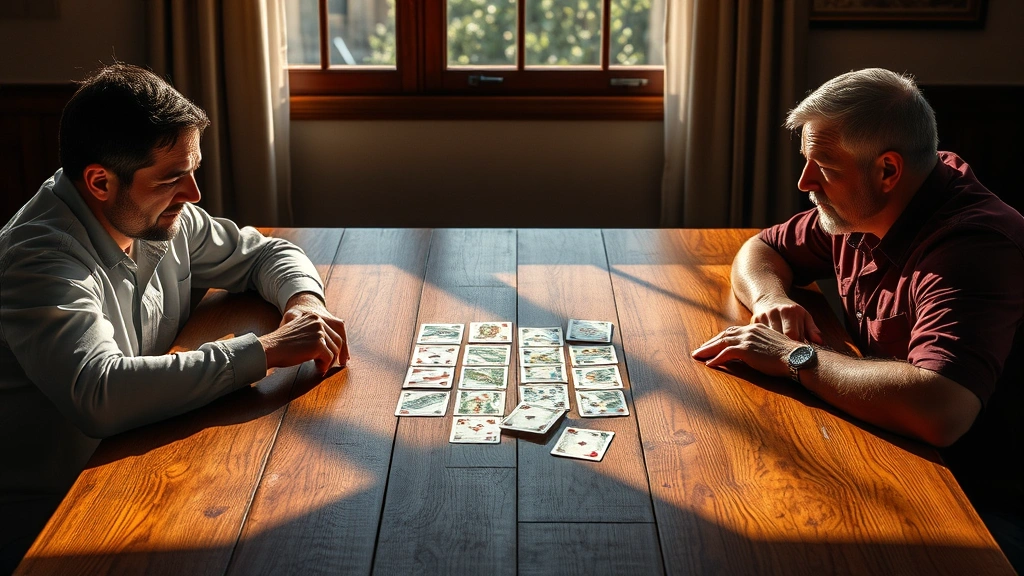
How to Play War Card Game: Expert Guide to Rules & Strategy
War is one of the simplest yet most engaging card games that has entertained players for generations. Whether you’re looking to teach children a quick game or need a nostalgic break from complex strategy games, understanding the war card game rules is essential. This classic game requires minimal setup, no special skills, and can be played anywhere with just a standard deck of cards. Despite its simplicity, War offers surprising strategic depth when you understand the nuances of gameplay and decision-making.
In this comprehensive guide, we’ll walk you through everything you need to know about playing War, from basic setup to advanced tactics that can give you an edge over your opponents. Whether you’re a casual player or someone interested in exploring traditional card games, this expert guide will transform you from a beginner into a confident War player who understands every rule, variation, and winning strategy.
What is War Card Game?
War is a two-player card game that combines luck and minimal strategy into an entertaining pastime. The game’s origins trace back centuries, with various cultures developing similar card games based on chance and card values. What makes War particularly appealing is its accessibility—anyone can learn the rules in under five minutes, yet the game remains engaging throughout.
The fundamental premise of War is straightforward: two players compete to win all cards in the deck. Each round, players simultaneously reveal their top card, and whoever plays the higher-ranked card wins both cards and adds them to their collection. The game continues until one player has accumulated all fifty-two cards, making them the victor. This simple mechanic creates surprisingly tense moments, especially during tie situations that trigger the game’s signature “war” mechanic.
If you enjoy simple games that don’t require extensive rule memorization, War serves as an excellent introduction to card gaming. It’s perfect for playing while traveling, waiting in lines, or teaching younger players about card hierarchy and basic probability. Many players appreciate War as a palate cleanser between more complex games found in the best indie games communities, where strategic depth dominates.
Game Setup and Preparation
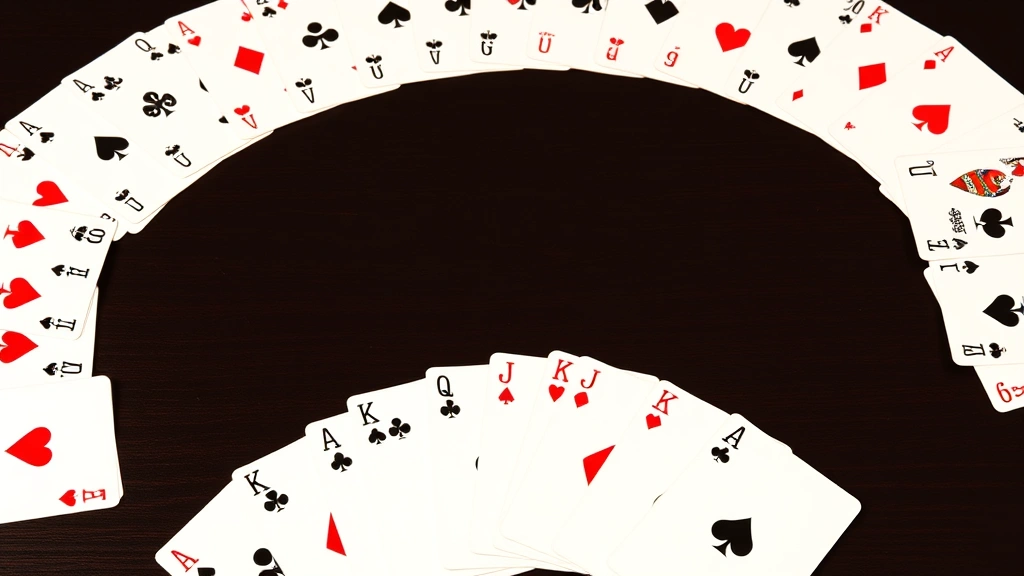
Setting up a game of War requires minimal preparation, which is one of its greatest advantages. You’ll need one standard fifty-two card deck with all jokers removed. Ensure the deck is properly shuffled—a thorough shuffle is crucial since luck plays a significant role in determining outcomes. Poor shuffling can create predictable patterns that undermine the game’s balance.
Begin by placing the deck between both players where each can easily reach it. Decide who will go first (this rarely matters in War since draws are simultaneous). Some players prefer to deal one card to each player alternately until the deck is exhausted, while others simply shuffle and divide the deck into two piles of twenty-six cards each. The dealing method you choose doesn’t significantly impact gameplay, so choose whichever feels more natural.
Each player should keep their cards in a single pile face-down in front of them. Designate a separate area in the middle of the table as your “battle zone” where cards will be revealed during each round. This physical separation helps maintain game organization and prevents confusion about which cards are in play. If you’re playing casually with friends, you might even want to set up a proper gaming table as discussed in our gaming setup guides, though War works perfectly on any flat surface.
Before starting, both players should agree on whether you’re playing the standard rules or any variations you prefer. This prevents arguments mid-game and ensures everyone has the same expectations. Many players enjoy experimenting with house rules, so establishing these parameters upfront creates a smoother experience.
Basic Rules and Gameplay
The core gameplay loop of War is elegantly simple. On each turn, both players simultaneously draw their top card and place it face-up in the battle zone. The player whose card has the higher rank wins both cards and places them at the bottom of their deck. This process repeats until one player has no cards remaining.
The sequence of a standard round proceeds as follows: Player One and Player Two each draw one card from the top of their deck without looking. Both cards are revealed simultaneously in the center of the table. Compare the card values—the higher card wins. The winner collects both cards and adds them to the bottom of their deck, maintaining the order they were won in. Play continues with the next round immediately following.
Speed matters in War more than you might initially think. While the game doesn’t have a strict time limit, playing briskly keeps momentum and maintains engagement. Some players enjoy adding a timer element or playing multiple rounds back-to-back to test consistency. The Game Forge Daily Blog occasionally features articles about competitive casual gaming that discuss pacing in traditional games.
It’s essential that both players draw simultaneously. Drawing sequentially would give the second player an unfair advantage since they’d see the first card before deciding whether to use a high or low card. Simultaneous play ensures fairness and maintains the luck-based nature of the game. Some players enforce this by having both players place their cards face-down first, then flipping them simultaneously for maximum suspense.
Understanding Card Rankings
Card rankings in War follow the standard hierarchy used in most Western card games. Understanding these rankings is fundamental to playing correctly and knowing when you’ve won a hand. The ranking system is consistent and never changes during the game, creating predictable outcomes once cards are revealed.
From lowest to highest, cards rank as follows: Ace (lowest), 2, 3, 4, 5, 6, 7, 8, 9, 10, Jack, Queen, King, and Ace (highest). Wait—Ace appears twice? Yes, and this is one of War’s interesting quirks. Most rule sets treat Ace as the highest card, but some variations place it lowest. Always clarify this before playing, as it fundamentally changes strategy and game outcomes.
Suits are completely irrelevant in War. A King of Hearts beats a Queen of Spades with identical certainty. This removes any need to memorize suit hierarchies and simplifies gameplay considerably. Two identical cards of different suits tie, triggering the war mechanic we’ll discuss shortly.
The beauty of this ranking system is its simplicity. Young children can quickly memorize the sequence, and the clear hierarchy eliminates disputes about card values. Unlike complex games in the best co-op games available, War never requires consulting rulebooks to determine winner.
War Situations and Resolution
When both players reveal cards of equal rank, a “war” occurs—the game’s most exciting moment. This is when War truly lives up to its name. Resolving a war involves a specific sequence that can dramatically shift the game’s momentum.
When a tie occurs, each player must place three additional cards face-down on top of their original card, then reveal a fourth card face-up. This fourth card determines the war’s winner. The player with the higher fourth card wins all ten cards in the battle zone (the original pair plus the three face-down cards and two face-up cards from each player).
If the fourth cards also tie, the process repeats. Players place three more cards face-down, reveal another card, and compare. Wars can theoretically continue indefinitely if players keep drawing matching cards, though this becomes increasingly rare as the deck diminishes. Some players enjoy extended wars as they create dramatic tension, while others find them tedious.
During wars, if a player runs out of cards before completing the sequence, they lose immediately. This is why card management becomes slightly strategic—preserving enough cards for potential wars is important. Some rule variations allow players to use their remaining cards even if they’re fewer than required, but standard rules typically declare them the loser.
The war mechanic creates interesting psychological moments. A player winning several hands might suddenly lose a war and watch their advantage evaporate. These swings keep the game engaging and prevent early victories from feeling inevitable. Understanding war psychology helps players remain engaged even when facing defeat.
Advanced Strategies and Tips
Card Memory: While War is primarily luck-based, remembering which high cards have been played can provide slight advantages. If you’ve seen both Kings and both Aces, you know the remaining cards are lower. This doesn’t change your decisions but helps predict outcomes.
Deck Shuffling: Always shuffle your collected cards thoroughly before returning them to the bottom of your deck. Poor shuffling creates patterns that astute players might exploit. A well-shuffled deck maintains randomness and ensures fairness.
Psychological Pressure: In competitive play, maintaining composure during wars creates psychological advantages. Confident players often intimidate opponents, affecting their perception of the game’s flow. This is particularly relevant in tournament settings where multiple games determine overall winners.
Game Pacing: Playing quickly maintains momentum and prevents boredom. Slow play allows players to overthink a fundamentally luck-based game. Establish a comfortable pace with your opponent and maintain consistency throughout.
Multi-Game Tournaments: If playing multiple games, track wins across sessions. A single game’s outcome relies heavily on luck, but multiple games reveal player consistency. This approach works well for gaming groups interested in competitive casual play, similar to strategies discussed in Video Game World articles.
Bankroll Management: If playing for stakes (though not recommended), never bet more than you can afford to lose. War’s high variance means even skilled players experience losing streaks. Responsible gambling practices apply even to simple games.
Common Variations
War’s simplicity has inspired numerous variations that add complexity and strategic elements. These variations prevent the game from feeling stale for players who’ve mastered the standard rules.
Double War: When a tie occurs, both players reveal two cards simultaneously instead of one. This creates more dramatic wars and reduces the number of ties overall. Some players prefer this variation for faster game resolution.
Ace High/Low Variation: Some rule sets treat Aces as the lowest card rather than highest. This fundamentally changes strategy and creates different power dynamics. Clarify this before playing, as it significantly impacts outcomes.
Multiple Card Draws: Instead of drawing one card per turn, players draw two or three simultaneously, with the highest card winning. This variation reduces game length and increases strategic elements since players must manage larger hand combinations.
Suit Hierarchy: Adding suit rankings (hearts high, then diamonds, clubs, spades) introduces additional complexity. This variation works well for players wanting slightly more strategic depth without completely overhauling the game.
Reverse War: The player with the lower card wins instead of the higher card. This inverts strategy completely and provides a fresh experience for veterans.
Progressive War: Each subsequent war requires an additional card. The first war uses one card, the second uses two, the third uses three, and so forth. This variation dramatically increases war consequences and strategic importance.
Winning and Game Duration
Victory in War is straightforward: the first player to accumulate all fifty-two cards wins. There’s no scoring system, no points, no victory conditions beyond complete deck acquisition. This simplicity appeals to players who prefer clear, decisive outcomes.
Game duration varies considerably based on luck and shuffling quality. A typical game lasts fifteen to thirty minutes, though games can extend to an hour or beyond if players draw frequently matching cards during wars. Some legendary games have lasted several hours, though this is exceptional.
Average game length is influenced by several factors: the frequency of wars (more wars extend play), how evenly cards are distributed (one player dominating accelerates victory), and player speed (quick play reduces total time). If you’re time-constrained, establish a turn limit beforehand or play multiple quick games instead of one extended match.
Interestingly, game length doesn’t correlate strongly with player skill in War. Luck dominates outcomes, meaning skilled players don’t necessarily win faster than novices. This democratic nature appeals to casual players and explains War’s enduring popularity across age groups and skill levels.
Many gaming groups use War as a tiebreaker in other games or as a quick warm-up before more complex activities. Its accessibility makes it perfect for these purposes, much like how casual gaming fits between intense sessions described in gaming recording guides.
FAQ
How many players can play War?
Standard War is designed for exactly two players. Three-player variants exist but complicate the rules significantly. For larger groups, play elimination tournaments where winners advance to subsequent rounds.
Can you play War with multiple decks?
Yes, combining multiple decks creates longer games with reduced tie frequency. A two-deck game uses 104 cards and typically lasts longer than standard play. This variation appeals to players who find single-deck games too quick.
What happens if both players run out of cards simultaneously?
This situation is virtually impossible in standard play. If it somehow occurs, the player who ran out first loses. Technically, if they’re truly simultaneous, it’s a draw, but most rule sets declare the player who played their last card first as the loser.
Is War purely luck, or is there strategy involved?
War is predominantly luck-based. Card order is determined by shuffling and drawing, which players cannot control. Minor strategic elements exist (deck shuffling quality, war psychology), but these pale compared to luck’s influence.
Can you play War online?
Absolutely. Several websites and apps offer digital War implementations. Online play eliminates shuffling variables and allows quick matchmaking with other players. Some gaming communities treat online War seriously despite its luck-based nature.
What’s the best strategy for winning War?
There’s no guaranteed winning strategy since luck dominates. Focus on maintaining composure, shuffling thoroughly, and playing at a comfortable pace. Enjoy the game for its simplicity rather than expecting consistent victories.
How do you handle disputes in War?
Establish all rules clearly before playing. If disputes arise, consult this guide or the original rules you agreed upon. For house rule disputes, remember that consistency matters more than which specific rule you choose.
Is War appropriate for children?
War is excellent for children ages four and up. The simple rules, quick gameplay, and luck-based outcomes make it perfect for developing patience and understanding card rankings. Younger children benefit from parental guidance during setup.