
College Football Game Duration? Expert Insights
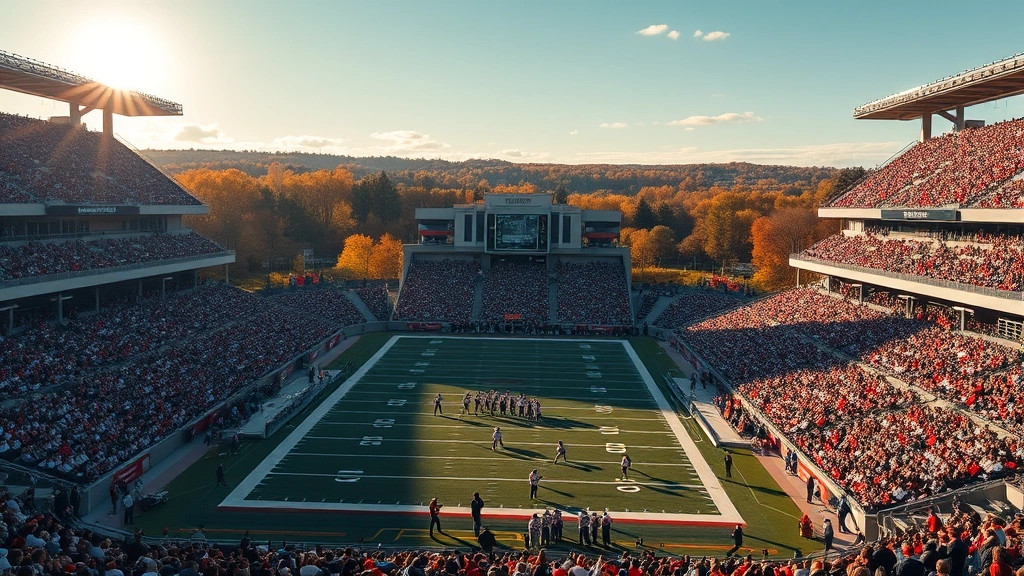
If you’ve ever settled in for what you thought would be a quick two-hour football game, only to find yourself still glued to your screen three and a half hours later, you’re not alone. College football games have become increasingly lengthy over the past two decades, and understanding exactly how long do college football games last requires diving into the factors that contribute to extended playtime. Whether you’re a die-hard fan, a casual viewer, or someone planning your weekend around game day, knowing what to expect can help you manage your time better.
The average college football game lasts between 3 hours and 3.5 hours, but this can vary significantly depending on numerous factors including conference, teams involved, television coverage, and game circumstances. Some games wrap up in under three hours, while others stretch past four hours, leaving viewers wondering where all that time goes. The complexity of modern football, combined with commercial breaks, penalties, and replay reviews, has transformed the viewing experience into a substantial time commitment.
Average Game Length Breakdown
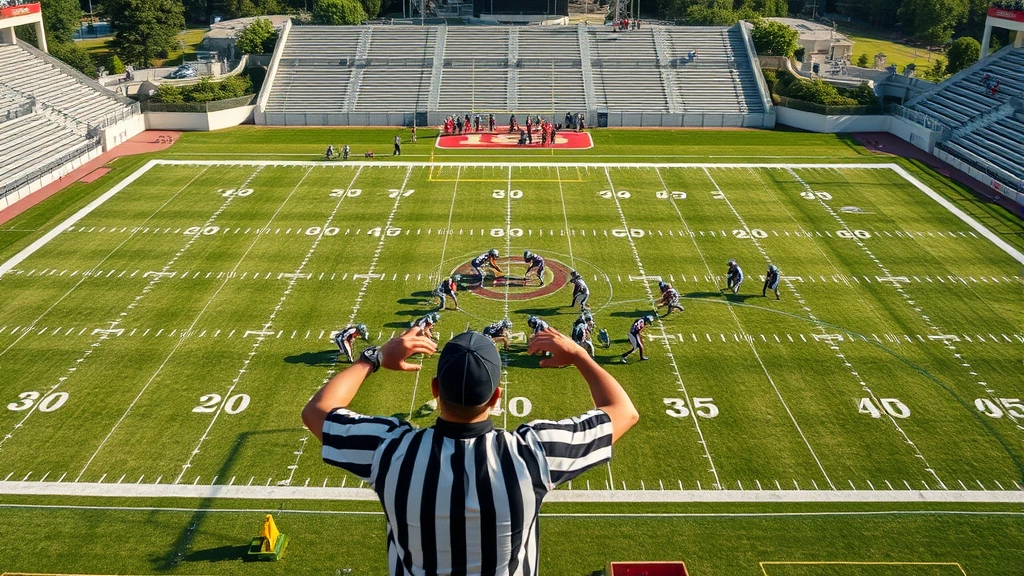
College football games are divided into four quarters, each lasting 15 minutes of actual game time. However, the clock doesn’t run continuously, and the actual elapsed time is considerably longer than 60 minutes. According to recent data from ESPN, the median game duration hovers around 3 hours and 24 minutes, though this number has been steadily increasing over the past decade.
The breakdown of where your time goes is fascinating. The four quarters of actual game time account for approximately 45-50 minutes of the total duration. The remaining time is consumed by timeouts (each team receives three per half), halftime (which lasts 20 minutes), commercial breaks, official reviews, penalty assessments, and the general stoppage of play that occurs when the ball goes out of bounds or a player is tackled.
Early-season games tend to run slightly shorter than late-season matchups, primarily because teams are still developing their offensive schemes and haven’t accumulated as many injuries requiring substitutions. Additionally, games between evenly matched teams often take longer due to more competitive play, closer scores, and consequently more timeouts being called.
Factors That Extend Game Duration
Several key variables influence how long a college football game will actually last. Understanding these factors can help you better predict game length and plan accordingly.
Commercial Breaks and Television Coverage: If a game is televised on a major network like ABC, ESPN, or CBS, expect additional commercial breaks beyond what you’d see at a regular stadium game. Television networks build in approximately 8-10 minutes of commercials per quarter, which adds roughly 32-40 minutes to the total game duration. Games on cable networks or smaller broadcasts may be slightly shorter.
Penalties and Flags: Modern college football features more penalties than ever before, with an average game seeing between 12-18 flags thrown. Each penalty requires explanation, measurement, and discussion, adding anywhere from 30 seconds to two minutes per infraction. A particularly penalized game could add 15-20 minutes to the total duration.
Replay Reviews: The implementation of instant replay review has added considerable time to games. While most reviews conclude relatively quickly, controversial calls can lead to lengthy stoppages. A single review can take anywhere from 60 seconds to three minutes, and some games feature five or more reviews.
Injuries and Medical Attention: When a player is injured, the clock stops and medical personnel must attend to them. Serious injuries can lead to 5-10 minute delays while the player receives treatment and is transported off the field. Games with multiple significant injuries naturally run longer.
Overtime Periods: College football overtime is particularly time-consuming. Each overtime period features a complete drive for each team, effectively adding 10-15 minutes per overtime period. A game that goes to multiple overtimes can extend well past four hours, with some record games approaching five hours.
Conference-Specific Variations
Different conferences have developed varying styles of play that impact game duration. The SEC (Southeastern Conference) is known for physical, defensive-minded football, which often results in shorter plays and quicker game conclusions. However, the competitiveness of SEC matchups means more back-and-forth scoring and consequently more timeouts, which can offset this advantage.
The Big Ten Conference tends to feature games that run toward the longer end of the spectrum, often exceeding 3 hours and 30 minutes. This is partly due to the conference’s emphasis on ground-oriented offenses, which require more plays to move down the field and eat into the clock.
The Pac-12 Conference (now realigned) was historically associated with high-scoring, fast-paced offenses that could theoretically reduce game length. However, the constant back-and-forth scoring actually increases the number of timeouts and strategic decisions, often resulting in games lasting over 3 hours and 20 minutes.
Mid-tier conferences like the American Athletic Conference often feature shorter games, sometimes completing in under three hours, particularly when matchups are lopsided.
Television and Commercial Impact
Television has fundamentally transformed the college football viewing experience, and not just in terms of accessibility. The financial incentives driving television coverage have directly contributed to longer game durations. Networks schedule additional commercial breaks strategically throughout games, with the most intense advertising periods occurring during the first and third quarters.
Prime-time games broadcast on major networks consistently run longer than afternoon games, primarily because networks allocate more advertising slots to high-profile matchups. A Saturday night primetime game between two ranked teams will almost certainly exceed 3 hours and 30 minutes, while a mid-afternoon game between lower-ranked teams might finish in under three hours.
The rise of streaming has introduced another variable. Games available exclusively through streaming services sometimes feature fewer commercials, potentially shortening the overall duration. However, these games are relatively rare, and most college football remains tied to traditional television broadcasting with its accompanying commercial structure.
Kickoff times also influence game duration indirectly. Games scheduled for 11:00 AM typically feature lighter advertising loads compared to 3:30 PM or 8:00 PM kickoffs, which are designed to maximize viewership and advertising revenue. This is one reason why early games sometimes feel faster-paced in terms of overall duration.
How to Plan Your Viewing Schedule
If you’re planning a college football viewing day, especially during peak season, you need to account for significant time commitments. A standard rule of thumb is to allocate 3.5 hours for any televised game, giving yourself a 30-minute buffer for games that run longer than expected.
For back-to-back games, plan accordingly. If you’re watching two consecutive games on Saturday, you should expect to be occupied for at least 7-7.5 hours, accounting for brief breaks between broadcasts. This is particularly important if you’re hosting friends or family who might have other commitments.
Consider exploring best party games you can play during halftime to keep your guests entertained during the 20-minute break between halves. Alternatively, if you’re interested in competitive gaming during football season, check out our guide to gaming mouse with adjustable DPI for enhanced precision during your entertainment activities.
Late-season games, particularly playoff games and championship matchups, consistently run the longest. If you’re planning to watch a major bowl game or playoff game, definitely allocate 3.5-4 hours. These high-stakes games feature more strategic timeouts, more reviews, and often feature competitive play that extends into the closing seconds.
For those interested in understanding game dynamics and strategic play better, our Game Forge Daily Blog offers extensive coverage of competitive gaming strategy that translates well to understanding sports dynamics. Additionally, exploring best single player games 2025 can provide entertainment alternatives if you want something more time-flexible than live sports.
Weather conditions can also impact game duration. Games played in extreme heat often feature more timeouts and medical stoppages, extending the total time. Rain and snow don’t necessarily lengthen games but can slow down play and lead to more incomplete passes, which stops the clock.
FAQ
What is the shortest college football game ever played?
The shortest college football games typically last just under two hours, though these are extremely rare. These occur in lopsided matchups with minimal stoppages, few penalties, and no overtime. Most modern games, even blowouts, rarely dip below 2 hours and 45 minutes due to television commercial requirements.
Do overtime games significantly extend viewing time?
Yes, overtime games add substantial time. Each overtime period adds 10-15 minutes, and college football can feature multiple overtime periods. A game that goes to triple overtime could extend past 4 hours and 30 minutes total duration.
Are there any college football games that run under 3 hours regularly?
Games between significantly mismatched teams sometimes conclude in under 3 hours, particularly afternoon games on smaller broadcast networks. However, most televised games on major networks run 3+ hours regardless of competitiveness.
How much of a college football game is actual playing time?
Actual playing time comprises only about 45-50 minutes of the total 3+ hour duration. The remaining time consists of commercials, timeouts, halftime, reviews, and general stoppage of play.
Do different networks show games at different lengths?
Networks don’t actually control game length directly, but major networks like ESPN and ABC allocate more commercial time, which extends the broadcast. Games on smaller networks or streaming services might feel slightly shorter, though the actual game duration remains similar.
What’s the longest college football game ever played?
The longest college football game was between LSU and Texas A&M in 2018, which went to seven overtimes and lasted 4 hours and 48 minutes. This remains a record for both overtime periods and total duration in college football history.