
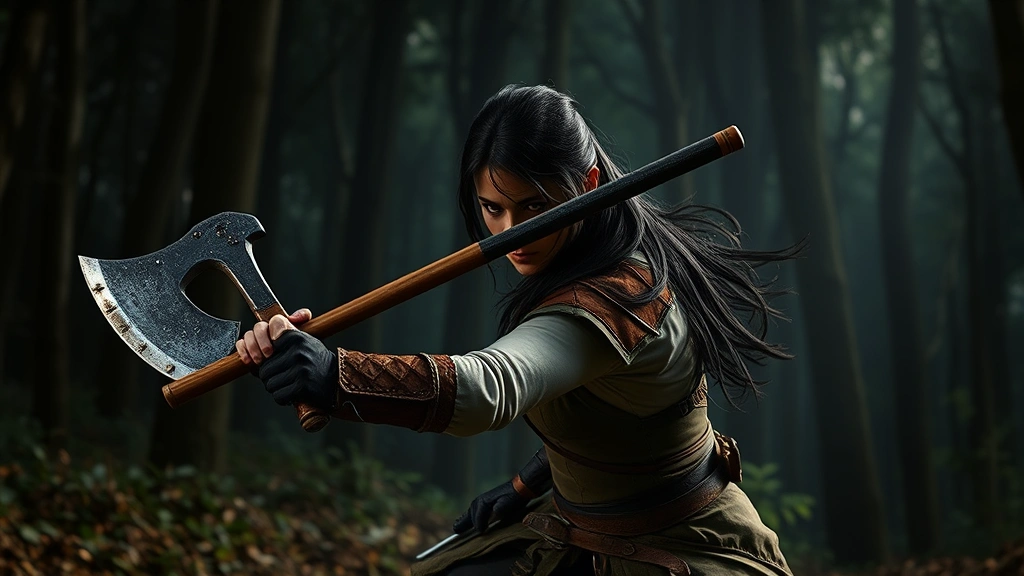
Hunger Games Video Game? Fan Speculations and What We Know
The Hunger Games franchise has captivated millions through books and blockbuster films, but one question continues to ignite passionate debates in gaming communities: where is the definitive Hunger Games video game? Fans have speculated for years about what an immersive, AAA-quality adaptation could look like, especially when considering the rich narrative potential and intense survival mechanics that align perfectly with modern gaming. The character Johanna Mason, the fierce and unpredictable tribute from District 7, represents exactly the kind of complex protagonist that could drive a compelling gaming experience.
While we’ve seen mobile games and limited tie-in titles over the years, the franchise has never received a major console release that truly captures the essence of Panem’s brutal competition. This gap has left gamers imagining what developers could create—from survival mechanics inspired by battle royales to narrative-driven story campaigns that explore tributes’ backstories. Let’s dive deep into fan theories, technical possibilities, and the realistic prospects of a Hunger Games video game that could finally do justice to this beloved franchise.

Why Hunger Games Deserves a Major Game Adaptation
The Hunger Games universe possesses everything necessary for an exceptional video game experience. The source material presents a dystopian world with clear rules, high stakes, and morally complex characters that resonate with modern audiences. Unlike many franchise adaptations that struggle with translating narrative-heavy stories into interactive experiences, the Games themselves are inherently interactive—tributes must make constant decisions about survival, alliances, and ethics.
A major game adaptation would tap into established fan bases while attracting new players interested in story-driven single-player experiences. The franchise’s popularity demonstrates sustained cultural relevance, with new content continuing to generate excitement. Developers could explore multiple gameplay approaches: a narrative-focused campaign following a specific tribute, a competitive multiplayer experience mirroring the actual Games, or a hybrid title combining both elements.
The world-building opportunities are virtually limitless. Players could experience different Districts, explore Panem’s complex political landscape, or participate in different iterations of the Games across various timelines. This versatility makes the property incredibly attractive from a game design perspective, offering longevity that extends far beyond a single campaign.
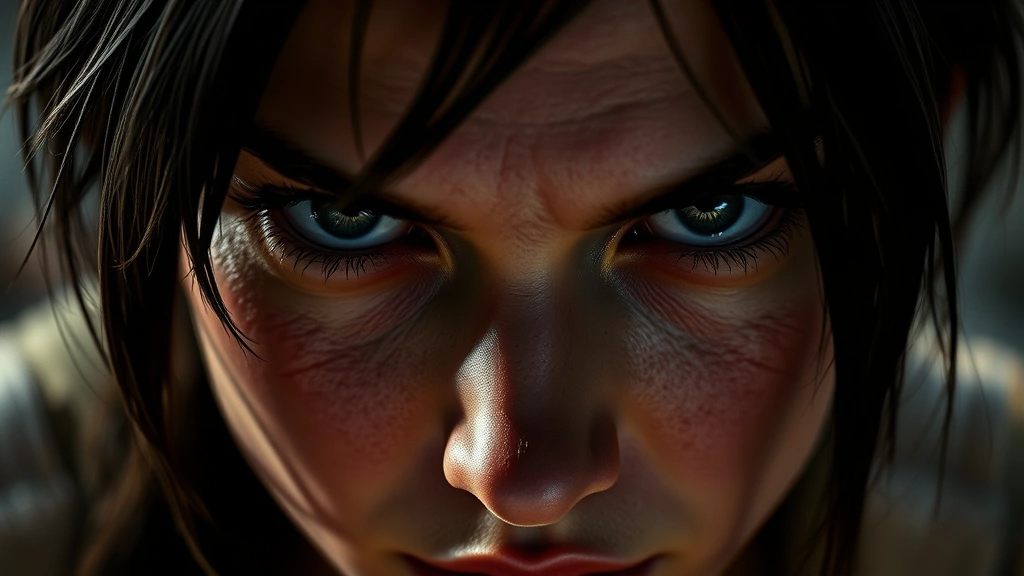
Johanna Mason as a Protagonist: Fan Theories
Among fan communities, Johanna Mason stands out as a particularly compelling character for a game protagonist. Her unpredictable nature, combat skills, and psychological depth create narrative possibilities that gamers find endlessly fascinating. Unlike Katniss, who carries the weight of revolution, Johanna represents survival through cunning and adaptability—qualities that translate beautifully into interactive gameplay.
Fan theories about a Johanna-centered game often explore her pre-Games life in District 7, her experiences during the 71st Hunger Games, and her psychological journey afterward. Gamers speculate that developers could implement a branching narrative system where player choices determine Johanna’s personality development, relationships, and moral compass. Her journey from a seemingly unassuming tribute to a hardened survivor could mirror the player’s own progression through increasingly difficult challenges.
The appeal of Johanna as a protagonist extends to gameplay mechanics as well. Her axe-wielding expertise suggests combat-focused sections, while her strategic thinking could enable puzzle-solving and tactical decision-making elements. Community discussions frequently mention how her character could support cooperative gameplay experiences, allowing players to form alliances and navigate complex social dynamics with other tributes.
Speculation also centers on how developers could portray her mental resilience. Rather than standard health bars, some fans theorize a psychological state system where stress, trauma, and determination affect performance. This approach would create unique gameplay where emotional management becomes as crucial as physical survival.
Potential Gameplay Mechanics and Design
Imagining a Hunger Games game requires considering mechanics that capture the franchise’s essence while remaining fun and engaging. The most frequently discussed concept involves a survival game structure with real-time or turn-based combat, resource management, and meaningful choice systems.
Survival and Resource Management: Players would scavenge for supplies including food, water, weapons, and medical items. The arena’s changing environment could introduce dynamic weather, terrain hazards, and resource scarcity that forces difficult decisions. Crafting systems could allow players to create weapons and tools from gathered materials, adding depth to exploration.
Combat Systems: A dynamic combat system would need to balance skill-based mechanics with the Games’ unpredictability. Players might engage in real-time combat with other tributes or Careers, with weapon variety affecting gameplay style. Stealth options could provide alternatives to direct confrontation, rewarding strategic thinking over brute force.
Social Mechanics: Forming and maintaining alliances represents a core Hunger Games element. A relationship system could track trust, loyalty, and tension between tributes. Player dialogue choices might determine alliance strength and whether partners betray each other when resources become scarce. This creates emotional stakes beyond simple survival.
Sponsorship System: Recreating the sponsor mechanics could add strategic depth. Players perform impressive feats to increase audience favor, earning valuable supply drops. This creates a risk-reward dynamic where spectacular actions attract both sponsors and other tributes’ attention.
Multiple Arena Types: Different game modes could feature varied arenas—forests, urban ruins, tundras, deserts—each presenting unique survival challenges and strategic opportunities. Environmental mastery becomes as important as combat ability.
Fan-Made Concepts and Community Ideas
The gaming community has developed remarkably detailed concepts for how a Hunger Games game could function. Fan forums and subreddits overflow with gameplay ideas, narrative concepts, and technical implementations that demonstrate genuine passion for this adaptation.
One popular concept involves a roguelike structure where each playthrough represents a different Games iteration. Players unlock new tributes, abilities, and story elements through repeated playthroughs, similar to successful titles like Hades. This approach provides replayability while maintaining narrative coherence—each tribute has their own story arc and perspective on events.
Another frequently discussed idea centers on a campaign mode following a specific character’s journey through the Games, paired with a multiplayer mode where up to 24 players compete simultaneously. This dual-mode approach appeals to both narrative-focused gamers and competitive players, maximizing the game’s potential audience. The multiplayer mode could feature permadeath mechanics, creating genuine tension as players know their defeat means permanent elimination.
Community designers have also theorized about a District-based progression system where players represent different Districts, each with unique starting resources, weapons, and cultural advantages. This adds strategic variety and replayability, as players discover optimal strategies for each District’s strengths.
Fan art and concept designs frequently showcase how developers could visually adapt Panem, from the gleaming Capitol to the impoverished outer Districts. These community creations demonstrate the franchise’s visual potential and gamers’ eagerness for an official adaptation.
What Developers Could Learn from Similar Titles
Several existing games provide valuable templates for how a Hunger Games adaptation could function. Analyzing successful titles reveals best practices for translating the franchise into interactive entertainment.
Battle Royale Lessons: Games like Fortnite and Call of Duty: Warzone demonstrate how large-scale elimination gameplay can create tension and engagement. A Hunger Games battle royale could refine these mechanics by emphasizing narrative elements and character development that most BR games lack. The arena shrinking mechanic mirrors the Gamemakers’ interventions perfectly.
Narrative-Driven Survival: The Last of Us and God of War showcase how developers create emotional connections through character-driven narratives combined with survival mechanics. A Hunger Games game could adopt similar approaches, ensuring gameplay serves storytelling rather than overshadowing it.
Choice-Based Systems: Games like The Witcher 3 and Life is Strange demonstrate the power of meaningful choices that affect narrative outcomes. A Hunger Games title could implement similar systems where alliance decisions, moral choices, and strategic moves shape each playthrough’s unique story.
Progression and Unlocks: Successful games like Assassin’s Creed and Far Cry implement progression systems that maintain engagement over extended play. A Hunger Games game could unlock new tributes, abilities, and story chapters as players progress, providing long-term goals beyond individual campaign completion.
Developers could also learn from innovative indie games that prioritize creative mechanics over massive budgets. Some of the most engaging gameplay innovations come from smaller studios willing to experiment with unconventional systems—an approach that could make a Hunger Games game feel fresh rather than derivative.
Current State of Licensed Game Adaptations
Understanding why a major Hunger Games game hasn’t materialized requires examining the current landscape of licensed game adaptations. The industry has experienced significant shifts in how publishers approach franchise games.
Historically, licensed games suffered from tight development windows and restrictive creative control from intellectual property holders. However, recent successes like Marvel’s Spider-Man and Guardians of the Galaxy demonstrate that publishers increasingly trust talented developers with creative freedom. These games achieved critical and commercial success because developers understood the source material and made bold creative choices.
The Hunger Games’ publishing rights and multimedia licensing are managed by Scholastic and various production companies, creating complex approval chains. This bureaucracy can slow development and limit creative experimentation. Despite these challenges, the franchise’s sustained popularity makes it attractive to major publishers who recognize gaming’s massive audience.
Recent industry trends suggest renewed interest in narrative-driven, single-player experiences. After years of live-service dominance, players increasingly crave story-focused games with clear conclusions. A Hunger Games title perfectly aligns with this market shift, offering narrative depth, character development, and meaningful choices that live-service games often lack.
According to IGN’s industry analysis, licensed games based on established properties consistently perform well when developers receive creative autonomy. Publishers recognize this pattern, suggesting increased willingness to greenlight ambitious adaptations of popular franchises.
The gaming industry’s evolution also means developers now possess technical capabilities to create truly immersive Panem experiences. Advanced AI systems could create believable tribute behaviors, while improved graphics engines would capture the Games’ visual spectacle. These technological advances make a Hunger Games game more feasible than ever before.
Fan engagement provides another compelling reason for publishers to invest in this adaptation. The franchise’s dedicated community would generate significant pre-launch buzz, day-one sales momentum, and long-term engagement through post-launch content. Community-driven marketing could minimize traditional advertising costs while maximizing organic reach.
Looking at GameSpot’s coverage of upcoming adaptations, the industry clearly recognizes that well-executed franchise games can define entire gaming generations. A Hunger Games title with the right developer could achieve similar cultural impact, establishing new standards for literary adaptations in interactive media.
The franchise’s recent resurgence with new content suggests renewed corporate interest in Hunger Games intellectual property. This momentum creates ideal conditions for announcing a gaming adaptation. Publishers typically time major announcements strategically to capitalize on franchise popularity, suggesting we may see official developments when the timing aligns perfectly.
Interestingly, the success of games that emphasize player agency and consequence demonstrates market demand for titles where choices genuinely matter. A Hunger Games game could pioneer systems where survival genuinely depends on strategic decisions rather than reflexes alone, offering something genuinely innovative within the gaming landscape.
FAQ
Has there ever been an official Hunger Games video game?
Yes, several mobile games and smaller titles have been released, including The Hunger Games: Catching Fire mobile game and various spin-offs. However, no major console game has captured the franchise’s full potential with AAA production values and modern gameplay mechanics.
Could Johanna Mason carry a solo Hunger Games game?
Absolutely. Her character possesses the complexity, combat skills, and psychological depth necessary for a compelling protagonist. Fans believe her unpredictable nature and survival expertise would create unique gameplay opportunities unavailable through other tributes.
What gameplay style would work best for a Hunger Games game?
A hybrid approach combining narrative-driven campaign modes with competitive multiplayer elements would appeal to the broadest audience. Single-player campaigns could focus on character development and choice-based storytelling, while multiplayer modes recreate the actual Games’ competitive tension.
Why hasn’t a major Hunger Games game been released yet?
Complex licensing agreements, the need for creative teams with both gaming and franchise expertise, and publisher uncertainty about investment timing have all contributed. Additionally, developers want to ensure adequate resources for a truly exceptional adaptation rather than rushing a mediocre product.
What would make a Hunger Games game successful?
Authenticity to source material, meaningful player choice systems, engaging survival mechanics, and compelling character narratives would be essential. The game must respect fans’ love for the franchise while offering gameplay innovations that justify its interactive format.
Could a Hunger Games game feature multiple playable characters?
Yes, and this approach could provide significant replay value. Different characters could have unique abilities, backstories, and narrative perspectives, encouraging multiple playthroughs to experience the full story from various viewpoints.
Would multiplayer or single-player be more important?
Both have merit. Single-player campaigns satisfy narrative-focused gamers seeking story depth, while multiplayer modes appeal to competitive players. A well-designed game would excel at both, similar to successful titles that offer substantial content in both modes.
How could developers handle permadeath in a game format?
Several approaches could work: roguelike structures where death unlocks new content for future playthroughs, checkpoint systems where player choices create branching narratives, or separate single-player and multiplayer modes with different death mechanics. This maintains tension while respecting player investment.
The prospect of a major Hunger Games video game remains one of gaming’s most anticipated potential adaptations. With the right developer, creative vision, and publisher support, such a game could revolutionize how franchises translate to interactive media. Until official announcements arrive, fans will continue speculating about how their favorite characters and storylines could be brought to life through innovative gameplay mechanics and immersive storytelling. The gaming community’s passion for this adaptation demonstrates that when it finally arrives, a Hunger Games game could become a defining title for an entire generation of players.