Kingslayer Game Review: Fan Verdict
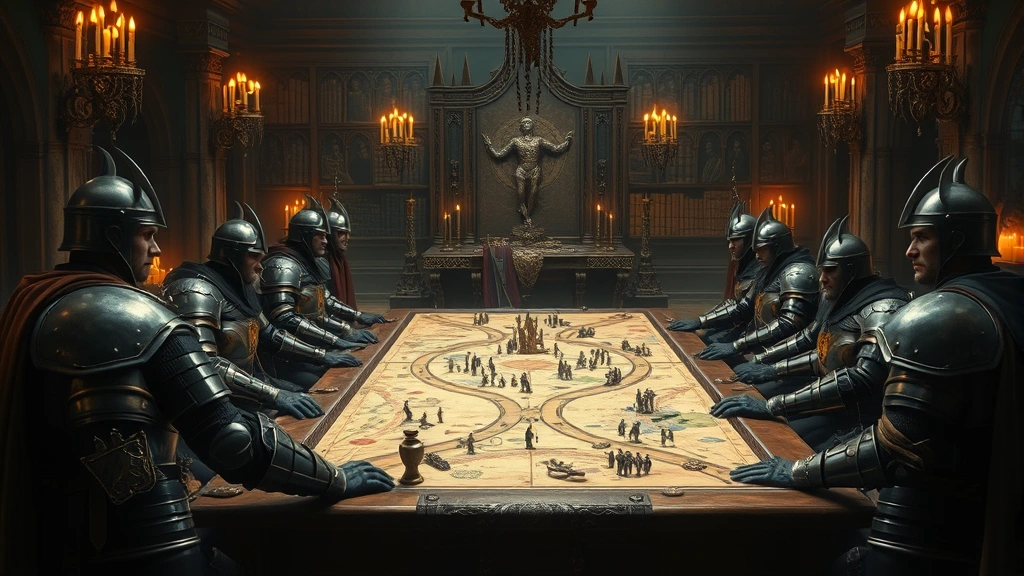
The gaming community has been buzzing about Kingslayer, a title that attempts to capture the strategic depth and political intrigue that made Game of Thrones such a cultural phenomenon. This isn’t an official Game of Thrones game, but rather an indie-developed strategy experience that draws heavy inspiration from the beloved HBO series. After extensive playtime and community feedback analysis, we’re breaking down what makes this game tick and whether it lives up to the hype that’s been surrounding it since launch.
Kingslayer positions itself as a turn-based strategy game with RPG elements, challenging players to navigate a complex web of alliances, betrayals, and political maneuvering. The developers clearly understood what fans loved about Game of Thrones: the intricate character dynamics, the unpredictable plot twists, and the constant threat that anyone could fall at any moment. Whether the game successfully translates that magic into interactive entertainment is what we’re here to determine.
Gameplay Mechanics and Core Systems
Kingslayer’s gameplay revolves around a fascinating blend of turn-based strategy and character-driven decision making. Players must manage resources, expand their territory, and maintain a network of allies while simultaneously plotting against rivals. The core loop feels reminiscent of games like Crusader Kings, but streamlined for accessibility without sacrificing depth.
The resource management system is where the game truly shines. You’re juggling gold, influence, military might, and espionage points. Each turn presents meaningful choices about how to allocate these resources. Do you invest in military strength to crush your enemies, or do you focus on espionage to uncover secrets and manipulate other players? This tension between different playstyles creates excellent replayability.
Character relationships form the backbone of Kingslayer’s mechanics. Every NPC and rival player has a relationship meter with your faction. Actions that please one character might anger another, creating cascading political consequences. Betraying an ally might grant you short-term advantages, but the long-term reputation damage could prove catastrophic. This dynamic mirrors the source material perfectly—loyalty is currency, and trust is a weapon.
The combat system deserves special attention. Rather than real-time action, battles play out as tactical engagements where positioning, unit composition, and special abilities matter tremendously. It’s not as deep as dedicated tactical RPGs, but it’s satisfying enough to feel consequential without bogging down the pacing. Players can even auto-resolve battles if they prefer focusing on the strategic layer.
One standout feature is the intrigue system. Players can hire spies, spread rumors, forge documents, and orchestrate coups. Successfully executing a conspiracy grants tremendous rewards, but failure means your schemes backfire spectacularly. We’ve seen players lose entire empires because a single plot was discovered. This risk-reward balance keeps every decision feeling weighted and important.
For those interested in similar strategic experiences, checking out our guide to best indie games for PC reveals other excellent strategy titles worth exploring.
Story Campaign and Narrative
The single-player campaign follows a compelling narrative arc that spans multiple chapters. You begin as a minor noble in a fractured realm and must rise to power through cunning, military might, or diplomatic prowess. The story adapts based on your choices, creating a personalized experience that feels genuinely influenced by your decisions.
Character writing is surprisingly strong. Major NPCs have distinct personalities, motivations, and character arcs. Some characters might betray you, others might become steadfast allies, and a few might surprise you entirely with unexpected redemption arcs. The dialogue captures the morally grey tone that made Game of Thrones compelling—there are rarely clear good guys and bad guys, just people pursuing their interests.
Branching narrative paths mean your playthrough will differ significantly from others. One player might ally with the corrupt merchant prince to gain wealth, while another might support the righteous general. These choices lead to dramatically different story outcomes, encouraging multiple playthroughs to experience all the content.
The pacing of the campaign is well-balanced. Early chapters introduce mechanics gradually while building narrative momentum. Mid-game chapters escalate stakes and force increasingly difficult decisions. The endgame reaches a climactic conclusion that feels earned based on your accumulated choices. Completing the campaign takes roughly 30-40 hours depending on difficulty and playstyle.
Some players have noted that certain story branches feel underdeveloped compared to others. If you take a particular diplomatic path early on, some content becomes inaccessible. This is intentional design—your choices matter and preclude other possibilities—but some fans wished for more branching to experience everything in a single playthrough.
Multiplayer Experience
Kingslayer’s multiplayer mode is where the game truly becomes a competition of wits and cunning. Asynchronous turn-based gameplay means you’re not locked into real-time sessions; you can take your turn whenever convenient. Games typically last 2-4 weeks of real time across 50-100 turns, creating an engaging long-form competitive experience.
Playing against human opponents introduces unpredictability that AI can’t match. Players employ surprising strategies, form unexpected alliances, and execute elaborate schemes. The community has developed a thriving competitive scene with regular tournaments and ranking systems. If you’re interested in best co-op games on Steam, you’ll appreciate how Kingslayer handles player interaction.
The matchmaking system pairs players of similar skill levels, ensuring competitive games for everyone from newcomers to veterans. Seasonal rankings track your performance, and leaderboards showcase top players. The competitive community is welcoming to new players, with experienced veterans offering guides and strategy discussions.
One concern raised by some players involves balance issues in multiplayer. Certain factions appear stronger than others at high levels of play, and some strategies feel overpowered when executed perfectly. The developers have committed to regular balance patches, and the meta continues evolving as the community discovers new tactics.
Graphics and Performance
Kingslayer employs a stylized visual aesthetic that prioritizes clarity over cutting-edge graphics. The isometric perspective provides excellent visibility for strategy gameplay, and the art direction effectively conveys the medieval fantasy setting. Character portraits are detailed and expressive, helping you form connections with NPCs.
The UI is generally intuitive, though some players report a learning curve with the more complex systems. The developers have released excellent tutorial content and in-game tooltips that explain mechanics thoroughly. Once you understand the interface, navigating turns becomes smooth and efficient.
Performance is excellent across different hardware configurations. The game runs smoothly on modest gaming setups, making it accessible to players without cutting-edge equipment. If you’re building a system to play Kingslayer, our gaming PC build guide offers recommendations for various budgets.
The soundtrack deserves praise for its atmospheric medieval instrumentation. Composed specifically for the game, the music enhances the immersive experience without becoming intrusive. Sound effects for battles, diplomacy, and intrigue provide satisfying audio feedback.
Pros and Cons
Strengths:
- Engaging strategic depth that rewards thoughtful planning and adaptation
- Meaningful choices that genuinely influence your experience
- Compelling narrative with well-written characters and branching paths
- Excellent multiplayer implementation with balanced matchmaking and seasonal competition
- Accessible to newcomers while offering complexity for veterans
- Strong community with active forums and strategy discussions
- Regular updates addressing balance and introducing new content
Weaknesses:
- Balance issues in competitive multiplayer that occasionally favor certain factions
- Steep learning curve for systems-heavy gameplay mechanics
- Limited faction variety compared to some competitor titles
- Some story paths feel underdeveloped relative to others
- Performance issues occasionally reported on lower-end systems during late-game turns with many units
- Multiplayer wait times can stretch between turns if opponents are inactive
Community Reception
The gaming community has largely embraced Kingslayer with enthusiasm. On Steam, the game maintains overwhelmingly positive reviews, with players praising its strategic depth and Game of Thrones inspiration. Fan communities on Reddit and Discord remain active, with players sharing strategy guides, fan art, and competitive highlights.
Content creators have invested significant time in Kingslayer, producing video guides, strategy tutorials, and entertaining multiplayer matches. Watching skilled players execute complex plans has introduced many new players to the game. The streaming community regularly features Kingslayer during strategy gaming events.
Professional esports organizations have shown interest in Kingslayer’s competitive potential. Several tournaments have been organized with prize pools, attracting top players and showcasing high-level strategic play. The game’s asynchronous nature makes it suitable for spectator-friendly tournament formats.
Criticism from the community focuses primarily on balance concerns and the desire for more content. Players want additional factions, story chapters, and gameplay mechanics. The developers have acknowledged this feedback and released a roadmap showing planned expansions for the coming year.
Final Verdict
Kingslayer successfully captures the strategic and political essence that made Game of Thrones captivating. It’s a game that respects player intelligence, offers meaningful choices, and creates emergent narratives through its systems and mechanics. Whether you’re playing the single-player campaign or engaging in competitive multiplayer, the core experience remains engaging and rewarding.
The game isn’t perfect—balance issues exist, and some systems could be streamlined—but these flaws don’t diminish the overall experience. For fans of strategy games seeking something with narrative weight and character-driven storytelling, Kingslayer is absolutely worth your time. It’s particularly compelling for Game of Thrones fans who’ve been hungry for a game that captures the series’ essence.
If you’re new to strategy games, Kingslayer offers an excellent entry point with robust tutorials and difficulty options. If you’re a veteran strategy gamer, the multiplayer competitive scene offers endless replayability against human opponents. Either way, this indie title punches well above its weight class and deserves recognition as one of the finest strategy games in recent years.
For more strategy gaming recommendations, explore our Game Forge Daily Blog for additional reviews and guides. You might also be interested in learning about cloud gaming options for playing Kingslayer on various devices, or checking out how to record gameplay on PC if you want to share your memorable moments with friends.
FAQ
Is Kingslayer actually based on Game of Thrones?
Kingslayer is not an official Game of Thrones product, but it’s clearly inspired by the series’ themes of political intrigue, betrayal, and strategic warfare. The game captures the essence of Game of Thrones through original characters and worldbuilding rather than direct IP licensing.
How long does a multiplayer game take?
Multiplayer games typically span 2-4 weeks of real time with 50-100 turns. Since turns are asynchronous, you can play at your own pace without committing to real-time sessions. Some shorter formats exist for quicker competitive experiences.
Can I play solo, or is multiplayer required?
The campaign is fully single-player with an engaging story that adapts to your choices. Multiplayer is optional but highly recommended for competitive players seeking human opponents. You can enjoy the full experience without ever touching multiplayer.
What’s the learning curve like?
Kingslayer has a moderate learning curve. The tutorial teaches core mechanics gradually, but mastering advanced strategies takes time. Most players feel competent within their first 10 hours and continue improving for dozens of hours beyond that.
How often does the game receive updates?
The developers maintain an active update schedule with monthly patches addressing balance issues and introducing new content. Seasonal updates bring major features like new factions, story chapters, and gameplay mechanics.
Is there a competitive scene?
Yes, Kingslayer has a growing competitive community with ranked multiplayer, seasonal competitions, and occasional tournaments with prize pools. Professional esports organizations have shown interest in supporting competitive Kingslayer events.
What makes Kingslayer different from other strategy games?
Kingslayer uniquely combines deep strategic gameplay with character-driven narrative and asynchronous multiplayer. The intrigue system allowing espionage and betrayal, combined with branching story paths, creates emergent experiences that feel fresh across multiple playthroughs.