
Game of Thrones Map: Complete Fan Guide & Strategic Breakdown
The Game of Thrones map represents one of the most intricate and detailed fictional worlds ever created for television and gaming. Whether you’re exploring Westeros through multiplayer gaming experiences or analyzing the geography for strategic gameplay, understanding the map’s layout is essential for any fan. The realm spans multiple continents, featuring diverse climates, political boundaries, and strategic locations that shaped every major conflict throughout the series.
From the frozen tundra beyond the Wall to the sun-baked deserts of Dorne, the Game of Thrones universe presents a geography as complex as its political intrigue. This comprehensive guide breaks down every region, major city, and strategic location that influenced the show’s narrative and continues to captivate fans worldwide. Whether you’re a casual viewer or a dedicated strategy enthusiast, mastering this map enhances your appreciation of the world George R.R. Martin created.
Understanding Westeros Geography
Westeros, the primary continent of Game of Thrones, spans roughly 3,000 miles from north to south and features remarkably diverse terrain. The continent’s geography directly influences political power, military strategy, and character development throughout the narrative. Understanding this landscape helps fans appreciate why certain kingdoms possess specific strengths and vulnerabilities.
The map reveals how geography created natural barriers between regions. The Neck, a narrow passage connecting the North to the rest of Westeros, served as a crucial defensive position for House Stark. Meanwhile, the Riverlands’ position between multiple kingdoms made it a constant battleground. The Red Mountains separate Dorne from the Reach, providing natural protection that allowed the southernmost kingdom to maintain independence longer than others.
Climate variations across Westeros significantly impact agriculture, military capabilities, and population density. Northern regions experience harsh winters that last years, affecting food production and requiring strategic resource management. The southern kingdoms enjoy milder climates supporting larger populations and more consistent harvests. This geographic reality translates directly into military and economic advantages, explaining why controlling the fertile Reach became so strategically important.
The presence of major water systems—including Blackwater Bay, the Narrow Sea, and countless rivers—created trade routes that enriched certain cities while isolating others. King’s Landing’s position on Blackwater Bay made it the commercial heart of the Seven Kingdoms, while cities like Gulltown and White Harbor developed as secondary trading hubs. Understanding these trade networks reveals how economic power complemented military strength in determining political dominance.
The Seven Kingdoms Explained
The Seven Kingdoms represent the political divisions of Westeros, each with distinct characteristics, histories, and strengths. Learning about gaming adaptations of these kingdoms provides deeper insight into how developers translated the map into interactive experiences.
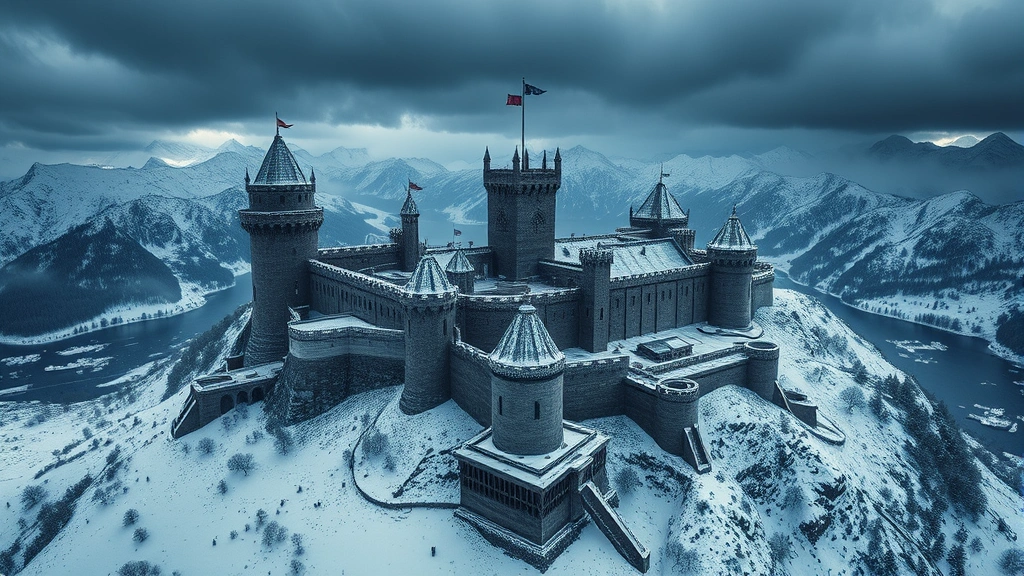
The North encompasses roughly one-third of Westeros, featuring vast forests, mountains, and the legendary Wall. House Stark ruled from Winterfell, maintaining power through loyalty, honor, and deep knowledge of their harsh terrain. The North’s strength lies in its warrior culture and ability to field experienced cavalry and infantry, though its sparse population and long winters create logistical challenges.
The Vale of Arryn occupies a mountainous region protected by the Eyrie, one of the most defensible castles in the realm. The Vale’s geographic isolation made it nearly impregnable to invasion, though this protection came at the cost of limited agricultural expansion. House Arryn’s power derived more from their defensive position than offensive military capability.
The Riverlands stretch across the central portion of Westeros, featuring the confluence of multiple rivers that provided fertility and trade opportunities. However, this strategic location made the Riverlands perpetually contested, with armies regularly marching through its territory. The region’s lack of a single dominant power structure left it vulnerable to conquest and occupation.
The Iron Islands represent a unique maritime culture focused on naval power and raiding. House Greyjoy’s control of these islands granted them significant naval advantages, though their limited land resources and population prevented them from competing with larger kingdoms in traditional warfare. Their strength lay in controlling sea routes and coastal raids.
The Westerlands contain vast mineral wealth, particularly gold from Casterly Rock. House Lannister’s control of these resources provided enormous financial advantages, enabling them to hire mercenaries and maintain armies through economic power rather than population size. The region’s prosperity made it a prime target during conflicts.
The Reach represents the most fertile region of Westeros, supporting the largest population and most abundant harvests. House Tyrell’s control of this agricultural heartland provided consistent resources and manpower. The Reach’s prosperity made it economically dominant, though its defensive challenges required strong military leadership.
The Stormlands occupy a region frequently battered by Atlantic storms, creating a harsh environment that produced fierce warriors. House Baratheon’s rule from Storm’s End demonstrated how defensive positioning and warrior culture could overcome limited resources. The region’s geographic challenges forged resilient military forces.
Dorne remains unique as the only kingdom never conquered by the Targaryen conquest. Its desert geography, mountain passes, and distinct culture created a separate identity. House Martell’s control of this isolated region allowed them to maintain independence through geography and military cunning rather than superior numbers.
Beyond the Wall and Northern Territories
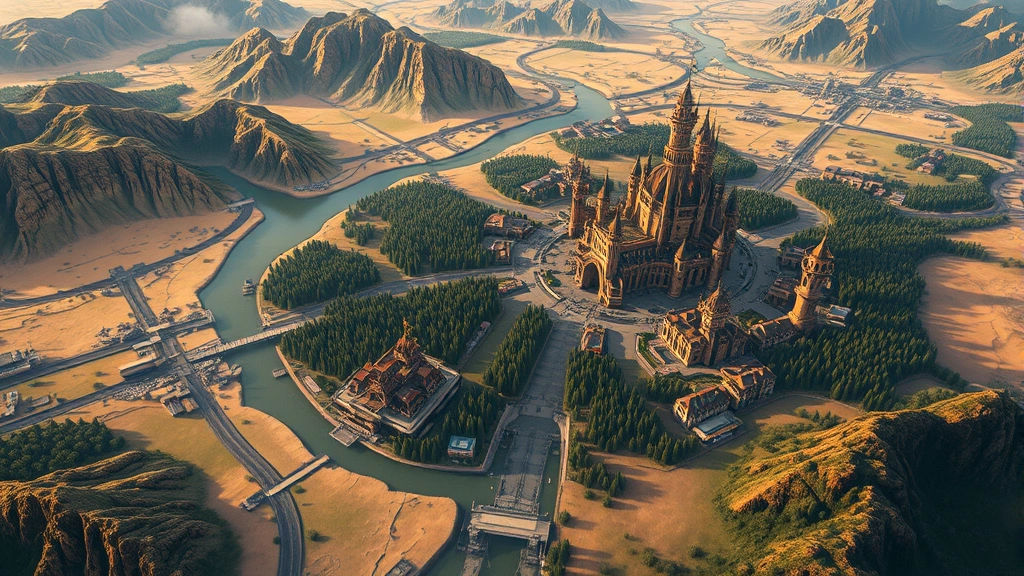
The lands beyond the Wall represent the most mysterious and dangerous regions on the Game of Thrones map. This vast frozen wilderness, extending far beyond the mapped Seven Kingdoms, contains territories that remain largely unexplored throughout the series. Understanding these northern territories adds depth to the existential threat posed by the White Walkers and the Free Folk.
The Wall itself stretches 300 miles across the northern frontier, constructed from ice and magic to defend against threats from beyond. This monumental structure served as both physical barrier and psychological symbol of civilization’s limits. The Night’s Watch maintained numerous castles along the Wall, including Castle Black, the Shadow Tower, and Eastwatch-by-the-Sea, each controlling different sections of this massive fortification.
Beyond the Wall, the Free Folk—wildlings to southerners—inhabited the frozen wilderness without formal government structure. Understanding their territory and culture became crucial as the series progressed. The Lands of Always Winter represented the northernmost extreme, a region of perpetual winter where even the Free Folk rarely ventured. This mysterious region served as the source of the White Walkers’ emergence.
The map reveals several important locations beyond the Wall, including Harrenhal to the south, which served as a crucial strategic position. The Frostfangs mountains provided shelter for wildling populations, while the lands around the Shivering Sea remained largely unexplored. The geography of these northern territories created natural barriers that protected the Free Folk from southern invasion while limiting their own expansion southward.
Eastern Lands and Essos
While Westeros dominates the Game of Thrones narrative, the eastern continent of Essos plays an increasingly important role, particularly regarding high-performance gaming systems needed to render these vast worlds. Essos spans an even larger area than Westeros, featuring diverse civilizations, climates, and political structures.
The Free Cities line the western coast of Essos, including Braavos, Pentos, Lys, and Volantis. These independent city-states maintained complex political relationships, trading networks, and military alliances. Braavos, built on islands and famous for its iron bank, became increasingly relevant to Westerosi politics through financial influence. The Free Cities’ naval power and commercial sophistication created alternatives to Westerosi governance.
The Dothraki Sea represents a vast grassland empire controlled by nomadic horse lords. This region’s geography created a unique military culture emphasizing cavalry tactics and mobility. The Dothraki’s dominance of these plains made them a formidable force, though their reliance on open terrain created vulnerabilities in forested or mountainous regions.
Valyria represents the legendary ancient civilization that once dominated much of the known world. The Doom of Valyria transformed this once-magnificent empire into the Smoking Wastes, a desolate region of volcanic devastation. Understanding Valyrian history and geography explains why the Targaryen family’s dragons and advanced knowledge provided such significant advantages.
Slaver’s Bay contains several major cities including Astapor, Yunkai, and Meereen. These slave-trading centers represented the moral darkness of the eastern world while providing crucial military forces through slave soldiers. The geography of these cities, built along trade routes, made them economically dominant but dependent on maritime commerce.
The eastern portions of Essos remain largely unmapped throughout the series, with mysterious regions like the Jade Sea and the lands beyond Asshai creating an air of mystery. This unmapped territory served narrative purposes, allowing for speculation about what lay beyond the known world.
Strategic Locations and Battle Sites
The Game of Thrones map contains numerous strategically significant locations that determined military outcomes and political power throughout the narrative. Analyzing these sites reveals how geography influenced major battles and political developments.
King’s Landing sits at the mouth of Blackwater Bay, making it the commercial and political heart of Westeros. The city’s position provided access to maritime trade while its walls and fortifications created defensive advantages. The Red Keep dominated the city’s geography, serving as both seat of power and military stronghold. Understanding King’s Landing’s layout helps fans appreciate how political intrigue unfolded within its walls and how armies maneuvered during sieges.
Winterfell represented the North’s stronghold, strategically positioned to control access to the southern kingdoms. The castle’s defensive design, featuring multiple walls and internal structures, made it nearly impregnable. Its position on the Kingsroad made it a crucial waypoint for any army moving through the North, giving House Stark significant strategic advantage.
The Trident served as the site of the crucial battle that ended the Targaryen dynasty. This river’s location, where multiple waterways converged, created a strategic bottleneck that determined the battle’s outcome. Understanding this geographic feature reveals why the location became so historically significant.
The Twins occupied a strategic position controlling the only bridge across the Green Fork river. This geographic chokepoint made the Freys incredibly powerful, allowing them to tax all commerce and armies passing through their territory. The castle’s strategic importance explains why controlling it became crucial in various conflicts.
Harrenhal represented the largest castle in the Seven Kingdoms, built on a peninsula jutting into the God’s Eye lake. Its massive size made it nearly impossible to defend with limited garrisons, creating a strategic paradox where size became a weakness. The castle’s geography and history demonstrated how physical grandeur didn’t always translate to strategic advantage.
The Wall and Castle Black represented humanity’s greatest fortification, stretching across the northern frontier. This location’s strategic importance transcended typical military considerations, serving as the bulwark against existential threats. The geography of the Wall, built in a defensible location with multiple castle positions, demonstrated sophisticated military planning.
Interactive Map Resources
Modern fans benefit from numerous interactive resources that bring the Game of Thrones map to life. These digital tools allow exploration of the world in ways unavailable to previous generations of fans. Many fan-created applications provide detailed information about locations, distances, and strategic features.
Interactive maps often include features allowing users to measure distances between locations, calculate travel times, and explore regional details. These tools enhance understanding of the world’s scale and help fans appreciate the logistical challenges characters faced during their journeys. Some applications even include overlay features showing political boundaries at different points in the timeline.
Official Game of Thrones maps published by HBO and included in official materials provide authoritative geographic information. These maps evolved throughout the series, sometimes revealing previously unknown locations or clarifying ambiguous geographic relationships. Collectors value these official maps as both practical references and collectible items.
Fan wikis and dedicated websites compile extensive information about every location shown on the Game of Thrones map. These community resources often include historical information, character connections, and strategic analysis. The collaborative nature of these projects ensures that comprehensive information remains accessible to fans worldwide.
Game of Thrones Gaming Adaptations
The Game of Thrones universe has inspired numerous gaming adaptations, many featuring detailed recreations of the map. These interactive experiences allow players to explore the world directly rather than observing it passively. Understanding how developers translated the television map into playable environments reveals interesting design choices.
Telltale’s Game of Thrones Adventure Game featured multiple locations from the map, allowing players to visit iconic locations and meet familiar characters. The game’s episodic structure meant players experienced different regions across multiple installments. The developers had to make creative decisions about which locations to include and how to represent them in an interactive format.
Crusader Kings II: A Game of Thrones Mod provided the most comprehensive map-based gaming experience. This community-created modification allowed players to rule various factions across the entire Game of Thrones world, simulating political intrigue and warfare across the full map. The mod demonstrated how strategic gaming could incorporate the complex geography of Westeros and Essos.
Strategy games featuring the Game of Thrones license typically emphasize the importance of the map’s geography. Players must consider terrain, climate, and distance when planning military campaigns and political maneuvering. These games often require players to master the map’s layout to succeed strategically.
For those interested in building high-performance gaming systems to play these titles, comprehensive gaming PC guides provide essential information. Additionally, players wanting to share their gameplay experiences should explore gameplay recording techniques. Understanding cloud gaming options also provides alternative ways to access these games without significant hardware investment.
These gaming adaptations demonstrate how the Game of Thrones map transcends its role as a static geographic reference. Instead, it becomes an interactive playground where fans can engage with the world directly. The map’s complexity and detail make it ideal for gaming adaptations that require strategic thinking and geographic awareness.
FAQ
How big is the Game of Thrones map compared to real-world continents?
Westeros spans approximately 3,000 miles from north to south, roughly equivalent to the distance from Canada to Mexico. However, the Seven Kingdoms contain much higher population density in certain regions, making direct comparisons challenging. Essos spans an even larger area, though much of it remains unmapped throughout the series.
Can I visit Game of Thrones map locations in real life?
While the fictional locations don’t exist, HBO filmed Game of Thrones in numerous real-world locations. Croatia’s Dubrovnik served as King’s Landing, Northern Ireland provided many exterior shots, and Spain featured Dorne locations. Many of these filming locations offer official Game of Thrones tours for fans.
Which location on the Game of Thrones map is most strategically important?
King’s Landing holds the greatest strategic importance as the capital and political center of the Seven Kingdoms. However, The Twins, Harrenhal, and the Wall each possess unique strategic significance. The importance of any location depends on the specific conflict being analyzed.
How long would it take to travel across Westeros?
Travel time varies dramatically based on terrain, weather conditions, and available routes. A rider on horseback traveling along established roads might cover 50-60 miles daily under ideal conditions. Traveling from King’s Landing to Winterfell would require several weeks of constant travel. Winter conditions could extend journeys to months.
Are there official Game of Thrones maps available for purchase?
Yes, HBO released official maps included in various Game of Thrones merchandise and publications. These maps are available through official retailers and fan shops. Additionally, numerous fan-created maps exist, ranging from artistic renderings to detailed strategic maps emphasizing military considerations.
How accurate is the Game of Thrones map to George R.R. Martin’s original descriptions?
The television map generally aligns with Martin’s descriptions, though some adaptations were made for television production purposes. Martin’s original maps, included in his novels, provided the foundation for the television version. Dedicated fans sometimes note minor discrepancies between different official maps created throughout the series’ production.