

McDonald’s Squid Game: Fun Crossover or Marketing?
When McDonald’s announced its collaboration with Netflix’s Squid Game, the gaming and pop culture communities erupted with mixed reactions. The fast-food giant transformed its restaurants into playgrounds inspired by the hit Korean drama, complete with themed promotions, limited-edition merchandise, and interactive experiences. But beneath the colorful packaging and nostalgic games lies a deeper question: is this a genuine celebration of gaming culture, or merely another corporate attempt to capitalize on trending franchises?
The crossover represents one of the most ambitious marketing campaigns McDonald’s has launched in recent years, blending entertainment, gaming, and consumer engagement in ways that blur the lines between authentic fandom and calculated profit-driven strategy. Whether you’re a casual viewer of Squid Game or a dedicated gamer, understanding the implications of this collaboration reveals much about how modern brands interact with gaming culture and audiences.
The Squid Game Phenomenon
Squid Game became a global sensation when Netflix released it in September 2021, breaking viewership records and captivating audiences worldwide. The South Korean survival drama follows hundreds of desperate people competing in childhood games for a massive cash prize, with deadly consequences for losers. Its exploration of economic inequality, desperation, and human nature resonated deeply with viewers across cultures and demographics.
The show’s success transcended typical entertainment metrics. It spawned merchandise, inspired gaming adaptations, influenced fashion trends, and became a cultural touchstone referenced in mainstream media. When brands noticed this phenomenon, they recognized an unprecedented opportunity to tap into an engaged, passionate fanbase. McDonald’s, with its global reach and established marketing infrastructure, positioned itself to leverage this cultural moment in ways few other companies could match.
The appeal of Squid Game to brands like McDonald’s isn’t accidental. The show features iconic childhood games—games that McDonald’s itself has long associated with its brand through playgrounds, Happy Meals, and family-oriented marketing. This natural intersection made the collaboration feel almost inevitable, though the execution raised eyebrows among critics who questioned the appropriateness of promoting a show about deadly competition through a family restaurant chain.
McDonald’s Marketing Strategy
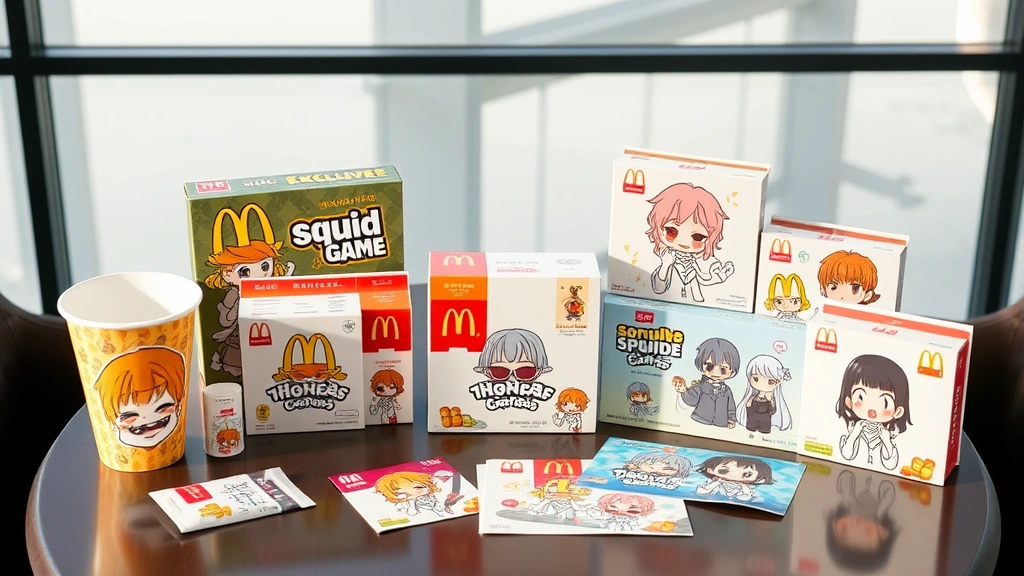
McDonald’s approached the Squid Game collaboration with calculated precision. The campaign included limited-edition packaging featuring characters and imagery from the show, interactive games in restaurants that mimicked challenges from the series, and exclusive merchandise available only during the promotional period. This multi-channel approach ensured maximum visibility and consumer engagement across different touchpoints.
The strategy tapped into several proven marketing principles. First, it created scarcity through limited availability, encouraging consumers to participate before items sold out. Second, it fostered social sharing by designing Instagram-worthy packaging and experiences that customers wanted to document and post online. Third, it appealed to nostalgia by connecting childhood games with adult entertainment, bridging generational gaps in McDonald’s customer base.
From a business perspective, the collaboration was brilliant. Squid Game fans visiting McDonald’s represented a demographic the chain actively targets—younger adults with disposable income and strong social media presence. The promotional period drove foot traffic during specific windows, allowing McDonald’s to measure campaign effectiveness through sales data and foot traffic analytics. Check out our guide on best co-op games on Steam to understand how multiplayer engagement works in gaming communities, a principle McDonald’s applied to their social strategy.
However, the strategy also revealed something about modern marketing: brands increasingly blur the line between entertainment participation and consumption. When you buy a McDonald’s meal during a Squid Game promotion, are you supporting the show, engaging with gaming culture, or simply consuming a product? The answer is probably all three, which is precisely what makes this collaboration so effective—and so controversial.
Gaming and Entertainment Crossovers
The McDonald’s and Squid Game collaboration exists within a broader landscape of gaming and entertainment crossovers that have become increasingly common. Major brands now regularly partner with popular franchises, from energy drink sponsorships of esports tournaments to fast-food collaborations with video game characters. Understanding this context helps clarify whether McDonald’s represents something new or simply an evolution of existing practices.
Gaming crossovers have proven remarkably effective for both parties. When IGN covers gaming news, crossover announcements consistently generate massive engagement. Esports organizations have built entire sponsorship models around brand partnerships. The gaming industry itself has embraced collaborations, with major titles like Fortnite regularly featuring branded cosmetics and limited-time events tied to external franchises. These partnerships generate revenue while providing entertainment value to audiences.
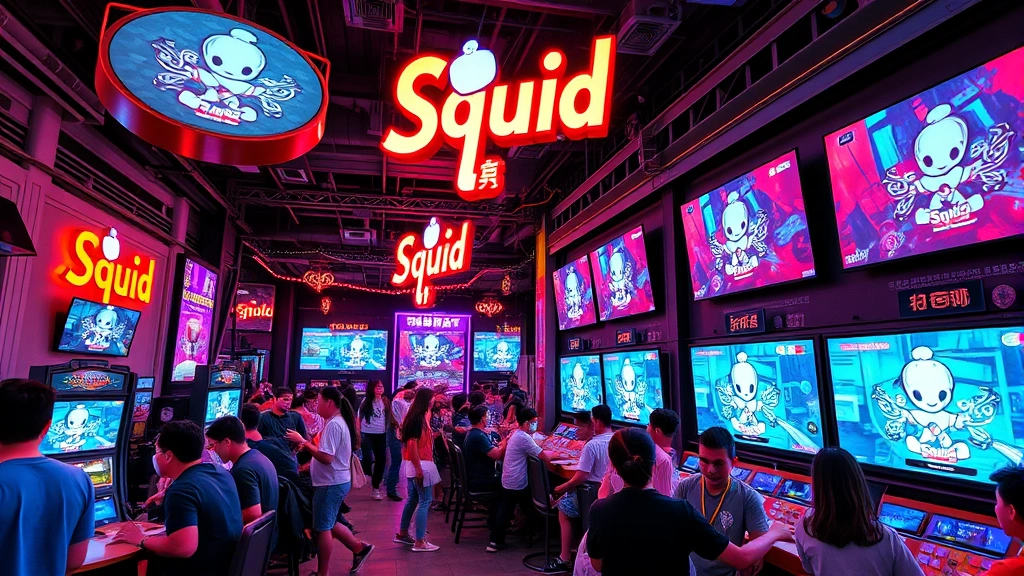
What distinguishes the McDonald’s and Squid Game collaboration is its focus on physical, in-restaurant experiences rather than purely digital content. While many gaming crossovers occur entirely within digital spaces, McDonald’s created tangible touchpoints—actual games played in actual restaurants—that brought the digital entertainment into real-world spaces. This represents an interesting evolution in how brands activate entertainment partnerships.
The indie gaming community often critiques major brand collaborations as inauthentic, yet many independent developers have benefited from brand partnerships that provided funding or exposure. The tension between authenticity and commercialism runs throughout gaming culture, with no clear resolution in sight. McDonald’s collaboration exemplifies this ongoing debate perfectly.
The Consumer Experience
From a consumer standpoint, the McDonald’s Squid Game campaign delivered genuine entertainment value alongside traditional fast-food consumption. The in-restaurant games offered interactive experiences that differentiated McDonald’s from competitors. Customers received themed packaging that served as collectibles. The limited-time nature created urgency that drove participation. For many consumers, especially younger demographics, this represented a fun way to engage with beloved entertainment while grabbing food.
However, consumer reactions remained mixed. Some fans appreciated the creative execution and viewed it as a genuine celebration of Squid Game‘s cultural impact. Others criticized McDonald’s for profiting from content centered on economic desperation and inequality, finding it tone-deaf to promote the show through a fast-food chain. This dichotomy reveals how differently audiences interpret brand-entertainment partnerships depending on personal values and perspectives.
The experience also highlighted generational differences in brand engagement. Younger consumers who grew up with integrated marketing and brand collaborations viewed the campaign as normal and entertaining. Older demographics sometimes questioned why a restaurant was promoting violent entertainment to children. These reactions underscored how marketing strategies that resonate with target audiences can simultaneously alienate other groups.
For those interested in understanding consumer behavior in gaming contexts, exploring gaming PC hardware choices reveals similar patterns—consumers make purchasing decisions based on complex combinations of authentic interest, brand loyalty, and social signaling. The same psychological mechanisms that drive gaming hardware purchases influence responses to entertainment crossovers.
Cultural and Social Impact
The McDonald’s Squid Game collaboration raised important questions about cultural appropriation, marketing ethics, and the commercialization of entertainment. Squid Game itself critiques consumer culture and economic inequality, yet here was McDonald’s—a symbol of global capitalism—using the show to sell products. The irony wasn’t lost on cultural critics and social media observers.
This contradiction highlights a fundamental tension in contemporary capitalism: entertainment that critiques consumerism inevitably gets consumed and commercialized. Squid Game‘s themes about desperation and inequality become marketing hooks. The show’s commentary on how people sacrifice dignity for money gets weaponized to sell burgers. Whether this constitutes hypocrisy or simply reflects reality remains debatable.
From a gaming culture perspective, the collaboration demonstrated how mainstream entertainment increasingly influences and intersects with gaming spaces. Squid Game itself inspired numerous gaming adaptations and fan projects, showing how entertainment franchises evolve across media. McDonald’s involvement accelerated this process, bringing Squid Game experiences to physical spaces where diverse audiences encountered the brand.
The GameSpot community discussions around this collaboration revealed genuine interest in how entertainment franchises expand across media and retail spaces. Gaming enthusiasts recognized parallels to how video game franchises expand into merchandise, theme park attractions, and physical experiences. The mechanics weren’t new; only the specific application was.
Examining this cultural moment also requires acknowledging McDonald’s legitimate role in global entertainment ecosystems. The company employs millions, operates in nearly every country, and wields significant cultural influence. When McDonald’s partners with entertainment properties, it reflects its position as a cultural institution, not merely a restaurant chain. This doesn’t automatically justify every collaboration, but it contextualizes why McDonald’s pursues such partnerships.
For deeper insights into how brands engage with gaming communities, understanding gameplay recording and streaming culture provides valuable perspective. Streamers and content creators function as modern influencers who shape how audiences perceive brand collaborations. McDonald’s likely invested heavily in creator partnerships to amplify the campaign’s reach.
FAQ
Was the McDonald’s Squid Game collaboration available worldwide?
The campaign’s availability varied by region. While McDonald’s operates globally, not every country received identical promotional materials or experiences. Regional marketing teams adapted the campaign to local preferences, regulations, and cultural contexts. Some markets received full in-restaurant game experiences, while others focused primarily on limited-edition packaging.
Did the collaboration boost sales for McDonald’s?
While exact figures remain proprietary, industry analysts noted increased foot traffic during promotional periods. Limited-time campaigns typically drive short-term sales spikes as consumers rush to participate before availability ends. The collaboration likely generated measurable returns, though determining whether it converted one-time visitors into regular customers requires longer-term data analysis.
How did Netflix respond to the McDonald’s partnership?
Netflix generally supports brand partnerships that increase awareness and engagement with its content. The streaming service benefits when entertainment properties expand into physical retail spaces, as this amplifies cultural presence and drives subscription interest. Netflix likely coordinated with McDonald’s on messaging and brand representation to ensure alignment with the show’s image.
Will similar collaborations continue in the future?
Almost certainly. The McDonald’s Squid Game collaboration proved successful enough that other brands and entertainment properties will pursue similar partnerships. The model works: entertainment generates cultural excitement, brands leverage that excitement to drive sales, and consumers receive entertainment value alongside commercial products. Expect more collaborations across gaming, streaming, and retail spaces.
What makes this collaboration different from previous brand partnerships?
The scale and sophistication distinguished this campaign. McDonald’s didn’t simply slap Squid Game branding on existing products; the company created interactive experiences, commissioned original packaging designs, and coordinated global marketing efforts. The collaboration also benefited from Squid Game‘s unprecedented cultural moment, making it feel more significant than typical franchise tie-ins.
How did gaming communities respond to the collaboration?
Responses varied significantly. Gaming enthusiasts appreciated the creative execution and the way McDonald’s brought entertainment into physical spaces. However, more critical voices questioned the appropriateness of promoting a show about economic desperation through a fast-food restaurant, viewing it as tone-deaf or exploitative. This reflects broader debates within gaming and entertainment communities about commercialization and authenticity.
Visit the GameForge Daily Blog for more insights into gaming culture, entertainment trends, and industry analysis. For understanding emerging technologies in gaming spaces, explore our coverage of cloud gaming and how it’s reshaping how audiences access entertainment.
The McDonald’s Squid Game collaboration ultimately represents both an opportunity and a challenge for modern marketing. It demonstrates how brands can create genuine entertainment value while promoting products, yet it also exemplifies the commercialization of entertainment that critics rightfully question. Whether you view it as fun marketing or cynical exploitation likely depends on your relationship with brands, entertainment, and consumer culture itself. What remains undeniable is that such collaborations will continue shaping how gaming and entertainment cultures evolve in our increasingly commercialized world.