
Snow’s Role in Hunger Games Video Game? Fan Theories
The Hunger Games franchise has captivated audiences across books, films, and now the gaming world, but one character continues to spark intense debate among fans: President Snow. While the tyrannical leader’s presence in official game adaptations remains somewhat mysterious, the gaming community has erupted with theories about what role Snow could play in future Hunger Games video games. From antagonist to puppet master, fans are dissecting every possibility of how this iconic villain might shape the interactive experience.
Gaming has become a natural extension of the Hunger Games universe, offering players the chance to experience Panem like never before. However, the question of Snow’s involvement—whether as a direct opponent, narrative force, or hidden manipulator—remains one of the most hotly debated topics among players and theorycrafters. This exploration dives deep into fan theories, game mechanics, and the potential narrative paths that could bring Snow to life in interactive form.
Snow’s Character Complexity in Gaming Context
President Snow represents one of fiction’s most compelling villains—a character whose power stems not from brute force but from calculated manipulation, political acumen, and psychological dominance. In the books and films, Snow’s true strength lies in his ability to control narratives, manipulate tributes, and orchestrate events from behind the scenes. When considering how this translates to video game mechanics, developers face a fascinating challenge: how do you make a villain whose power is primarily cerebral and political engaging in an interactive medium?
The gaming community has been theorizing that Snow’s role could transcend traditional antagonist stereotypes. Unlike typical video game villains who confront players directly, Snow operates through systems, bureaucracy, and indirect control. This makes him uniquely suited to a game design that emphasizes player agency and consequence. Many fans believe that any Hunger Games game featuring Snow should reflect his modus operandi—creating a world where players feel watched, judged, and manipulated rather than simply threatened by combat encounters.
Fans frequently reference the mechanics found in narrative-driven cooperative games on Steam, suggesting that Snow’s presence could work similarly—as an omnipresent force that shapes the environment rather than acting as a conventional boss battle. This theory emphasizes Snow’s role as a systems architect who designs the Games themselves, making every challenge and obstacle a reflection of his will.
Fan Theory: The Puppet Master Narrative
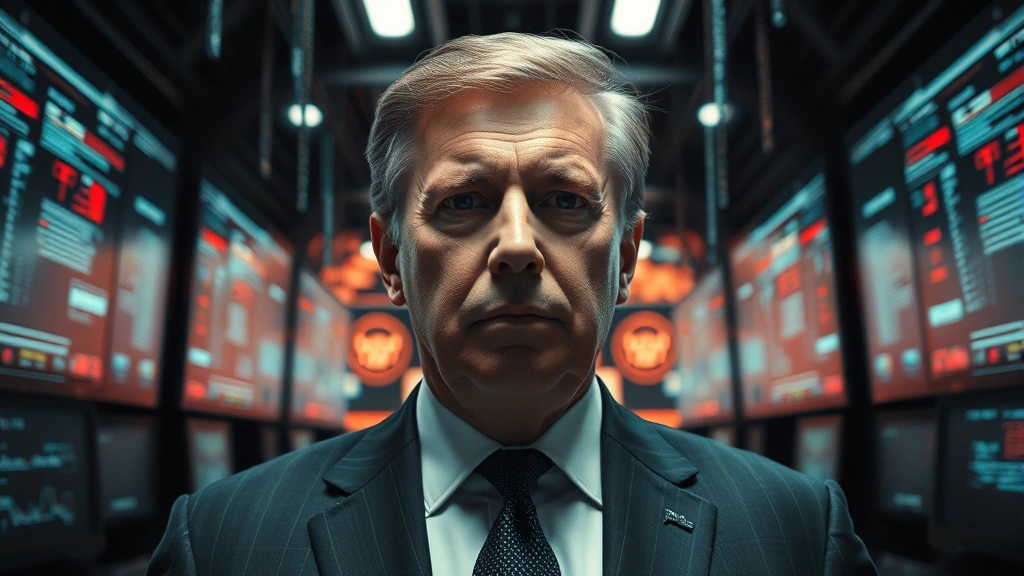
One of the most compelling fan theories suggests that Snow functions as the ultimate puppet master in any potential Hunger Games video game. According to this theory, players wouldn’t necessarily confront Snow directly but would instead navigate a world entirely shaped by his decisions and machinations. Every event in the arena, every alliance opportunity, and every survival challenge would be revealed to be part of Snow’s grand design.
This narrative approach would create a meta-gaming experience where players gradually uncover Snow’s true intentions throughout their playthrough. Early in the game, players might believe they’re simply competing in the Hunger Games, but as the story progresses, they’d discover that Snow has been orchestrating specific outcomes, testing particular tributes, or gathering intelligence for larger political purposes. This revelation structure mirrors the pacing of the original novels and films, where Snow’s influence becomes increasingly apparent.
Theorists point out that this mechanic could create profound replay value. Players completing the game once would understand that their choices—which seemed autonomous—were actually anticipated and accounted for by Snow’s strategic planning. Subsequent playthroughs would feel different knowing that Snow predicted certain player behaviors, creating a chilling sense of predetermined fate that aligns perfectly with the character’s established philosophy.
Some fans have suggested that exploring narrative-focused game design would be essential for implementing this theory effectively. The psychological depth required to portray Snow as a manipulative force rather than a simple enemy demands sophisticated storytelling capabilities that only the most ambitious game developers possess.
Antagonist Role Possibilities
Beyond the puppet master theory lies the more traditional interpretation: Snow as a direct antagonist that players must oppose and ultimately defeat. This version suggests that a Hunger Games game could climax with a confrontation between the player character and President Snow himself. However, even in this scenario, fans theorize that the confrontation wouldn’t be a typical combat encounter.
Several theories propose that Snow could be defeated through political maneuvering, propaganda countering, or public opinion shifts rather than physical combat. This would represent a significant departure from standard video game boss battles, creating something uniquely aligned with Snow’s character. Players might need to expose his lies, rally the population of Panem against him, or orchestrate a revolution—gameplay mechanics that would feel both thematically appropriate and narratively satisfying.
The antagonist role could also incorporate Snow’s obsession with control and his need to maintain the illusion of invincibility. A game could feature mechanics where Snow becomes increasingly desperate and paranoid as players threaten his authority. His decision-making might become erratic, his plans more brutal, and his psychological vulnerabilities more apparent. This character arc would provide a satisfying narrative conclusion while maintaining Snow’s complexity as a villain who believes absolutely in the righteousness of his actions.
Fan theories often compare this approach to how other games handle complex antagonists, suggesting that developers should study titles that have successfully portrayed nuanced villains with psychological depth. The goal would be creating a Snow who remains terrifying precisely because players understand his motivations, even if they fundamentally oppose his methods.
Psychological Warfare Mechanics
Psychological warfare represents perhaps the most innovative way that Snow’s character could manifest in video game mechanics. Rather than traditional health bars and combat systems, a game could feature a “Confidence” or “Authority” meter that reflects Snow’s psychological hold over the player character and the broader population.
Theorists suggest that Snow could employ various psychological tactics throughout the game:
- Propaganda broadcasts that attempt to demoralize the player and justify the Games
- Betrayal mechanics where Snow manipulates other characters into working against the player
- Surveillance systems that create constant pressure and restrict player freedom
- Manufactured scarcity where Snow controls resource availability to force specific player behaviors
- Public opinion shifts where Snow’s media control directly impacts how NPCs treat the player
These mechanics would create a gameplay experience fundamentally different from traditional action games. Players would need to manage their psychological resilience, gather intelligence about Snow’s plans, and build counter-narratives to undermine his control. Success wouldn’t come from defeating enemies but from outmaneuvering Snow’s political apparatus.
The beauty of this theory lies in its thematic alignment with the source material. Snow’s power in the books comes from controlling information and perception—making a game that replicates these mechanics would create an authentically Hunger Games experience. Players would feel the weight of Snow’s authority not through overwhelming combat encounters but through the suffocating sense of being trapped in a system designed by a mastermind.
Multiplayer and Competitive Elements
Fan theories about Snow’s role become particularly interesting when considering multiplayer game modes. Some theorists propose that Snow could serve as a dynamic administrator in competitive Hunger Games experiences, where Snow’s AI makes real-time decisions that affect all players simultaneously.
Imagine a multiplayer mode where Snow actively intervenes in the arena, creating advantages for certain tributes, introducing unexpected disasters, or forcing specific confrontations. Players would need to adapt not only to other human competitors but to Snow’s unpredictable manipulations. This would create genuinely emergent gameplay where no two matches play identically.
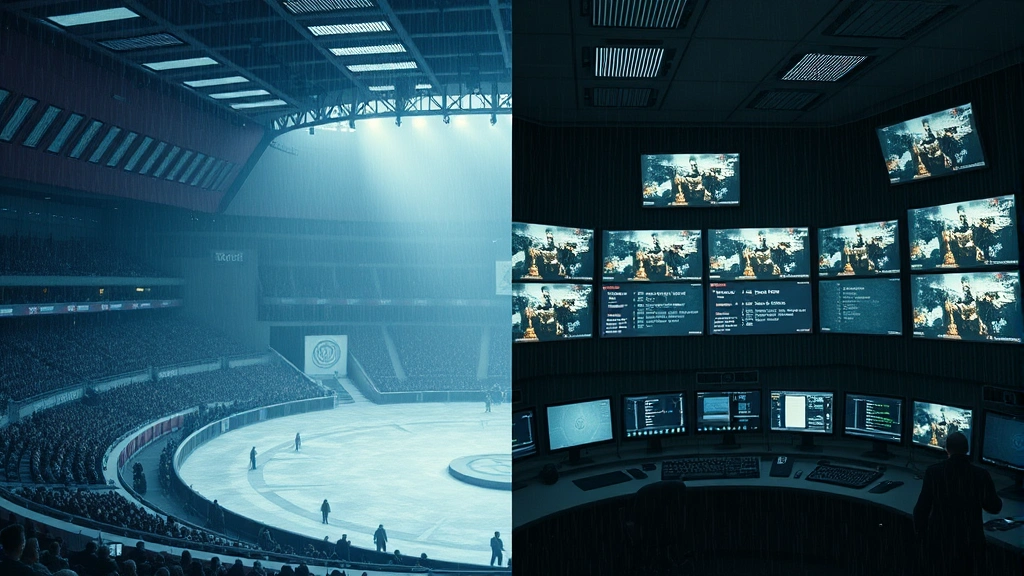
Another theory suggests that Snow could be represented through esports tournament structures where a player-controlled Snow makes strategic decisions about arena conditions, sponsorships, and event mechanics. This would allow for competitive gaming at multiple levels—tributes competing for survival and players competing to outmaneuver Snow’s administrative decisions.
The esports potential here is significant. Professional gaming organizations could develop competitive scenes around Hunger Games games where understanding Snow’s decision-making patterns becomes crucial to success. Players would study Snow’s historical choices, predict his likely interventions, and develop strategies to counteract them. This would create a metagame layer that rewards strategic thinking and psychological insight.
Narrative Branching with Snow
One of the most sophisticated fan theories involves Snow’s role in a branching narrative system where his presence directly influences which story paths become available to players. Early game decisions might inadvertently attract or repel Snow’s attention, fundamentally altering the narrative trajectory.
For example, a player who performs exceptionally well in the arena might catch Snow’s interest, leading to a storyline where Snow attempts to recruit them for future purposes. Alternatively, a player who openly defies the Games’ structure might trigger Snow’s wrath, resulting in increasingly difficult challenges designed specifically to test their resolve. These branching paths would create highly personalized narratives where Snow’s response to the player character feels earned and meaningful.
Theorists suggest that understanding narrative design in indie games could provide valuable lessons for implementing complex branching systems. Many indie developers have successfully created games where player choices meaningfully impact story outcomes, demonstrating that sophisticated narrative branching is achievable across different budget levels.
The psychological impact of Snow’s attention would be central to this system. Players would need to decide whether to remain beneath Snow’s notice (potentially limiting their agency) or to attract his attention (potentially opening new opportunities but inviting greater scrutiny). This creates a fascinating tension that reflects the actual dynamics of Snow’s rule in Panem—safety through invisibility versus power through visibility.
Comparison to Other Gaming Villains
To better understand how Snow could function as a video game antagonist, fans frequently compare him to other complex villains in gaming history. Gaming journalism outlets like IGN have extensively analyzed how different games approach villain characterization, providing frameworks that could apply to Snow.
Some comparisons fans draw include:
- Cerberus (Mass Effect series): Like Cerberus, Snow could represent an organization with seemingly reasonable goals but fundamentally corrupt methods. Players might face moments where Snow’s arguments seem almost convincing before recognizing the underlying authoritarianism.
- The Illusive Man (Mass Effect): Both characters believe they’re saving their civilization through control and manipulation. Both would present themselves as pragmatists making difficult choices rather than villains.
- Handsome Jack (Borderlands 2): Like Jack, Snow could be portrayed as increasingly unhinged as players threaten his authority, creating moments of dark comedy alongside genuine menace.
- Andrew Ryan (BioShock): Both represent ideological opponents whose philosophies players must actively reject rather than simply defeat militarily. Both believe absolutely in their worldview’s correctness.
These comparisons suggest that Snow could be portrayed as a villain who challenges players intellectually and philosophically, not merely physically. The most compelling video game antagonists force players to confront ideas and systems, not just enemies—something Snow’s character naturally facilitates.
GameSpot’s analysis of antagonist design has noted that modern players increasingly appreciate villains with understandable motivations and complex psychology. Snow perfectly fits this modern expectation—he’s not evil for evil’s sake but genuinely believes in his system’s necessity.
Fans also reference how different gaming platforms and PC specifications could support the sophisticated AI and narrative systems necessary to portray Snow effectively. Modern hardware enables the complex decision-making algorithms that would allow Snow to function as a dynamic, responsive antagonist rather than a scripted character.
FAQ
Has Snow appeared in any official Hunger Games video games?
Snow has appeared in some Hunger Games game adaptations, though his role has typically been limited compared to his prominence in the films and books. Fan theories often speculate about more substantial Snow involvement in future games.
What makes Snow different from typical video game villains?
Snow’s power stems from manipulation and control rather than physical strength. This makes him uniquely suited to games that emphasize narrative consequence and psychological depth over combat mechanics.
Could a Hunger Games game focus entirely on Snow’s perspective?
Many fans theorize that a game from Snow’s point of view could work brilliantly, showing players how he views the Games as necessary tools for maintaining order. This would create a fascinating moral challenge where players must confront an antagonist who believes absolutely in his righteousness.
What game mechanics would best represent Snow’s abilities?
Theories suggest mechanics like propaganda systems, surveillance networks, resource control, public opinion management, and psychological pressure would authentically represent Snow’s actual methods of control.
How could Snow work in multiplayer Hunger Games games?
Fans propose that Snow could serve as a dynamic administrator making real-time decisions that affect all players, creating emergent gameplay where Snow’s interventions create unpredictable challenges for competitors.
Would confronting Snow directly make for good gameplay?
Rather than traditional combat, theorists suggest Snow could be defeated through political maneuvering, propaganda countering, or revolution mechanics that align with his character and the series’ themes.