
iPhone Game Mode Explained: Tech Expert Insights
Apple’s Game Mode on iPhone represents a significant leap forward in mobile gaming optimization, yet many players remain unaware of this powerful feature. Whether you’re a casual puzzle enthusiast or a competitive mobile gamer grinding through the latest titles, understanding Game Mode can dramatically enhance your gaming experience. This comprehensive guide breaks down everything you need to know about iPhone Game Mode, how it works, and why it matters for your gaming sessions.
Since its introduction, Game Mode has quietly revolutionized how iPhones handle resource management during gameplay. By intelligently prioritizing gaming performance, reducing background activity, and optimizing thermal management, Apple created a dedicated gaming environment that keeps your device running smoothly even during intense gaming sessions. If you’ve ever wondered why your iPhone occasionally stutters during games or why your battery drains faster than expected, Game Mode provides the answer and the solution.

What is Game Mode on iPhone?
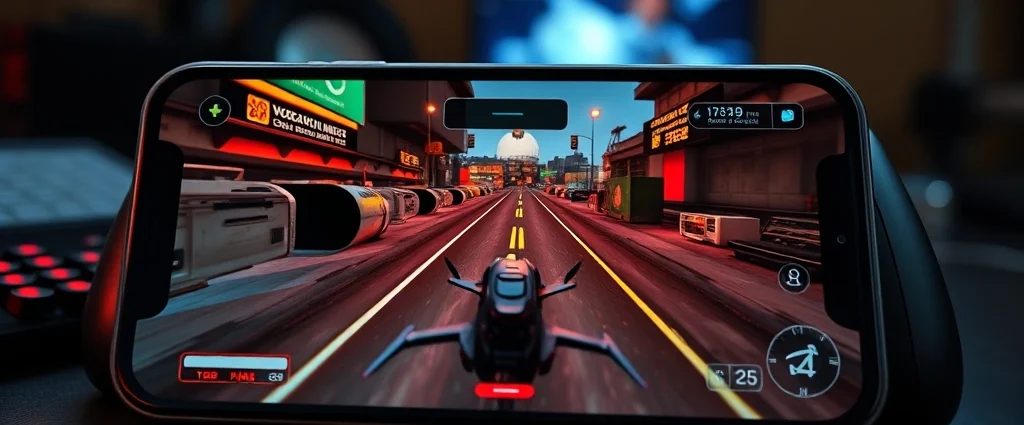
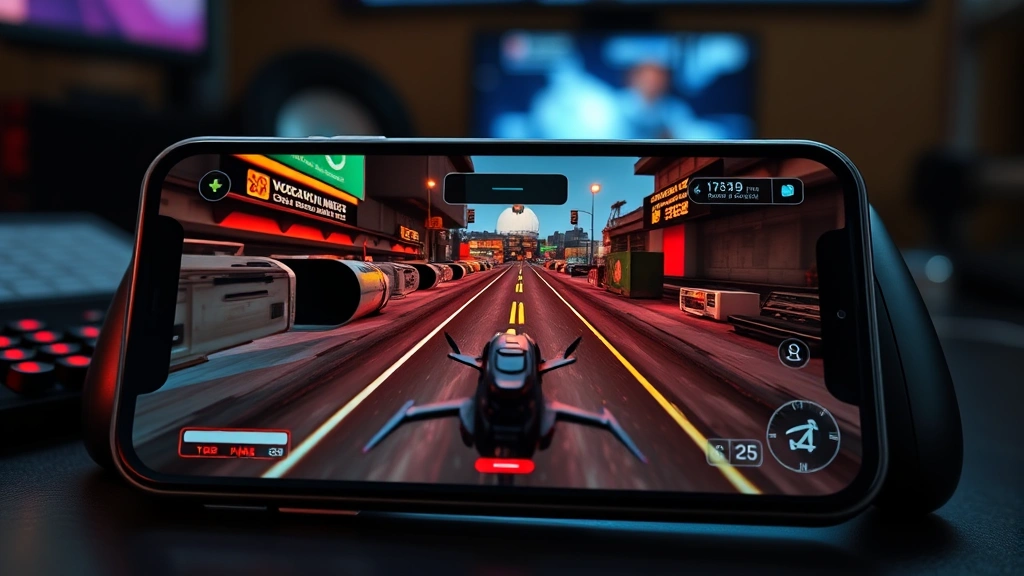
Game Mode is Apple’s intelligent system optimization feature designed specifically to enhance gaming performance on iPhone devices. Think of it as a dedicated gaming environment that temporarily reconfigures your phone’s operating system to prioritize gaming applications above all other tasks. When activated, Game Mode suppresses background processes, manages CPU and GPU resources more efficiently, and maintains optimal thermal conditions to prevent throttling.
The feature operates on a per-app basis, meaning you can designate specific games to activate Game Mode automatically or enable it manually when needed. Unlike traditional performance boosters found on Android devices, Game Mode integrates seamlessly with iOS architecture, working in harmony with the operating system rather than against it. This native integration ensures stability and prevents the crashes or glitches sometimes associated with third-party optimization tools.
Game Mode addresses several critical pain points mobile gamers experience: frame rate drops, input lag, unexpected app suspensions, and thermal throttling. By managing these issues proactively, Apple enables longer, more enjoyable gaming sessions without compromising your device’s longevity. The feature represents Apple’s acknowledgment that mobile gaming has evolved from casual time-wasting into a serious entertainment medium worthy of dedicated system resources.
How Game Mode Works
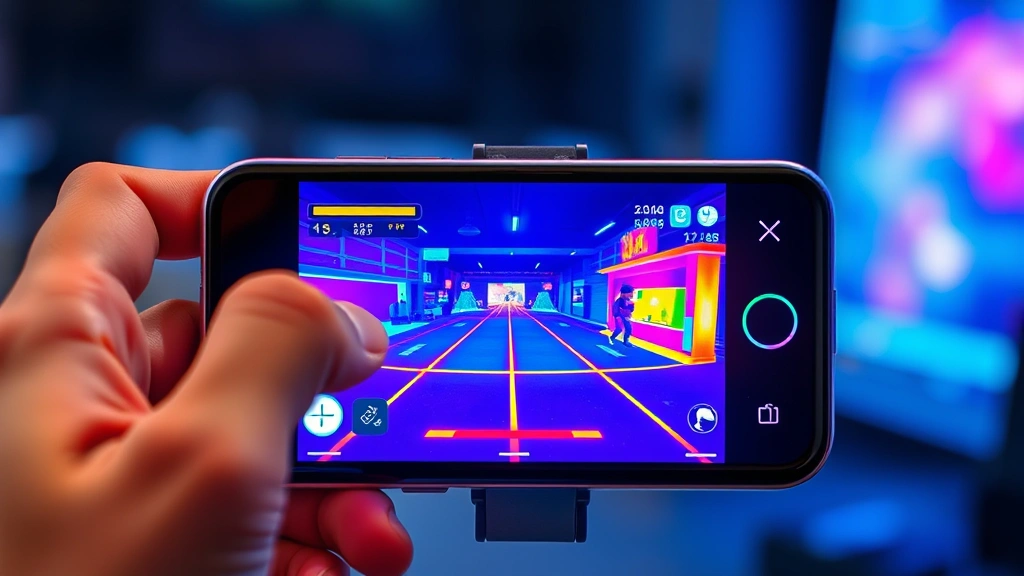
Understanding the mechanics behind Game Mode reveals why it’s so effective at improving gaming performance. When Game Mode activates, iOS implements several simultaneous optimizations that work together to create an ideal gaming environment.
CPU and GPU Management: Game Mode prioritizes the gaming application’s access to the iPhone’s processor cores and graphics processing unit. The system dynamically allocates resources away from background tasks, ensuring the game receives maximum computational power. This is particularly important for demanding titles that push the A-series chips to their limits.
Memory Optimization: Your iPhone’s RAM becomes precious real estate during intensive gaming. Game Mode minimizes background app refresh, suspends non-essential system processes, and prevents apps from consuming memory. This keeps more RAM available for your game, reducing the likelihood of stuttering caused by memory pressure.
Thermal Management: High-performance gaming generates heat, and iPhones employ thermal throttling to protect components when temperatures rise excessively. Game Mode actively manages thermal conditions by optimizing power delivery and cooling strategies, allowing your phone to maintain peak performance longer before thermal limitations kick in. This keeps frame rates consistent throughout extended gaming sessions.
Network Prioritization: For multiplayer games, Game Mode ensures your gaming data receives network priority. Background syncing, cloud updates, and other network activities pause, reducing latency and preventing connection interruptions during critical gameplay moments.
Display Optimization: Game Mode can adjust display settings to reduce power consumption while maintaining visual quality. This balances performance gains with battery efficiency, allowing longer play sessions before your battery depletes.
These optimizations work silently in the background, requiring no user intervention once enabled. The system continuously monitors performance metrics and thermal conditions, dynamically adjusting resource allocation to maintain optimal gaming conditions throughout your play session.
How to Enable and Use Game Mode
Enabling Game Mode on your iPhone is straightforward, though the exact process varies depending on your iOS version and device model. Apple introduced Game Mode in iOS 16, making it available on iPhone 13 and later models. If you own a compatible device, accessing this feature takes just moments.
Automatic Activation: The easiest approach involves letting iOS automatically detect gaming apps and activate Game Mode. Navigate to Settings → Focus → Gaming Focus to set up automatic activation. Select which apps should trigger Game Mode and customize your preferences. Once configured, Game Mode activates automatically whenever you launch designated games.
Manual Activation: If you prefer manual control, access Control Center by swiping down from the upper-right corner of your screen. Look for the Game Mode toggle—you may need to customize your Control Center to add it if it’s not already visible. Tap the toggle to activate Game Mode for your current session.
Focus Settings Configuration: For granular control, use the Focus feature in Settings. Create a Gaming Focus profile that automatically enables when you open specific apps. Within this profile, customize which notifications appear, which apps can send alerts, and other system behaviors during gaming sessions. This approach provides maximum customization for serious gamers.
Once enabled, Game Mode operates invisibly, requiring no further interaction. Your iPhone handles all optimization automatically, freeing you to focus entirely on gameplay. The feature persists until you manually disable it or exit the designated gaming app, depending on your configuration.
If you’re interested in optimizing your entire gaming setup, our gaming PC build guide covers comprehensive optimization strategies that parallel Game Mode’s approach to performance management, though focused on desktop systems.
Performance Benefits Explained
The tangible benefits of Game Mode become immediately apparent once activated. Players consistently report smoother frame rates, reduced input lag, and more stable performance during demanding gaming sessions. These improvements directly translate to better gaming experiences and competitive advantages in multiplayer titles.
Frame Rate Stability: Game Mode’s most noticeable benefit is consistent frame rates. Without optimization, demanding games often experience frame drops as the system juggles gaming with background tasks. With Game Mode active, frame rates stabilize at higher, more consistent levels. Whether you’re playing at 60fps or 120fps, the frame pacing remains smooth, eliminating the jarring stutters that disrupt gameplay flow.
Reduced Input Lag: Responsive controls are critical for gaming enjoyment, particularly in action games where split-second reactions determine success. Game Mode minimizes input lag by ensuring gaming apps receive immediate processor attention. Button presses register faster, touch input responds more snappily, and overall responsiveness improves noticeably.
Extended Play Sessions: By managing thermal conditions effectively, Game Mode enables longer uninterrupted gaming without thermal throttling. Games maintain performance levels that would otherwise degrade as your phone heats up, allowing you to play longer before needing to cool down your device.
Battery Efficiency: Counterintuitively, Game Mode can improve battery efficiency during gaming by optimizing power delivery. Rather than allowing inefficient background processes to drain battery while gaming, Game Mode focuses power consumption on the game itself, sometimes extending gaming sessions by 10-15% compared to gaming without optimization.
Multiplayer Advantages: In competitive multiplayer games, the advantages compound. Stable frame rates, low input lag, and consistent performance create a competitive edge against players without optimization. Professional mobile esports competitors increasingly leverage Game Mode to maintain peak performance during tournaments.
Device Compatibility
Game Mode availability depends on your iPhone model and iOS version. Apple introduced the feature with iOS 16, limiting it to more recent devices with sufficient processing power and thermal management capabilities.
Compatible Devices: Game Mode works on iPhone 13, iPhone 13 mini, iPhone 13 Pro, iPhone 13 Pro Max, iPhone 14, iPhone 14 Plus, iPhone 14 Pro, iPhone 14 Pro Max, iPhone 15, iPhone 15 Plus, iPhone 15 Pro, and iPhone 15 Pro Max. Any device running iOS 16 or later with these models will support Game Mode.
iOS Requirements: Your device must run iOS 16 or newer to access Game Mode functionality. If you’re running iOS 15 or earlier, Game Mode remains unavailable. Check your iOS version in Settings → General → About to verify compatibility.
App Support: While Game Mode works universally with any app, games specifically optimized for Game Mode may provide enhanced benefits. Major publishers increasingly optimize their titles to leverage Game Mode capabilities, though the feature works effectively with non-optimized apps as well.
If you’re considering upgrading your gaming device, explore our best mobile games offline guide to discover titles that work brilliantly on modern iPhones with Game Mode optimization.
Gaming Optimization Tips
While Game Mode handles most optimization automatically, several additional strategies maximize gaming performance on your iPhone:
Close Background Apps: Before gaming, close unnecessary background apps manually. While Game Mode suppresses background activity, completely closing unused apps provides additional memory and processing resources.
Enable Low Power Mode Strategically: For extended gaming sessions prioritizing longevity over peak performance, enable Low Power Mode alongside Game Mode. This combination balances performance with battery conservation, enabling longer play sessions.
Manage Notifications: Configure your Gaming Focus to suppress notifications entirely. Incoming messages, alerts, and calls can disrupt concentration and momentarily consume system resources. Complete notification silence during gaming prevents these interruptions.
Optimize Display Settings: Reduce display brightness slightly to decrease power consumption without noticeably impacting visual quality. Lower refresh rates (if your device supports variable refresh) also conserve battery during less demanding gameplay moments.
Ensure Adequate Cooling: While Game Mode manages thermal conditions, external cooling helps. Avoid gaming in direct sunlight, remove your case if your device becomes hot, and ensure adequate airflow around your iPhone during extended sessions.
Update Games Regularly: Developers frequently optimize their games for Game Mode and iOS updates. Keep your games updated to access the latest performance improvements and bug fixes.
Monitor Storage Space: Insufficient storage can degrade performance. Maintain at least 5-10% free storage space on your device to prevent performance degradation during gaming.
For those interested in broader gaming optimization strategies, our cloud gaming guide explores alternative approaches to gaming performance that complement local device optimization.
Additionally, exploring indie games for PC reveals how optimization principles translate across different gaming platforms, and our coverage of co-op games on Steam demonstrates how multiplayer optimization matters across all gaming mediums.
FAQ
Does Game Mode drain battery faster?
No, Game Mode typically maintains or improves battery efficiency during gaming by optimizing power consumption and eliminating wasteful background processes. While gaming inherently consumes battery regardless of Game Mode, optimization extends gaming duration by efficiently managing resources.
Can I use Game Mode with all games?
Game Mode works universally with any iPhone app, though games specifically optimized for Game Mode may provide enhanced benefits. Even non-optimized games benefit from Game Mode’s performance improvements.
Is Game Mode the same as Low Power Mode?
No, these are distinct features serving different purposes. Low Power Mode reduces performance to extend battery life, while Game Mode prioritizes performance for gaming. You can enable both simultaneously for extended play sessions balancing performance and battery life.
How do I know if Game Mode is working?
Game Mode operates invisibly, but you’ll notice improved performance: smoother frame rates, faster response times, and more stable gameplay. Check Control Center to verify the toggle’s status, or monitor frame rates using in-game performance overlays.
Does Game Mode work with cloud gaming?
Yes, Game Mode optimizes your iPhone’s performance even when streaming games through cloud services. Network prioritization ensures stable connections, while display and input optimizations enhance the cloud gaming experience.
Can Game Mode cause app crashes?
Game Mode is designed to improve stability, not cause crashes. If you experience crashes, disable Game Mode for that specific app and report the issue to the developer. Such crashes are exceptionally rare.
What’s the difference between Game Mode on iPhone and iPad?
Game Mode functions similarly across iOS devices, though iPad’s larger screen and more powerful chips may exhibit even more dramatic performance improvements. The optimization principles remain identical.
Should I enable Game Mode for non-gaming apps?
Game Mode is specifically designed for gaming and provides minimal benefits for standard apps. Enable it only for games and performance-intensive applications to avoid unnecessary resource allocation.