X-Men Origins: Wolverine PS3 Review – Expert Insights
X-Men Origins: Wolverine stands as one of the most underrated action games of the PlayStation 3 generation. Released in 2009 to coincide with the film, this visceral superhero title delivered brutal combat, engaging narrative moments, and some genuinely memorable boss encounters that kept players coming back for more. Whether you’re a die-hard X-Men fan or simply looking for a solid action experience, this game deserves a second look in today’s retro gaming landscape.
The PS3 version specifically became a fan favorite, offering superior graphics compared to its Xbox 360 counterpart and delivering smooth performance throughout its campaign. The developers at Raven Software crafted an experience that captured the raw ferocity of Wolverine while maintaining accessibility for casual players. This comprehensive review breaks down everything you need to know about this cult classic, from gameplay mechanics to story elements that make it worth your time.
Gameplay Mechanics and Combat System
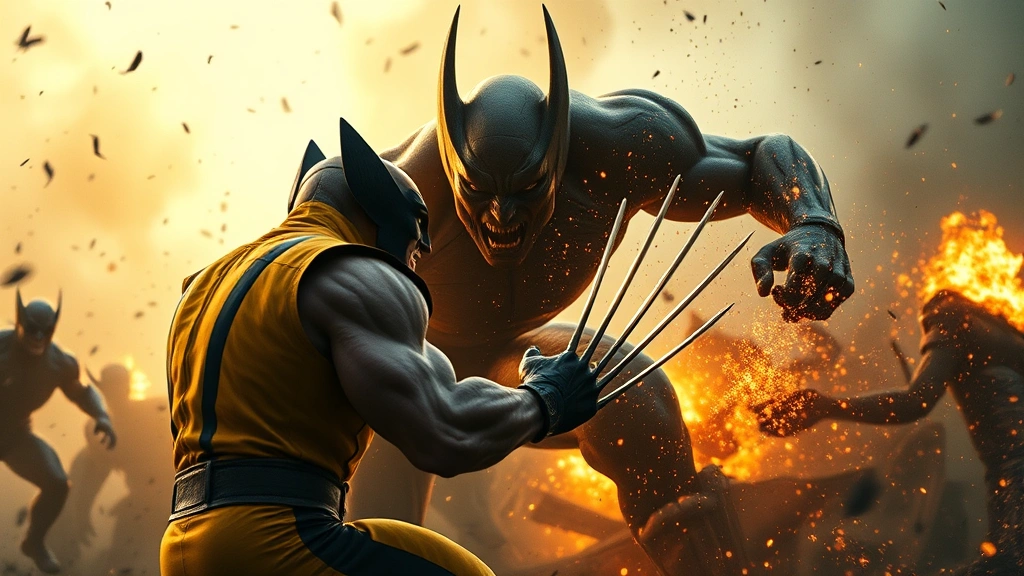
The combat system in X-Men Origins: Wolverine forms the beating heart of the entire experience. Raven Software implemented a fluid, responsive fighting engine that rewards both button-mashing newcomers and skilled players seeking deeper combos. Wolverine’s signature claws feel devastating with every swing, and the environmental kill animations are absolutely brutal—sometimes uncomfortably so, which perfectly captures the character’s feral nature.
The game employs a straightforward but satisfying combo system where players chain light and heavy attacks together. As you progress, you unlock new finishing moves and special abilities through a skill tree that encourages experimentation. The Berserker Rage mechanic stands out particularly well, allowing you to enter a state of heightened aggression where damage output increases significantly while defense temporarily decreases. This risk-reward dynamic creates engaging tactical moments during intense firefights.
Environmental interactions deserve special mention. You can hurl enemies into walls, impale them on nearby objects, and execute context-sensitive takedowns that feel immensely satisfying. This level of interactivity makes each combat encounter feel fresh and dynamic rather than repetitive. The difficulty scaling works remarkably well across all settings, making the game accessible yet challenging for veterans. If you’re interested in exploring other action-packed experiences, check out our Game Forge Daily Blog for recommendations.
Weapon variety complements the unarmed combat nicely. While Wolverine’s claws remain your primary tool, you’ll acquire guns, explosives, and melee weapons throughout the campaign. However, the game encourages relying on your mutant abilities rather than firearms, which maintains the superhero fantasy the developers envisioned. The targeting system works smoothly, and lock-on mechanics feel responsive without feeling overly automated.
Story Campaign and Narrative
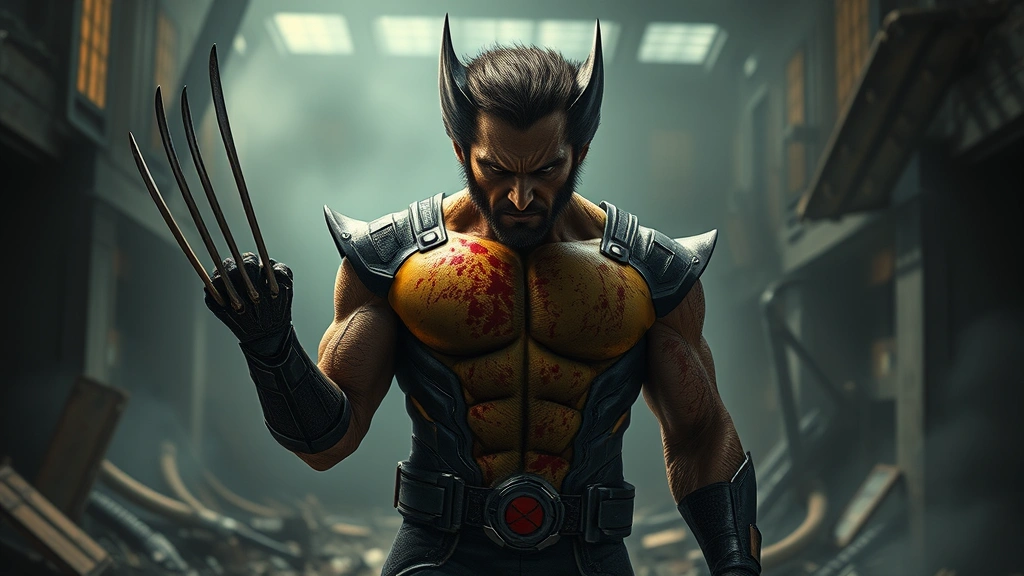
The narrative follows Logan’s journey from the film, exploring his transformation into Wolverine and his complex relationship with Victor Creed. The story takes some creative liberties from the movie, introducing original content that actually enhances the overall experience. The pacing remains brisk throughout the roughly 8-10 hour campaign, preventing any narrative drag while still developing meaningful character moments.
Voice acting deserves considerable praise. The developers secured talent that delivers compelling performances, particularly during cutscenes that bridge major story beats. Logan’s internal monologue provides context and personality, making you feel connected to his struggle. The supporting cast, including appearances by various X-Men characters, adds depth to the world-building and creates exciting cameo moments.
The story structure follows a revenge narrative that resonates with the character’s core motivations. Each mission advances both the plot and your understanding of Logan’s past, creating a cohesive narrative arc. While the writing occasionally ventures into standard action-game territory, the character development elevates it beyond typical superhero game fare. For those seeking narrative-driven experiences, our guide on Best Indie Games for PC showcases how smaller studios approach storytelling.
Cutscenes integrate seamlessly between gameplay sections, maintaining momentum without excessive loading screens. The developers understood pacing fundamentals, ensuring players remain invested in Logan’s journey from beginning to end. The climactic confrontation provides a satisfying conclusion while leaving room for interpretation regarding Wolverine’s future.
Graphics and Technical Performance
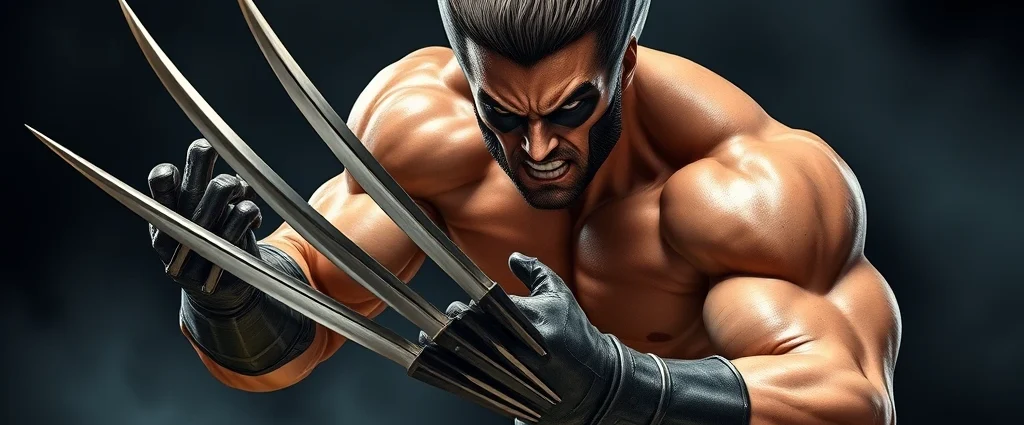
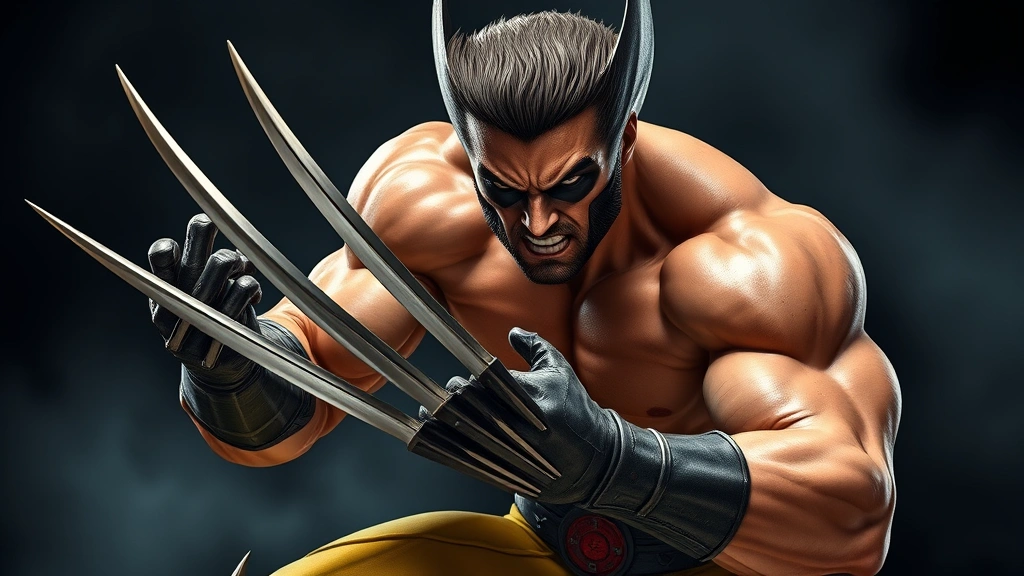
For a 2009 PS3 title, X-Men Origins: Wolverine holds up remarkably well visually. The character models display impressive detail, with Wolverine’s physique conveying raw power and athletic prowess. Environmental destruction looks authentic, and blood effects—while gratuitous—serve the mature tone effectively. The PS3 version specifically benefited from optimized rendering that produced crisper textures compared to other platforms.
The technical performance remains solid throughout the campaign. Frame rates stay consistent even during hectic combat sequences with multiple enemies on screen. Loading times, while present, never become intrusive or frustrating. The draw distance allows for impressive vistas in outdoor environments, particularly during sequences set in exotic locations. Lighting effects enhance the atmosphere significantly, with dynamic shadows creating depth and immersion.
Animation quality stands out as a particular strength. Combat animations flow naturally from one move to the next, creating a sense of weight and impact with every action. Wolverine’s movement feels appropriately feral yet controlled, distinguishing him from generic action protagonists. Enemy animations vary based on their type, ensuring combat encounters feel visually distinct and engaging.
Epic Boss Encounters
Boss fights represent some of the game’s greatest achievements. Each major opponent presents unique challenges requiring different tactical approaches. The developers avoided simple damage-sponge battles, instead creating encounters with distinct patterns and vulnerable windows. These confrontations test your mastery of the combat system while delivering cinematic moments worthy of the silver screen.
The variety in boss design keeps encounters fresh throughout the campaign. You’ll face enhanced mutants, military operatives, and familiar Marvel characters, each requiring adapted strategies. Some bosses reward aggressive play while others demand patience and timing. The difficulty curve escalates appropriately, preparing you for increasingly demanding encounters as you progress. These epic clashes serve as memorable punctuation marks throughout the narrative, and they’re comparable in quality to encounters found in Gaming PC Build Guide discussions regarding performance-demanding titles.
Quick-time events appear occasionally during boss fights, adding interactive cinema elements without overwhelming the experience. These sequences feel integrated rather than forced, enhancing dramatic moments rather than detracting from gameplay. The final boss encounter delivers a satisfying conclusion that honors both the game’s narrative and the character’s legacy.
Multiplayer and Replay Value
The multiplayer component offers additional content extending playtime beyond the single-player campaign. Competitive modes allow you to pit Wolverine against other players or AI opponents in various scenarios. While not revolutionary, the multiplayer provides entertaining distractions with solid mechanics inherited from the main game. Unlockable characters and costumes encourage repeated playthroughs, adding collectible value.
Replay value stems from multiple sources. Higher difficulty settings present genuine challenges for veterans seeking fresh experiences. Collectibles scattered throughout levels reward thorough exploration. Unlockable costumes and alternate character skins provide cosmetic rewards for completionists. The skill tree system encourages experimentation with different ability combinations on subsequent playthroughs, allowing you to experience combat differently.
Challenge modes present additional content focused purely on combat scenarios. These arenas test your fighting prowess against waves of enemies with specific restrictions or modifiers. Success unlocks additional rewards and bragging rights among the community. For those interested in games with strong replay mechanics, our article on Games Like Animal Crossing discusses titles emphasizing long-term engagement.
Strengths and Weaknesses
Strengths: The combat system delivers visceral, satisfying action that makes every encounter engaging. Boss encounters stand among the best in superhero gaming. The story provides meaningful context beyond the film. Graphics hold up impressively for their era. Pacing remains excellent throughout the campaign. Voice acting elevates the narrative. Environmental destruction adds tactical depth. The difficulty scaling accommodates various skill levels.
Weaknesses: Repetitive enemy types can feel monotonous during extended play sessions. Some platforming sections feel disconnected from the core combat experience. The camera occasionally struggles in tight spaces. Multiplayer modes lack the polish of the single-player campaign. Certain quick-time events feel unnecessarily restrictive. Dialogue occasionally ventures into clichéd territory. The game’s linearity prevents exploration-focused gameplay. Performance hiccups appear rarely but noticeably.
Despite these minor issues, the strengths significantly outweigh the weaknesses. The game succeeds at its core mission: delivering an authentic Wolverine experience that captures the character’s ferocity and complexity. For comprehensive gaming insights, visit IGN and GameSpot for additional reviews and gaming coverage.
FAQ
How long is the single-player campaign?
The main campaign typically requires 8-10 hours to complete, depending on difficulty settings and exploration thoroughness. Completionists seeking all collectibles may require additional time.
Is this game canon to the X-Men film series?
The game exists within the film’s universe but expands the narrative with original content not featured in the movie. It serves as a companion experience rather than a direct adaptation.
Can you play multiplayer online?
Yes, the PS3 version supports online multiplayer modes allowing competitive play against other players worldwide. However, online servers may have limited activity due to the game’s age.
What difficulty settings are available?
The game offers multiple difficulty tiers from easy to hard, with unlockable higher difficulties after completion. Each setting meaningfully affects enemy behavior and damage output.
Are there unlockable costumes?
Yes, completing challenges and finding collectibles unlocks alternate costumes and character skins, providing cosmetic rewards for dedicated players.
How does this compare to other superhero games?
X-Men Origins: Wolverine stands favorably compared to many superhero titles, particularly those released during the same generation. It prioritizes engaging combat over narrative complexity, succeeding admirably at its focused design goals. The brutal nature of Wolverine’s character translates better to interactive media than more restrained heroes.
Is it worth playing today?
Absolutely. The game remains an excellent action experience and a standout superhero title. PS3 copies remain affordable, making it accessible for retro gaming enthusiasts. Modern players seeking classic action-adventure experiences will find considerable value here.
For more gaming recommendations and reviews, explore our How to Mod Minecraft: A Beginner’s Guide and visit Rockstar Games for additional industry insights.