


Zathura Board Game: Classic Adventure Review
The Zathura board game stands as one of the most captivating tabletop experiences that bridges the gap between traditional board gaming and immersive storytelling. Based on the beloved 2005 film, this game transforms the magical adventure of two brothers trapped in a house hurtling through space into an engaging, strategic experience that keeps players on the edge of their seats. Whether you’re a seasoned board game enthusiast or someone looking to explore GameForge Daily Blog for gaming inspiration, Zathura offers something truly special that deserves a place in your collection.
What makes Zathura particularly fascinating is its ability to capture the essence of adventure and danger while maintaining accessibility for players of various experience levels. The game combines elements of chance, strategy, and narrative progression to create an experience that feels less like rolling dice and more like being transported into a cosmic adventure. This review explores every aspect of this remarkable game, from its gameplay mechanics to its artistic design and overall replayability.
Game Overview and Setup
Zathura invites players into an extraordinary premise: you and your fellow players are astronauts attempting to navigate a house through the dangers of outer space. The game board itself represents this cosmic journey, with spaces representing different challenges, discoveries, and encounters that players must overcome. The setup is refreshingly straightforward, requiring only about five to ten minutes of preparation before gameplay can commence.
The core objective is simple yet compelling—be the first player to reach the end of the board while surviving the various hazards and obstacles that the universe throws your way. Each player controls a character, and the journey feels personal and engaging from the moment you place your game piece on the starting position. The game supports two to four players, making it perfect for family game nights or intimate gaming sessions with friends.
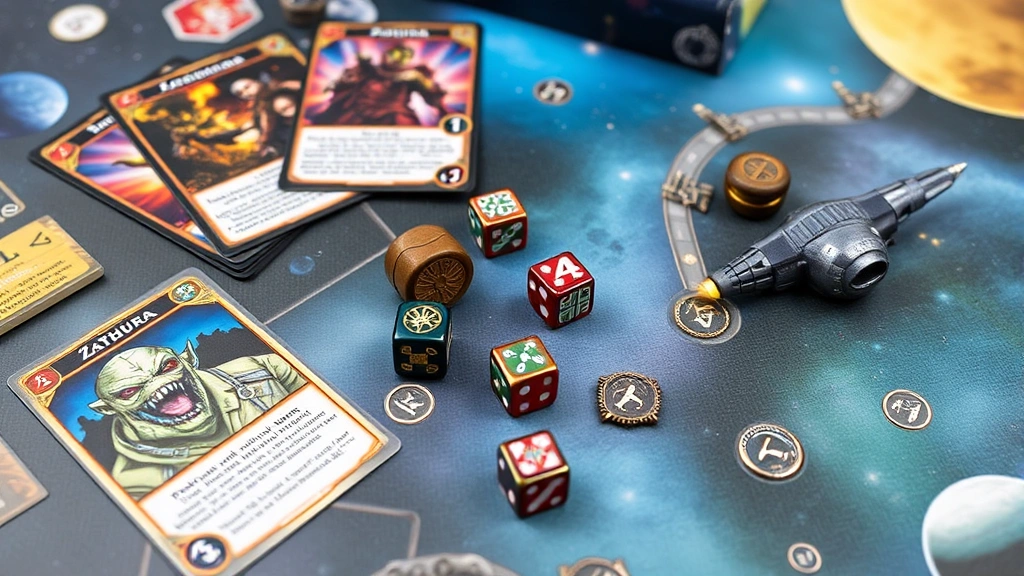
What immediately strikes players upon opening the box is the attention to detail in the presentation. The board features a stunning space-themed aesthetic with vibrant colors and imaginative artwork that captures the wonder and danger of space exploration. The quality of components suggests that the developers understood the assignment—creating something that honors the film while standing on its own as a complete gaming experience.

Gameplay Mechanics Explained
The Zathura board game operates on a turn-based system where players roll dice to determine movement and then navigate the consequences of their placement. However, this isn’t merely a roll-and-move affair. Instead, landing on specific spaces triggers events that can dramatically alter the game’s trajectory. These events are where the game truly shines, as they inject unpredictability and narrative tension into every turn.
When you land on a space, you’ll typically draw a card from one of several decks that represent different aspects of the cosmic adventure. These cards might present dangers like meteor showers or alien encounters, opportunities for advancement, or temporary abilities that give you an edge. The card system ensures that no two games feel identical, as the variety of potential outcomes keeps players engaged and uncertain about what awaits them next.
One particularly clever mechanic involves the concept of “repairs” and “damage.” Your character can accumulate damage from various encounters, and you must decide whether to attempt repairs or push forward despite your weakened state. This decision-making element adds strategic depth to what could otherwise be a purely luck-based experience. Do you take time to recover, risking that opponents catch up? Or do you press onward, hoping your luck holds out?
The game also features special cards and power-ups that can be collected and used strategically. Managing these resources becomes crucial as the game progresses, particularly in the later stages when the finish line is within sight but the dangers intensify. Players must balance aggressive advancement with prudent risk management, creating engaging tactical decisions throughout the experience.
Components and Artistic Design
The physical components of Zathura deserve special recognition. The game board is beautifully illustrated with a space-faring aesthetic that immediately evokes the film’s atmosphere. The player tokens are distinctively designed, making it easy to track each player’s position while adding visual personality to the experience. The cards feature excellent artwork that complements the overall theme, with each illustration contributing to the sense of wonder and danger.
The rulebook is well-organized and clearly written, which is essential for a game with multiple card types and special mechanics. Instructions include helpful examples that clarify potentially confusing situations, ensuring that new players can learn the game without excessive frustration. The inclusion of a quick-start guide allows experienced gamers to jump into the action immediately while newcomers benefit from the comprehensive rulebook.
Card quality is notably high, with durable cardstock that should withstand numerous plays. The dice are satisfying to roll, with a weight and balance that feels premium. These details might seem minor, but they significantly impact the overall experience—cheap components can diminish even an excellent game’s appeal, while quality components enhance every interaction.
Strategy and Player Interaction
While luck plays a significant role in Zathura, strategic thinking separates casual players from those who consistently achieve victory. Understanding probability, managing risk, and deciding when to use special abilities all contribute to successful gameplay. However, the game remains accessible to casual players who simply want to enjoy the adventure without deep strategic analysis.
Player interaction in Zathura is primarily indirect, though this doesn’t diminish its importance. You’re competing against each other and the game itself, creating a dynamic where alliances might form temporarily before dissolving as players pursue victory. The shared experience of navigating cosmic dangers creates a cooperative atmosphere despite the competitive framework.
The catch-up mechanics built into the game prevent any single player from completely dominating. A player who falls behind might find themselves benefiting from cards or encounters that provide bonuses, while leading players might face increasingly difficult challenges. This balance keeps the game competitive and exciting until the final turns.
Replayability and Longevity
One of Zathura’s greatest strengths is its exceptional replayability. The card deck system ensures that each game presents different challenges and opportunities, making repeated plays feel fresh rather than repetitive. You’ll discover new combinations and strategies with each session, and the random nature of card draws means that no two games will ever play out identically.
The cooperative gaming experience that Zathura provides can be enhanced by experimenting with different player counts and difficulty variations. The game plays differently with two players versus four, requiring adjusted strategies and creating distinct pacing. Some gaming communities have created house rules and variants that further extend the game’s longevity.
The narrative progression—moving from the beginning of your space journey to reaching the end—creates a natural arc that feels satisfying across multiple plays. Players often find themselves eager to play again immediately after finishing, a hallmark of truly engaging game design. After dozens of plays, Zathura remains entertaining and challenging.
Comparison with Similar Games
When comparing Zathura to other space-themed or adventure-based board games, it holds its own remarkably well. Games like Forbidden Planet or Space Base offer different experiences, but Zathura’s unique blend of narrative-driven gameplay and strategic decision-making sets it apart. If you’re interested in exploring indie games with similar themes, you’ll appreciate how Zathura translates cinematic adventure into tabletop form.
Unlike purely cooperative games, Zathura maintains competitive elements that create tension and excitement. Unlike purely luck-based race games, it incorporates meaningful decisions that impact outcomes. This hybrid approach creates a sweet spot that appeals to diverse gaming audiences.
The game’s accessibility compared to heavier euro-style games makes it an excellent gateway experience for those new to modern board gaming. Yet it offers enough depth to satisfy experienced players seeking something fresh and engaging. This versatility is rare and valuable in the board game landscape.
Who Should Play Zathura
Zathura board game appeals to a broad demographic. Families with children aged ten and older will find an engaging experience that sparks imagination and creates lasting memories. The theme resonates with younger players while the gameplay satisfies adults. Game night enthusiasts seeking something beyond the standard Monopoly or Risk will appreciate Zathura’s unique approach to adventure gaming.
Fans of the film will find this adaptation captures the spirit of the original while creating its own identity. Those who enjoy narrative-driven experiences will appreciate how the card system creates an unfolding story with each play. If you’re building a gaming collection, Zathura represents an excellent investment in entertainment value.
The game is particularly suited for groups seeking experiences that balance competition with shared adventure. It’s ideal for casual gaming sessions where the goal is entertainment and connection rather than intense strategic competition. Yet it satisfies those seeking meaningful gameplay decisions without overwhelming complexity.
Players who appreciate science fiction themes, space exploration narratives, or adventure stories will find Zathura’s aesthetic and thematic elements deeply satisfying. The game successfully translates the wonder and danger of space travel into a format that’s engaging, accessible, and endlessly replayable.
FAQ
How long does a typical game of Zathura take?
Most games of Zathura last between 45 to 90 minutes, depending on player count and decision-making speed. With experienced players, games tend toward the shorter end of this range, while groups new to the game might require additional time to learn mechanics and make decisions.
What’s the recommended player count?
Zathura plays best with three to four players, though it remains enjoyable with two players. With two players, the game feels more competitive and intimate, while larger groups create more dynamic interactions and unpredictable card draws.
Is Zathura suitable for children?
Yes, children aged ten and older typically enjoy Zathura. The rules are straightforward enough for younger players to understand, though adults might need to help with reading cards initially. The game’s theme of space adventure appeals strongly to children.
Can you play Zathura solo?
While the game is designed for multiple players, creative players have developed solo variants. However, the competitive and interactive elements that make Zathura special are diminished in solo play, so multiplayer is strongly recommended.
How does luck factor into Zathura?
Luck plays a moderate role through dice rolls and card draws, but player decisions significantly impact outcomes. Strategic choices about when to use abilities and how to manage resources balance the randomness, allowing skill to overcome bad luck.
Where can I purchase Zathura board game?
Zathura is available through major board game retailers, online marketplaces, and specialty gaming stores. Prices vary based on availability and condition, with new copies typically ranging from $30 to $50. Checking multiple retailers often yields better deals.
Are there expansions for Zathura?
The base game provides substantial content, though some gaming communities have created fan-made expansions. Official expansions may be available through the publisher, so checking with retailers for current offerings is recommended.