

Top PS4 Games Ever? Critics’ Choice – The Definitive Ranking
The PlayStation 4 delivered some of the most unforgettable gaming experiences of the past decade. From sprawling open worlds to intimate character-driven narratives, the PS4 library represents the pinnacle of what seventh-generation console gaming achieved. Whether you’re a completionist hunting for every platinum trophy or a casual player seeking your next adventure, we’ve compiled the critics’ consensus on the absolute best PS4 games ever made.
This comprehensive guide explores the titles that defined a generation, shaped gaming culture, and continue to captivate players years after their release. We’ll examine what made these games exceptional, how they influenced the industry, and why they deserve a permanent spot in your gaming collection. Ready to discover or rediscover gaming’s finest achievements?
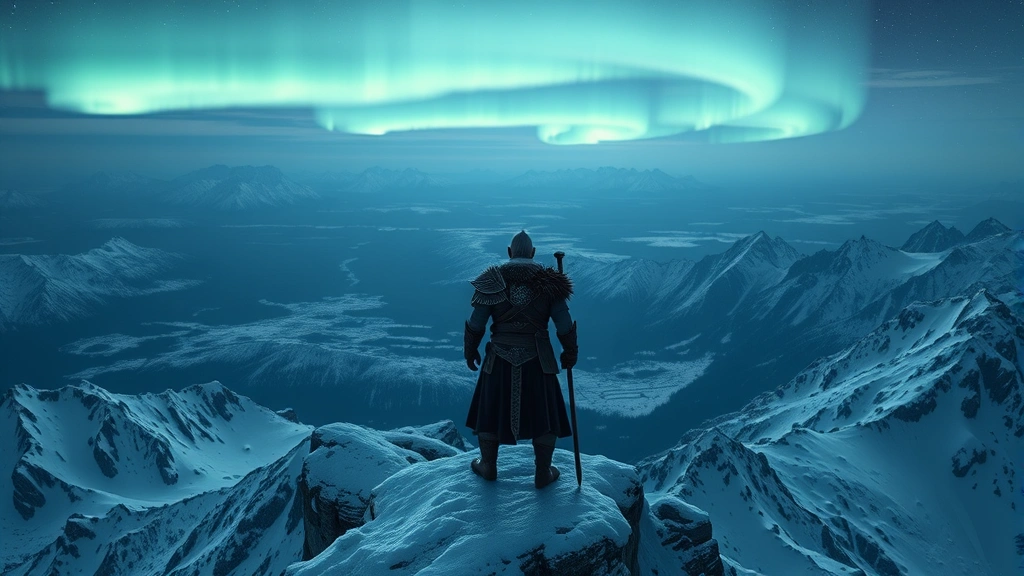
God of War: The Masterpiece That Redefined the Franchise
When Santa Monica Studio announced a complete reimagining of God of War, skeptics questioned whether the franchise could survive such radical transformation. The 2018 release didn’t just survive—it transcended expectations to become one of gaming’s most critically acclaimed titles. This wasn’t merely a sequel; it was a masterclass in narrative-driven action gaming that proved the PS4 could deliver experiences matching any platform.
The shift from Greek mythology to Norse realms, combined with the intimate camera perspective and complex father-son dynamic between Kratos and Atreus, created something genuinely revolutionary. Combat remained visceral and satisfying while becoming more thoughtful and strategic. The Leviathan Axe became as iconic as the Blades of Chaos, introducing puzzle-solving mechanics that integrated seamlessly with combat encounters. Every boss fight felt monumental, every exploration moment rewarded curiosity, and every character interaction deepened the emotional core.
Critics across IGN, GameSpot, and major publications awarded it Game of the Year honors. The game’s success led to God of War Ragnarök, continuing this legacy on PS4 and PS5. If you’re exploring our gaming blog coverage, God of War represents the pinnacle of what determined storytelling achieves in interactive media.
The Witcher 3: Wild Hunt – RPG Excellence Personified
CD Projekt Red’s magnum opus stands as perhaps the finest open-world RPG ever created. The Witcher 3 didn’t just meet expectations—it obliterated them, delivering a 100+ hour experience where side quests possessed more narrative depth than entire games’ main stories. Geralt’s monster-hunting adventures across the Northern Kingdoms became the benchmark against which all subsequent RPGs are measured.
The game’s genius lies in its refusal to separate gameplay from narrative. Every contract hunt tells a story. Every tavern conversation matters. The two major expansions, Hearts of Stone and Blood and Wine, contained narratives rivaling full-priced AAA titles. The relationship dynamics with Yennefer and Triss, the political intrigue, the creature designs—every element achieved excellence.
Performance on PS4 required compromises compared to PC versions, yet the core experience remained phenomenal. The dynamic weather systems, facial animation technology, and world-building sophistication created an immersive realm that felt lived-in and genuine. For those interested in comparing RPG excellence across generations, check out our best original Xbox games guide to see how the genre evolved.
The Last of Us Part II – Narrative Innovation
Naughty Dog’s sequel sparked heated debates about video game storytelling, proving that interactive narratives could tackle complex moral ambiguity and psychological depth. The Last of Us Part II didn’t provide comfortable answers; it challenged players to confront uncomfortable truths about revenge, grief, and the cycles of violence.
Structurally, the narrative jumped between perspectives, forcing players to inhabit characters they initially despised. This bold approach generated controversy, yet it demonstrated gaming’s unique power to create empathy through interactive participation. You couldn’t simply observe Abby’s story—you lived it, fought alongside her, and gradually understood her motivations.
Technically, The Last of Us Part II showcased PS4’s capabilities at their absolute peak. The character animation, environmental detail, and audio design created visceral, immersive sequences that rivaled cinematic experiences. The Seattle setting became a character itself, with environmental storytelling enriching every location. While some questioned narrative pacing, critics universally acknowledged the technical achievement and emotional impact.
Red Dead Redemption 2 – Living Worlds Perfected
Rockstar Games’ Red Dead Redemption 2 represents the most ambitious open-world design ever attempted. This isn’t simply a game world—it’s a breathing ecosystem where NPCs follow daily routines, animals exhibit realistic behavior, and environmental systems respond to player actions with consequence-driven authenticity.
The outlaw life of Arthur Morgan unfolds across a narrative spanning dozens of hours, with every mission designed to feel like a self-contained cinematic experience. Gunplay mechanics achieved new sophistication, environmental interactions became contextual and natural, and the sheer volume of detail in every location inspired genuine awe. Players discovered new environmental details and hidden quests hundreds of hours into the experience.
While the PS4 version required technical optimization compared to the original PC release, Rockstar delivered a comprehensive experience that captured the essence of the Wild West. The multiplayer component, Red Dead Online, continued expanding the universe. For those interested in gaming history, our best GBA games article illustrates how far game design has evolved.
Bloodborne – Souls-Like Mastery
FromSoftware’s PS4 exclusive Bloodborne perfected the souls-like formula, creating a challenging masterpiece that influenced game design industry-wide. The gothic horror setting, aggressive combat mechanics, and relentless boss encounters created an experience simultaneously punishing and profoundly rewarding.
Unlike Dark Souls’ methodical approach, Bloodborne demanded aggressive engagement. Parrying became crucial, dodge-rolling evolved into tactical positioning, and every weapon offered distinct movesets encouraging experimentation. The bosses—Ludwig, Orphan of Kos, Lady Maria—achieved legendary status for their design brilliance and mechanical complexity.
The DLC expansion The Old Hunters expanded the narrative while introducing some of gaming’s most challenging encounters. Bloodborne proved that PS4 exclusives could achieve both critical acclaim and cult status. The game’s influence shaped everything from Sekiro to Elden Ring, establishing FromSoftware as industry innovators.
Horizon Zero Dawn – Action-Adventure Brilliance
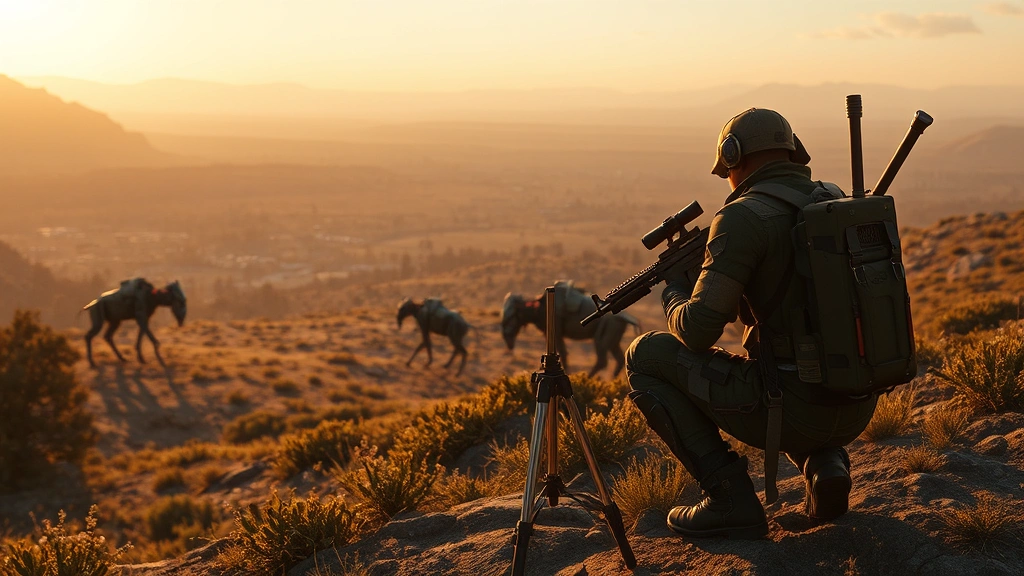
Guerrilla Games’ debut with the Horizon franchise introduced Aloy and a post-apocalyptic world where robotic creatures dominated nature-reclaimed ruins. This action-adventure masterpiece combined compelling narrative with innovative combat mechanics that encouraged tactical thinking and resource management.
The world-building achievement cannot be overstated. The game gradually revealed how civilization collapsed, what these mechanical creatures represented, and why Aloy possessed her unique abilities. Environmental storytelling through data logs and ancient recordings created a rich history players actively uncovered.
Combat against machine herds required understanding creature weaknesses, crafting appropriate ammunition, and positioning strategically. The skill progression system encouraged diverse playstyles, from stealthy approaches to aggressive frontline combat. Aloy’s character development from outcast to world-changing hero felt earned and emotionally resonant.
Spider-Man: A Superhero Game Done Right
Insomniac Games proved superhero games could achieve excellence with their PS4-exclusive Spider-Man adventure. The web-slinging mechanics transformed traversal into pure joy—swinging through New York City became meditative, exhilarating, and endlessly satisfying.
Beyond traversal, the combat system balanced accessibility with depth, the narrative delivered genuine surprises regarding villain identities and character relationships, and the world felt alive with dynamic events and meaningful side content. The DLC story episodes, featuring Black Cat, Silver Lining, and Heist, expanded the universe while exploring character motivations.
The game captured Spider-Man’s essence—the responsibility, the humor, the constant struggle between Peter Parker and the web-slinger. Every major villain encounter felt momentous, and the finale delivered emotional payoff that resonated with longtime fans. This success laid groundwork for Miles Morales and subsequent Spider-Man gaming experiences.
Final Fantasy VII Remake – Reimagining Perfection
Square Enix’s Final Fantasy VII Remake transformed a 1997 classic into a modern masterpiece while respecting the source material. This wasn’t a simple graphical update—it was a complete reimagining that expanded the Midgar section into a 40+ hour experience with new story elements, character development, and combat mechanics.
The real-time combat system blended action elements with strategic depth, encouraging players to switch between Cloud, Barret, Tifa, and Aerith based on situational demands. Boss encounters became elaborate set pieces featuring memorable designs and challenging mechanics. The narrative expansion added mystery elements about time and destiny that intrigued longtime fans.
Technically, Final Fantasy VII Remake showcased PS4’s capabilities magnificently. The character models, environmental detail, and cinematic presentation elevated expectations for what remakes could achieve. While some criticized the pacing and narrative changes, critics universally acknowledged the technical achievement and emotional impact.
Persona 5 – Style Meets Substance
Atlus’ Persona 5 proved that JRPGs could achieve mainstream success through distinctive style, compelling narratives, and engaging gameplay mechanics. This high school life simulation combined with dungeon-crawling combat created an addictive experience that consumed hundreds of hours for completionists.
The aesthetic brilliance cannot be understated—menus became art installations, battles featured dynamic camera angles and stylish animations, and the UI design influenced industry-wide trends. Beyond style, the narrative tackled genuine social issues including abuse, corruption, and societal hypocrisy through the lens of teenage rebellion.
The social link system deepened character relationships, making confidants feel like genuine friends rather than quest-givers. The jazz-influenced soundtrack became iconic, with tracks like “Life Will Change” and “Beneath the Mask” achieving cultural penetration beyond gaming circles. Persona 5 Royal expanded the experience with additional content, making it the definitive version.
Uncharted 4: A Thief’s End – Adventure’s Swan Song
Naughty Dog’s Uncharted 4 delivered a fitting conclusion to Nathan Drake’s adventures, combining the franchise’s signature action-adventure excellence with unprecedented emotional maturity. The retired treasure hunter drawn back into one final job provided the perfect narrative framework for exploring consequences and character evolution.
The Madagascar sequences, Scottish highlands, and Libertalia exploration created memorable locations filled with environmental storytelling and hidden lore. Combat evolved to include more environmental interactions and creative approaches, while platforming sections maintained the series’ signature flow and pacing.
The multiplayer component expanded the Uncharted universe with creative modes and cosmetics, while the single-player campaign achieved narrative closure that satisfied longtime fans. Uncharted 4 proved that action-adventure games could deliver blockbuster experiences rivaling cinematic productions while maintaining interactive integrity.
FAQ
What makes these PS4 games the best of all time?
These titles achieved critical acclaim through exceptional storytelling, innovative gameplay mechanics, technical achievement, and lasting cultural impact. They redefined genre expectations and influenced game design industry-wide.
Are there other notable PS4 games not listed?
Absolutely. Titles like Astro’s Playroom, Death Stranding, Ghost of Tsushima, Demon’s Souls Remake, and Kena: Bridge of Spirits deserve recognition. Our list focuses on games achieving the highest critical consensus.
Will these games run well on PS5?
Yes, PS5 offers backward compatibility for most PS4 titles with performance enhancements. Many games received PS5 patches improving frame rates and loading times.
How do I start with these games if I’m new?
Consider your preferences: want story-driven experiences? Start with God of War or The Last of Us Part II. Prefer RPGs? Try The Witcher 3 or Persona 5. Like challenging combat? Bloodborne offers exceptional difficulty.
Are physical or digital versions better?
Both work identically. Physical versions offer resale opportunities and don’t require storage space, while digital versions provide convenient instant access. Choose based on your preference.
How do these compare to games on other platforms?
These PS4 exclusives and third-party titles represent gaming’s highest achievements. For historical context, check our best Game Boy Color games guide to see how gaming evolved, or explore our best Game Boy games article for retro perspective.
The PlayStation 4’s library represents one of gaming’s golden ages. These titles demonstrated that interactive entertainment could achieve artistic excellence, narrative sophistication, and technical brilliance simultaneously. Whether you’re revisiting these classics or discovering them for the first time, they offer experiences that define what gaming achieved this generation. For more gaming insights and recommendations, explore GameForge Daily Blog for comprehensive coverage of gaming’s finest achievements. Check out GameSpot for additional critical perspectives on these masterpieces.