

How Long Is a Hockey Game? Expert Breakdown of Duration, Stoppages & Overtime
Whether you’re a die-hard hockey fan or someone curious about the sport, understanding how long a hockey game actually takes is essential. Many newcomers are surprised to learn that a professional hockey game isn’t just about the three 20-minute periods you see on the clock. The actual time commitment involves numerous stoppages, intermissions, and potential overtime scenarios that can significantly extend your viewing experience. If you’re considering diving into hockey content creation or want to understand sports entertainment better, knowing these details matters for streaming, content planning, and audience engagement.
Hockey has captivated millions worldwide with its fast-paced action and intense competition. From the latest gaming trends to traditional sports broadcasting, understanding game mechanics and duration helps creators develop better content strategies. This comprehensive guide breaks down everything you need to know about hockey game length, from regulation play to playoff scenarios.
Regulation Game Duration
A standard hockey game consists of three periods, each lasting exactly 20 minutes of actual playing time. This means the total regulation play is 60 minutes. However, this doesn’t account for the clock stopping during stoppages like penalties, injuries, and goal celebrations. The distinction between playing time and elapsed time is crucial—these are two completely different measurements.
In the National Hockey League (NHL), the official game clock stops whenever the puck leaves play. This includes faceoffs after goals, penalties, icing calls, and player injuries. During these moments, no time elapses on the official game clock, even though real time continues to pass. A single period can take anywhere from 25 to 40 minutes of actual elapsed time depending on how many stoppages occur.
College hockey and amateur leagues follow the same 20-minute period structure, though some variations exist in lower-level competitions. The consistency of the 60-minute regulation format makes hockey unique compared to sports like basketball (48 minutes) or football (60 minutes of play across quarters). Understanding this fundamental structure helps you plan your viewing schedule and manage your time effectively.
Intermissions and Stoppages
Between each period, there’s a 15-minute intermission in the NHL and most professional leagues. During this time, teams retreat to their locker rooms, players recover, and broadcasters fill airtime with analysis and commentary. For viewers, this represents a natural break to grab refreshments or catch up on other activities. Some casual fans use this time to check gaming content or explore co-op gaming options on their devices.
Beyond the formal intermissions, in-game stoppages significantly impact total game duration. These include:
- Penalties: Ranging from 2 to 5 minutes, these add substantial time to games with aggressive play
- Icing calls: Result in faceoffs that stop the clock momentarily
- Offsides reviews: Modern challenges can take 2-5 minutes to resolve
- Injuries: Medical timeouts halt play indefinitely until players can be assisted
- Goal celebrations: Brief moments where officials reset the puck for faceoff
During peak season games, expect 30-40 stoppages per contest. Each stoppage might last anywhere from 30 seconds to several minutes. When you accumulate these interruptions across three periods plus two intermissions, the total time investment becomes substantial.
Professional broadcasters account for this when scheduling games. A game listed as starting at 7:00 PM will typically conclude around 9:15-9:45 PM, depending on the intensity of play and number of penalties assessed. If you’re planning to stream or record hockey content, understanding this timing is essential for your gameplay recording setup.
Overtime Formats
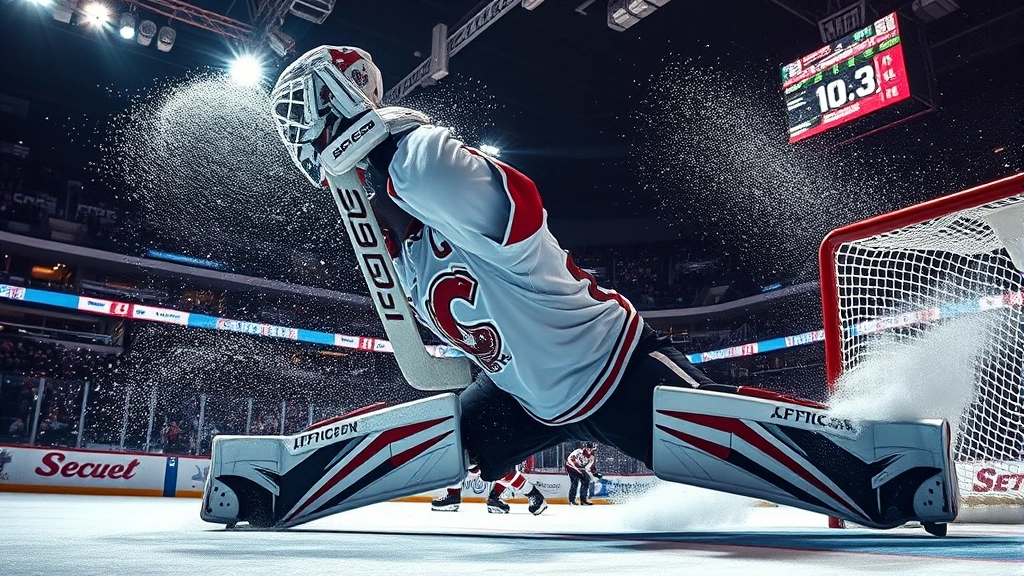
When regulation time ends in a tie, hockey moves to overtime, where the format varies dramatically depending on the league and context. In the NHL regular season, teams play a 5-minute sudden-death overtime period with four skaters per side (3-on-3). If no goal is scored during this sudden-death period, the game proceeds to a shootout, where teams alternate taking penalty shots. The shootout typically adds 10-15 minutes to game duration.
Playoff overtime is completely different and significantly extends game duration. In NHL playoffs, teams play full 20-minute periods with five skaters per side (5-on-5) until someone scores. There’s no time limit—the game continues indefinitely until a goal is scored. Historic playoff games have extended multiple overtime periods, with the longest Stanley Cup playoff game lasting 6 hours and 25 minutes of total elapsed time.
College hockey uses similar overtime rules but with variations by conference. Some colleges use sudden-death overtime with all skaters on ice, while others have modified formats. International hockey competitions follow different protocols, with some using traditional sudden-death and others employing modified formats to ensure conclusive results.
When planning your viewing schedule, overtime games can be unpredictable. A 5-minute regular season overtime might feel quick, but a playoff overtime series could keep you glued to your screen for hours. This unpredictability makes hockey exciting but challenging for content creators who need to manage streaming schedules.
Playoff Games Extended Time
Stanley Cup Playoff games represent the pinnacle of hockey intensity and, consequently, extended game durations. Because playoff overtime continues indefinitely until a goal is scored, playoff games average 2 hours and 40 minutes to 3 hours and 30 minutes of total elapsed time, sometimes significantly longer.
Several factors contribute to extended playoff game times:
- More aggressive physical play increases penalties and stoppages
- Teams play with heightened intensity, resulting in more turnovers and clock stoppages
- Playoff overtime with full roster skaters creates more scoring chances but also more defensive plays
- Coaches use more timeouts strategically during critical moments
- Video review challenges occur more frequently due to high stakes
The 2022 Stanley Cup Finals Game 3 between the Colorado Avalanche and Tampa Bay Lightning extended to double overtime, resulting in nearly 3 hours and 45 minutes of total elapsed time. Such marathon sessions create incredible drama but require serious time commitment from viewers. If you’re interested in sports entertainment and want to explore other competitive experiences, check out our guide on best indie games for PC that offer intense competitive gameplay.
For content creators covering playoffs, understanding these extended durations helps with scheduling streaming sessions, planning commercial breaks, and managing viewer engagement across lengthy broadcasts.
Real-World Time Investment
When you sit down to watch a hockey game, here’s what your actual time commitment looks like:
- Regulation game: 2 hours 15 minutes to 2 hours 45 minutes
- Regulation plus shootout: 2 hours 30 minutes to 3 hours
- Single overtime playoff game: 2 hours 45 minutes to 3 hours 30 minutes
- Double overtime playoff game: 3 hours 30 minutes to 4 hours 30 minutes
- Triple overtime or more: 4+ hours (rare but possible)
This doesn’t include pre-game coverage, which typically starts 30 minutes before puck drop. Many fans watch analysts discuss matchups, injuries, and predictions during this period. If you’re planning a full hockey experience with pre-game analysis, add another 30-45 minutes to your schedule.
For international competitions like the Olympics or World Championships, games follow similar structures but might have slightly different timing due to varied rink sizes and league-specific rules. The International Ice Hockey Federation (IIHF) maintains standardized regulations, but local variations still exist.
Understanding this time investment helps you plan your day effectively. Whether you’re a dedicated fan or casual viewer, knowing that a typical game requires 2.5-3 hours of commitment allows you to schedule accordingly. For those interested in competitive entertainment across multiple platforms, exploring cloud gaming options might provide additional entertainment flexibility.
Broadcasting and Viewing Considerations
Television broadcasts of hockey games extend beyond just the game itself. Networks typically allocate 3-3.5 hours for a standard regular season game broadcast, accounting for commercials, pre-game coverage, and post-game analysis. This means a game starting at 7:00 PM might not conclude until 10:30-11:00 PM when including all broadcast elements.
Streaming platforms like ESPN+, NHL.com, and regional sports networks sometimes offer condensed game replays that compress the action into 20-30 minutes, eliminating stoppages and commercial breaks. This provides an alternative for viewers unable to commit to full-length game viewing.
The average hockey game includes approximately 40-50 television timeouts (stoppages for commercials) lasting about 2 minutes each. Combined with natural game stoppages, these commercial breaks can add 45 minutes to 1 hour to total broadcast time. This is why actual game time (60 minutes) differs so dramatically from total broadcast duration (180+ minutes).
For content creators, understanding broadcast timing is crucial. If you’re producing hockey analysis, highlight reels, or commentary content, knowing the typical game duration helps you schedule uploads and coordinate with live streaming platforms. Many creators use games as opportunities to engage audiences across various gaming and sports platforms.
International broadcasts sometimes compress games differently based on regional preferences. European networks might show games with different commercial structures, affecting total duration for those audiences. Streaming services increasingly offer multiple viewing options, including full broadcasts, condensed versions, and highlight packages.
FAQ
How long is an average NHL game?
An average NHL regular season game lasts approximately 2 hours and 30 minutes to 2 hours and 45 minutes of total elapsed time. This includes three 20-minute periods plus two 15-minute intermissions, with additional time for stoppages, penalties, and potential overtime or shootout situations.
Do all hockey leagues have the same game duration?
Most professional hockey leagues use the same basic structure—three 20-minute periods—but specific rules vary. The NHL, AHL, college hockey, and international leagues all follow this format. However, playoff formats, overtime rules, and stoppage protocols can differ, affecting total game duration.
What’s the longest hockey game ever played?
The longest Stanley Cup Playoff game occurred on March 24, 1936, between the Detroit Red Wings and Montreal Maroons, lasting 6 hours and 25 minutes of elapsed time with 6 overtime periods. More recently, the 2020 Stanley Cup Playoffs featured several double-overtime games exceeding 3.5 hours.
How much of a hockey game is actual playing time?
Of the total 2.5-3 hour broadcast, only about 60 minutes is actual regulation playing time. The remaining time consists of intermissions, stoppages, penalties, commercials, and other delays. This means only 33-40% of broadcast time involves active play.
Why do hockey games take so long with only 60 minutes of play?
Hockey games feature numerous stoppages including penalties, icing calls, goal celebrations, injuries, video reviews, and commercial breaks. Additionally, 15-minute intermissions between periods significantly extend total duration. These elements combine to create a total broadcast experience of 2.5-3+ hours for 60 minutes of regulation play.
Can a hockey game end in a tie?
In the NHL regular season, games cannot end in a tie. If regulation ends scoreless, teams play 5-minute sudden-death overtime followed by a shootout if necessary. However, some international competitions and certain amateur leagues allow ties, though this is increasingly rare in professional hockey.
How long is overtime in hockey?
Regular season NHL overtime is 5 minutes of sudden-death play. If no goal is scored, a shootout follows, adding another 10-15 minutes. Playoff overtime has no time limit—teams play full 20-minute periods until someone scores, potentially extending games by hours.