How Long Are Hockey Games? Expert Explains Complete Duration Guide
Hockey is one of the most electrifying sports to watch, whether you’re catching a professional NHL match or cheering on your local team. But if you’re new to the sport or planning to attend your first live game, you might be wondering: how long are hockey games actually? The answer isn’t as straightforward as it might seem, and understanding the various factors that influence game length can help you plan your viewing experience perfectly.
Whether you’re a casual viewer, a die-hard fan, or someone considering getting into hockey through cooperative gaming experiences that simulate sports, knowing the exact duration of a hockey game is essential. From regulation play to overtime scenarios, playoff intensity, and various stoppages, hockey game lengths vary significantly. This comprehensive guide breaks down everything you need to know about hockey game duration, so you can plan accordingly whether you’re attending in person or settling in for a home viewing.
Regulation Play Duration
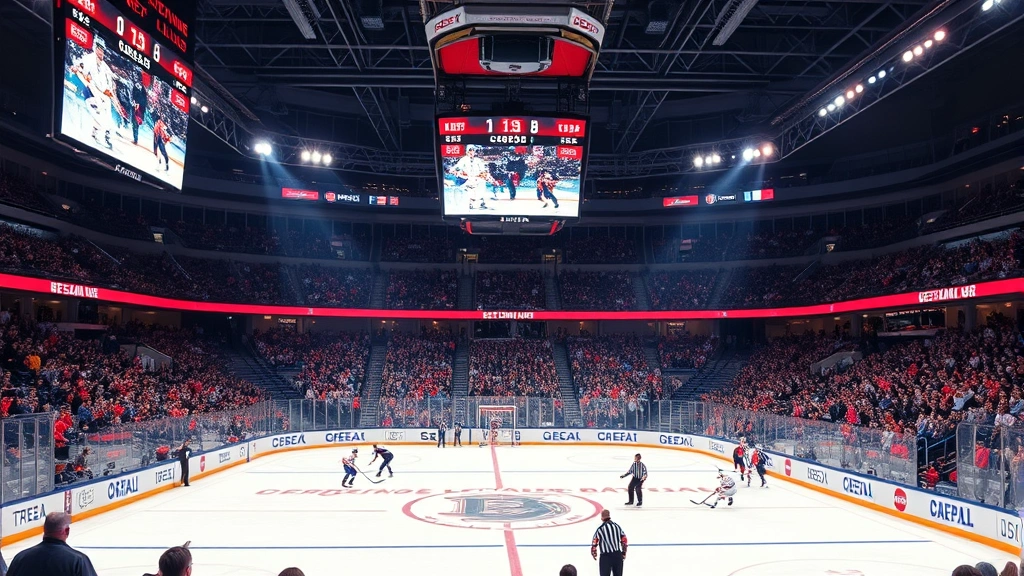
The foundation of understanding hockey game length starts with regulation play. A standard hockey game consists of three periods of twenty minutes each, totaling sixty minutes of actual playing time. However, it’s crucial to understand that this is clock time, not elapsed time. When the puck is in play, the clock runs continuously, but when play stops for any reason—fouls, goals, injuries, or timeouts—the clock stops as well.
This means that sixty minutes of regulation play typically translates to approximately two to two and a half hours of total game time when you factor in all the stoppages. The NHL, which is the premier professional hockey league, strictly adheres to this three-period format, and it’s the standard used across most competitive hockey leagues worldwide. Each period serves a specific purpose in the game’s structure, with breaks between periods allowing teams to strategize, recover, and make adjustments.
The first period sets the tone, the second period often features the most intense competition as teams battle for momentum, and the third period delivers the climax where teams either protect leads or mount comebacks. Understanding this structure helps fans appreciate the strategic elements of the game, similar to how players in competitive MMOs develop strategies across different game phases.
Intermissions and Stoppages
Beyond the actual playing time, intermissions represent a significant portion of a hockey game’s total duration. Between the first and second periods, and between the second and third periods, there are official intermissions lasting fifteen to twenty minutes. During professional NHL games, these intermissions typically run closer to twenty minutes, allowing adequate time for ice resurfacing, team strategy sessions, and broadcast commercials.
The ice resurfacing is a critical component of hockey games that many casual viewers don’t fully appreciate. The Zamboni machine carefully cleans and resurfaces the ice between periods, which typically takes about seven to ten minutes. This maintenance is essential for maintaining optimal playing conditions and ensuring player safety. The remaining time during intermissions is used for player rest, coaching discussions, equipment adjustments, and in professional settings, commercial breaks that are essential for broadcasting revenue.
Beyond intermissions, various in-game stoppages also add to the total duration. These include timeouts (each team gets one per period in the NHL), referee reviews and challenges for disputed plays, injuries requiring medical attention, and penalties that must be explained or reviewed. Penalties are particularly significant stoppages—when a player is sent to the penalty box, play stops, and that player sits out for a designated time (typically two to five minutes depending on the infraction). Major penalties, fighting majors, and misconduct penalties can extend stoppages considerably.
Overtime and Shootout Rules
When a hockey game is tied after regulation play, the action doesn’t simply end. The game moves into overtime, which fundamentally changes the duration calculation. In regular season NHL games, overtime consists of a five-minute sudden-death period played with four skaters per side instead of five. If no goal is scored during this five-minute overtime period, the game proceeds to a shootout, where players from each team take turns attempting to score against the opposing goaltender from the penalty mark.
A shootout typically involves three rounds of shots, with each team getting one shot per round. If the score remains tied after three rounds, the shootout continues in sudden-death format where each team takes alternating shots until one team scores and the other doesn’t. A shootout can take anywhere from five to fifteen minutes depending on how many rounds are necessary. This means that a game that goes to overtime and shootout can easily extend to two hours and forty-five minutes to three hours total.
Playoff games operate under different overtime rules. Instead of the five-minute sudden-death period followed by a shootout, playoff games have full twenty-minute sudden-death overtime periods that continue until a goal is scored. This means playoff games can theoretically go indefinitely, and the longest playoff games in NHL history have extended to multiple overtime periods, with the longest going to six overtime periods. The famous 1933 Stanley Cup Finals game between the Boston Bruins and Toronto Maple Leafs lasted until the sixth overtime period, making it one of the longest games in professional sports history.
Factors Affecting Game Length
Several variables influence how long a hockey game ultimately lasts. Penalty frequency is one of the most significant factors—games with numerous penalties will have more stoppages and take considerably longer. A game with minimal penalties might finish closer to two hours, while a heavily penalized game could stretch beyond two and a half hours or more.
The number of goals scored also affects duration. Each goal requires a stoppage for celebration, potential video review, and resetting the ice for the face-off. Games with many goals will naturally take longer than low-scoring affairs. Additionally, coach’s challenges—where coaches can challenge certain calls like offsides or goaltender interference—can add five to ten minutes to game time as officials review the play.
Injuries and medical stoppages are unpredictable factors that can extend game duration. When a player suffers a serious injury, play stops for medical personnel to attend to them, and the injured player may need to be helped off the ice. Referee timeouts, which are called to address equipment issues, make announcements, or handle other administrative matters, also contribute to total game time.
The style of playbest indie games for PC can provide insights into how different game systems manage time and pacing.
Live Games vs. Broadcast Times
There’s an important distinction between attending a live hockey game in person and watching a broadcast on television. Live games typically last two to two and a half hours for regulation play plus overtime if necessary. However, televised broadcasts often run longer—typically two and a half to three hours or more—because they include additional commercial breaks, pre-game shows, post-game analysis, and extended commentary that aren’t present at the live venue.
If you’re planning to attend a live game, arriving thirty minutes to an hour early is recommended to account for parking, entry procedures, and settling into your seat. The game itself will likely conclude within the two to two and a half hour window, but the entire experience from arrival to departure could easily consume four to five hours. For televised broadcasts, scheduling typically allocates three hours for regular season games and three and a half to four hours for playoff games to accommodate all the broadcast elements.
The setup and technical requirements for broadcasting hockey games are substantial, which partially explains the extended broadcast duration. Networks must manage multiple camera angles, instant replays, graphics, and commentary teams, all of which require coordination time.
Playoff Games and Extended Duration
Playoff hockey represents an entirely different beast when it comes to game duration. Because playoff games don’t have the shootout option and instead feature full twenty-minute sudden-death overtime periods, they can extend significantly longer than regular season games. A playoff game that goes to even one overtime period will last approximately two hours and forty-five minutes to three hours.
Games that extend to multiple overtime periods become legendary. The 2003 Stanley Cup Finals featured an iconic triple-overtime game where the Anaheim Ducks defeated the New Jersey Devils in the longest game in Stanley Cup Finals history. These marathon games test players’ physical endurance and mental fortitude, making them some of the most dramatic moments in sports.
Television networks recognize the unpredictability of playoff game duration and typically schedule three and a half to four hours for playoff broadcasts to accommodate potential overtime scenarios. This extended scheduling is why playoff games often push back subsequent programming, and networks sometimes need to adjust their entire evening schedule when a game extends deep into overtime.
International Hockey Game Lengths
While the NHL uses the standard three-period, twenty-minute format, international hockey competitions follow the same basic structure but with some variations. The Olympics, World Championships, and other international tournaments use the same three twenty-minute periods for regulation play. However, international overtime rules differ slightly from the NHL.
In Olympic and World Championship play, overtime typically consists of ten-minute sudden-death periods that continue until a goal is scored, without the shootout option that the regular season NHL employs. This makes international tournament games potentially longer than regular season NHL games if they go to overtime. Some international competitions do use shootouts after overtime, but the exact format varies by tournament.
Youth and amateur hockey leagues often use different time formats. Peewee and youth hockey games typically feature three fifteen-minute periods instead of twenty minutes, resulting in games that last approximately ninety minutes of playing time plus intermissions. College hockey in the United States also uses the three twenty-minute period format matching professional standards, as covered on Game Forge Daily Blog and other sports analysis platforms.
The International Ice Hockey Federation (IIHF) maintains strict standards for game duration across all international competitions to ensure fairness and consistency. These standards help maintain the integrity of international competitions and ensure that all teams face the same time-based conditions regardless of the venue or tournament.
FAQ
What is the exact duration of a standard NHL hockey game?
A standard NHL hockey game consists of three twenty-minute periods of actual playing time, totaling sixty minutes. However, the total elapsed time is typically two to two and a half hours when accounting for all stoppages, intermissions, and timeouts. This doesn’t include potential overtime, which adds an additional five to fifteen minutes depending on whether a shootout is necessary.
How long do intermissions last in professional hockey?
Official intermissions in the NHL last fifteen to twenty minutes between periods. The time is used for ice resurfacing (seven to ten minutes), player rest and strategy sessions, equipment adjustments, and in broadcast situations, commercial breaks. The exact duration can vary slightly depending on the arena and broadcast requirements.
Can a hockey game go into multiple overtime periods?
In regular season NHL games, no—if the game is tied after regulation, there’s a five-minute sudden-death overtime period, and if still tied, a shootout determines the winner. However, in playoff games, there’s no shootout, so games can theoretically continue indefinitely with full twenty-minute overtime periods until a goal is scored. The longest playoff game in NHL history went to six overtime periods.
Why do televised hockey games take longer than live games?
Televised broadcasts include additional commercial breaks, pre-game shows, halftime analysis, and post-game coverage that aren’t part of the live game experience. Networks typically schedule two and a half to three hours for regular season broadcasts and three and a half to four hours for playoff broadcasts to accommodate all these elements.
How long should I plan for if I’m attending a live hockey game?
Plan for approximately two and a half hours for the game itself, plus additional time for parking, entry procedures, and concessions. The entire experience from arrival to departure typically takes four to five hours. Arriving thirty minutes to an hour early ensures you have time to settle in before the game starts.
Are there different game durations for youth and college hockey?
Yes, youth hockey typically features three fifteen-minute periods instead of twenty minutes, resulting in shorter games around ninety minutes of playing time. College hockey in the United States uses the standard three twenty-minute periods matching professional NHL standards, resulting in similar two to two and a half hour game durations.
What happens if a playoff game goes to multiple overtimes?
Playoff games continue with full twenty-minute sudden-death overtime periods until a goal is scored. Each additional overtime period adds approximately twenty-five to thirty minutes to the total game time. The longest playoff games have extended to six overtime periods, creating marathon events that test player endurance and create legendary moments in hockey history.