
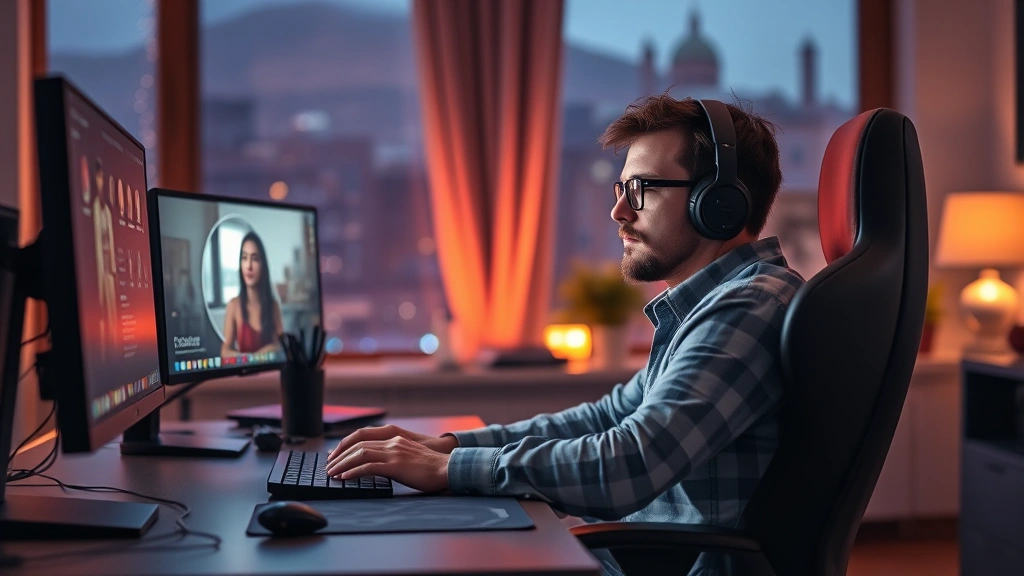
Gamer After Work: Relaxation Tips from Experts
After a long, exhausting day at the office, there’s nothing quite like unwinding with your favorite video game. For millions of professionals worldwide, gaming has become the ultimate stress-relief mechanism—a digital sanctuary where worries fade away and immersion takes over. Whether you’re a casual player or a dedicated enthusiast, the post-work gaming session offers psychological benefits that extend far beyond mere entertainment. Studies consistently show that gaming can reduce cortisol levels, improve mood, and provide cognitive breaks that actually enhance productivity for the next day.
The transition from work mode to relaxation mode is crucial for mental health and overall well-being. Gaming experts, psychologists, and industry professionals have identified specific strategies that transform your after-work gaming time into a truly restorative experience. This comprehensive guide explores evidence-based relaxation techniques, game selection strategies, and environmental optimization tips that will help you maximize your post-work decompression sessions. Whether you’re looking to explore best indie games for PC or dive into best single player games 2025, understanding the science behind gaming relaxation will elevate your experience.
Why Gaming Is the Perfect Post-Work Activity
The human brain requires deliberate downtime to process information accumulated throughout the workday. Gaming provides what neuroscientists call “active rest”—a state where your mind engages in something enjoyable while simultaneously disengaging from work-related stressors. According to research published by the American Psychological Association, gaming sessions lasting 20-60 minutes can significantly reduce anxiety and promote emotional regulation.
Unlike passive activities such as watching television, gaming demands cognitive engagement that redirects mental resources away from work concerns. This mental shift is essential for preventing burnout and maintaining long-term career performance. The interactive nature of gaming—requiring decision-making, problem-solving, and strategic thinking—activates different neural pathways than those used during typical office work. For professionals dealing with repetitive tasks or high-stress environments, this cognitive shift provides genuine therapeutic value.
Expert gamers and wellness consultants emphasize that the key to effective post-work gaming lies in intentionality. Rather than mindlessly scrolling through game libraries, successful after-work gamers select titles specifically aligned with their relaxation goals. Some prefer competitive challenges that provide a sense of achievement, while others seek narrative-driven experiences that offer escapism. Understanding your personal preferences is fundamental to maximizing the therapeutic benefits of gaming.
Creating Your Ideal Gaming Environment
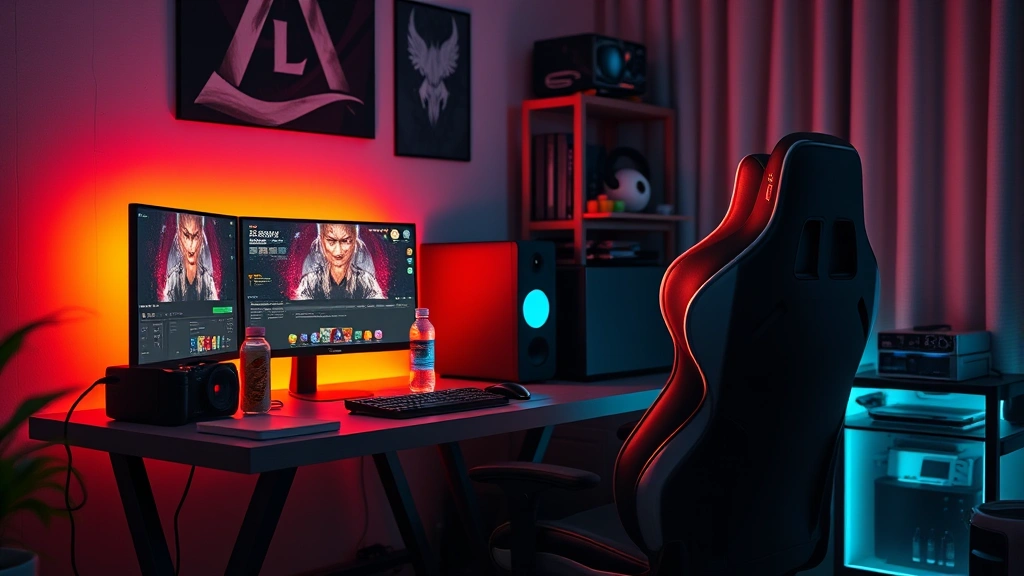
Your physical gaming space profoundly influences your ability to relax and unwind. Experts recommend designing a dedicated gaming zone that minimizes distractions and promotes comfort. Start by assessing your current setup and identifying elements that either enhance or detract from your relaxation experience.
Lighting Optimization: Harsh overhead lighting can cause eye strain and maintain a sense of alertness associated with work environments. Instead, implement ambient lighting through LED strips, desk lamps with warm color temperatures, or smart bulbs that automatically adjust throughout your gaming session. Research from the University of California suggests that warmer light temperatures (2700K-3000K) promote relaxation and melatonin production, making them ideal for evening gaming.
Audio Environment: Sound design significantly impacts immersion and relaxation. Invest in quality headphones or speakers that deliver clear audio without distortion. Consider noise-canceling technology if you live in a busy environment. Many gamers find that game soundtracks enhance relaxation; lo-fi and ambient game soundtracks have become increasingly popular for their stress-reducing properties. Websites like Game Releases often feature soundtrack recommendations alongside game reviews.
Ergonomic Setup: Comfort directly affects your ability to relax. Invest in an ergonomic gaming chair that supports proper posture, a desk at the correct height, and a monitor positioned at eye level. Poor ergonomics not only cause physical discomfort but also maintain tension patterns from your workday. A proper setup allows you to truly settle into relaxation mode.
Temperature Control: Keep your gaming space at a comfortable temperature (approximately 68-72°F). Thermal comfort is often overlooked but significantly impacts relaxation. A space that’s too warm or cold creates subtle stress that undermines your unwinding efforts.
Choosing Games That Promote Relaxation
Not all games are equally effective for post-work relaxation. Genre selection dramatically influences whether your gaming session genuinely reduces stress or creates additional tension. Understanding game categories and their relaxation potential helps you build an intentional library aligned with your wellness goals.
Puzzle and Brain Games: Titles that offer gentle cognitive challenges without time pressure provide satisfying engagement. Games like Portal 2, The Witness, and Tetris Effect offer puzzle-solving that feels rewarding without inducing anxiety. The best indie games for PC category includes numerous relaxing puzzle experiences that deserve exploration.
Exploration and Adventure Games: Narrative-driven games with exploration mechanics allow you to escape into immersive worlds. Titles like Outer Wilds, Firewatch, and A Short Hike prioritize atmosphere and discovery over combat pressure. These games facilitate the mental escapism that makes gaming such an effective stress-relief tool.
Simulation and Management Games: Games that let you build, manage, and create—such as Stardew Valley, Animal Crossing, or Cities: Skylines—provide satisfying progression without failure penalties. The sense of control and visible progress appeals to professionals seeking respite from work chaos.
Cooperative Experiences: If you prefer social gaming, explore best co-op games on Steam that emphasize teamwork over competition. Cooperative gameplay with friends can enhance relaxation through social connection while maintaining lower stress levels than competitive modes.
Games to Avoid During Work Decompression: Highly competitive multiplayer games, especially those with ranking systems or time-limited content, often maintain or increase stress rather than relieving it. Dark Souls-style difficulty spikes and games with punishing mechanics may feel rewarding but can undermine relaxation goals. Save these for sessions where you’re specifically seeking challenge rather than calm.
Physical Wellness During Gaming Sessions
Extended gaming sessions can negatively impact physical health if not managed intentionally. Experts recommend incorporating wellness practices into your after-work gaming routine to maximize both relaxation and health benefits.
Movement Breaks: Every 30-45 minutes, take a 5-minute break to stand, stretch, and move. This prevents blood clots, reduces muscle tension, and actually improves focus when you return to gaming. Simple stretches targeting your neck, shoulders, wrists, and lower back address common gaming-related tension points.
Eye Care: The 20-20-20 rule prevents digital eye strain: every 20 minutes, look at something 20 feet away for 20 seconds. Blue light filtering glasses can reduce eye fatigue during evening sessions. Proper monitor distance (20-26 inches) and positioning at or slightly below eye level minimizes strain.
Hydration and Nutrition: Keep water nearby and avoid excessive caffeine during evening sessions, which can interfere with sleep. Light, healthy snacks support sustained energy without the crashes associated with sugary options. This simple practice demonstrates self-care and supports your relaxation goals.
Hand and Wrist Health: Gaming-related repetitive strain injuries are increasingly common. Maintain neutral wrist positions, use ergonomic controllers, and consider wrist supports if you experience discomfort. Warming up your hands before intensive gaming sessions prevents injury.
Time Management for After-Work Gaming
Setting intentional time boundaries paradoxically enhances relaxation by preventing guilt and excessive fatigue. Experts recommend establishing a structured gaming schedule that respects both your relaxation needs and other life responsibilities.
The Optimal Session Length: Research suggests that 30-90 minutes represents the ideal post-work gaming window. Sessions shorter than 30 minutes may not provide sufficient decompression, while sessions exceeding 2-3 hours can lead to fatigue and sleep disruption. Most professionals find that 45-60 minute sessions strike the perfect balance.
Timing Your Sessions: Schedule gaming time at least 1-2 hours before bedtime, as stimulating gameplay can interfere with sleep onset. If you’re a morning gamer, shorter sessions before work can energize your day, though be cautious about losing track of time. Evening sessions work best for most professionals seeking stress relief.
Transition Rituals: Create a deliberate transition from work to gaming mode. This might involve changing clothes, making a beverage, or a brief meditation. Similarly, establish an end ritual—perhaps a 5-minute wind-down period—that helps your mind transition from gaming back to evening responsibilities. These rituals signal to your brain that relaxation time is beginning and ending.
Psychological Benefits and Mental Health
The psychological research supporting gaming as a stress-relief tool is substantial and growing. Organizations like the American Psychological Association increasingly recognize gaming’s therapeutic potential when engaged with intentionality.
Stress Reduction and Cortisol Management: Gaming sessions reduce cortisol, the primary stress hormone. Studies show that even 20 minutes of casual gaming can lower cortisol levels comparable to meditation or yoga. This physiological shift is measurable and contributes to improved overall health outcomes.
Mood Enhancement: Games stimulate dopamine release through achievement, progression, and rewards. Unlike substances that create unsustainable dopamine spikes, gaming provides natural neurochemical balance that supports sustained mood improvement. The sense of accomplishment from completing objectives translates to real-world confidence.
Cognitive Flexibility: Gaming requires rapid decision-making and perspective shifts, which strengthens cognitive flexibility—the ability to adapt thinking patterns. This mental agility directly combats the rigid, repetitive thinking patterns that develop during stressful workdays.
Sense of Agency: Professional environments often create feelings of powerlessness or lack of control. Games restore agency by placing decision-making power in your hands. This restored sense of control has profound psychological benefits that extend beyond gaming sessions into daily life.
Social Gaming for Stress Relief
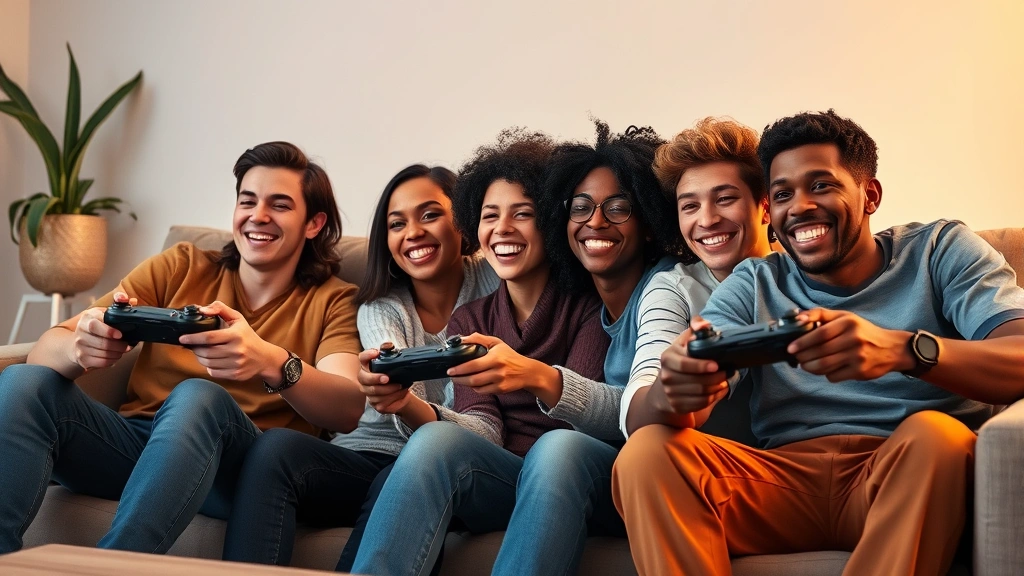
While solo gaming offers excellent relaxation benefits, social gaming adds another dimension to post-work decompression. Playing with friends or online communities can enhance relaxation through connection while maintaining lower stress than competitive ranked modes.
Local Co-op Benefits: Playing physically near friends or family creates social connection without the pressure of competition. Explore best co-op games on steam that emphasize teamwork and collaboration. These experiences combine gaming relaxation with social wellness.
Online Communities: Joining supportive gaming communities reduces isolation and creates belonging. Many communities specifically emphasize casual, relaxation-focused gaming rather than competitive excellence. Participating in these spaces adds social value to your gaming time.
Streaming and Content Creation: Some professionals find that streaming their gameplay or creating gaming content adds meaning to their sessions. If you’re interested in documentation, explore how to record gameplay on PC to get started with content creation.
Avoiding Social Toxicity: Conversely, toxic online environments create stress rather than relieving it. Be selective about which communities you engage with. If competitive multiplayer creates anxiety, focus on cooperative experiences or single-player titles. Your mental health takes priority over any particular game.
For deeper exploration of game selection, check out the Game Forge Daily Blog for comprehensive reviews and recommendations across all genres and platforms.
FAQ
How long should I game after work for maximum relaxation?
Most experts recommend 30-90 minutes, with 45-60 minutes being optimal for most professionals. This duration provides sufficient decompression without leading to fatigue or sleep disruption. Shorter sessions may not allow adequate mental disengagement from work stress.
What types of games are best for stress relief?
Puzzle games, exploration adventures, simulation games, and cooperative experiences generally provide superior relaxation compared to highly competitive or difficult titles. Games without time pressure and with clear progression mechanics tend to feel most rewarding and least stressful.
Can gaming before bed affect my sleep?
Yes, stimulating gameplay within 1-2 hours of bedtime can interfere with sleep onset through blue light exposure and mental stimulation. Schedule gaming sessions earlier in the evening, or choose calming games with minimal stimulation if you must play before bed. Consider blue light filtering glasses.
Is it normal to feel guilty about gaming after work?
Absolutely. Many professionals struggle with guilt about recreational time, viewing gaming as unproductive. However, expert consensus confirms that intentional relaxation is essential for long-term productivity, health, and happiness. Reframe gaming as self-care rather than indulgence.
How do I prevent gaming from interfering with other responsibilities?
Set clear time boundaries before starting your session, use phone reminders if necessary, and establish transition rituals that mark the end of gaming time. Treating gaming time with the same respect you give work commitments ensures balance.
What equipment do I need for optimal gaming relaxation?
Essential items include an ergonomic chair, proper desk setup, quality audio equipment, appropriate lighting, and a reliable gaming device. You can upgrade gradually based on budget, but comfort and proper ergonomics should be prioritized. Check out the gaming PC build guide for comprehensive hardware recommendations.
Can competitive gaming be relaxing?
For some personalities, competitive challenge provides satisfying engagement. However, ranked systems, time pressure, and toxic communities often create stress. If you enjoy competitive gaming, focus on casual modes without ranking consequences, or play with friends in a supportive environment.