
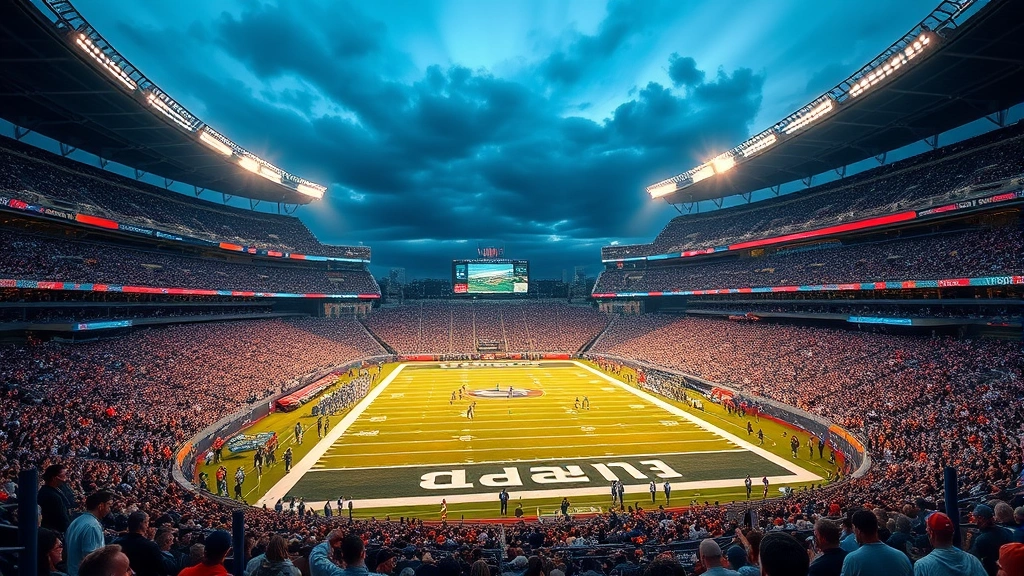
How Long Are Football Games? Expert Breakdown of Game Duration
Whether you’re planning your Sunday afternoon or settling in for Monday Night Football, understanding exactly how long a football game lasts is crucial. The simple answer? Most professional football games run between 3 to 3.5 hours, but the actual playing time is surprisingly shorter. This comprehensive guide breaks down every factor that influences game duration, from regulation time to overtime scenarios, so you’ll never be caught off guard by unexpected delays or extended play.
Football games operate under strict time regulations, yet numerous variables can extend or compress the total duration. Commercial breaks, timeouts, penalties, and scoring plays all contribute to the final clock time. If you’re a casual viewer or a dedicated fan, knowing what to expect helps you plan your viewing schedule effectively. We’ll explore the official regulations, real-world examples, and everything in between to give you the complete picture.
Official Regulation Game Time
The official regulation time for an NFL football game is 60 minutes of actual playing time, divided into four quarters of 15 minutes each. However, don’t let this deceive you—the clock doesn’t run continuously. The game clock stops for incomplete passes, players running out of bounds, timeouts, penalties, and scoring plays. This is why a 60-minute game translates to roughly 180 minutes (3 hours) of real-world time on your television.
Each team receives three timeouts per half, giving them strategic opportunities to stop the clock and plan their next moves. These timeouts last 60 seconds each, and when combined with all the other stoppages, they significantly extend the overall game duration. Understanding the difference between game time and clock time is essential for accurate game planning.
The NFL has standardized these regulations across all levels of professional play. High school and college football follow similar structures, though with some variations. If you’re interested in best single player games, you’ll appreciate how football games, like quality games, require patience and strategic thinking to fully enjoy.
Why Games Take Longer Than You Think
The gap between 60 minutes of regulation time and 180+ minutes of actual viewing time puzzles many casual fans. Several factors create this significant difference. First, the game clock operates under specific rules: it stops whenever the ball goes out of bounds, an incomplete pass occurs, a player is tackled in bounds (on some plays), or a timeout is called. Additionally, the clock pauses after certain penalties, field goals, and touchdowns.
Television broadcasts add another layer of time extension through strategic commercial placement. Networks earn substantial revenue from advertisements, so they’ve optimized commercial breaks throughout the game. Between plays, after touchdowns, during timeouts, and at the conclusion of each quarter, commercials fill the broadcast. These breaks can collectively add 45-60 minutes to your viewing experience.
Replays and official reviews also consume considerable time. When officials need to review a play for accuracy—particularly regarding touchdowns, turnovers, or boundary decisions—the game pauses while the replay booth analyzes footage. These reviews typically last 1-3 minutes each, and with multiple reviews per game, they cumulatively extend game duration.
Commercial Breaks Impact
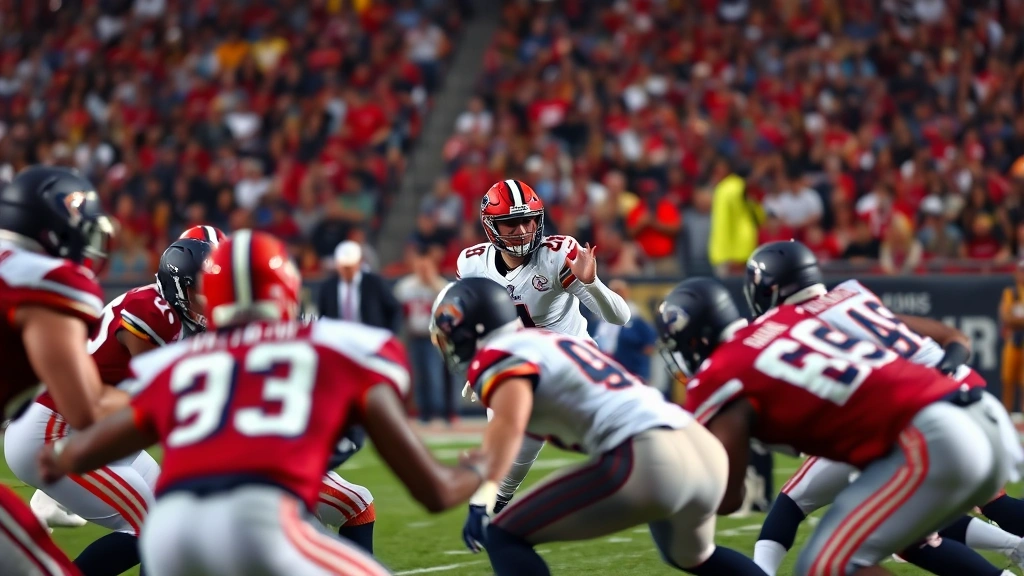
Commercial breaks represent one of the most substantial time additions to football games. The NFL permits up to 52 minutes of commercial time per broadcast, though actual airtime often reaches 55-60 minutes depending on the network and game circumstances. This is roughly one-third of your total viewing time spent watching advertisements rather than football action.
Networks strategically place commercials to maximize viewership and revenue. After touchdowns, field goals, and turnovers, mandatory commercials air on both networks. Additionally, timeout commercials and quarter-ending commercials are built into the broadcast schedule. Some games exceed the standard commercial time due to extended reviews, weather delays, or injury timeouts.
If you’re looking for uninterrupted entertainment, check out best co-op games on Steam where you control the pacing entirely. However, for football enthusiasts, understanding these commercial intervals helps you plan bathroom breaks, snack runs, or conversation time without missing crucial plays.
Overtime Rules and Duration
When a football game ends in a tie after regulation, overtime rules determine how much additional time will be played. The NFL’s overtime rules have evolved significantly, creating different game duration scenarios depending on the situation.
In the regular season, the NFL employs a playoff-style overtime format where both teams are guaranteed a possession. If the score remains tied after both teams have possessed the ball, sudden-death rules apply. Playoff games use true sudden-death overtime, where the first team to score wins. Overtime periods last 15 minutes each, similar to regulation quarters.
Overtime games typically add 15-30 minutes to total game duration, though some overtime contests extend beyond a single period. The longest overtime game in NFL history extended multiple periods, dramatically extending the broadcast. For context on strategic depth and competition, explore best indie games for PC, which often feature intricate gameplay mechanics similar to football’s strategic complexity.
Halftime Breakdown
Halftime represents a scheduled 12-minute break between the second and third quarters in the NFL, though the actual halftime experience extends far longer on television. The halftime period includes the official 12-minute break for teams to regroup, adjust strategies, and rest players. However, networks extend halftime broadcasts to roughly 20-30 minutes to accommodate performances, analysis, and additional commercials.
Special halftime events, such as Super Bowl performances or major holiday games, can extend this period significantly. The Super Bowl halftime show alone runs approximately 12-15 minutes of performance time, plus additional setup and breakdown periods. Regular season games maintain more standard halftime durations, but even these include pre-recorded content, expert analysis, and promotional material.
Players use halftime strategically to recover from first-half exertion, receive medical attention if necessary, and prepare mentally and physically for the second half. Coaches conduct detailed strategy sessions, analyzing opponent tendencies and adjusting game plans based on first-half performance.
NFL vs College Football Duration
While NFL games typically run 3-3.5 hours, college football games frequently exceed this duration. College games average 3.5 to 4 hours, with some contests reaching 4.5+ hours. Several factors contribute to these extended durations.
College football games feature more timeouts available to teams—typically five per half compared to the NFL’s three per half. Additionally, college games include more stoppages for official reviews and penalty discussions. The pace of college play tends to be slightly slower, with more strategic clock management by coaches trying to maintain competitive balance.
High school football games are generally shorter, averaging 2.5 to 3 hours due to fewer commercials, shorter halftime performances, and slightly faster game pacing. International football variations, such as Canadian football, follow different time structures entirely—Canadian games feature 12-minute quarters and typically run 2.5-3 hours total.
Factors That Extend Game Time
Beyond the standard commercial and timeout structures, several unpredictable factors can significantly extend game duration. Weather delays represent one major variable—heavy rain, lightning, or snow can cause officials to pause games for safety reasons. These delays range from 15 minutes to several hours in extreme cases.
Injuries also impact game duration. When players suffer significant injuries requiring medical attention, the game pauses while trainers assess the situation. Serious injuries may necessitate extended stoppages or even player transport to medical facilities, adding 5-15 minutes or more to total game time.
Controversial plays generating extensive replay reviews can consume substantial time. Scoring plays, turnovers, and boundary decisions often require multiple replay angles and detailed analysis. Complex review situations may take 5-10 minutes or longer, particularly when involving booth review challenges.
Technical difficulties, such as camera malfunctions or broadcast issues, occasionally cause brief delays. Additionally, crowd management situations or security concerns may pause games temporarily. For gamers accustomed to gaming PC build optimization and smooth performance, these unpredictable delays mirror technical hiccups in competitive gaming.
Tips for Efficient Viewing
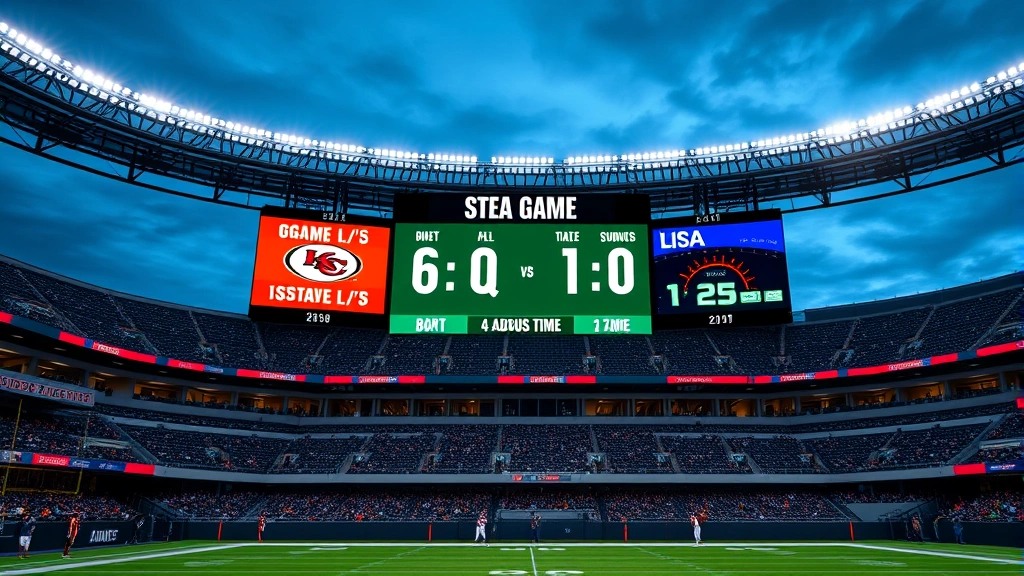
If you’re planning to watch a football game but have limited time, several strategies help optimize your viewing experience. Recording games allows you to skip commercials, reducing total viewing time from 3.5 hours to approximately 2 hours of pure football action. This approach lets you fast-forward through breaks while maintaining engagement with the game’s crucial moments.
Alternatively, streaming services increasingly offer condensed game recaps available within hours of game conclusion. These highlight reels capture all significant plays while eliminating commercials, timeouts, and dead time. Platforms provide this content for fans unable to commit to full-game viewing.
If watching live is essential, prepare your environment accordingly. Arrange snacks, beverages, and entertainment to minimize interruptions during the game. Invite friends to enhance the experience and make the time investment more enjoyable. For additional entertainment during breaks, check out how to record gameplay on PC to capture your own gaming moments during halftime.
Understanding typical game flow helps you anticipate breaks. Most stoppages occur after scores, during timeouts, and at quarter endings. Knowing when these breaks typically occur allows you to plan activities accordingly, maximizing your overall time management.
FAQ
What’s the exact difference between game time and real time in football?
Game time (60 minutes) refers to the official regulation clock that runs during play. Real time (typically 180+ minutes) includes all stoppages—commercials, timeouts, reviews, penalties, and other breaks. The clock stops frequently, creating significant discrepancy between these two measurements.
Can a football game end in a tie?
In the NFL regular season, yes—if both teams have possessed the ball during overtime and remain tied after one overtime period, the game ends in a tie. However, playoff games continue until one team scores, ensuring a definitive winner. College football and high school football have different overtime rules.
How much time do commercials actually consume?
The NFL permits up to 52 minutes of commercial time per broadcast, though actual airtime often reaches 55-60 minutes. This represents roughly one-third of your total viewing time, making commercials a significant factor in overall game duration.
Are NFL games always 3.5 hours long?
No—game duration varies based on multiple factors. Most NFL games run 3-3.5 hours, but games with multiple reviews, weather delays, injuries, or extensive overtime can extend to 4+ hours. College games typically run longer at 3.5-4+ hours.
What’s the shortest possible football game?
Theoretically, a game could conclude in roughly 2.5 hours if there were minimal stoppages, no reviews, and no overtime. However, in practice, NFL games rarely run shorter than 2.5 hours due to mandatory commercial time and standard stoppages.
Do different networks broadcast games differently in terms of duration?
Networks maintain similar commercial standards, so duration differences are minimal. However, certain networks may feature slightly different halftime content or analysis segments. The actual game time remains consistent across all broadcasters.
How does playoff overtime affect game duration?
Playoff overtime adds 15+ minutes to game duration, with potential for multiple overtime periods if needed. The NFL’s playoff sudden-death format means the first team to score wins, but games can extend significantly if both teams continue matching scores.
Can weather significantly impact game length?
Yes—severe weather can cause substantial delays. Lightning delays typically range from 20-30 minutes, while extreme conditions might cause longer pauses. Some games have been postponed due to dangerous weather conditions, extending the overall timeline significantly.