Oh Hell Card Game Rules: Expert Insights
The Oh Hell card game is one of the most thrilling and unpredictable trick-taking card games that has captivated players for decades. Whether you’re a seasoned card game enthusiast or someone looking to dive into the world of classic games, Oh Hell delivers an exciting blend of strategy, prediction, and pure luck that keeps everyone engaged from the first hand to the last. This comprehensive guide breaks down everything you need to know about the rules, strategies, and nuances that make Oh Hell such a beloved game among friends and families worldwide.
What makes Oh Hell stand out from other card games is its unique scoring system and the psychological element of bidding. Players must predict exactly how many tricks they’ll win before the hand begins, creating tension and excitement with every card played. The game punishes overconfidence and rewards calculated risk-taking, making it perfect for game nights where unpredictability and strategic thinking are valued. Let’s explore the complete ruleset and expert strategies that will elevate your Oh Hell gameplay.

Game Overview and Setup
Oh Hell, also known as Blackout or Bust, is a card game designed for 3-6 players, though the most enjoyable experience typically occurs with 4-5 participants. The game uses a standard 52-card deck, and the objective is straightforward yet challenging: accurately predict the number of tricks you’ll win in each round and then deliver exactly that number. This balance between prediction and execution creates the game’s signature tension.
To set up Oh Hell, shuffle the deck thoroughly and designate one player as the dealer. The dealer position rotates clockwise after each hand, ensuring everyone gets equal opportunities to deal. Before dealing begins, decide how many rounds you’ll play. A typical game consists of multiple rounds where the number of cards dealt changes with each round. For example, round one starts with each player receiving one card, round two with two cards, and so on, until you reach the maximum number of cards your player count allows.
The dealing process is crucial: the dealer distributes cards one at a time in clockwise order until each player has the designated number of cards for that round. The next card in the deck becomes the trump suit, which plays a significant role in determining which cards can win tricks. This trump card remains visible throughout the round, influencing bidding and playing decisions. Understanding the relationship between cooperative gameplay mechanics can enhance your appreciation for Oh Hell’s collaborative yet competitive nature.
Understanding the Basic Rules
The fundamental rules of Oh Hell are designed to be accessible to beginners while maintaining depth for experienced players. Once cards are dealt and the trump suit is revealed, players examine their hands and prepare for the bidding phase. The basic flow follows: bidding occurs, players play tricks in sequence, and points are scored based on accuracy.
Each player must follow suit if possible, meaning if a card of the suit led is in your hand, you must play it. If you cannot follow suit, you may play any other card, including the trump suit. This creates strategic decisions about when to use trump cards and how to manage your hand. The highest card of the suit led wins the trick unless a trump card is played, in which case the highest trump wins. The player who wins the trick leads the next trick by playing the first card.
One critical rule that distinguishes Oh Hell from other trick-taking games: the total number of bids across all players cannot equal the number of tricks available. If you’re playing with four players and each receives three cards, there are exactly three tricks available. The bids must total something other than three. This rule prevents everyone from being correct and adds a layer of strategy, as someone must inevitably fail to achieve their bid.
The Bidding System Explained
The bidding system is the heart and soul of Oh Hell. After examining their hands, players bid on how many tricks they believe they’ll win. Bidding proceeds in order, typically starting with the player to the dealer’s left, and continues clockwise. Each player must bid a number from zero (predicting they’ll win no tricks) to the maximum possible tricks for that round.
The psychological warfare begins immediately. Early bidders have incomplete information about what others might bid, while later bidders can adjust their bids based on what’s already been committed. The player bidding last faces the most pressure since they must ensure the total bids don’t equal the available tricks. This position, known as the “dealer’s position,” creates fascinating strategic moments where the last bidder might be forced into an uncomfortable situation.
Bidding zero tricks is perfectly legitimate and sometimes the wisest choice. If you hold weak cards or cards of unfavorable suits, bidding zero means you must win no tricks. This can be challenging since you might be forced to play powerful cards that win tricks against your prediction. The challenge of bidding zero and successfully achieving it makes for some of the game’s most memorable moments.
Trick-Taking Mechanics
Once bidding concludes, the actual play begins. The player to the dealer’s left leads the first trick by playing any card from their hand. Play proceeds clockwise, with each player contributing one card. The key mechanic is that you must follow suit if able. If you have no cards of the suit led, you may play any card, including trump.
The highest card of the led suit wins the trick, unless someone plays a trump card. If multiple trump cards are played, the highest trump wins. The player who wins the trick collects all four cards and places them aside, then leads the next trick with any card of their choice. This flexibility in leading creates opportunities for strategic play, as you can control which suit is played based on your remaining cards and your bid.
As tricks accumulate, keep careful track of how many you’ve won and how many remain. This awareness is crucial for making informed decisions about which cards to play. If you’ve already achieved your bid with several tricks remaining, you must be cautious about winning additional tricks. Conversely, if you’re falling short of your bid, you need to be aggressive about winning remaining tricks.
Scoring System Deep Dive
The Oh Hell scoring system rewards accuracy and punishes failure. Here’s how it works: if you successfully bid and won exactly the number of tricks you predicted, you score points equal to 10 plus the number of tricks you bid. For example, bidding three tricks and winning exactly three tricks earns you 13 points (10 + 3).
If you fail to achieve your bid—winning more or fewer tricks than predicted—you score zero points for that round. This harsh penalty creates the game’s tension. There’s no partial credit; you either hit your bid exactly or score nothing. This all-or-nothing scoring encourages conservative bidding when uncertain and creates dramatic moments when players take risks.
The cumulative nature of scoring across multiple rounds means that one bad round doesn’t eliminate you from contention, but consistent accuracy determines the ultimate winner. After all rounds are complete, the player with the highest total score wins the game. Many variations implement bonus scoring for bidding zero and successfully achieving it, offering 10 or more points as a special reward.
Understanding the relationship between your hand strength and available bids is essential. Weak hands might warrant zero bids, while strong hands can support higher bids. The trump suit significantly influences these calculations, as trump cards are generally more valuable than non-trump cards of the same rank.
Advanced Strategies
Expert Oh Hell players employ sophisticated strategies that go beyond basic rule knowledge. One fundamental principle is reading the board. Pay close attention to which cards have been played and which remain. This information helps you predict which cards your opponents hold and adjust your play accordingly.
The bidding phase offers tremendous strategic opportunity. Early bidders should bid based on their hand strength in isolation. Middle bidders can observe trends and adjust accordingly. The last bidder faces the most complex decision, as they must ensure the total doesn’t equal available tricks while making a realistic bid based on their hand. Skilled last bidders sometimes make seemingly illogical bids that actually follow a brilliant mathematical necessity.
Card play strategy involves understanding when to use trump cards. Holding trump until later in the round often proves superior to playing them immediately, as you maintain flexibility and control. However, if you’ve already achieved your bid, you might intentionally waste trump cards on tricks you’re losing, preventing those trump cards from winning tricks and busting your bid.
The concept of “communication through play” applies even though Oh Hell is typically non-partnership. Your card choices send signals about your hand composition to observant opponents. Playing high cards of a suit early suggests you hold few cards of that suit, while playing low cards suggests strength remaining. Experienced players use this information to make better decisions.
Managing your bid relative to your position is critical. If you’re leading in points, conservative bidding protects your lead. If you’re behind, you might need to take calculated risks with higher bids. The relative positioning of all players should influence your strategy throughout the game. This psychological element mirrors the depth found in strategic game design where player positioning matters.
Common Mistakes and How to Avoid Them
Even experienced players make mistakes in Oh Hell. One common error is overbidding early. New players often bid optimistically based on their initial hand assessment, forgetting that trump cards and suit distribution significantly impact trick-winning potential. Conservative initial bids allow you to adjust as you gather more information.
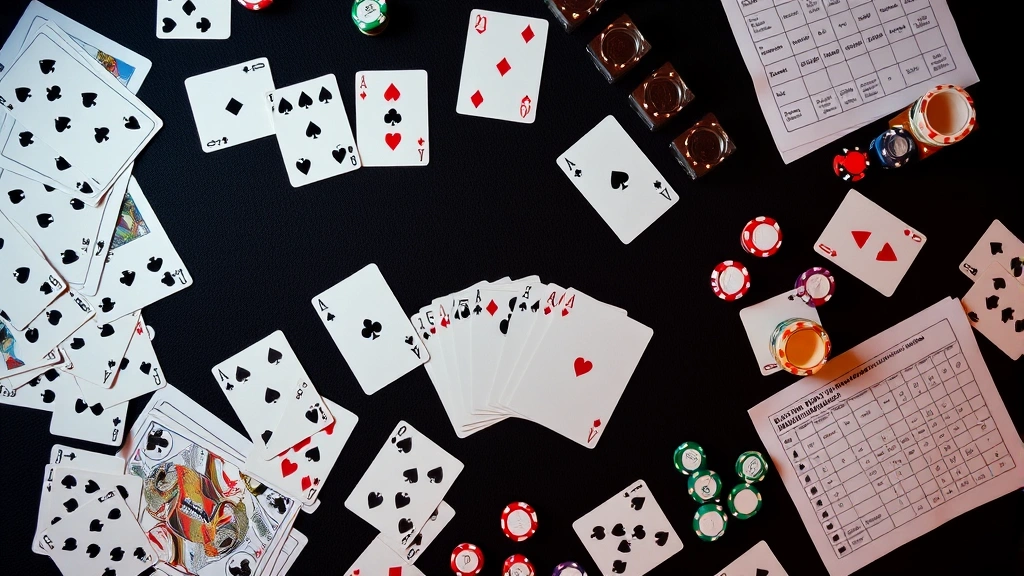
Another frequent mistake is failing to track bids carefully. If you don’t remember what everyone bid, you can’t accurately assess whether hitting your bid remains possible. Many experienced players keep score sheets that show both bids and tricks won for each player, enabling quick reference during play.
Players sometimes forget the rule preventing total bids from equaling available tricks. This rule exists to ensure competitive balance and unpredictability. When you’re the last bidder and the bids total one less than available tricks, you’re forced to bid at least one. This situation creates genuine tension and memorable moments.
Mismanaging trump cards represents another common error. New players waste trump cards on tricks they’re already winning or save them too long, leaving themselves unable to win crucial tricks late in the round. The optimal trump strategy depends on your current trick count relative to your bid.
Failing to adjust strategy based on your bid status is also problematic. If you’ve already achieved your bid with multiple tricks remaining, your goal shifts to not winning additional tricks. This requires different card play decisions than when you’re chasing your bid. Maintaining this mental flexibility separates casual players from serious competitors.
Variations and House Rules
Oh Hell has spawned numerous variations that add spice to the traditional game. The most popular variation involves changing the number of cards dealt each round. Some versions expand from one card to the maximum, then contract back down, creating a “pyramid” structure. Others implement different trump rules or special card values.
Some groups play that the last player to bid must bid the exact number that prevents the total from equaling available tricks. This removes the last bidder’s choice and adds a mathematical puzzle element. Other variations award bonus points for bidding zero and achieving it, encouraging this high-risk strategy.
House rules might include allowing players to “pass” on bidding entirely, though this is less common and significantly changes game dynamics. Some variations implement progressive scoring where later rounds are worth more points, creating climactic finishes. Others use different deck configurations, such as removing certain cards or using multiple decks for larger player groups.
The most important aspect of variations is ensuring all players agree on the rules before the game begins. Consistent rules prevent arguments and allow strategic planning. If you’re introducing Oh Hell to new players, stick with traditional rules initially, then explore variations once everyone understands the fundamentals.
For those interested in exploring other strategic games, check out our best indie games for PC, which features several excellent digital card game implementations. Additionally, if you’re planning to stream or record your Oh Hell sessions, our guide on how to record gameplay on PC provides comprehensive instructions.
FAQ
What is the minimum number of players for Oh Hell?
Oh Hell requires a minimum of three players to function properly. With fewer players, the game loses its strategic depth and unpredictability. The sweet spot is typically four to five players, which creates optimal tension and engagement.
Can you bid higher than the remaining tricks?
No, you cannot bid more tricks than are available in the current round. If there are three tricks available, your maximum bid is three. This prevents impossible situations and maintains game balance.
What happens if you achieve your bid exactly?
You score 10 points plus the number of tricks you bid. Achieving your bid exactly is the goal, and the scoring rewards accuracy. Bidding three and winning three earns 13 points, while bidding zero and winning zero also earns 10 points.
Is there a penalty for going over or under your bid?
Yes, if you fail to achieve your exact bid, you score zero points for that round. There’s no partial credit or consolation points. This harsh penalty creates the game’s signature tension and encourages careful bidding.
Can the dealer participate in the game?
Absolutely. The dealer is a full participant in Oh Hell, though they bid last, which provides a strategic advantage and disadvantage simultaneously. Being last allows you to observe all other bids before committing, but you’re constrained by ensuring the total doesn’t equal available tricks.
How many rounds should a typical game include?
Most games progress from one card per player up to the maximum possible (typically 7-8 cards with standard player counts), then back down to one. This creates approximately 13-15 rounds total, though groups can adjust based on available time. Some prefer shorter games with fewer rounds, while others enjoy extended matches.
What’s the strategy for bidding zero?
Bidding zero is viable when you hold weak cards or unfavorable suit distributions. You must avoid winning any tricks, which requires careful card play. If forced to lead, play your lowest cards. If following, play cards unlikely to win. Bidding zero and achieving it is genuinely challenging but rewarding.
Can you change your bid after seeing the trump card?
No, bidding is final once stated. The trump card is revealed before bidding begins, so all bidding decisions should account for trump card information. This is why the trump card is revealed before rather than after bidding.