
Top 2 Player Board Games? Expert Choices
When it comes to tabletop gaming, 2 player board games offer an intimate, competitive, and deeply engaging experience that larger group games simply can’t replicate. Whether you’re looking for a quick tactical showdown or a sprawling strategic campaign, the world of two-player board gaming has exploded with incredible options that cater to every playstyle and preference. From abstract mind-benders to thematic adventures, we’ve compiled the expert recommendations that deserve a permanent spot on your gaming shelf.
The beauty of two-player games lies in their ability to create dynamic, back-and-forth gameplay where every decision matters. Unlike larger games where players might feel sidelined waiting for their turn, two-player experiences maintain constant tension and engagement. You’re always involved, always planning your next move, and always responding to your opponent’s strategy. This direct competition creates unforgettable gaming moments that keep players coming back for more.

Best Classic 2 Player Board Games
The foundation of two-player gaming rests on timeless classics that have entertained millions across generations. These games have proven their staying power through decades of play, and they remain exceptional choices whether you’re introducing someone new to board gaming or you’re a seasoned veteran.
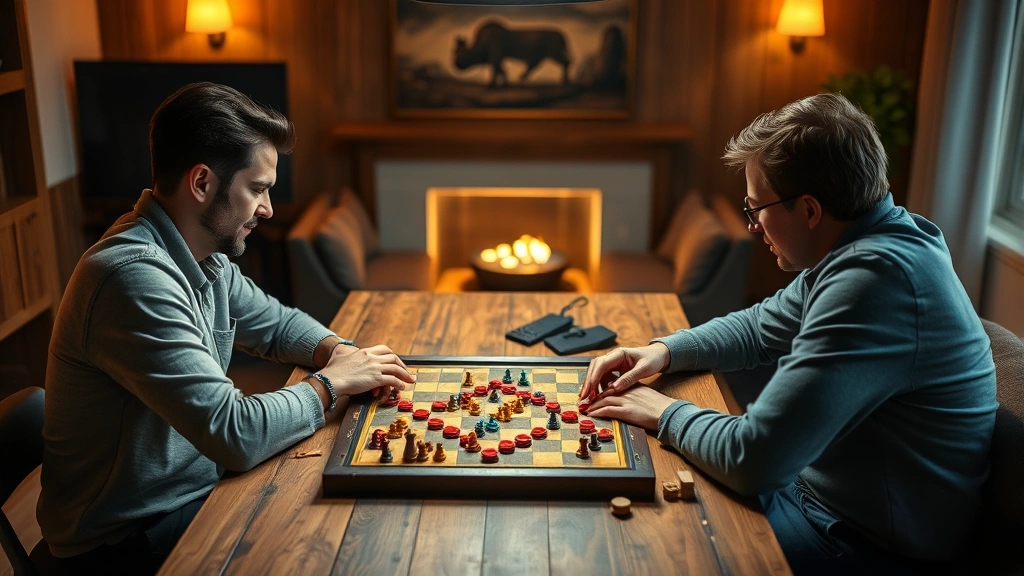
Chess remains the ultimate two-player strategic experience. This ancient game of kings has captivated minds for over fifteen centuries, and for good reason. Every move opens possibilities while closing others, creating a puzzle that deepens with each piece removed from the board. The depth of chess is genuinely infinite—grandmasters continue discovering new strategies, yet the rules are simple enough for children to learn. If you’re exploring strategy board games, chess is the philosophical foundation upon which modern board gaming was built.
Go offers a completely different flavor of strategic depth. While chess is a game of direct confrontation, Go is about territorial control and influence. Players place stones on a gridded board, creating living shapes that battle for dominance. The elegance of Go’s rules contrasts sharply with the astronomical complexity of its gameplay. Professional players dedicate lifetimes to mastering its nuances, yet casual players find immense enjoyment in their first games. The handicap system allows players of vastly different skill levels to enjoy competitive matches together.
Checkers, though simpler than chess, deserves recognition for its elegant design. The uniform pieces and straightforward movement rules make it accessible to younger players, yet skilled players employ sophisticated tactics and trap patterns. It’s the perfect gateway game for introducing children to competitive board gaming.
Modern Strategic Masterpieces
Contemporary board game design has revolutionized what’s possible in two-player gaming. Designers now craft experiences that blend thematic storytelling with mechanical innovation, creating games that are both deeply engaging and brilliantly designed.
7 Wonders Duel stands as one of the finest modern two-player games ever created. This card-drafting civilization builder takes the excellent 7 Wonders and reimagines it specifically for two players. Instead of simultaneous drafting, players alternate selecting cards from a pyramid-shaped tableau, creating a puzzle of positioning and opportunity. The game features three distinct victory paths—military, scientific, or cultural—and the dynamic shift between these conditions keeps every game fresh. The card pool changes with each play, ensuring that no two games feel identical. Players consistently praise its balance, elegance, and replay value.
Agricola: All Creatures Big and Small distills the farming simulation experience into a lean, mean two-player engine. Players develop their farms by placing workers and acquiring animals, but the twist is that available actions are limited and shared. This forces constant negotiation with your opponent’s needs versus your own strategy. The game plays in under 30 minutes but delivers substantial strategic depth. It’s perfect for players who enjoy the farming theme but want something faster than the full Agricola experience.
Azul has become a modern classic in the board games tabletop gaming community. This tile-laying game is deceptively simple: draw tiles from a central market and place them on your player board. But the scoring system and the way tiles flow between players creates surprising strategic depth. It’s a game that plays in 30 minutes, teaches in five minutes, and rewards careful planning and tactical awareness. The beautiful Portuguese tile aesthetics make it as pleasant to look at as it is to play.
Codenames Duels reimagines the popular party game for two players. Instead of teams, players compete directly to identify their code words while misleading their opponent. The cooperative elements blend with competitive ones, creating a unique experience where you’re both working against a puzzle and against each other.
Asymmetrical Gameplay Experiences
Some of the most thrilling two-player games give each player fundamentally different abilities, goals, or constraints. This asymmetry creates dynamic gameplay where strategies diverge completely.
Jaipur is a card-trading game where players are merchants competing to make the most profitable trades. The card market and trading mechanics create a push-your-luck element where knowing when to lock in your profits versus pushing for bigger deals becomes crucial. Games play in about 20 minutes, making it perfect for multiple quick rounds. The back-and-forth trading creates delightful moments of negotiation and tactical maneuvering.
Twilight Struggle is considered by many to be the greatest two-player game ever designed. This card-driven game simulates the Cold War, with one player controlling the United States and the other the Soviet Union. The brilliant card system means that playing a card for its event effect might benefit your opponent’s scoring, creating agonizing decisions. The game captures the historical tension of the era while delivering mechanical elegance. It’s a substantial investment in learning and playing time, but it’s worth every moment.
Spirit Island, while playable with more players, shines as a cooperative two-player experience. One player controls a powerful spirit defending an island, while the other controls the island’s indigenous people. Players work together against an invading colonial force. The asymmetrical powers available to spirits create vastly different gameplay experiences depending on which spirits you select. The theme resonates deeply, and the cooperative victory conditions create satisfying moments of tactical synergy.
Cooperative Two Player Adventures
Not all two-player games pit competitors against each other. Cooperative games where both players work together against the game itself create entirely different emotional experiences—shared triumph and mutual problem-solving rather than victory and defeat.
Pandemic is the gold standard of cooperative board games. Players take on roles of disease-fighting specialists working to cure four diseases before they overwhelm the world. The game’s difficulty scales perfectly, allowing casual players to enjoy the experience while offering genuine challenge for experienced gamers. The catch is that you can’t directly communicate during the game, forcing clever plays and careful planning. Pandemic remains endlessly replayable thanks to its variable setup and multiple expansions.
Arkham Horror: The Card Game offers a campaign-based cooperative experience where two players investigate supernatural mysteries across multiple connected scenarios. The deck-building mechanics mean that your investigator grows and evolves throughout the campaign, creating a narrative arc alongside the mechanical progression. Each campaign tells a complete story, and the game’s depth ensures that different player groups experience different outcomes.
Gloomhaven: Jaws of the Lion is the two-player focused entry point into the Gloomhaven universe. This tactical dungeon-crawler features gorgeous miniatures, engaging card-driven combat, and a campaign that spans multiple scenarios. The puzzle-like nature of combat encounters rewards careful planning and tactical positioning. The production quality and thematic immersion make every session feel like an adventure.
Quick Play Dueling Games
Sometimes you want engaging gameplay without a huge time investment. Quick two-player games deliver tactical depth or thematic excitement in 20 minutes or less, making them perfect for casual gaming sessions.
Hive is an abstract strategy game using hexagonal tiles representing insects. Players place tiles to build a hive while trying to surround their opponent’s queen bee. The game has no board—it grows organically as tiles are placed. The rules are simple, but the spatial puzzle created by the growing hive provides surprising depth. It’s portable, quick, and endlessly tactical.
Patchwork is a quilting-themed two-player game where players buy fabric patches to build the most valuable quilt. The time track mechanic creates interesting decisions about when to move and when to shop. It’s quick, beautiful, and surprisingly engaging despite its gentle theme.
Oink Games publishes numerous excellent quick two-player games. Titles like Ink and Gorus Maximus deliver surprising strategic depth in compact packages. These are perfect for travelers or players with limited table space.
For those interested in exploring more competitive digital experiences, check out our guide on best co-op games on Steam, which covers how cooperative mechanics translate across different gaming mediums.
Building Your Collection
When starting your two-player board game collection, consider your group’s preferences and available time. Do you prefer competitive or cooperative gameplay? Are you drawn to abstract strategy or thematic immersion? How much time can you dedicate to learning and playing?
Start with accessibility. Games like Azul, Jaipur, and Patchwork teach quickly and play fast. These are perfect entry points that demonstrate the variety available in two-player gaming. They also work well for introducing non-gamers to the hobby.
Expand into your interests. Once you’ve played several games, your preferences will become clear. Strategic players gravitate toward 7 Wonders Duel and Twilight Struggle. Thematic players love Spirit Island and Arkham Horror. This is when you should invest in games that specifically match your discovered preferences.
Balance your collection. Include quick games for casual sessions, meatier games for dedicated gaming nights, and a mix of competitive and cooperative experiences. This variety ensures that your collection works for different moods and time commitments.
Quality over quantity. It’s better to own ten games you genuinely love than thirty games you rarely play. Focus on games with high replay value and strong communities that continue supporting them with expansions or new editions.
The GameForge Daily Blog regularly features reviews and recommendations for new releases, helping you stay informed about the latest two-player games hitting the market. Additionally, checking out best indie games for PC can show you how indie designers approach game creation, which often influences board game design philosophy as well.
Industry experts and reviewers regularly highlight top two-player games. BoardGameGeek maintains comprehensive databases and user ratings that help identify the community’s favorite two-player experiences. IGN’s gaming coverage frequently reviews board games alongside video games, providing perspective on how different gaming mediums approach competition and storytelling.
Storage and presentation matter. Two-player games often come in smaller boxes than multi-player games, making them easier to store. Invest in quality storage solutions to keep your games in excellent condition. Sleeved cards, properly organized components, and protective boxes extend the life of your collection and make gameplay smoother.
Find your community. Board game cafes, local gaming stores, and online communities provide opportunities to try games before buying and to find regular opponents. Many cities have thriving board game meetup groups where you can play new releases and discuss your favorites. GameSpot occasionally covers board game culture and notable releases, bridging the gap between video gaming and tabletop communities.
Consider checking out gaming PC build guide if you’re interested in how digital gaming setups compare to board game spaces—sometimes having a dedicated gaming area for both mediums enhances your overall hobby enjoyment.
FAQ
What makes a great two-player board game?
Great two-player games feature meaningful decision-making, interactive gameplay where both players feel engaged throughout, balanced mechanics that prevent one strategy from dominating, and high replay value through variable setups or multiple strategic paths to victory. The best games also feature clear rules, beautiful components, and thematic integration that enhances rather than distracts from gameplay.
Are two-player board games suitable for beginners?
Absolutely! Many excellent two-player games teach in five to ten minutes and play in 20-30 minutes. Games like Azul, Patchwork, and Jaipur are perfect for introducing people to board gaming. The direct interaction in two-player games often makes learning easier because there’s no downtime waiting for other players.
How do I choose between competitive and cooperative two-player games?
Consider your relationship with your regular opponent and your mood. Competitive games create exciting moments of triumph and defeat, fostering friendly rivalry. Cooperative games build shared accomplishment and problem-solving. Many people enjoy both and rotate between them depending on the situation. Try both types to discover your preferences.
What’s the difference between abstract and thematic two-player games?
Abstract games like Chess, Go, and Hive focus on pure mechanics with minimal theme. The gameplay creates the excitement rather than a narrative. Thematic games like Spirit Island and Twilight Struggle integrate their theme deeply into the mechanics, creating immersive experiences where the story and rules reinforce each other. Both offer distinct pleasures.
How much should I spend on a two-player board game?
Quality two-player games range from $15 to $60. Games under $25 like Azul and Patchwork offer exceptional value. Mid-range games ($25-40) like 7 Wonders Duel and Jaipur provide deeper experiences. Premium games ($40+) like Twilight Struggle and Arkham Horror offer extensive content and production quality. Start with mid-range games and expand based on your interests.
Can I play most board games with two players?
While many games support two players, not all are optimized for exactly two. Games designed for 3-5 players often feel better with those player counts. Conversely, games designed specifically for two players feature mechanics that wouldn’t work with more players. Always check the player count recommendations—they reflect how the designer intended the game to play.
Where can I find new two-player board games?
Board game cafes, local game stores, and online retailers like Amazon and Miniature Market stock hundreds of options. Kickstarter hosts numerous board game projects where you can back games before retail release. BoardGameGeek’s database includes detailed information, user reviews, and recommendations for finding games matching your preferences.