
Top Dreamcast Games: Fan Favorites List
The Sega Dreamcast remains one of gaming’s most beloved cult classics, even decades after its discontinuation in 2001. This innovative console brought arcade-quality gaming into homes worldwide, featuring a diverse library of titles that pushed technological boundaries and captured players’ imaginations. Whether you’re a nostalgic veteran or discovering these gems for the first time, the Dreamcast’s catalog offers unforgettable experiences that defined an entire generation of gaming.
From fast-paced action games to immersive RPGs, the Dreamcast delivered exceptional entertainment across multiple genres. The console’s online capabilities were revolutionary for its time, enabling multiplayer experiences that felt cutting-edge. Today, emulation and re-releases have made these classic games more accessible than ever, allowing new audiences to experience why the Dreamcast maintains such passionate fan support. This comprehensive guide explores the absolute best Dreamcast games that shaped the console’s legacy and continue to captivate players worldwide.
Sonic Adventure Series
Sonic Adventure stands as the flagship launch title that proved the Dreamcast could deliver blockbuster experiences. This revolutionary 3D platformer transformed Sonic the Hedgehog’s gameplay into a fully realized three-dimensional adventure. Players could explore vast environments, complete diverse mission types, and experience the game from multiple character perspectives. The game’s fast-paced action, stunning visuals for the era, and catchy soundtrack created an immersive experience that showcased the Dreamcast’s technical capabilities.
Sonic Adventure 2, released as the console’s swan song, refined the formula with enhanced graphics, improved controls, and expanded content. The game introduced the Chao Garden, a virtual pet system that became wildly popular among fans. This addictive feature allowed players to raise and train creatures, adding significant replay value beyond the main campaign. The competitive multiplayer modes and diverse gameplay styles—ranging from high-speed action to treasure hunting—made Sonic Adventure 2 a must-own title that justified owning a Dreamcast alone.
Both games remain excellent entry points for exploring classic gaming experiences, as they established conventions that influenced platformer design for decades. The Sonic Adventure series demonstrated that arcade sensibilities could translate beautifully into three-dimensional spaces, creating a blueprint many developers attempted to replicate.
Shenmue and Shenmue II
Shenmue represents one of gaming’s most ambitious undertakings, a sprawling action-adventure that redefined what interactive storytelling could achieve. Director Yu Suzuki’s vision created an immersive world where players controlled Ryo Hazuki, investigating his father’s murder across richly detailed environments. The game’s unprecedented production values, cinematic presentation, and innovative gameplay systems made it a technical showcase for the Dreamcast’s capabilities.
The game pioneered the “Quick Time Event” system, requiring players to execute button combinations during dramatic moments, creating tension and engagement. Beyond action sequences, Shenmue excelled at environmental storytelling, allowing players to interact with NPCs, discover clues, and progress through a compelling narrative at their own pace. The detailed character animations, dynamic weather systems, and living world created an unprecedented sense of immersion that many modern games still struggle to match.
Shenmue II continued the saga in Hong Kong and China, expanding the scope and deepening the mystery surrounding Ryo’s quest. The sequel improved upon its predecessor with refined controls, expanded combat options, and even more detailed environments. Though the series later continued on other platforms, these Dreamcast entries remain the definitive versions for many fans who appreciate the console’s unique hardware capabilities. The franchise’s influence on modern action-adventure games cannot be overstated, as Shenmue established templates that remain industry standards.
Jet Grind Radio
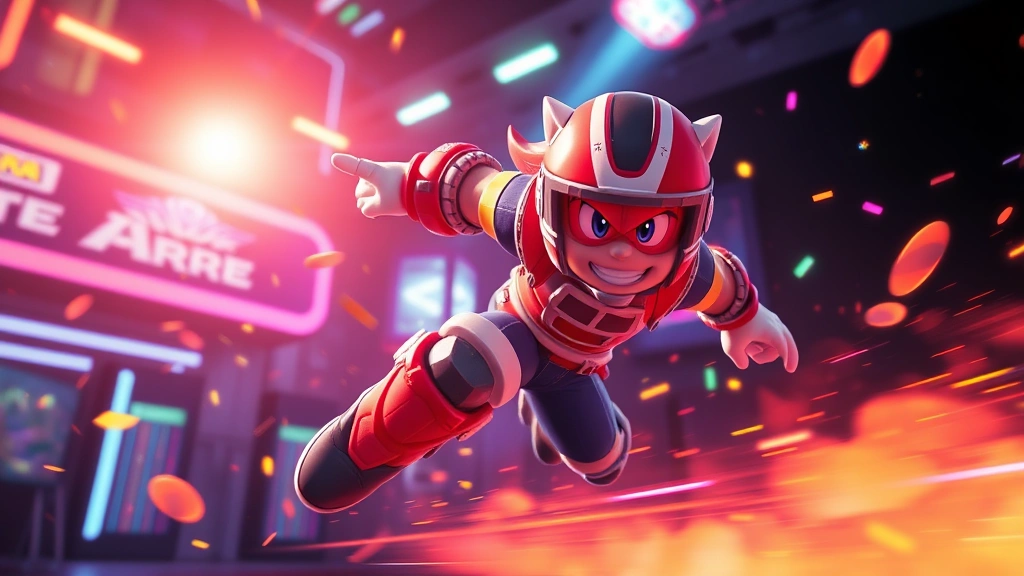
Jet Grind Radio stands as one of gaming’s most visually distinctive titles, employing cel-shading technology that created a comic book aesthetic years before the technique became mainstream. The game’s vibrant art direction, graffiti-focused gameplay, and punk rock attitude made it an immediate cult classic. Players controlled a crew of street artists, completing tagging missions while evading police in a stylized Tokyo-inspired metropolis.
The gameplay mechanics perfectly complemented the artistic vision—intuitive controls, satisfying spray-painting mechanics, and creative level design encouraged experimentation and self-expression. The game’s soundtrack, featuring eclectic Japanese and international artists, became iconic, with tracks that perfectly captured the rebellious spirit. Jet Grind Radio proved that video games could be genuine artistic expressions, not merely technical demonstrations, influencing countless indie developers who embraced similar creative philosophies.
The visual style remains timeless, holding up remarkably well compared to many contemporary releases that relied on photorealism. This artistic longevity demonstrates that creative direction matters far more than polygon counts or texture resolution. For players interested in creative gaming experiences, Jet Grind Radio continues to inspire with its bold aesthetic choices and innovative gameplay design.
Power Stone Games
Power Stone and its sequel delivered arcade-style fighting game action that prioritized fun and accessibility over technical complexity. These 3D fighters distinguished themselves through dynamic, destructible environments and fast-paced four-player gameplay that created chaotic, entertaining battles. Rather than focusing on frame-perfect execution, Power Stone emphasized strategic positioning, environmental awareness, and creative combat approaches.
The games’ vibrant visuals, diverse character roster, and varied stages created an experience that felt fresh and exciting with each playthrough. Four-player local multiplayer transformed Power Stone into a party game phenomenon, making it perfect for social gatherings. The competitive nature encouraged repeated playthroughs, and the accessible mechanics meant newcomers could enjoy themselves while veterans discovered deeper strategies.
Power Stone 2 expanded upon the formula with additional characters, stages, and gameplay refinements that solidified its position as one of the Dreamcast’s finest multiplayer experiences. The game’s influence on casual fighting game design remains evident in modern titles that prioritize accessibility and entertainment value. These games represent the Dreamcast’s strength in delivering unique, engaging experiences that celebrated gaming’s social aspects.
Crazy Taxi
Crazy Taxi brought arcade perfection to the Dreamcast, translating the beloved coin-op experience into a home console package that captured the original’s essence while adding substantial content. The game’s simple premise—pick up passengers, deliver them quickly, earn money—masked surprisingly deep gameplay involving route optimization, timing, and risk-reward calculations. The frantic pace, vibrant visuals, and energetic soundtrack created an addictive experience that encouraged “one more game” sessions.
The Dreamcast version featured enhanced graphics compared to arcade versions, expanded environments, and additional game modes that extended the experience significantly. The game’s responsive controls and satisfying feedback made every successful route feel rewarding. Crazy Taxi exemplified how arcade games could transition successfully to home consoles while maintaining their essential appeal and adding meaningful improvements.
The game’s soundtrack, featuring The Offspring’s “All I Want,” became iconic, with the energetic track perfectly complementing the frantic gameplay. This combination of tight mechanics, visual style, and audio design created a complete package that remains entertaining decades later. Crazy Taxi demonstrated that sometimes the simplest game concepts, executed flawlessly, create the most memorable experiences.
Marvel vs. Capcom 2: New Age of Heroes
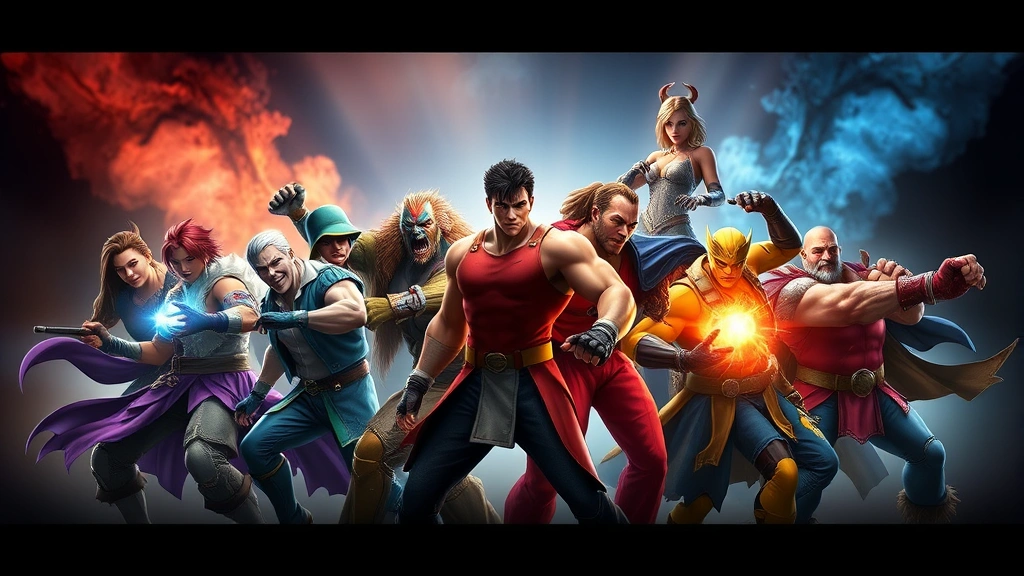
Marvel vs. Capcom 2 represents one of the fighting game genre’s most ambitious and beloved entries, featuring an unprecedented 56-character roster at launch. The game’s tag-team mechanics allowed players to build custom three-character teams, creating virtually infinite team combinations and strategic possibilities. This flexibility made the game endlessly entertaining, as players constantly discovered new synergies and team compositions.
The Dreamcast version delivered the arcade experience with minimal compromises, featuring the same fast-paced action, explosive special effects, and competitive depth that made it a tournament staple. The game’s accessible mechanics allowed casual players to enjoy themselves while providing sufficient technical complexity for competitive players to master. The visual spectacle, with screen-filling effects and rapid character changes, created an entertaining experience even for spectators.
MvC2 became a cultural phenomenon within fighting game communities, spawning countless memorable moments and competitive memories. The game’s influence on team-based fighting game design remains profound, with developers still attempting to capture the magic that made MvC2 special. For fighting game enthusiasts exploring classic gaming experiences, MvC2 stands as an essential entry that defined an era.
Resident Evil: Code Veronica
Resident Evil: Code Veronica represented a significant technological leap for the survival horror franchise, utilizing the Dreamcast’s capabilities to deliver enhanced visuals and improved gameplay refinements. The game continued the series’ signature blend of exploration, puzzle-solving, and combat, but with more polished mechanics and impressive environmental detail. The console’s hardware enabled more detailed character models and environments, creating a more immersive horror experience.
The game’s dual-protagonist system, featuring both Claire and Chris, provided varied perspectives on the unfolding mystery. This narrative approach added replay value, as players discovered different story elements depending on their chosen character. The challenging puzzles, limited resources, and threatening enemies created genuine tension and engagement throughout the experience.
Code Veronica proved the Dreamcast could deliver AAA horror experiences that rivaled other platforms, showcasing the console’s technical prowess. The game remains a highlight of the Dreamcast’s library, appealing to horror enthusiasts and action-adventure fans alike. Its influence on survival horror design demonstrates how technical capabilities can enhance genre conventions while maintaining the core elements that make those genres special.
Skies of Arcadia
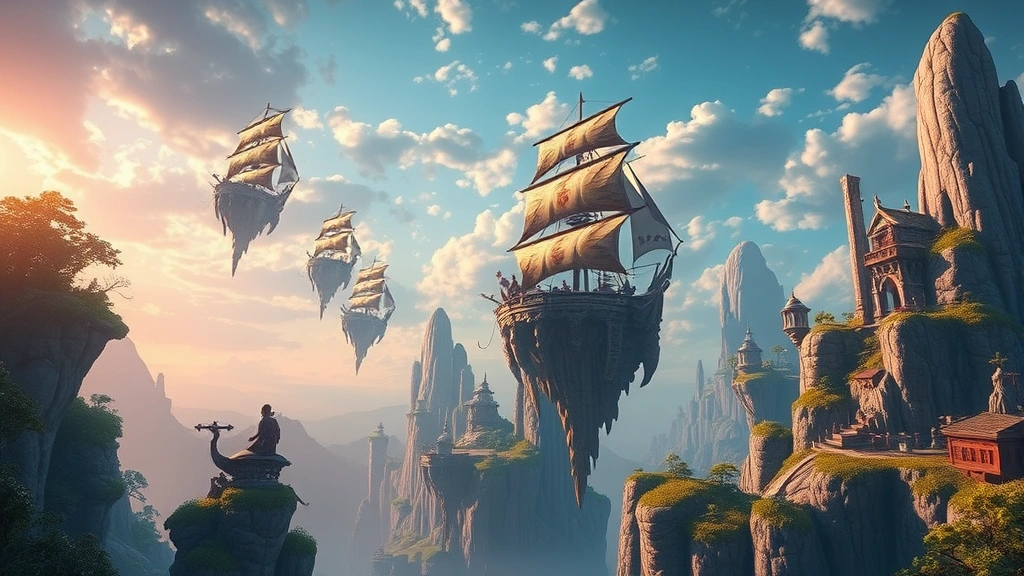
Skies of Arcadia delivered a sprawling fantasy RPG experience that showcased the Dreamcast’s ability to handle ambitious, content-rich games. The game’s engaging story, memorable characters, and innovative ship-based exploration created a unique adventure that stood apart from traditional fantasy RPGs. Players controlled Vyse, a sky pirate exploring a world of floating islands, uncovering mysteries and building alliances across diverse civilizations.
The turn-based combat system incorporated crew members and special abilities, adding tactical depth to encounters. The game’s beautiful art direction, featuring hand-drawn character designs and colorful environments, created a distinctive visual style that aged gracefully. The engaging narrative, filled with humor, drama, and character development, kept players invested throughout the substantial campaign.
Skies of Arcadia demonstrated that RPGs could thrive on the Dreamcast despite the console’s shortened lifespan. The game’s critical acclaim and devoted fanbase led to a GameCube remake, but many enthusiasts prefer the original Dreamcast version. For fans of engaging story-driven experiences, Skies of Arcadia remains an essential adventure that rewards investment with memorable moments and satisfying character arcs.
Phantasy Star Online
Phantasy Star Online revolutionized online gaming, introducing console players to seamless multiplayer RPG experiences through the Dreamcast’s internet connection. This pioneering title demonstrated the potential of online gaming during the console’s lifespan, creating communities that thrived for years. Players cooperated in dungeon-crawling missions, collecting loot and experiencing progression systems that encouraged repeated playthroughs.
The game’s accessibility made it welcoming to RPG newcomers, while the deep itemization and character customization options provided sufficient complexity for dedicated players. The community aspects—teaming with other players, trading items, competing in rankings—created social bonds that extended beyond individual gameplay sessions. PSO established templates that modern online games still follow, proving that online experiences could enhance rather than replace traditional gaming enjoyment.
Though the original servers have long since shut down, private servers and emulation have kept PSO alive, allowing new players to experience what made this title revolutionary. The game’s influence on online gaming design remains profound, with developers continuing to implement systems PSO pioneered. For those interested in gaming history and online gaming evolution, Phantasy Star Online represents a crucial milestone in interactive entertainment.
Other Notable Titles
Beyond the major titles, the Dreamcast library contains numerous hidden gems deserving recognition. Soul Calibur stands as one of the finest 3D fighting games ever created, with responsive controls and beautiful character designs. Grandia II delivered engaging JRPG gameplay with impressive visuals and a compelling story. Seaman offered an unconventional experience featuring a talking fish that interacted with players through voice recognition—genuinely innovative and surprisingly entertaining.
Daytona USA brought arcade racing perfection to the console, while Virtua Tennis established templates that sports game developers continue following. Rez created a synesthetic gaming experience combining music, visuals, and gameplay into a unified artistic statement. Ecco the Dolphin: Defender of the Future offered unique exploration gameplay, and Record of Lodoss War provided tactical RPG experiences for strategy enthusiasts.
The Dreamcast’s library demonstrates remarkable diversity, with something appealing to virtually every gaming preference. Whether seeking action, strategy, sports, or experimental experiences, the console offered quality titles across genres. This variety explains the devoted fanbase that continues celebrating the Dreamcast decades after its discontinuation, as players remember the console’s unique identity and creative ambitions.
FAQ
What made the Dreamcast special compared to other consoles?
The Dreamcast pioneered online console gaming, featured an exceptional library of exclusive titles, and took creative risks other manufacturers avoided. Its arcade-focused design and innovative controller made it distinctive, while developers embraced the console’s unique capabilities to create unforgettable experiences. The combination of cutting-edge technology and creative ambition created gaming’s most beloved cult classic.
Are Dreamcast games still playable today?
Yes, through multiple methods. Original hardware remains functional and available secondhand, though prices have increased significantly. Emulation software allows playing Dreamcast games on modern computers, while some titles have received official re-releases on other platforms. IGN maintains comprehensive guides for preserving and playing classic Dreamcast titles.
Which Dreamcast game should beginners start with?
Sonic Adventure offers an excellent starting point with its accessible gameplay and impressive presentation. Crazy Taxi provides immediate enjoyment without requiring significant time investment. For story-focused experiences, Shenmue creates an immersive world that captivates newcomers. Choose based on your preferred genre, and you’ll discover why the Dreamcast maintains such passionate support.
Why did the Dreamcast fail commercially?
Multiple factors contributed, including the PlayStation 2’s announcement, online gaming infrastructure challenges, DVD format competition, and market timing. The console released during significant industry transition, facing competitors with stronger financial backing and established game libraries. Despite commercial failure, the Dreamcast’s cultural impact and dedicated fanbase demonstrate that commercial success doesn’t determine lasting legacy.
How does the Dreamcast compare to modern consoles?
While technologically inferior, the Dreamcast’s game design philosophy emphasizes fun and creativity over graphical prowess. Many Dreamcast titles feature superior game design compared to contemporary releases, proving that engaging mechanics matter more than processing power. The console’s library remains relevant because great game design transcends hardware limitations. Check out GameSpot for modern perspective on classic gaming.
Should I buy a Dreamcast console today?
If you appreciate retro gaming and don’t mind higher prices, acquiring a Dreamcast offers genuine value. Original hardware provides authentic experiences unavailable through emulation. However, emulation offers more accessible entry points, allowing you to explore the library affordably before investing in original hardware. Both approaches provide rewarding experiences for different preferences and budgets.
What future plans exist for Dreamcast games?
While new official releases seem unlikely, ongoing emulation improvements, preservation efforts, and fan communities ensure these games remain playable. Dedicated communities continue developing tools and resources for preserving the Dreamcast legacy. Modern indie developers frequently cite Dreamcast games as inspirations, ensuring the console’s creative spirit influences future gaming.

