Top Sonic Games Ever? Fan Favorites Revealed
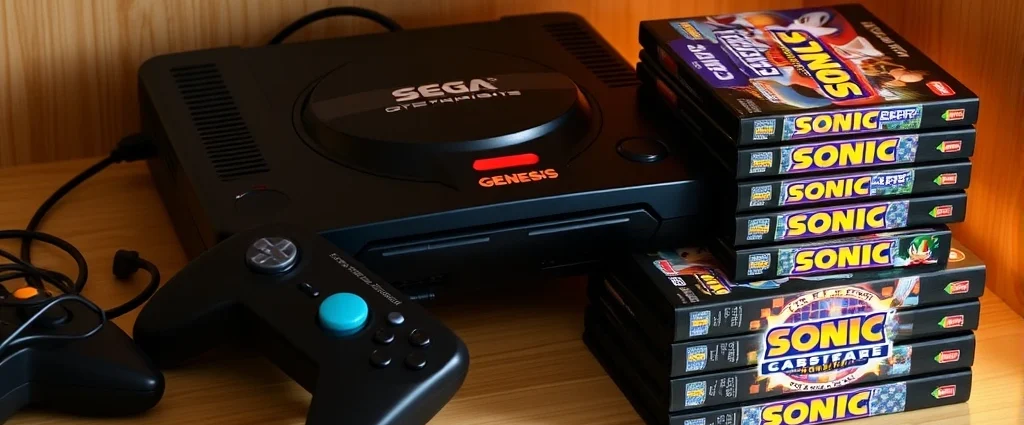
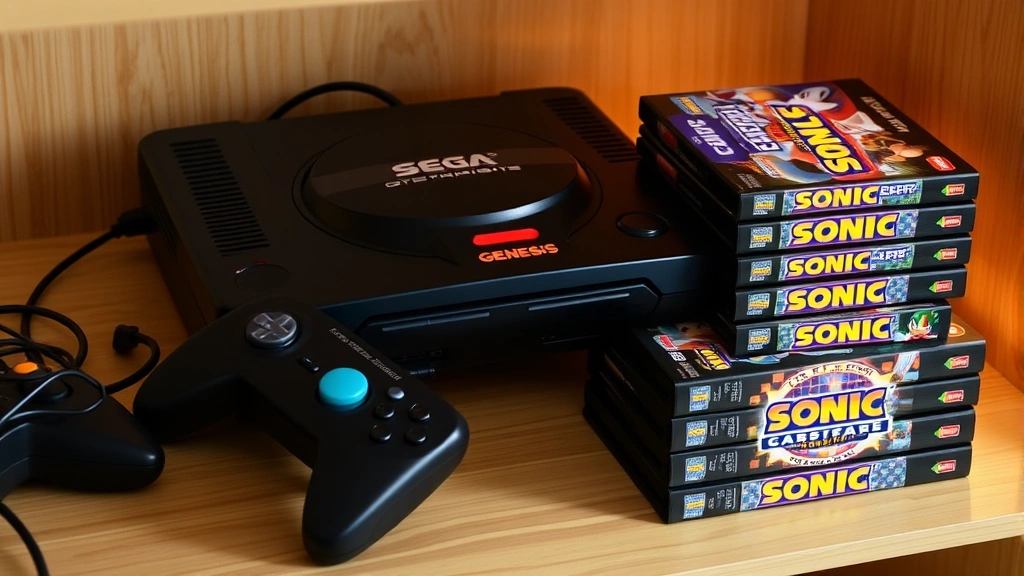
Sonic the Hedgehog has been racing through our hearts and gaming libraries for over three decades, and the debate about the best Sonic games never gets old. From lightning-fast 2D platformers to ambitious 3D adventures, this blue speedster has delivered some of the most iconic gaming moments in history. Whether you’re a longtime fan who remembers blowing into cartridges or a newer generation discovering these classics through modern ports, there’s something undeniably special about Sonic’s legacy in gaming culture.
The franchise has produced countless titles across multiple generations of consoles, each bringing their own flavor of high-speed action and memorable soundtracks. Some games redefined what we expected from the series, while others became cult classics that fans defend passionately in online forums. This comprehensive guide explores the fan-favorite Sonic games that have earned their place in gaming history, breaking down what makes each title special and why they continue to resonate with players worldwide.
Sonic the Hedgehog 2: The Game Changer
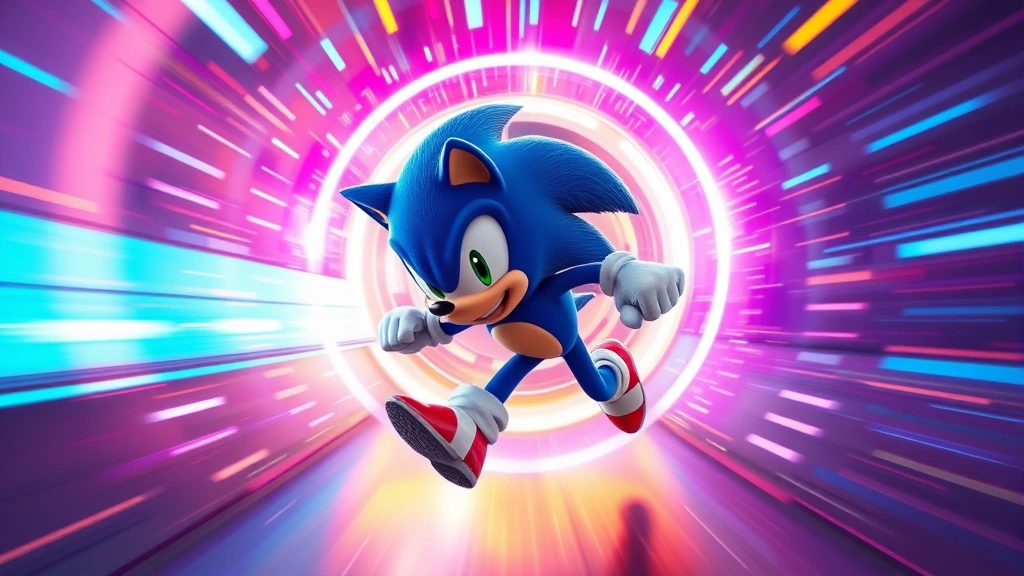
When Sonic the Hedgehog 2 launched in 1992, it wasn’t just a sequel—it was a phenomenon. This Genesis masterpiece introduced Tails, Sonic’s adorable two-tailed fox companion, and fundamentally changed how players experienced the series. The addition of a second playable character brought new gameplay dynamics and opened doors for cooperative play that fans had been craving. The level design was tighter, the controls more responsive, and the overall package felt like a significant leap forward from the original.
What makes Sonic 2 so beloved is its perfect balance between speed and challenge. Zones like Chemical Plant and Aquatic Ruin became instantly iconic, featuring water mechanics and loop-de-loops that showcased the Genesis’s capabilities. The soundtrack, composed by Masato Nakamura, remains one of the most memorable in video game history. Players spent countless hours collecting Chaos Emeralds, discovering secret shortcuts, and attempting to achieve the perfect speedrun through each level. The game’s influence on the gaming industry’s approach to sequels cannot be overstated.
The two-player competitive mode deserves special mention—it was genuinely fun, introducing concepts that influenced multiplayer game design for years to come. Many fans consider Sonic 2 the definitive classic Sonic experience, and its continued popularity on modern platforms proves its timeless appeal. Whether you’re playing the original cartridge or the updated versions available on modern consoles, this game remains an essential entry in any Sonic fan’s collection.
Sonic CD: Time Travel Perfection
Sonic CD stands as one of gaming’s most unique and underrated masterpieces. Released on the Sega CD in 1993, this title took the Sonic formula and added a mind-bending time-travel mechanic that set it apart from everything else in the series. Players could travel between past, present, and future versions of each zone, with the goal of destroying robot generators in the past to create better futures. This innovative gameplay hook wasn’t just gimmicky—it was genuinely engaging and rewed exploration in ways that few games had achieved.
The visual presentation was absolutely stunning for the era, featuring pre-rendered backgrounds and animations that made Sonic CD feel like a living cartoon. The Japanese soundtrack by Kenji Ogata and Naoki Yasuda is often considered superior to its American counterpart, featuring dreamy, atmospheric compositions that perfectly complemented the game’s unique aesthetic. Levels like Stardust Speedway and Metallic Madness became legendary among fans, offering intricate level design that rewarded skilled players with hidden pathways and secret shortcuts.
What’s remarkable is how well Sonic CD has aged. The time-travel mechanic remains fresh and engaging, and modern re-releases have introduced quality-of-life improvements that make the game more accessible without compromising its original charm. Fans often cite this game as proof that the Sonic franchise was capable of genuine innovation, and its cult status has only grown stronger over the years. If you haven’t experienced Sonic CD, modern ports on PlayStation, Xbox, and Nintendo Switch make it more accessible than ever.
Sonic Adventure 2: The 3D Peak
Sonic Adventure 2 represents the franchise’s most ambitious and successful venture into three-dimensional gaming. Released on the Dreamcast in 2001, this game featured a split narrative between Sonic and Shadow the Hedgehog, offering multiple gameplay styles that kept the experience fresh throughout. While the game wasn’t without its quirks—particularly the infamous whale-riding sections and some questionable camera angles—it captured something magical that resonated with fans for decades.
The game’s story was genuinely engaging, featuring top-notch voice acting and cutscenes that felt cinematic for the era. Shadow’s introduction as Sonic’s dark counterpart became one of the most significant character additions to the franchise, and his gameplay segments offered a different flavor that complemented Sonic’s speed-focused levels. The Chaos Emerald hunting stages provided puzzle-solving variety, while Tails and Eggman’s mech sections offered surprising depth and challenge.
What truly elevated Sonic Adventure 2 was its incredible soundtrack. Composed by Fumie Kumatsu, Jun Senoue, and others, the music perfectly captured the game’s epic scope. Tracks like “Live and Learn” and “Escape from the City” became fan favorites that are still celebrated in the gaming community today. The multiplayer modes were surprisingly robust, offering competitive experiences that extended the game’s lifespan significantly. Many fans consider this the peak of 3D Sonic, and its influence on subsequent entries in the franchise cannot be ignored. For more insights into how 3D gaming has evolved, check out our guide to modern gaming experiences.
Sonic Mania: Retro Renaissance
Sonic Mania arrived in 2017 like a gift from the gaming gods, proving that classic Sonic could still captivate modern audiences. Developed by Christian Whitehead and the team at Headcannon, this game was a love letter to classic Sonic, featuring both reimagined classic zones and entirely new levels that felt like they belonged in the Genesis era. The pixel art was absolutely gorgeous, with smooth animations and vibrant colors that made every level feel alive and welcoming.
What made Sonic Mania special was its commitment to pure, unadulterated Sonic gameplay. No gimmicks, no unnecessary mechanics—just tight platforming, clever level design, and the kind of speed that made you feel genuinely skilled when you nailed a perfect run. The game featured multiple playable characters, each with unique abilities that offered different ways to approach the same levels. Sonic’s spin dash, Tails’ flight, and Knuckles’ gliding created replay value that extended well beyond the initial playthrough.
The soundtrack, composed by Tee Lopes, was phenomenal, offering both classic remixes and original compositions that captured the spirit of classic Sonic music. Competitive and cooperative multiplayer modes provided additional entertainment, though it was the single-player experience that truly shined. Sonic Mania proved that the franchise didn’t need cutting-edge graphics or complex mechanics to be relevant—it just needed solid fundamentals and a genuine understanding of what made Sonic special in the first place. This game revitalized fan faith in the franchise and demonstrated that classic Sonic could still deliver magic.
Sonic Generations: Nostalgia Meets Innovation
Sonic Generations cleverly bridged classic and modern Sonic by literally having both versions of the character appear in the same game. Released in 2011, this celebration of Sonic’s 20th anniversary featured reimagined classic levels playable from both the classic 2D perspective and the modern 3D viewpoint. This dual approach allowed both longtime fans and newer players to experience the franchise’s history while enjoying contemporary gameplay mechanics.
The level design in Sonic Generations was exceptionally clever, with developers creating versions of classic zones that worked equally well in both 2D and 3D formats. Chemical Plant, Green Hill, and Sky Sanctuary zones became showcases for how thoughtfully the game was designed. The modern Sonic sections offered the kind of high-speed 3D action that fans had come to expect, while the classic sections proved that 2D Sonic still had plenty of life left in it. The game struck a remarkable balance between honoring the past and moving forward.
Visually, Sonic Generations was a treat, with each zone featuring detailed environments and smooth animations that made the game feel premium. The soundtrack expertly blended classic themes with modern arrangements, creating an audio experience that felt both familiar and fresh. Boss battles against classic Sonic villains were genuinely challenging and memorable, particularly the final confrontations. While the game wasn’t perfect—some modern sections could feel a bit clunky—it represented the franchise at a confident point, unafraid to celebrate its legacy while pushing forward. Fans continue to return to Sonic Generations as a masterclass in how to handle anniversary celebrations in gaming.
Sonic Colors: The Wiimote Wonder
Sonic Colors proved that the Wii’s motion controls could actually enhance a Sonic game rather than detract from it. Released in 2010, this colorful adventure featured Sonic absorbing different colored wisps that granted temporary power-ups, fundamentally changing how players approached level design. The game was vibrant, charming, and genuinely fun, offering a refreshing take on the modern Sonic formula that many fans had grown tired of.
The level design was phenomenal, with each zone offering multiple paths and secrets that rewarded exploration and experimentation. The wisps weren’t just gimmicks—they were integral to the experience, offering laser powers, drilling abilities, and other transformations that created engaging puzzle-solving moments alongside the high-speed action. The game’s presentation was top-tier, featuring a beautiful art style and an exceptional soundtrack by Jun Senoue and others that perfectly complemented the game’s cheerful tone.
What made Sonic Colors special was its willingness to have fun with the Sonic formula without sacrificing the core speed and platforming that fans loved. The game respected player skill, offering challenge for those who sought it while remaining accessible to casual players. Boss battles were creative and engaging, utilizing the wisp powers in interesting ways. While the Wii version is the most remembered, the DS version offered an entirely different experience that was equally well-regarded. Sonic Colors represented a moment when the franchise seemed to have rediscovered its footing, delivering genuine quality that satisfied fans across the board.
Honorable Mentions
The Sonic franchise has produced numerous other titles that deserve recognition. Sonic the Hedgehog 3 and its lock-on game Sonic & Knuckles continued the Genesis legacy with impressive level design and introduced Knuckles as a playable character. Sonic Unleashed attempted to bring Sonic into the modern era with mixed results, but its daytime stages were genuinely excellent, and the game’s commitment to high-speed action was admirable. Sonic Lost World offered a unique 3D perspective that didn’t quite land with everyone but had its dedicated fans.
Sonic Frontiers, the latest mainline entry, represents an exciting new direction for the franchise, bringing open-world exploration to Sonic’s universe. While opinions are mixed, the game’s ambition and willingness to experiment with the formula have earned it respect among fans. For those interested in how different franchises approach their evolution, our indie games guide showcases how smaller studios innovate within their chosen genres.
Mobile games like Sonic Dash and Sonic Forces: Speed Battle have introduced the franchise to new audiences, while various spin-offs have offered different gameplay experiences. The breadth of Sonic’s catalog ensures there’s something for everyone, whether you prefer classic 2D platforming or modern 3D adventures. Each game, even the ones that didn’t quite land with critics, contributed to the franchise’s rich history and diverse legacy.
FAQ
What is the best Sonic game of all time?
This depends on personal preference. Sonic the Hedgehog 2 is often cited as the definitive classic experience, while Sonic Adventure 2 represents the peak of 3D Sonic. Sonic Mania appeals to those wanting pure classic Sonic gameplay, and Sonic Generations offers a unique blend of both eras. Each appeals to different fan preferences, and there’s no universally agreed-upon “best” game.
Are classic Sonic games still playable on modern consoles?
Yes! Most classic Sonic titles are available on modern platforms through various re-releases and compilations. Sonic Mania, Sonic Generations, and individual classic ports are available on PlayStation, Xbox, Nintendo Switch, and PC. These modern versions often include quality-of-life improvements while preserving the original experience.
Why do fans debate Sonic games so much?
The Sonic franchise has experienced significant ups and downs throughout its history, with games ranging from universally praised masterpieces to critically panned disappointments. This inconsistency has created passionate fan communities with varying opinions about which games represent “true” Sonic. Additionally, the franchise’s identity has shifted between classic 2D platforming and modern 3D action, leading to different preferences among fan groups.
Should I play Sonic games in release order?
Not necessarily. Each Sonic game stands alone reasonably well, so you can jump into any title that interests you. However, playing in release order does provide a fascinating perspective on how the franchise evolved. If you want to understand the franchise’s history, starting with Sonic 2 and progressing through the generations provides excellent context.
Are there any upcoming Sonic games to look forward to?
Sonic Frontiers has recently launched as the latest mainline entry, and Sega has indicated plans for future Sonic projects. The franchise appears to be in an experimental phase, exploring new gameplay directions and storytelling approaches. For updates on upcoming releases, check official Sonic social media channels and gaming news outlets like IGN and GameSpot.
Which Sonic game is best for newcomers?
Sonic Mania is excellent for newcomers interested in classic Sonic, offering modern polish applied to timeless gameplay. For those preferring modern experiences, Sonic Generations provides an accessible entry point that teaches both classic and contemporary Sonic mechanics. Sonic Colors is also beginner-friendly with its charming presentation and well-designed difficulty progression.
External Resources: For more information about Sonic games and the gaming industry, check out IGN’s Sonic coverage, GameSpot’s database, and the official Sega website for latest news and releases.