
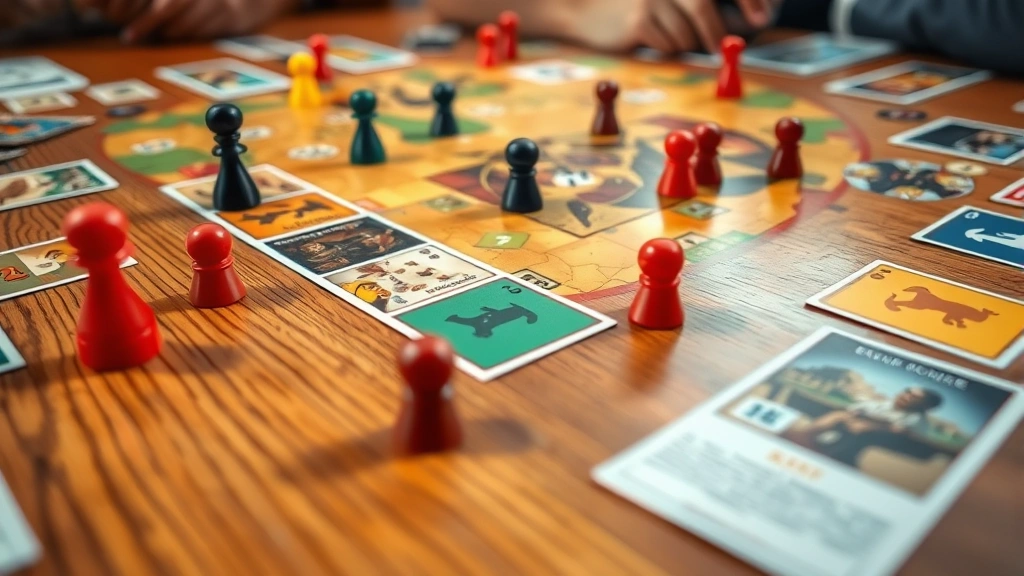
Top Two-Player Board Games: Expert Choices for Strategic Entertainment
Board games have experienced a remarkable renaissance in recent years, and two-player games represent one of the most thriving segments of the hobby. Whether you’re looking for intimate strategic duels, cooperative adventures, or competitive head-to-head battles, the modern board game landscape offers unprecedented variety and quality. Unlike video games where you might explore the best games available digitally, board games offer something uniquely tactile and social—a chance to engage directly with an opponent across a table without screens mediating the experience.
The best two-player board games combine elegant mechanics, meaningful decision-making, and engaging themes that keep both players invested from the opening move to the final victory condition. Whether you’re a seasoned tabletop enthusiast or someone just discovering the joy of modern board gaming, this comprehensive guide showcases the top two-player board games that have earned recognition from gaming experts and passionate communities worldwide. We’ve carefully curated selections that balance accessibility with strategic depth, ensuring there’s something for every type of gamer.
Classic Strategy Masterpieces
When discussing the best two player board games, certain titles have stood the test of time through decades of play. These classic strategy games have influenced countless modern designs and remain competitive choices for serious board gamers. Chess remains the ultimate two-player strategy experience, offering infinite complexity within elegant rules. However, for those seeking something more contemporary with similar depth, Twilight Struggle stands as a modern masterpiece that simulates the Cold War with remarkable thematic integration.
Twilight Struggle combines card-driven mechanics with area control, creating a game where every decision carries weight and historical significance. Players represent either the United States or Soviet Union, competing for global influence across multiple rounds representing decades of geopolitical tension. The game’s brilliance lies in how it balances luck and skill—while card draws introduce unpredictability, strategic positioning and careful planning determine winners. Expert players appreciate how the game’s design mirrors actual Cold War tensions, making each session feel like a meaningful historical simulation.
Another foundational classic is Go, an ancient game that continues to captivate players with its beautiful simplicity and profound strategic complexity. Like Chess, Go rewards players who think multiple moves ahead, but its territory-control mechanics create entirely different strategic landscapes. Modern board gamers also appreciate Agricola: All Creatures, which is specifically designed for two players and combines worker placement with pastoral farm management themes.
Modern Competitive Duels
Contemporary board game design has produced remarkable two-player experiences that rival classics in strategic depth while offering fresh mechanics and themes. 7 Wonders Duel represents one of the most acclaimed modern designs, distilling the civilization-building genre into a perfect two-player experience. Unlike the original 7 Wonders, which plays with three to seven players, this version maintains all the strategic richness while creating direct player interaction through its unique card drafting system.
In 7 Wonders Duel, players simultaneously develop their civilizations across three ages, constructing buildings, scientific advances, and military might. The card selection mechanism—where players alternate choosing from a face-up tableau—creates constant tension and decision-making. You must balance your development needs against blocking opponent strategies, making every selection meaningful. The game includes multiple victory paths: military dominance, scientific advancement, or civilian development, giving players diverse strategic approaches.
Patchwork offers a completely different experience with its quilting-themed mechanics. Don’t let the cozy aesthetic fool you—this is a ruthlessly competitive game of spatial reasoning and resource management. Players compete to create the most valuable quilt patch by patch, managing limited time tokens and fabric squares. The game’s elegance lies in its simplicity: just a few rules create genuinely difficult decisions and satisfying gameplay.
For those interested in more complex competitive experiences, Food Chain Magnate and 18 Chesapeake offer economic simulations with incredible depth. These games appeal to players who enjoy complex systems and emergent gameplay, though they’re better suited for experienced gamers comfortable with longer play sessions and intricate rules.
Hive provides abstract tactical gameplay reminiscent of Chess but with completely different mechanics. Players control bug armies, moving pieces around a hexagonal grid to surround the opponent’s queen bee. The game’s elegance and portability make it perfect for competitive players who want deep strategy in a pocket-sized package.
Cooperative Two-Player Adventures
Not all two-player games require defeating an opponent—some of the most engaging experiences involve working together against the game itself. Pandemic stands as the gold standard for cooperative gaming, and while it supports two to four players, it works exceptionally well with just two. Players assume roles as disease-fighting specialists working to contain outbreaks across a global map. The game’s difficulty scales beautifully, allowing players to adjust challenge levels based on experience.
The cooperative nature of Pandemic creates a fundamentally different dynamic than competitive games. Players discuss strategies openly, plan moves together, and celebrate victories as a team. This makes it perfect for couples, friends, or family members who want to bond over gaming rather than compete directly. The game also includes multiple expansions that add new mechanics and scenarios, extending replay value significantly.
Gloomhaven offers a deeper cooperative experience with campaign elements and character progression. While it supports multiple players, the two-player experience is exceptionally well-balanced. Players control adventurers exploring a dark fantasy world, completing scenarios that advance an overarching narrative. The game combines tactical combat with role-playing elements, creating immersive storytelling alongside strategic gameplay.
For those seeking lighter cooperative experiences, Codenames Duet adapts the popular Codenames party game into a two-player cooperative format. Players work together as intelligence agents, decoding secret identities through carefully chosen one-word clues. The game’s accessibility and quick play time make it perfect for casual gaming sessions.
Jaipur occupies an interesting middle ground—while technically competitive, it emphasizes trading and negotiation between players rather than direct conflict. Players represent merchants competing for profit in an Indian market, buying and selling goods strategically. The game’s push-your-luck elements and trading mechanics create engaging player interaction.
Abstract Games for Pure Strategy
Abstract games strip away theme to focus entirely on mechanical elegance and strategic depth. Azul represents modern abstract design at its finest, combining beautiful aesthetics with surprisingly deep tactics. Players draft tiles to create patterns on their player boards, earning points for completed rows and columns. While simple to learn, Azul rewards careful planning and position awareness.
The game’s elegance comes from how its central mechanism—the tile display—creates constant tension. As you take tiles for your tableau, you’re also determining which tiles become available to your opponent. This simultaneous consideration of your needs and opponent blocking creates constant engagement. Azul’s beauty and accessibility have made it a gateway game for many modern board gamers.
Oink Games specializes in minimalist abstract games perfect for two players. Tak: A Beautiful Game is their masterpiece—a strategic territory game played with stone pieces on a grid. Players build towers and control territories, creating a game that feels like Chess’s innovative cousin. The game’s portable size belies its strategic complexity.
For players interested in exploring cutting-edge abstract design, Shogun and El Grande offer area control mechanics with beautiful balance. These games emphasize positional play and long-term planning, rewarding players who think several moves ahead. They’re particularly appealing to Chess players seeking board game alternatives.
Damashii offers a completely different abstract experience based on bluffing and deduction. Players secretly select actions that might conflict with opponents, creating games of psychological warfare and calculated risk. This makes it perfect for players who enjoy the mental chess of reading opponents and managing information.
Thematic Games with Immersive Worlds
Some of the best two player board games prioritize atmospheric storytelling and thematic immersion. Sherlock Holmes: Consulting Detective creates a unique deduction experience where players work together solving mysteries in Victorian London. Rather than traditional game mechanics, players read narrative passages and follow clues, making deductive leaps to solve cases. This creates gaming experiences closer to interactive fiction than traditional board games.
The genius of Sherlock Holmes: Consulting Detective lies in how it respects player intelligence. There are no arbitrary rules preventing logical solutions—if you can deduce the answer, you’ve won. This creates incredibly satisfying moments where players feel genuinely clever. The game includes dozens of cases, providing tremendous replay value and variety.
Mansions of Madness: Second Edition offers a different thematic approach, combining horror atmosphere with puzzle-solving gameplay. One player controls the mansion and cultists while the other investigates supernatural mysteries. This asymmetrical gameplay creates unique tension and engagement, as players have completely different objectives and information.
Lettice Drag Race and Inis offer thematic experiences with strong mechanical foundations. Inis particularly stands out, combining area control with Celtic mythology to create an elegant yet thematically rich experience. The game’s beautiful artwork and components enhance the immersive experience.
For players seeking story-driven experiences, Arkham Horror: The Card Game provides campaign-based gameplay where player choices shape the narrative. This living card game model allows for evolving storylines and character development across multiple sessions, creating investment in outcomes beyond simple victory.
Quick-Play Games for Casual Sessions
Not every gaming session requires hours of commitment. Some of the best two player board games deliver engaging experiences in thirty minutes or less. Love Letter exemplifies how simple mechanics can create engaging deduction gameplay. Players hold single cards and deduce opponents’ hands through elimination and careful bluffing. Despite its brevity, Love Letter creates memorable moments and competitive tension.
Similar quick-play experiences include Coup, which combines bluffing with role-playing mechanics, and The Resistance, which creates social deduction gameplay. These games work perfectly for casual gaming sessions, travel, or warm-up games before longer experiences.
Ticket to Ride: Nordic Countries specifically redesigns the popular railway game for two players, creating direct competition and faster play than the standard version. Players collect cards to claim railway routes across Scandinavia, competing for point-scoring connections.
Splendor provides quick-playing engine-building gameplay where players develop gem-trading empires. The game’s elegant design and reasonable play time make it perfect for casual sessions while maintaining enough strategic depth for serious gamers.
If you enjoy quick games, you might also appreciate exploring cooperative experiences in other gaming mediums, as the principles of engaging short-form gameplay apply across different platforms.
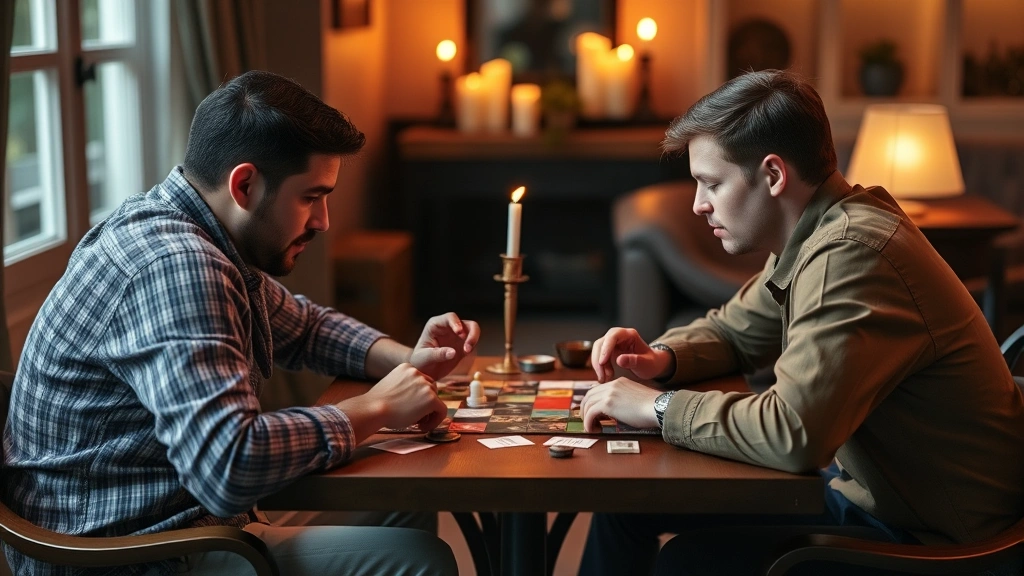
Expanding Your Two-Player Gaming Library
Building a collection of great two-player games requires understanding your preferences and gaming style. Consider what aspects of gaming excite you most: pure strategy, thematic immersion, social interaction, or narrative experience. Many experienced gamers maintain diverse collections that serve different moods and occasions. You might enjoy Twilight Struggle for deep strategic nights, Pandemic for cooperative sessions, and Love Letter for quick casual plays.
When exploring best two player board games, expert recommendations from established gaming media provide valuable guidance. IGN and GameSpot regularly feature board game reviews and recommendations. Additionally, Kickstarter showcases innovative upcoming designs, while BoardGameGeek provides comprehensive databases and community reviews.
The board game industry continues evolving rapidly, with designers constantly pushing mechanical and thematic boundaries. Staying informed about new releases helps you discover games that perfectly match your interests. Many local gaming stores host board game nights where you can try games before purchasing, providing valuable hands-on experience.
Consider exploring the GameForge Daily Blog for ongoing gaming recommendations and insights into the broader gaming landscape. Whether you’re interested in digital gaming or tabletop experiences, understanding different gaming mediums enriches your overall gaming literacy.
The Future of Two-Player Gaming
The resurgence of board gaming shows no signs of slowing, with publishers investing heavily in innovative two-player designs. The success of games like 7 Wonders Duel and Azul demonstrates that there’s substantial market demand for quality two-player experiences. Designers increasingly recognize that creating excellent two-player games requires different design considerations than multiplayer titles.
Asymmetrical gameplay—where players have different abilities, information, or objectives—has become increasingly popular in modern designs. Games like Mansions of Madness and Root use asymmetry to create engaging experiences where both players feel engaged despite having completely different roles. This represents an exciting frontier in board game design.
Digital board game implementations also provide new opportunities for two-player gaming. Platforms offering digital versions of physical games allow playing with remote opponents, expanding the two-player gaming community beyond local groups. This hybrid approach combines the best aspects of digital and physical gaming.
FAQ
What is the best two-player board game for beginners?
Azul stands as the ideal entry point for new board gamers. Its simple rules teach in minutes, beautiful components attract players, and engaging gameplay satisfies both new and experienced gamers. Splendor and Ticket to Ride: Nordic Countries also work wonderfully for beginners seeking accessible yet strategic experiences.
Which two-player board games work best for couples?
Cooperative games like Pandemic and Gloomhaven create bonding experiences where couples work together toward shared objectives. Alternatively, Patchwork and Jaipur offer competitive yet intimate gameplay that encourages engagement and friendly interaction.
How long do the best two-player board games take?
Play times vary dramatically. Quick games like Love Letter finish in 15-20 minutes, while medium games like Azul and Jaipur take 30-45 minutes. Deeper experiences like Twilight Struggle and Gloomhaven require 2-4 hours. Choose based on your available gaming time and attention span.
Are two-player board games different from multiplayer games?
Yes, fundamentally. Two-player games can feature direct player interaction and asymmetrical designs that wouldn’t work with more players. Many popular multiplayer games have dedicated two-player versions optimized for the format. Games designed specifically for two players often feature superior balance and engagement than their multiplayer counterparts.
Where can I find reviews of two-player board games?
BoardGameGeek provides comprehensive databases with thousands of reviews and ratings. Dice Tower offers expert video reviews, while local gaming communities and stores often host demo nights where you can try games before purchasing.
What should I consider when choosing two-player board games?
Evaluate your preferences regarding theme versus abstract mechanics, competitive versus cooperative play, and desired play time. Consider whether you prefer games with luck elements or pure strategy. Reading multiple reviews and watching gameplay videos helps ensure you select games matching your interests.