
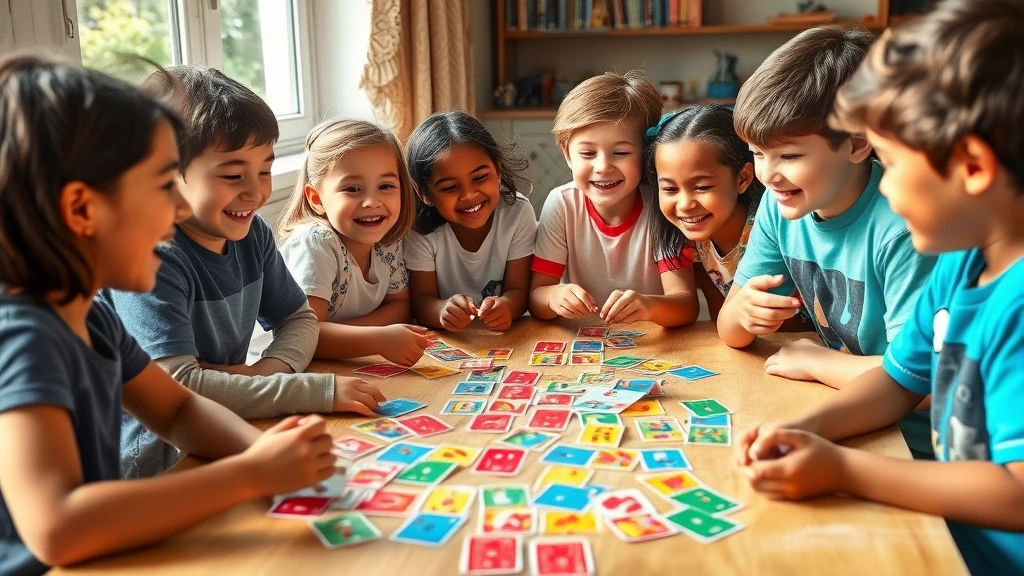
Top Card Games for Kids: Parent-Approved Picks That Deliver Fun and Learning
Finding the right card games for kids can feel overwhelming with countless options flooding the market. Parents want games that are fun, educational, and age-appropriate—without breaking the bank or causing frustration. The good news? There are exceptional card games designed specifically with children in mind that check all these boxes and more. These games develop critical thinking skills, encourage social interaction, and provide hours of entertainment that keep kids away from screens.
Whether you’re shopping for a birthday gift, looking to entertain kids during family game night, or searching for classroom activities, this comprehensive guide covers the best card games for kids across various age groups. We’ve researched popular titles, read parent reviews, and consulted gaming experts to bring you recommendations that parents actually trust. From strategic gameplay to simple fun, you’ll discover options that work for everyone from kindergarteners to teenagers.
Best Card Games for Young Children (Ages 4-6)
Young children need games with simple rules, bright visuals, and quick gameplay to maintain their attention. The best card games for kids in this age group focus on matching, memory, and basic number recognition without overwhelming complexity.
Uno Junior stands as a parent favorite for this age group. This simplified version of the classic Uno features adorable animal characters and larger cards perfect for small hands. The rules are straightforward—match colors or animals—making it accessible for children as young as three. Games typically last 10-15 minutes, ideal for shorter attention spans. Kids learn color recognition, basic strategy, and turn-taking while having genuine fun.
Crazy Eights is another timeless classic that deserves mention. Using a standard deck of playing cards, this game teaches number recognition and basic card manipulation. The simple premise—play cards matching suit or number—appeals to young learners while introducing them to traditional card gameplay. Many parents appreciate that you don’t need specialized decks, making it budget-friendly.
Go Fish remains unbeatable for developing memory skills and early reading abilities. Players search for matching pairs while building patience and social skills. This game works particularly well for one-on-one parent-child bonding time. The flexibility to use regular playing cards or themed decks makes Go Fish endlessly adaptable.
Sequence for Kids combines card playing with board elements, creating engaging multi-sensory gameplay. Children match cards to board spaces, developing spatial reasoning alongside card recognition. The beautiful illustrations and colorful board keep young eyes engaged while building concentration skills.
For parents seeking something slightly more sophisticated, Hoot Owl Hoot offers cooperative gameplay where everyone works together toward a common goal. This removes competitive pressure while teaching collaboration and communication—valuable skills for young learners. The owl-themed aesthetics appeal strongly to preschoolers and kindergarteners.
Top Card Games for Elementary School Kids (Ages 7-10)
Elementary-aged children can handle more complex rules, longer game sessions, and competitive elements. This age group benefits from card games for kids that introduce strategy, probability, and more sophisticated decision-making. Check out our best story games for narrative-driven entertainment options as well.
Splendor has become a gateway game for this demographic. Players take on roles as gem merchants, collecting resources and building their trading empires. The game teaches resource management, strategic planning, and long-term thinking. Despite its depth, the rules remain learnable within 10 minutes, and games conclude in 30 minutes. Parents consistently praise Splendor for engaging kids without feeling like work.
Ticket to Ride: Nordic Countries adapts the popular railway-building game for younger audiences. Players collect cards to claim train routes across Scandinavia. The gameplay introduces geography, planning, and strategic blocking without overwhelming young players. The beautiful board and satisfying gameplay loop keep kids coming back repeatedly.
Love Letter packs incredible depth into a tiny box with only 16 cards. Players deduce opponents’ cards through elimination and careful play, developing logical reasoning and social deduction skills. Games last merely 15 minutes, making it perfect for multiple rounds during game night. The simple mechanics hide surprising strategic complexity that grows as kids play repeatedly.
Sushi Go! introduces drafting mechanics through adorable sushi-themed cards. Players select cards simultaneously, building sets and combinations. This introduces probability, spatial reasoning, and set-building strategy. The colorful artwork appeals to younger players while the gameplay satisfies older elementary kids seeking more challenge.
Exploding Kittens combines humor, strategy, and chaos in fast-paced games lasting 15 minutes. The silly artwork and unpredictable gameplay appeal to kids’ sense of humor while teaching probability and risk assessment. Parents appreciate that games move quickly enough to prevent boredom.
Wizard offers trick-taking gameplay that introduces bidding and prediction. Players bid how many tricks they’ll win, then play to achieve their prediction. This teaches estimation, probability, and consequence understanding. The game scales beautifully for different player counts and ages.
Card Games for Tweens and Teens (Ages 11+)
Older kids crave challenge, strategy, and social interaction. The best card games for kids in this age group offer depth that rewards repeated play and sophisticated decision-making. These games often become lifelong hobbies that extend into adulthood.
Magic: The Gathering Arena represents the modern collectible card game phenomenon. While the physical game can become expensive, Magic teaches deck building, strategy, probability, and resource management at expert levels. Many schools now run Magic clubs, recognizing its educational value. The fantasy setting appeals strongly to this age group’s interests. For digital gaming, check our best indie games for PC for other engaging digital entertainment.
Pokémon Trading Card Game continues dominating with tweens and teens. The collectible aspect drives engagement while gameplay teaches probability, resource management, and strategic thinking. The social element—trading cards and playing with friends—provides significant appeal beyond the game itself. Parents note that Pokémon cards encourage collecting, organization, and mathematical thinking.
Coup delivers social deduction gameplay with exceptional depth. Players claim character roles with special abilities, attempting to eliminate opponents through bluffing and deduction. Games last under 15 minutes but require intense social interaction and strategic thinking. The simplicity masks incredible psychological gameplay.
7 Wonders offers civilization-building gameplay through simultaneous card drafting. Players develop their civilizations across three ages, managing resources and military power. The game introduces complex strategy, long-term planning, and economic thinking. Multiple viable strategies mean different games feel completely different.
Deck-building games like Dominion revolutionized modern board gaming. Players construct decks during gameplay, learning optimization and resource management. The endless combinations and expansions provide virtually unlimited replayability. These games appeal to strategically-minded teens who enjoy optimization puzzles.
Yu-Gi-Oh! maintains passionate followings among teens with its complex mechanics and competitive scene. The game teaches advanced strategy, card interactions, and tournament-level thinking. Organized play opportunities through local game stores provide social outlets and competitive experiences.
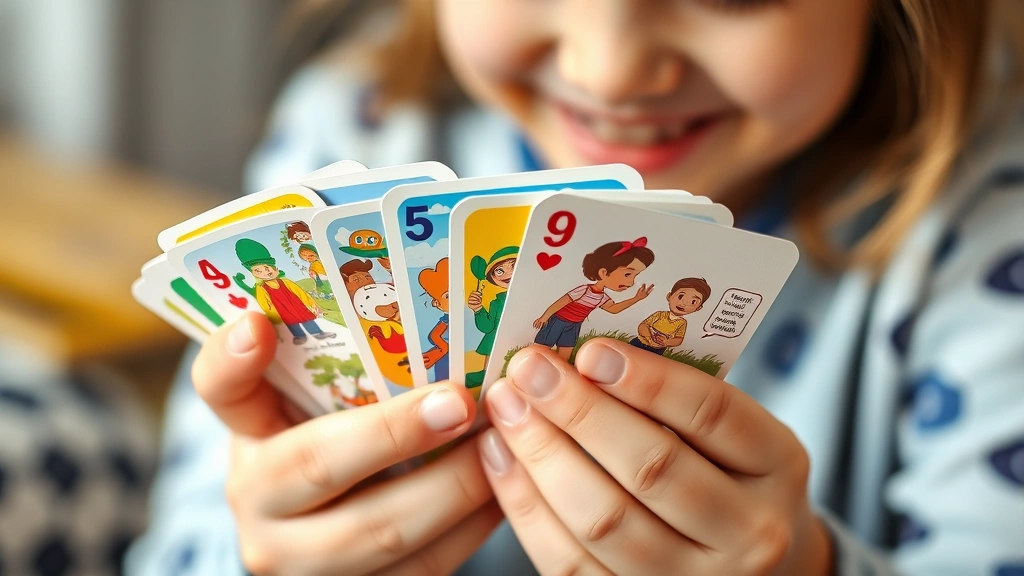
Educational Benefits of Card Games
Beyond entertainment, quality card games for kids deliver substantial educational benefits that parents and educators increasingly recognize. Research from gaming organizations demonstrates that strategic card games develop cognitive skills comparable to traditional educational approaches.
Mathematical Thinking: Card games naturally introduce counting, probability, and strategic calculation. Games requiring bidding, scoring, or resource management teach real-world mathematical applications. Kids develop intuitive understanding of odds and expected value through gameplay.
Social Skills Development: Multiplayer card games require communication, negotiation, and conflict resolution. Players learn to handle winning gracefully and losing constructively. Turn-taking and rule-following develop naturally through gameplay rather than explicit instruction.
Strategic Thinking: Games rewarding planning ahead develop executive function and long-term thinking. Players learn to anticipate consequences and adjust strategies based on new information. This mirrors real-world decision-making processes.
Reading Comprehension: Card games with text elements require careful reading and interpretation. Children develop vocabulary through game terminology while practicing reading under engaging circumstances.
Emotional Regulation: Playing games teaches managing emotions during competition. Kids learn resilience through losing and develop patience waiting for turns. Games provide safe environments for experiencing and processing various emotions.
Teachers increasingly incorporate card games into curricula because they deliver educational benefits while maintaining genuine engagement. Games like Quiddler teach spelling and vocabulary, while Rummikub introduces set-building and pattern recognition.
How to Choose the Right Game for Your Child
Selecting appropriate card games for kids requires considering several factors beyond simply picking popular titles. Understanding your child’s preferences, skill level, and developmental stage ensures better success and enjoyment.
Age Appropriateness: Always check manufacturer recommendations, but also consider your specific child’s maturity level. Some seven-year-olds handle complex games while others prefer simpler gameplay. Read detailed reviews describing actual gameplay to make informed decisions.
Interest and Themes: Games featuring themes your child loves—animals, fantasy, space, superheroes—generate more enthusiasm. A child obsessed with dinosaurs will engage more deeply with dinosaur-themed games than generic titles.
Player Count and Group Dynamics: Consider whether your child plays primarily with siblings, friends, or parents. Some games shine with exactly three players while others accommodate two to six players. Knowing your typical gaming group ensures good experiences.
Game Length: Younger children need shorter games maintaining attention. Older kids often prefer longer, deeper experiences. A 45-minute game frustrates a six-year-old but delights a twelve-year-old.
Competitive vs. Cooperative: Some children thrive on competition while others prefer cooperative gameplay. Understanding your child’s personality prevents purchasing games creating stress rather than fun.
Budget Considerations: Card games range from free (using standard decks) to expensive collectible games. Many exceptional games cost $15-30, offering excellent value. Starter decks for collectible games cost less than full competitive decks.
Visiting local game stores where staff can demonstrate games helps tremendously. Many stores host family game nights where you can try games before purchasing. This investment prevents buying games your family won’t enjoy.
Tips for Game Night Success
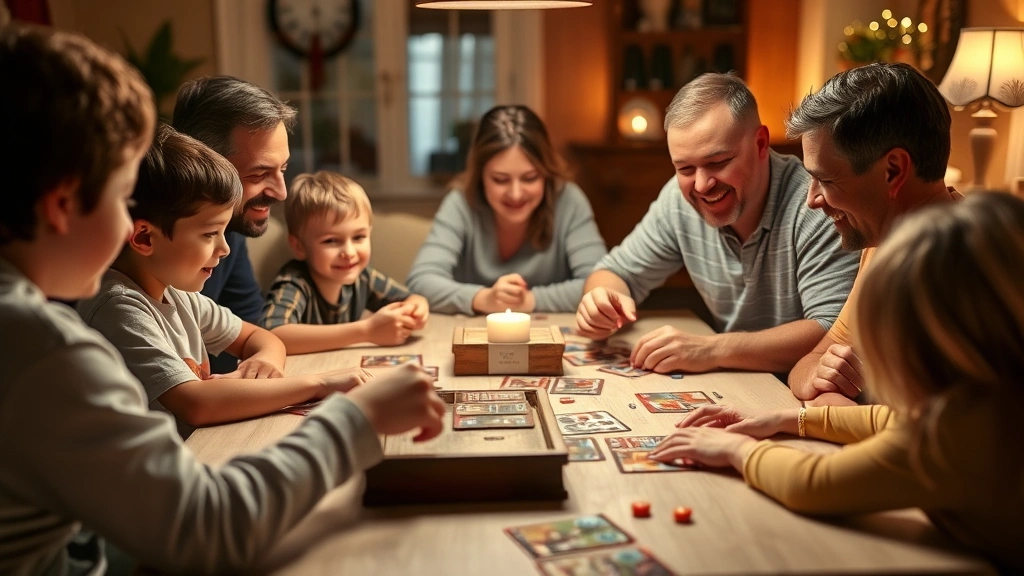
Owning great card games for kids is only half the equation. Creating positive game night experiences requires intentional effort and the right environment.
Start Simple: Begin with easy-to-teach games before advancing to complex ones. Let kids experience success building confidence and enthusiasm. Complex games become more enjoyable once basic gaming skills develop.
Explain Rules Clearly: Walk through examples before actual gameplay. Many rule misunderstandings create frustration. Playing the first round practice-style where everyone learns together reduces confusion.
Maintain Positive Attitudes: Emphasize fun over winning. Celebrate good plays regardless of who makes them. Model good sportsmanship by losing gracefully and congratulating winners genuinely. Kids mirror parental attitudes toward competition.
Eliminate Distractions: Silence phones, turn off screens, and create dedicated game space. Focused attention enhances enjoyment and prevents frustration from forgotten rules or missed turns.
Keep Sessions Reasonable: Stop while still having fun rather than playing until boredom sets in. Multiple shorter sessions beat marathon games that wear everyone out.
Rotate Games Regularly: Playing the same game repeatedly helps mastery but varying selections maintains freshness. Rotating favorite games prevents staleness while allowing skill development.
Involve Kids in Setup: Having children shuffle cards and organize components increases investment in gameplay. This also teaches responsibility and organizational skills.
Create Traditions: Establishing regular game night traditions builds anticipation and family bonding. Weekly game nights become cherished memories kids remember into adulthood.
FAQ
What’s the best first card game for my four-year-old?
Start with Go Fish or Uno Junior. Both feature simple rules, quick gameplay, and bright visuals appealing to young children. Go Fish uses regular cards making it budget-friendly, while Uno Junior includes child-friendly artwork. Success with these games builds confidence for more complex games later.
Are collectible card games worth the investment?
Collectible games like Magic: The Gathering and Pokémon offer excellent gameplay and social benefits, but costs escalate quickly. Start with starter decks costing $10-15 before investing in full competitive decks. Many kids enjoy collecting and playing casually without pursuing competitive play, which limits expenses.
Can card games actually improve my child’s grades?
Strategic card games develop mathematical thinking, reading comprehension, and problem-solving skills supporting academic success. While games alone won’t improve grades, they complement traditional learning by making skill development engaging and fun. Games particularly help children struggling with traditional instruction methods.
How do I handle a child who gets upset about losing?
Start with cooperative games where everyone works together toward shared goals. Gradually introduce competitive games as emotional regulation improves. Model good sportsmanship consistently. Frame losses as learning opportunities rather than failures. Some children naturally handle competition better; respect individual temperaments rather than forcing competitive play.
What’s the difference between a card game and a board game?
Card games primarily use cards as the main gameplay element, while board games feature a central board with pieces, cards, and other components. Many games blend both elements. For this guide focusing on card games, we emphasize titles where cards drive primary gameplay, though some recommendations include minor board elements.
How many card games should we own?
Quality matters more than quantity. Three to five games your family genuinely enjoys beats a closet full of unplayed games. Start with one or two favorites, adding new games quarterly or when group composition changes. Most families find five to ten regular-rotation games sufficient for sustained enjoyment.
Where can I find the best deals on card games?
Local game stores often beat online prices when factoring shipping. Check BoardGameGeek for community recommendations and reviews. Amazon and specialty retailers offer competitive pricing on popular games. Wait for holiday sales if not purchasing urgently—many retailers discount games in November and December.
Are card games screen-free entertainment?
Yes, traditional card games are completely screen-free, making them excellent alternatives to digital entertainment. This creates valuable family bonding time and develops social skills often diminished by excessive screen use. The tactile experience of handling cards provides sensory engagement different from screens.
Finding the perfect card games for kids opens doors to family bonding, skill development, and genuine entertainment. Whether you choose classics like Go Fish or modern strategic games, quality card games provide lasting value far beyond their purchase price. Start exploring today and discover the games that become your family’s favorites. For more gaming insights, visit the Game Forged Daily Blog for ongoing recommendations and gaming tips.
Remember that the best game is one your family actually plays together. Don’t get caught up in rankings or trends—focus on titles matching your children’s interests and your family’s gaming style. With countless excellent options available, you’ll definitely find games creating memories and developing skills simultaneously.