
Top Outdoor Games for Kids: Parent-Approved Fun That Gets Them Outside
Getting kids away from screens and into the great outdoors is one of the best gifts parents can give them. While video games have their place—and we love exploring the best co-op games for family bonding—there’s something irreplaceable about outdoor play. Fresh air, physical activity, social interaction, and creative exploration combine to create memories that last a lifetime. Whether you’re looking to entertain a single child or organize activities for a group, outdoor games offer the perfect blend of fun, exercise, and developmental benefits that modern parents crave.
The best outdoor games for kids strike a balance between being engaging enough to hold their attention and simple enough that setup doesn’t require a PhD. They encourage movement, foster friendships, and often require minimal equipment. From classic games that have entertained generations to modern twists on traditional activities, there’s something for every age group and skill level. This guide explores the top outdoor games that parents consistently recommend, along with tips for maximizing fun and safety.
Classic Running Games That Never Get Old
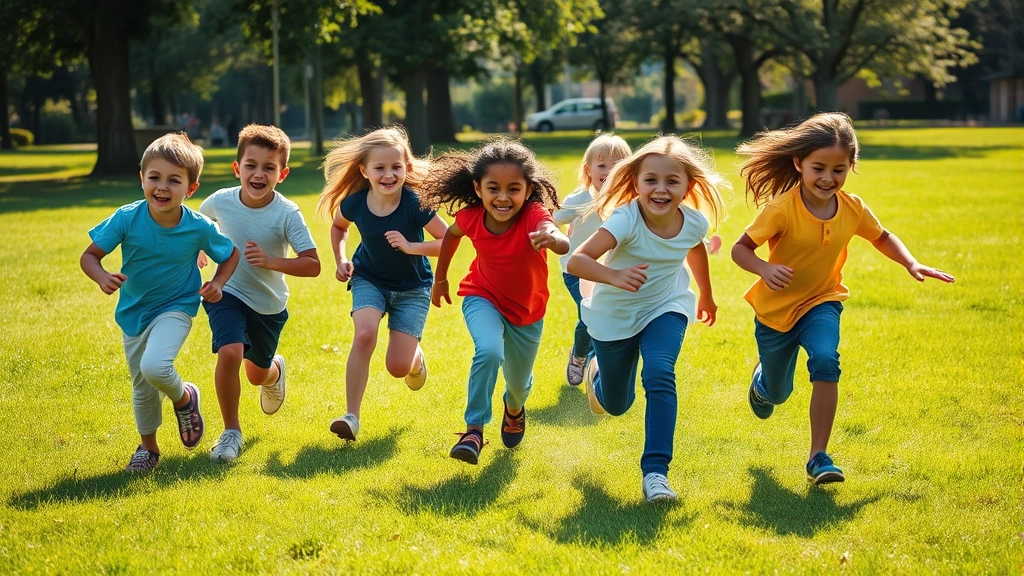
Tag remains the undisputed king of outdoor games, and for good reason. This simple concept—one person chases others while trying to touch them—has entertained children for centuries. The beauty of tag lies in its versatility. Freeze tag adds a twist where tagged players must stand motionless until another free player unfreezes them. Duck-duck-goose works wonderfully for younger children in groups, combining running with rhythm and anticipation. Red light, green light teaches impulse control while delivering cardiovascular exercise, making it both fun and developmentally beneficial.
Hide-and-seek taps into children’s natural instincts for exploration and strategy. This game develops spatial awareness, problem-solving skills, and patience. For younger children, you might establish boundaries to keep the playing area manageable. Sardines offers a hilarious twist where one person hides and others search, but instead of tagging them out, searchers join them in the hiding spot until everyone is crammed together. These running games require nothing but space and enthusiasm, making them accessible anywhere.
Marco Polo works brilliantly in pools or large water areas, combining elements of tag with sensory challenges. The blind-folded chaser must navigate by sound alone, creating an exciting dynamic where the hider must balance stealth with the need to occasionally call out their location. These games develop cardiovascular fitness, agility, and social bonding—benefits that extend far beyond simple entertainment.
Team Sports for Group Play
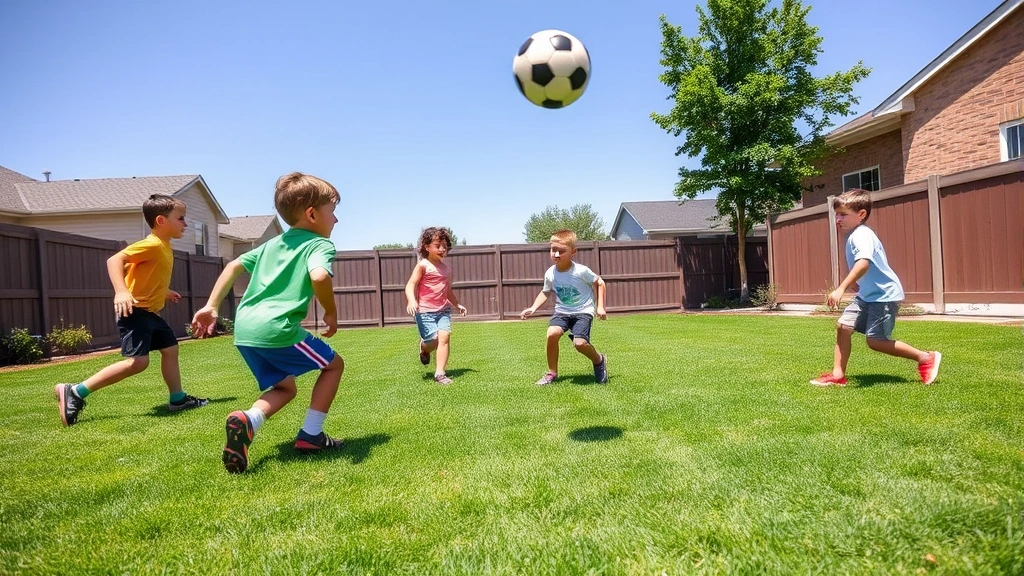
Soccer stands as perhaps the most globally accessible team sport for children. Requiring only a ball and some space, soccer develops coordination, teamwork, and strategic thinking. Kids learn to communicate with teammates, anticipate movements, and work toward common goals. The beauty of recreational soccer is that it accommodates all skill levels—from beginners learning basic ball control to advanced players executing complex plays.
Basketball adapts easily to backyard play with a portable hoop, or kids can practice at local courts. The sport teaches hand-eye coordination, spatial awareness, and persistence. Unlike soccer, basketball allows for solo practice sessions where kids can work on shooting skills while still enjoying outdoor activity. Baseball and softball engage children in understanding game strategy, taking turns, and celebrating both individual and team achievements. Even with just a few players, modified versions like exploring community resources for organized leagues can enhance the experience.
Badminton and volleyball offer lower-impact alternatives that still deliver intense activity. These racquet and net sports develop hand-eye coordination and strategic positioning. They work particularly well with just two to four players, making them ideal for families with limited friend groups available. Kickball combines baseball concepts with soccer skills, creating an inclusive game where children of varying athletic abilities can all contribute meaningfully to their team’s success.
Creative and Imaginative Outdoor Activities
Scavenger hunts transform outdoor spaces into adventure playgrounds. Create lists of items for children to find—leaves of specific colors, rocks of particular shapes, natural items like pinecones or flowers. This activity combines exploration with learning about nature, making it educational while remaining deeply entertaining. Themed hunts (dinosaur fossils, treasure maps, bug safaris) add narrative depth that captures children’s imaginations.
Obstacle courses challenge kids physically while encouraging creative thinking. Use household items like cones, hula hoops, rope, and pool noodles to create stations requiring crawling, jumping, balancing, and climbing. Kids love timing themselves and trying to beat their previous records. The competitive element motivates continued effort without requiring traditional game structures.
Chalk art transforms sidewalks and driveways into canvases. Children can create hopscotch courts, design elaborate murals, or draw games like four square or tic-tac-toe. This combines artistic expression with physical activity. Bubble-making competitions, kite flying, and nature crafting (building fairy houses from sticks and leaves) all encourage outdoor engagement while fostering creativity.
Treasure hunts with actual hidden rewards—small toys, treats, or special privileges—create memorable adventures. The mystery and anticipation keep children engaged far longer than passive activities. Geocaching, a real-world treasure hunting game using GPS coordinates, introduces technology to outdoor play in meaningful ways, though you’ll want to research how technology enhances recreational activities to balance screen time appropriately.
Target and Skill-Based Games
Cornhole has exploded in popularity because it’s genuinely fun while being accessible to all ages. Players toss bean bags toward boards with holes, earning points for accuracy. The game teaches hand-eye coordination and patience. Ladder toss, horseshoes, and ring toss follow similar principles—combining skill development with competitive fun that doesn’t require extensive athletic ability.
Frisbee golf creates courses through yards or parks using natural or designated targets. Players throw from a starting point to a goal (tree, hoop, marker) in the fewest throws possible. This imaginative adaptation of traditional golf engages children in strategic thinking and precision without expensive equipment.
Target practice games using water guns, foam dart blasters, or balloon darts add excitement to backyard time. Bowling pin knockdowns, cup stacking challenges, and bean bag target throws all develop fine motor skills and hand-eye coordination. These games particularly appeal to children who enjoy precision and measurable progress.
Slacklining—similar to tightrope walking but using flat webbing—challenges balance and focus. While requiring initial setup, a slackline provides hours of entertainment as children work toward crossing longer distances. Jumping rope, whether solo or with friends in double-dutch variations, offers cardiovascular benefits while being endlessly entertaining.
Water Games for Hot Days
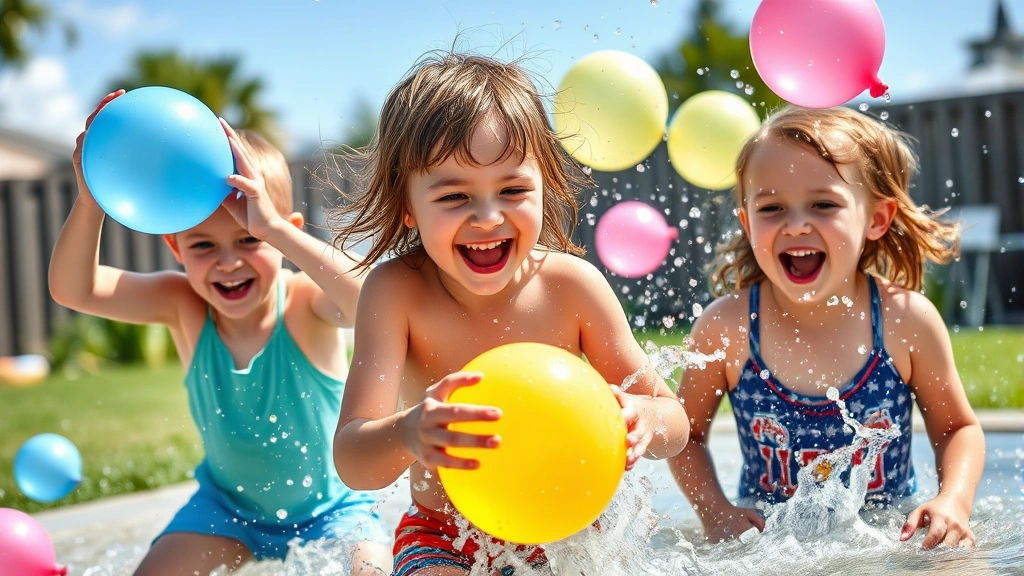
Water balloon fights deliver pure joy on warm days. Fill dozens of balloons beforehand and let chaos ensue. The activity combines running, throwing accuracy, and cooling off—a triple win for parents. Water gun battles similarly engage children in active play while providing temperature relief. Consider establishing boundaries and rules to keep the activity safe and fair.
Slip-n-slides transform driveways into water parks. Kids of all ages find irresistible fun in sliding across wet plastic. Sprinkler games, whether running through arcs or playing freeze tag with sprinkler activation, keep children active while staying cool. Kiddie pool games like diving for rings, floating races, or Marco Polo adapt traditional games to water settings.
Water relay races combine teamwork with cooling off. Teams carry water between containers using various methods—sponges, cups, or buckets. The competitive element keeps children motivated while they exercise. Sponge tag, where players throw wet sponges instead of touching, adds a water element to classic games.
Backyard Games with Minimal Setup
Four square, played with a large rubber ball and a court divided into four squares, teaches bouncing, strategy, and social dynamics. Players compete to move to the highest square through skillful play. Hopscotch requires only chalk and a stone, yet entertains children for extended periods as they develop balance and coordination.
Jump rope games range from simple solo jumping to elaborate double-dutch variations with rhymes. The activity provides excellent cardiovascular exercise while being accessible in any outdoor space with enough clearance. Jacks, a traditional game using small metal pieces and a ball, develops fine motor skills and hand-eye coordination.
Spud combines elements of tag and catch. One person throws a ball in the air while calling a player’s name. That player must catch the ball while others scatter. Whoever is closest when the ball is caught is out. Monkey in the middle requires just three people and a ball—one person in the middle tries to intercept passes between two others.
Dodgeball, when played with soft foam balls and appropriate safety rules, engages children in strategic movement and quick reflexes. Proper rule enforcement—such as disallowing throws at the head and removing players who catch the ball rather than eliminating throwers—makes this game inclusive rather than exclusionary.
Safety Tips for Outdoor Play
Supervision remains paramount, especially for younger children. Know where kids are, what they’re doing, and who they’re with. Establish clear boundaries for the play area and ensure children understand safety rules. Regular check-ins during extended play sessions ensure everyone remains safe and hydrated.
Appropriate footwear prevents injuries during active play. Closed-toe shoes with good ankle support work better than sandals for running games. Protective gear like helmets for any riding activities, knee pads for skating, and appropriate eyewear for sports involving projectiles prevents serious injuries.
Sun protection matters significantly during outdoor play. Apply sunscreen regularly, especially after water activities. Light, breathable clothing in light colors reflects heat while providing coverage. Encourage water breaks every 15-20 minutes, particularly on hot days. Teach children to recognize heat exhaustion symptoms and take breaks when needed.
Check the play area beforehand for hazards—broken glass, sharp objects, holes, or obstacles that could cause falls. Remove bee nests or wasp nests if present. For water activities, ensure proper depth, establish buddy systems, and maintain constant supervision. Establish rules about safe play, including no pushing into water, respecting others’ space, and communicating clearly during games.
For activities involving equipment like trampolines or climbing structures, ensure proper padding and fall zones. Teach children appropriate techniques to prevent injuries. Consider structured resources for activity planning that address safety comprehensively.
FAQ
What age groups work best for different outdoor games?
Tag and hide-and-seek suit ages 4+, though modifications help younger children. Team sports like soccer and basketball work best for ages 6+. Skill-based games like cornhole appeal to ages 5+. Water games accommodate all ages with proper supervision. Obstacle courses adapt to any age with difficulty modifications.
How much space do outdoor games require?
Most games work in standard backyards. Tag and running games need roughly 20×20 feet minimum. Team sports like soccer benefit from larger areas but adapt to smaller spaces. Target games like cornhole need minimal space. Always ensure clear zones free from hazards.
What equipment should parents keep on hand?
Essential items include various balls (soccer, basketball, playground ball), chalk, cones, hula hoops, jump ropes, and water balloons. Nice-to-have items include cornhole sets, badminton racquets, frisbees, and foam dart blasters. Most games utilize items already in typical homes.
How do I encourage reluctant kids to play outdoors?
Start with games matching their interests. Tech-oriented kids might enjoy geocaching or scavenger hunts with digital elements. Artistic kids prefer chalk activities and nature crafts. Social kids gravitate toward team games. Let them choose games and gradually introduce new options. Participate alongside them to model enthusiasm.
Are outdoor games beneficial beyond entertainment?
Absolutely. Outdoor play develops physical fitness, coordination, and motor skills. Social interaction builds communication abilities and friendship skills. Problem-solving games enhance cognitive development. Creative activities foster imagination. Regular outdoor activity improves mood, reduces anxiety, and supports healthy sleep patterns.
Can outdoor games work year-round?
Yes, with seasonal modifications. Summer emphasizes water games and shade breaks. Fall suits leaf hunts and obstacle courses. Winter allows snow-based games and activities in crisp air. Spring brings renewed energy for all activities. Always adjust for weather conditions and dress appropriately.
How do I balance outdoor and video game time?
Establish screen time limits and outdoor play requirements. Consider engaging games that encourage physical activity as complementary entertainment. Use outdoor activities as rewards for completing homework or chores. Model balanced behavior by spending time outside yourself. Frame outdoor play as equally valuable to screen entertainment.