Top Female Game Characters: Critics’ Choice Guide
The gaming industry has evolved dramatically over the past two decades, and one of the most significant shifts has been the rise of compelling, complex female game characters that captivate audiences worldwide. From indie darlings to AAA blockbusters, these characters have transcended stereotypes and become iconic figures in interactive entertainment. Critics and players alike have celebrated these protagonists and supporting characters for their depth, agency, and unforgettable storytelling.
Whether you’re exploring narrative-driven adventures or action-packed epics, the landscape of gaming has been enriched by powerful female characters who define their own destinies. This guide explores the most acclaimed female characters in gaming according to industry critics, examining what makes them resonate with millions of players globally. We’ll dive into their impact on gaming culture and why they matter to the medium’s continued evolution.
Legendary Protagonists Who Changed Gaming
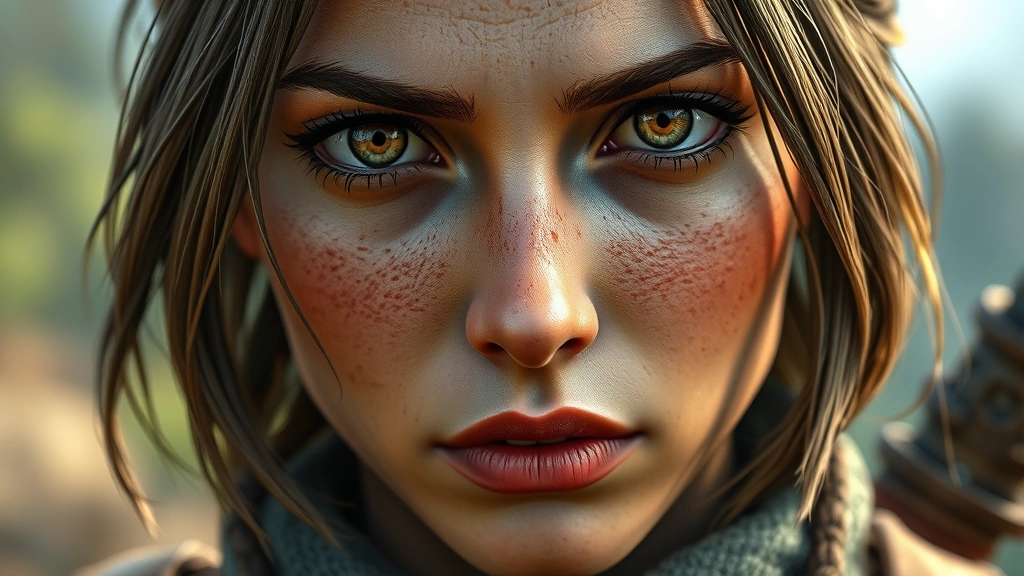
When discussing iconic female game characters, we must start with those who revolutionized the industry. Lara Croft from the Tomb Raider franchise stands as a monumental figure in gaming history. Debuting in 1996, she wasn’t just a female protagonist—she was a gaming icon who proved that women could lead blockbuster franchises. Her evolution from pixelated adventurer to the nuanced, trauma-informed character in the modern reboot demonstrates how character development in gaming has matured alongside the medium itself.
Samus Aran from the Metroid series represents another foundational pillar of female gaming characters. The reveal that Samus was a woman under her powered armor was groundbreaking for its time, challenging player assumptions and redefining what heroism looked like in interactive media. Her silent, stoic nature proved that female protagonists didn’t need dialogue to command presence and respect.
Ellie from The Last of Us franchise has garnered extraordinary critical acclaim for her character arc across two generations of games. Her journey from a young girl to a hardened survivor, grappling with trauma, morality, and survival, showcases the narrative depth that modern gaming can achieve. Critics have praised how developer Naughty Dog portrayed her complexity without sacrificing her humanity or reducing her to a supporting role.
Aloy from Horizon Zero Dawn and Horizon Forbidden West has become a modern gaming legend. Her quest to uncover her origins while saving a post-apocalyptic world demonstrates character agency and environmental storytelling at its finest. The game’s success has been largely attributed to Aloy’s compelling characterization and the player’s investment in her personal journey alongside the larger narrative.
Narrative Powerhouses and Story Icons
Beyond action-oriented protagonists, several female game characters have defined storytelling excellence in gaming. Chloe Price and Max Caulfield from Life is Strange became cultural phenomena by centering their narrative around authentic female friendship and the complexities of adolescence. Their relationship resonated with millions of players, proving that intimate, character-driven stories could rival any blockbuster spectacle.
Geralt’s companion Triss Merigold and Yennefer of Vengerberg from The Witcher 3 showcase how supporting characters with their own agency and storylines can elevate an entire game’s narrative. These characters aren’t accessories to the male protagonist—they’re fully realized individuals with conflicting motivations, romantic complexity, and meaningful choices that affect the game’s outcome.
Cortana from the Halo franchise represents an interesting evolution in how gaming portrays artificial intelligence through a female lens. Her relationship with Master Chief and her existential journey throughout the series raised questions about consciousness, identity, and what it means to be human—all through the lens of a female character whose perspective was central to the narrative.
Cassandra Pentaghast from Dragon Age: Inquisition exemplifies how female characters in games can be simultaneously strong warriors and deeply vulnerable individuals. Her character arc, influenced by player choices, demonstrates the power of player agency in shaping how female characters are perceived and developed within interactive narratives.
Looking for more exceptional gaming experiences? Check out our guide to the best indie games for PC where many innovative female characters shine.
Indie Game Gems with Female Leads
The indie gaming scene has produced some of the most innovative and critically acclaimed female game characters in recent years. Celeste’s Madeline became a symbol of mental health representation in gaming. Her struggle with anxiety and depression, portrayed through challenging platforming mechanics that mirror her internal struggle, resonated deeply with players and critics alike. The game proved that indie developers could tackle complex emotional themes while delivering engaging gameplay.
Senua from Hellblade: Senua’s Sacrifice pushed boundaries in how games portray mental illness and female trauma. Her auditory hallucinations, depicted through innovative sound design, and her journey through Norse mythology created a uniquely immersive experience that critics praised for its respectful handling of psychosis and PTSD. This game demonstrated that indie studios could match AAA production values while telling deeply personal stories.
The protagonist of Gris, a wordless character experiencing grief through color and emotion, showcases how female characters can transcend traditional narrative frameworks. Her journey through a colorless world that gradually gains vibrancy mirrors the emotional stages of loss, creating a poignant experience that resonates universally.
Explore more exceptional indie titles by visiting our comprehensive indie games collection featuring numerous remarkable female-led adventures.
In cooperative gaming experiences, many female characters have become beloved team members. Check out our best co-op games guide to discover titles where female characters shine in multiplayer narratives.
Unforgettable Supporting Characters
While protagonists often receive spotlight, supporting female game characters have proven equally memorable and impactful. Tifa Lockhart and Aerith Gainsborough from Final Fantasy VII became cultural icons whose influence extended far beyond gaming. Their character designs, personalities, and central roles in one of gaming’s most important narratives made them legendary figures who continue to captivate new generations through remakes and spinoffs.
HK-47’s interaction with female characters throughout the Knights of the Old Republic series, particularly with Mission Vao, created dynamic relationships that enriched the Star Wars gaming universe. Mission’s character, a young woman navigating slavery and freedom, provided emotional depth to the game’s larger narrative about choice and redemption.
Merrill from Dragon Age II stands out as a character whose naivety isn’t portrayed as weakness but as genuine innocence confronting a harsh world. Her romantic and platonic interactions with the protagonist showcased how supporting female characters could have agency and meaningful character arcs independent of the main plot.
Paige from Life is Strange: Before the Storm demonstrated how prequel characters could become essential to understanding the original game’s emotional weight. Her friendship with Chloe, depicted before the events of the original game, added layers to both characters’ stories.
Cultural Impact and Industry Recognition
The recognition of exceptional female game characters has become increasingly formalized within the gaming industry. Major award ceremonies like The Game Awards now feature categories specifically highlighting character achievements, and female characters have dominated these categories in recent years. Critics from publications like IGN and GameSpot have extensively analyzed how these characters influence gaming culture and player engagement.
The commercial success of games featuring strong female protagonists has dispelled outdated myths about marketability. Tomb Raider, Horizon, and Mirrors Edge have all proven that games centered on female characters can achieve both critical acclaim and commercial success. This has encouraged publishers to invest more heavily in developing complex female characters and female-led narratives.
Esports organizations and gaming communities have embraced female characters as symbols of inclusivity and representation. Characters like D.Va from Overwatch have become cultural ambassadors, representing not just the games they inhabit but broader conversations about diversity in gaming.
Academic institutions have begun studying female characters in video games as serious subjects of cultural analysis. Research has examined how these characters influence player identity formation, gender perceptions, and the medium’s evolution as an art form.
The Evolution of Female Representation in Gaming
The journey of female game characters from tokenistic appearances to central, complex roles represents one of gaming’s most significant cultural shifts. Early games often relegated women to damsel archetypes—characters to be rescued rather than protagonists driving their own narratives. The evolution from this trope to the complex, multifaceted characters we see today reflects both changing industry values and player demands for more authentic representation.
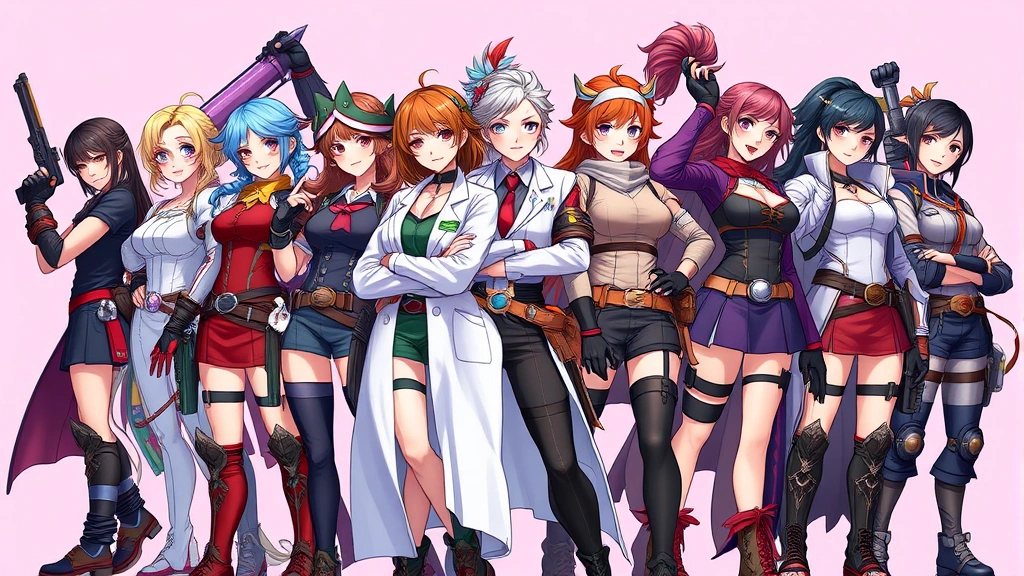
Modern female characters in games span an incredible range of archetypes, personalities, and roles. They’re warriors and scientists, detectives and artists, survivors and rebels. This diversity ensures that players of all backgrounds can find characters they relate to and identify with, enriching the gaming experience for everyone.
The increasing number of female developers, writers, and designers has directly contributed to more nuanced and authentic portrayals of female game characters. When women have creative control over character development, the resulting characters tend to be more three-dimensional and less reliant on male-gaze aesthetics or outdated tropes.
Looking to build your gaming setup to experience these remarkable games? Our gaming PC build guide provides comprehensive information for creating the ultimate platform to enjoy these character-driven experiences.
If you prefer gaming on the go, our mobile games guide features titles with exceptional female characters you can enjoy anywhere.
For those exploring cutting-edge gaming technology, our cloud gaming guide explains how this technology is making diverse gaming experiences more accessible.
The future of female game characters looks extraordinarily promising. As the industry continues to mature and diversify, we can expect even more innovative, complex, and compelling female characters. Emerging technologies like virtual reality and advanced AI will provide new opportunities for character development and player interaction that we’re only beginning to explore.
FAQ
Who are the most critically acclaimed female game characters?
Critics consistently rank Aloy (Horizon series), Ellie (The Last of Us), Lara Croft (Tomb Raider), and Samus Aran (Metroid) among the most acclaimed female characters. Recent critical favorites include Madeline (Celeste) and Senua (Hellblade), who received widespread praise for their character depth and narrative significance.
What makes a female game character compelling to critics?
Critics value complexity, agency, and authentic characterization. Female characters who drive their own narratives, face meaningful challenges, and demonstrate emotional depth are most celebrated. Avoidance of stereotypes and one-dimensional portrayals also significantly influences critical reception.
How has representation of female characters improved in gaming?
Gaming has evolved from relegating women to supporting or damsel-in-distress roles to featuring complex, multifaceted female protagonists. Modern games portray female characters across diverse genres, with varying personalities, backgrounds, and story arcs that rival any male counterpart in depth and significance.
Are games with female protagonists commercially successful?
Absolutely. Games like Horizon Zero Dawn, Tomb Raider (2013 reboot), and The Last of Us have achieved both critical acclaim and commercial success, proving that female-led games are highly marketable and profitable. This success has encouraged more investment in female-centered narratives.
Where can I find more games with exceptional female characters?
Check out our Game Forge Daily Blog for regular updates on the best games featuring compelling female characters. Our indie games guide and co-op games guide both feature numerous titles with remarkable female protagonists and supporting characters.
What’s the significance of female characters in gaming culture?
Female characters in gaming influence player identity formation, cultural perceptions of gender, and the medium’s evolution as an art form. They inspire representation discussions, create community connections, and demonstrate that diverse perspectives enrich storytelling and player engagement across the industry.