
Top 10 Fun Family Games: Gamer Reviews & Recommendations
Finding the perfect fun family games that everyone can enjoy together is one of gaming’s greatest joys. Whether you’re looking to bond with your kids, entertain relatives during gatherings, or simply want accessible titles that don’t require hardcore gaming skills, there’s never been a better time to explore family-friendly gaming. The gaming industry has evolved tremendously, offering incredible experiences that bridge generational gaps and create lasting memories around the screen.
Family gaming isn’t about compromising on quality or fun—it’s about discovering titles that offer engaging gameplay, charming aesthetics, and moments that make you laugh together. From colorful platformers to cooperative adventures, these games prove that the best entertainment brings people closer. We’ve compiled the ultimate list of top family games that parents, grandparents, and kids genuinely love playing together.
1. Mario Kart 8 Deluxe: Racing Fun for Everyone
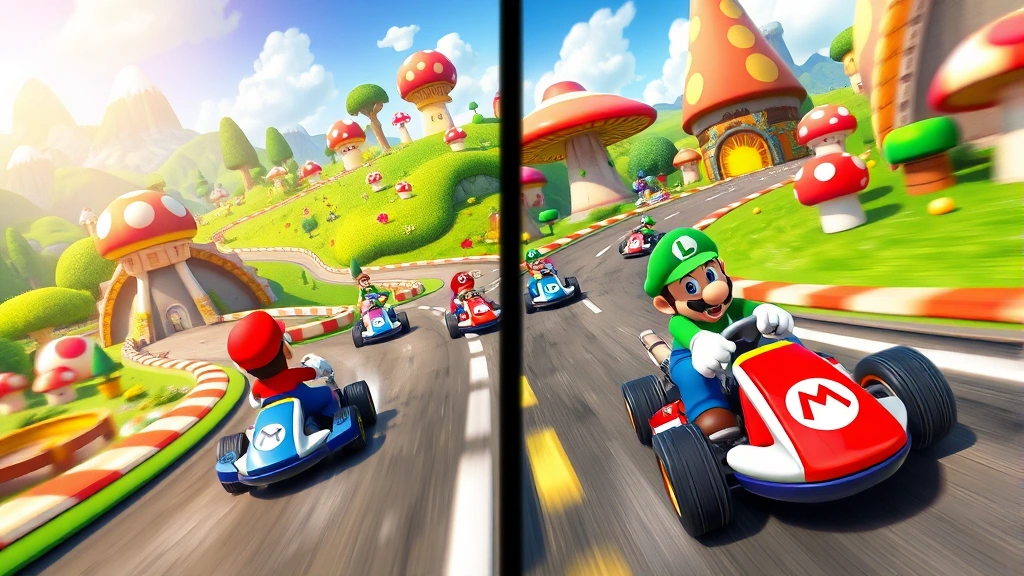
If there’s one game that defines family gaming on Nintendo Switch, it’s Mario Kart 8 Deluxe. This vibrant racing game has become the gold standard for accessible multiplayer fun that appeals to both competitive gamers and casual players alike. Whether you’re playing locally with up to four players on a single console or battling online against players worldwide, Mario Kart 8 Deluxe delivers pure entertainment that transcends age barriers.
The beauty of Mario Kart 8 Deluxe lies in its simplicity combined with depth. New players can pick up a controller and immediately understand the basic mechanics—accelerate, brake, and use power-ups strategically. However, experienced racers will appreciate advanced techniques like drifting, item management, and track shortcuts that separate champions from casual players. The game features a massive roster of characters from the Mario universe, each with unique stats and handling characteristics.
With 48 tracks spanning beautiful environments—from the Mushroom Kingdom to exotic locales—there’s always something fresh to explore. The battle modes are equally entertaining, offering capture-the-flag style competitions and balloon-popping chaos that create hilarious moments. Parents report that Mario Kart 8 Deluxe consistently brings families together for competitive yet friendly gaming sessions that last for hours.
2. Animal Crossing: New Horizons: Relaxing Island Life
Animal Crossing: New Horizons revolutionized how families approach gaming by offering a stress-free, creative experience where competition doesn’t exist. You start with nothing on a deserted island and gradually build your dream community, customizing everything from your home’s interior design to the layout of outdoor spaces. This game appeals to decorators, fashion enthusiasts, and anyone who loves creative expression.
The charm of Animal Crossing lies in its real-time progression and wholesome community. You’ll meet adorable anthropomorphic animal villagers, each with unique personalities and interests. Fishing, bug catching, fossil hunting, and fossil restoration provide satisfying gameplay loops that never feel repetitive. The seasonal events throughout the year mirror real-world celebrations, keeping the experience fresh and engaging across all twelve months.
Parents love that Animal Crossing encourages creativity without violence or time pressure. Kids can express themselves through character customization, home decoration, and island terraforming. The game promotes patience, planning, and resource management in ways that feel natural and fun. Multiplayer features allow family members to visit each other’s islands, share designs, and collaborate on projects together.
3. Super Smash Bros Ultimate: Fighting Game for All Skill Levels
Super Smash Bros Ultimate is the ultimate party game featuring an incredible roster of over 80 characters from gaming history. While it’s a fighting game, the mechanics are accessible enough for newcomers while offering tremendous depth for competitive players. The game’s genius lies in how it accommodates everyone—from button-mashers having a blast to tournament-level competitors executing frame-perfect combos.
The variety of game modes ensures everyone finds something enjoyable. Adventure Mode offers a single-player campaign with creative boss fights and narrative elements. Classic Mode lets you experience arcade-style tournaments with different characters. Smash Mode provides traditional one-on-one or free-for-all battles with customizable rules and difficulty settings. Party modes add chaos and unpredictability that make family gaming sessions absolutely hilarious.
What makes Smash Bros Ultimate exceptional for families is the inclusivity. Players of vastly different skill levels can compete together with handicap settings that level the playing field. Items, stage hazards, and random modifiers can be toggled to increase chaos or create more technical competitions. The sheer character variety means everyone finds a fighter that resonates with their playstyle and interests.
4. It Takes Two: Cooperative Storytelling Excellence
If you want a game that genuinely requires teamwork and communication, It Takes Two is the masterpiece you’ve been searching for. This action-adventure game tells the story of a married couple turned into dolls who must work together to save their relationship. The narrative tackles meaningful themes about communication and compromise while remaining engaging and often hilarious.
Every level in It Takes Two is designed around cooperative gameplay where both players must use unique abilities in tandem. One player might manipulate time while the other controls gravity. One might create platforms while the other destroys obstacles. This design philosophy forces genuine collaboration and creates moments where success requires trust and coordination. Parents report that playing through It Takes Two strengthens family bonds and communication skills.
The game’s production quality rivals AAA single-player titles, with stunning visuals, memorable music, and creative level design. From shrinking down to toy size and exploring a garden to navigating a collapsing house, each section introduces fresh mechanics and surprises. The emotional narrative payoff makes it not just a game, but an experience that families discuss long after the credits roll. Consider exploring our guide on best co-op games on Steam for similar cooperative experiences.
5. Minecraft: Endless Creative Possibilities
Minecraft has become a cultural phenomenon precisely because it appeals to virtually everyone. Whether you’re interested in survival challenges, creative building, or exploring procedurally generated worlds, Minecraft adapts to your preferences. The game’s beauty lies in its simplicity—place blocks, gather resources, build structures—yet the depth of possibility is virtually infinite.
For families, Minecraft offers multiple play modes tailored to different interests. Creative Mode removes all survival pressures, letting players focus purely on building ambitious structures. Survival Mode introduces resource management and enemy threats that add challenge and urgency. Adventure Mode allows exploring community-created maps with specific objectives and narratives. The modding community has created thousands of modifications that fundamentally transform the experience.
Multiplayer Minecraft sessions become collaborative building projects where family members contribute to shared worlds. One person might focus on architecture while another handles landscaping, mining, or farming. The game teaches problem-solving, planning, and resource management naturally. Educational institutions have recognized Minecraft’s potential, using it as a teaching tool for mathematics, history, and environmental science.
6. Kirby and the Forgotten Land: Charming Platforming Adventure
Kirby and the Forgotten Land brings the beloved pink puffball into three-dimensional spaces with delightful results. This platformer maintains the series’ signature accessibility while introducing fresh mechanics and challenging optional content for experienced players. Kirby’s signature copy ability—inhaling enemies to steal their powers—becomes even more creative in this three-dimensional playground.
The game’s progression respects both casual players and completionists. You can progress through the main story by reaching level exits, but discovering hidden areas, collecting secret treasure, and finding challenging boss fights rewards exploration and curiosity. The co-op mode lets a second player control Waddle Dee, creating a delightful tag-team experience where both players feel important and useful.
Kirby games have always emphasized charm and personality, and Forgotten Land delivers this in spades. The visual design is gorgeous, with colorful environments that feel alive and inviting. Boss battles are memorable encounters with creative attack patterns that require learning and adaptation. The difficulty curve is expertly calibrated so families can enjoy the main experience together while harder challenges await those seeking additional content.
7. Stardew Valley: Farming Sim with Heart
Don’t let the pixel art fool you—Stardew Valley is a deeply engaging farming simulation that has captivated millions. You inherit a run-down farm and must restore it to prosperity by growing crops, raising animals, and engaging with your small-town community. What begins as a simple premise evolves into an incredibly rich experience with countless activities and secrets.
Stardew Valley respects player autonomy completely. There are no time limits, no fail states, and no wrong way to play. Want to focus purely on farming? Go ahead. Prefer fishing and foraging? That works too. Interested in romance and relationships? The game supports that beautifully. Want to explore the mysterious mines and uncover ancient secrets? The game accommodates that too. This flexibility makes Stardew Valley perfect for families with different interests playing together.
The multiplayer mode lets up to four players share a farm, dividing responsibilities and collaborating on projects. One person might handle crops while another focuses on animals, with everyone contributing to the farm’s success. The game’s charming soundtrack, beautiful seasonal changes, and genuinely likeable characters create an experience that’s relaxing yet consistently engaging. Parents appreciate that Stardew Valley encourages patience, planning, and long-term thinking without inducing stress or frustration.
8. Overcooked 2: Chaotic Kitchen Cooperation
Overcooked 2 takes the cooperative cooking chaos to delightful extremes. You and your team must work together to prepare, cook, and serve meals to increasingly demanding customers. The catch? Your kitchens become progressively more absurd, with moving platforms, portals, and environmental hazards that complicate seemingly simple tasks.
This game is the definition of fun family games because it creates constant communication and hilarity. You’ll be shouting instructions, coordinating actions, and laughing when someone inevitably messes up the order. The difficulty escalates beautifully, introducing new mechanics like recipes requiring multiple ingredients and kitchens split across multiple areas. Success requires genuine teamwork, clear communication, and the ability to adapt strategies on the fly.
Overcooked 2 supports up to four players cooperatively, making it perfect for larger family gatherings. The level variety ensures that no two cooking sessions feel identical. From pirate ships to kitchens in the clouds, each environment introduces unique challenges. The game’s charming art style and upbeat music maintain an atmosphere of fun even during frantic moments. Families report that Overcooked 2 creates memorable bonding experiences filled with laughter and friendly competition.
9. The Legend of Zelda: Link’s Awakening: Classic Adventure Reimagined
The Legend of Zelda: Link’s Awakening is a lovingly crafted remake of a Game Boy classic, presenting it with charming art direction and modern conveniences. Link awakens on a mysterious island and must restore balance to the land by collecting magical instruments. This adventure features the series’ signature puzzle-solving, exploration, and combat that appeals to both newcomers and longtime fans.
The game’s manageable scope makes it perfect for families. Individual dungeons can be completed in reasonable timeframes, and the world is compact enough to explore thoroughly without feeling overwhelming. The puzzles are clever without being frustrating, requiring observation and creative thinking rather than trial-and-error. Boss battles are memorable encounters with distinctive attack patterns that reward learning and adaptation.
Link’s Awakening’s charm is undeniable. The art style is gorgeous and whimsical, characters are memorable and quirky, and the island setting feels alive and worth exploring. The game respects player intelligence, offering minimal hand-holding while remaining accessible to those new to the series. Families can play together with one person controlling Link while others provide suggestions and enjoy the adventure’s unfolding story.
10. Spiritfarer: Emotional Journey About Letting Go
Spiritfarer is a management adventure game with surprising emotional depth. You play as a ferrymaster to the deceased, helping spirits find peace before moving on to the afterlife. The game combines exploration, puzzle-solving, and resource management with a genuinely touching narrative about loss, friendship, and acceptance. It’s a game that makes you feel something real.
The art direction in Spiritfarer is absolutely stunning, with hand-drawn animation that brings characters and environments to life beautifully. Each spirit you meet has a unique story and personality, and helping them resolve their unfinished business creates deeply satisfying moments. The game never becomes morbid or scary despite its themes—instead, it approaches death with warmth and acceptance that families can discuss meaningfully together.
Spiritfarer’s cooperative mode lets a second player control Daffodil, a cat companion, adding another perspective to the experience. The game respects player pace completely, never rushing you through emotional moments. Families report that playing Spiritfarer together sparks important conversations about mortality, legacy, and what truly matters. It’s a game that entertains while also enriching family relationships through shared emotional experience.

FAQ
What age groups are these family games suitable for?
Most games on this list are appropriate for ages 5 and up, though some like Super Smash Bros Ultimate and Spiritfarer suit older children and adults better. Always check ESRB ratings and content descriptions. Mario Kart 8 Deluxe, Animal Crossing, and Kirby are excellent for younger children, while It Takes Two and Spiritfarer appeal more to teens and adults. Individual family values vary, so review specific game content before purchasing.
Do I need expensive hardware to play these games?
Most of these games are available on Nintendo Switch, which is the most affordable major gaming platform. Some titles like Minecraft and Stardew Valley work on PC, Mac, and mobile devices. You don’t need a high-end gaming PC build for these family games—they run on modest hardware. Check the GameForge Daily Blog for platform-specific recommendations.
Can these games be played solo if needed?
Yes! While these games excel in multiplayer, all of them offer meaningful single-player experiences. Animal Crossing, Stardew Valley, Minecraft, and Spiritfarer are designed for solo play. Kirby and Zelda are full single-player adventures. Mario Kart and Smash Bros feature extensive single-player modes. Only It Takes Two and Overcooked are designed primarily for multiplayer, though Overcooked has enjoyable single-player levels.
Which game should we start with as a family?
Start with Mario Kart 8 Deluxe if you want immediate fun and accessibility. Choose Animal Crossing if your family enjoys creative, relaxing experiences. Pick Minecraft if you want endless possibilities and creative freedom. It Takes Two is perfect if you want a shared narrative experience. Consider your family’s interests and gaming experience when deciding which title to explore first.
Are there online multiplayer options?
Most games support online multiplayer. Mario Kart 8 Deluxe, Animal Crossing, Minecraft, and Stardew Valley all offer online multiplayer. Overcooked 2 supports online co-op. Super Smash Bros Ultimate has robust online competitive modes. It Takes Two requires an internet connection for its co-op gameplay. Kirby and Zelda are primarily local multiplayer experiences. Check your internet connection quality before attempting online play, as lag affects competitive games more than cooperative titles.
How much do these games cost?
Prices vary but most retail titles cost $40-60 for Nintendo Switch versions. Minecraft and Stardew Valley are often discounted and cost around $20-30. Animal Crossing: New Horizons costs around $60. Check digital storefronts for sales and discounts. Subscription services like Nintendo Switch Online sometimes offer cloud gaming options that provide access to game libraries. Many games go on sale regularly, so patience can save money.
Can we play these games with controllers designed for children?
Yes! All these games support standard game controllers. Nintendo Switch has controllers in various sizes including the Joy-Con controllers designed for smaller hands. Third-party manufacturers create ergonomic controllers suitable for children. Most games offer control customization, allowing you to map buttons to your preference. Ensure whatever controller you use feels comfortable for extended play sessions.
Which games teach valuable skills?
Minecraft develops spatial reasoning and creativity. Stardew Valley teaches resource management and planning. It Takes Two improves communication and teamwork. Zelda games strengthen puzzle-solving abilities. Overcooked develops time management and coordination. Animal Crossing encourages creative expression and long-term planning. Super Smash Bros teaches pattern recognition and quick reflexes. All these games provide educational benefits alongside entertainment value.
Gaming as a family activity has never been more rewarding. These ten titles represent the best of what modern gaming offers—experiences that bring people together, create shared memories, and provide genuine entertainment regardless of age or gaming experience. Whether you’re seeking competitive fun, cooperative adventures, or relaxing creative experiences, these fun family games deliver on all fronts. Start exploring today and discover why families worldwide are choosing gaming as their favorite way to bond.
For more gaming recommendations, check out our comprehensive guides on best indie games for PC and our collection of best co-op games on Steam. Don’t forget you can record gameplay on PC to capture your family’s favorite gaming moments and share them with friends. Happy gaming!