
Top Game Boy Color Games: Retro Expert Picks
The Game Boy Color stands as one of the most iconic handheld gaming devices ever released, captivating millions of players worldwide when it launched in 1998. This revolutionary portable console brought vibrant color screens to gaming, transforming the handheld landscape and introducing us to unforgettable titles that still resonate with gamers today. Whether you’re a nostalgic collector, a retro gaming enthusiast, or someone discovering these classics for the first time, the Game Boy Color library offers an incredible array of experiences that shaped the gaming industry.
In this comprehensive guide, we’ve compiled the absolute best Game Boy Color games that deserve a permanent spot in your collection. From puzzle-solving adventures to action-packed RPGs, these titles represent the pinnacle of what the handheld device could achieve. We’ve consulted with retro gaming experts and analyzed player reviews to bring you the most authoritative picks in the community. Let’s dive into the colorful world of Game Boy Color gaming and discover why these games remain beloved decades later.
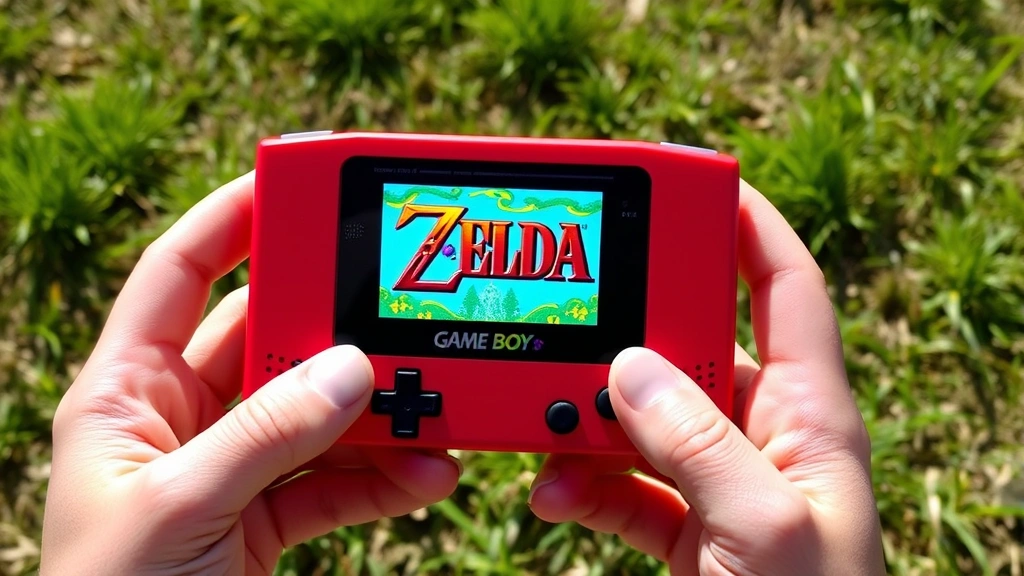
The Legend of Zelda: Link’s Awakening DX
Without question, The Legend of Zelda: Link’s Awakening DX stands as one of the greatest achievements in handheld gaming history. This Game Boy Color exclusive enhanced the original Game Boy version with a vibrant color palette that brought the dreamlike world of Koholint Island to life in ways previously impossible on Nintendo’s portable hardware. The DX version introduced the mysterious Color Dungeon, an entirely new challenge exclusively available to Game Boy Color players, making this version feel like a definitive experience.
The game’s narrative remains one of gaming’s most emotionally resonant stories. You play as Link, mysteriously washed ashore on a tropical island, tasked with awakening the Wind Fish to escape. However, the twist ending delivers philosophical depth that transcends typical adventure game storytelling. The dungeon design showcases remarkable creativity within technical limitations, with each of the eight main dungeons presenting unique puzzles and challenges that encourage exploration and experimentation.
What makes Link’s Awakening DX truly special is its perfect balance of challenge and accessibility. The game respects player intelligence without becoming frustratingly difficult, and the color enhancement transforms the experience into something genuinely magical. If you’re exploring retro gaming recommendations, this title absolutely belongs at the top of your list.
Pokémon Gold and Silver Versions
The second generation of Pokémon games revolutionized the franchise by introducing 100 new creatures, two distinct regions to explore, and a day-night cycle that fundamentally changed how players interacted with the game world. Pokémon Gold and Silver for Game Boy Color represent the franchise at its creative peak, offering an experience that felt genuinely fresh while honoring the original’s legacy.
The Johto region provides an entirely new adventure, but what elevates these games is the ability to return to Kanto afterward, facing the original game’s gym leaders and ultimately challenging Red, the protagonist from the first games. This narrative callback was unprecedented in gaming and created a sense of continuity that fans adored. The color implementation enhanced the Pokémon sprites beautifully, making each creature feel more alive than ever before.
These games introduced breeding mechanics, held items, and numerous quality-of-life features that became series staples. The soundtrack, composed primarily by Junichi Masuda, showcases the Game Boy Color’s audio capabilities with memorable themes for each region. While the level curve occasionally frustrates players, the overall experience remains phenomenal. For those interested in gaming evolution, understanding how modern indie developers approach game design shows how foundational these mechanics remain.
Tetris DX and Puzzle Mastery
Sometimes the simplest games prove the most enduring. Tetris DX represents the perfect marriage of classic puzzle mechanics and Game Boy Color’s capabilities. While Tetris had appeared on previous handheld systems, the DX version’s color implementation, enhanced graphics, and additional game modes created the definitive portable Tetris experience of its era.
The game features multiple play modes including the classic Marathon mode, Sprint challenges, and unique puzzle scenarios. The color scheme helps players distinguish between different block types more intuitively, reducing eye strain during extended play sessions. Tetris DX proved that even decades-old game concepts could benefit from technological advancement when developers respected the original’s design philosophy.
The addictive nature of Tetris DX made it one of the best-selling Game Boy Color titles, and for good reason. Whether you’re a casual player seeking relaxing entertainment or a competitive enthusiast chasing high scores, this game delivers. The Game Boy Color’s portability combined with Tetris’s timeless mechanics created the perfect storm for gaming excellence.
Super Mario Bros. Deluxe
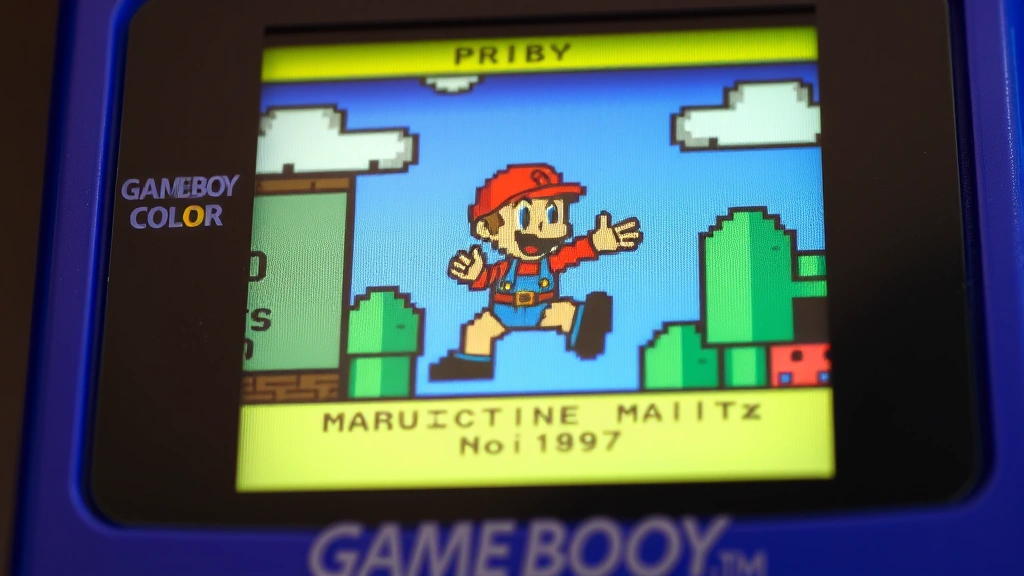
Super Mario Bros. Deluxe took the legendary original Super Mario Bros. and enhanced it with color, new challenges, and additional content that justified its existence beyond simple nostalgia. The Game Boy Color version featured improved graphics, new bonus levels, and a challenge mode that tested players’ skills in creative ways.
What makes Deluxe special is how it respects the original while adding meaningful enhancements. The color palette transforms the Mushroom Kingdom into something visually distinct from the NES original, with each world featuring unique color schemes that aid navigation and create visual variety. The new challenge stages introduce creative scenarios, like collecting coins within time limits or defeating enemies under specific constraints.
The game proved that even timeless classics could benefit from thoughtful enhancement. Rather than simply repackaging the original, Nintendo’s development team understood what made Mario work and expanded upon those foundations. For players seeking gaming experiences with lasting appeal, this title demonstrates how fundamental design principles transcend technological generations.
The Legend of Zelda: Oracle Series
The Oracle of Seasons and Oracle of Ages represent an ambitious experiment in game design, offering two distinct adventures with interconnected narratives. These Game Boy Color exclusives proved that the handheld platform could deliver experiences rivaling home console Zelda games, albeit with different design philosophies.
Oracle of Seasons emphasizes action and environmental manipulation through seasonal changes, while Oracle of Ages focuses on puzzle-solving and time manipulation mechanics. Each game stands as a complete experience, but connecting them via passwords reveals secret content and a true ending, encouraging players to experience both adventures. This approach was innovative for its time and created genuine replay value.
The color implementation in the Oracle series is particularly impressive, with vibrant environments that showcase the Game Boy Color’s palette possibilities. The music, composed by Katsuhiro Harada and Toshio Akashi, demonstrates remarkable variety despite technical limitations. These games solidified the Game Boy Color as a legitimate platform for major franchise entries, not merely a downgraded alternative to home console gaming.
Kirby’s Dream Land 2 and 3
Kirby’s Dream Land 2 and its sequel represent charming platforming adventures that showcase the Game Boy Color’s ability to handle colorful, whimsical worlds. These games feature Kirby’s signature copy abilities alongside animal transformations that grant unique movement options and puzzle-solving capabilities.
The level design encourages exploration and rewards thorough investigation with hidden areas and collectible treasures. The color implementation makes each world feel distinct and memorable, with vibrant flora and fauna that create personality. While these games are easier than some platformers, their charm and accessibility make them perfect for players of all skill levels.
The Dream Land series proved that Game Boy Color could deliver visually appealing, mechanically sound platformers that rivaled home console offerings. The games’ lighthearted tone and creative enemy designs create memorable experiences that endure decades after release. These titles remain excellent introductions to the Kirby franchise while offering depth that satisfies series veterans.
Metroid II: Return of Samus
Metroid II: Return of Samus brought exploration-focused action to the Game Boy, delivering a surprisingly substantial adventure on handheld hardware. The game’s color implementation enhanced the original Game Boy version significantly, making environments more visually distinct and atmospheric.
The game maintains Metroid’s core design philosophy: exploring a vast interconnected world, discovering power-ups that unlock new areas, and gradually becoming more powerful. The Game Boy Color version improved the original’s graphics considerably, making it the definitive way to experience this important franchise entry. The color enhancements help players navigate the labyrinthine environments more intuitively.
Metroid II proved that action-adventure games could thrive on handheld platforms when designed thoughtfully. The game’s exploration-focused design influenced countless subsequent titles. For those interested in gaming’s evolutionary lineage, understanding Metroid II’s impact reveals how portable systems shaped industry-wide design philosophies.
Final Fantasy Legend Series
The Final Fantasy Legend series (known as Saga in Japan) brought complex RPG mechanics to the Game Boy platform, proving that turn-based combat and character progression systems could function beautifully on handheld hardware. These games featured unique mechanics like monster transformations and equipment systems that distinguished them from traditional Final Fantasy entries.
Final Fantasy Legend II and III particularly shine on Game Boy Color, with the color enhancement making the game worlds more visually appealing and easier to navigate. The games feature charming sprite work that benefits significantly from the color palette expansion. While the stories embrace quirky, unconventional narratives, the mechanical depth ensures engaging gameplay throughout.
These games represent an important part of RPG history, demonstrating that handheld platforms could deliver experiences rivaling home console offerings. The innovative mechanics and creative world-building created cult followings that persist today. For RPG enthusiasts exploring portable gaming, the Legend series offers rewarding experiences that reward experimentation and strategic thinking.
Donkey Kong Land Series
The Donkey Kong Land series brought platform action to the Game Boy, adapting the SNES’s Donkey Kong Country series into handheld-friendly experiences. While the original Game Boy versions were impressive technical achievements, the Game Boy Color versions significantly enhanced the visual presentation with vibrant colors and improved sprite clarity.
The Land series maintained the Country series’ challenging platforming while adapting it for portable play. The game design respects the Game Boy’s technical limitations while delivering substantial content and creative level design. The color enhancements made mine cart sequences and jungle environments far more visually appealing than their monochrome predecessors.
These games proved that successful home console franchises could transition to handheld platforms without losing their essential appeal. The challenging difficulty and creative level design created games that appealed to both casual players and hardcore enthusiasts. The Donkey Kong Land series remains a testament to thoughtful platform adaptation.
Wario Land Games
The Wario Land series on Game Boy Color delivered platforming excellence with creative mechanics that distinguished Wario’s adventures from Mario’s straightforward approach. Games like Wario Land II and III featured innovative transformation mechanics, allowing Wario to become various creatures with unique abilities.
Wario Land’s design philosophy emphasized puzzle-solving within platforming contexts, with players needing to discover specific transformation sequences to progress. The color implementation enhanced these games significantly, making transformation effects more visually distinct and helping players understand mechanical possibilities more intuitively.
These games showcase how developers could iterate on established franchises, creating experiences that felt fresh while maintaining recognizable character and gameplay foundations. The Wario Land series proved that handheld gaming could support experimental, creative gameplay mechanics alongside straightforward action platforming. The creative level design and charming character work created lasting impressions on players.
FAQ
What makes Game Boy Color games different from original Game Boy versions?
Game Boy Color games feature vibrant color graphics, enhanced sprite work, and sometimes additional content like new dungeons or challenge modes. The color implementation transforms the visual experience significantly while maintaining the core gameplay that made original versions successful. Some games like Tetris DX and Link’s Awakening DX added exclusive features available only on Game Boy Color hardware.
Are Game Boy Color games still playable today?
Absolutely! Game Boy Color cartridges remain fully functional, and the hardware continues working reliably decades after release. Additionally, modern emulation allows players to experience these classics on contemporary devices. Nintendo has also re-released several titles through various platforms, ensuring new generations can access these gaming treasures. Understanding modern gaming technology helps contextualize how retro games compare to contemporary offerings.
Which Game Boy Color game should I start with?
For newcomers, The Legend of Zelda: Link’s Awakening DX offers an excellent introduction with engaging gameplay, memorable story, and approachable difficulty. Pokémon Gold and Silver work wonderfully for those interested in monster-collecting RPGs. Super Mario Bros. Deluxe provides familiar platforming enhanced for the platform. Your choice depends on preferred genres and gaming experiences.
How much do Game Boy Color games cost today?
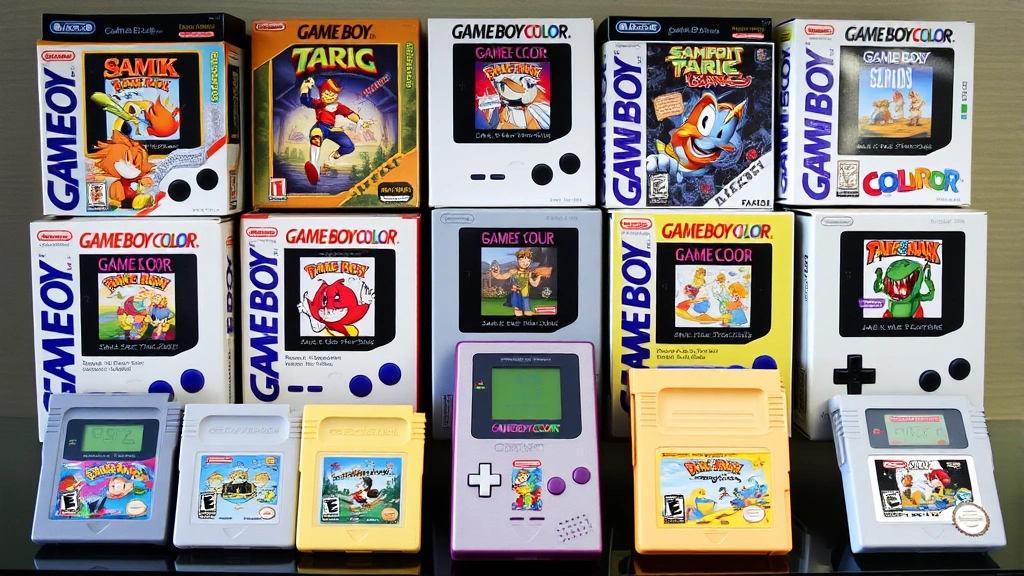
Prices vary significantly based on condition, rarity, and demand. Popular titles like Pokémon versions command premium prices, while lesser-known games remain more affordable. Complete-in-box copies cost substantially more than cartridge-only versions. Collector pricing has increased as retro gaming interest grows, but affordable options exist for budget-conscious players.
Can I play Game Boy Color games on modern Nintendo consoles?
Original Game Boy Color cartridges won’t function on modern Nintendo hardware, as the company has moved away from backward compatibility with older cartridge formats. However, Nintendo Switch Online provides access to selected Game Boy titles through emulation. Additionally, numerous third-party options enable Game Boy Color gameplay on contemporary devices.
What’s the rarest Game Boy Color game?
Several titles command high prices among collectors, including certain Japanese exclusives and limited releases. Games like Pocket Monsters Pikachu Yellow special editions, regional exclusives, and games with limited production runs fetch premium prices. Condition significantly impacts value, with mint-condition copies commanding substantial premiums over played versions.
How does Game Boy Color gaming compare to modern handheld systems?
Game Boy Color games offer simpler, often more focused experiences than modern handheld titles. The limitations forced developers to prioritize compelling core mechanics over graphical prowess, resulting in games with timeless design principles. Modern systems offer superior graphics and processing power, but Game Boy Color games demonstrate that engaging gameplay transcends technological specifications. For those interested in gaming evolution, exploring modern gaming innovations like cloud gaming shows how the industry has evolved since the Game Boy era.
Are there Game Boy Color games worth collecting as investments?
While some games appreciate in value, collecting should prioritize enjoyment over investment potential. Rare, complete-in-box versions of popular games appreciate most significantly, but market fluctuations affect value. Collecting Game Boy Color games primarily for investment purposes may prove disappointing, but acquiring beloved titles provides lasting entertainment value regardless of monetary appreciation.
What hidden gems deserve more recognition?
Beyond the major franchises, titles like Kirby’s Tilt ‘n’ Tumble, Wendy: Every Witch Way, and Balloon Kid offer unique experiences often overlooked by casual players. These games demonstrate the platform’s versatility and creative potential. Exploring lesser-known titles reveals the depth and breadth of Game Boy Color’s library, offering discoveries that reward curious players.
Where can I find Game Boy Color games today?
Online marketplaces like eBay and specialized retro gaming retailers offer extensive selections. Local game stores, thrift shops, and estate sales occasionally feature Game Boy Color games at reasonable prices. Online communities like Reddit’s retro gaming subreddits provide recommendations for reputable sellers and pricing guidance. Patience and thorough searching often yield excellent deals on quality games.