
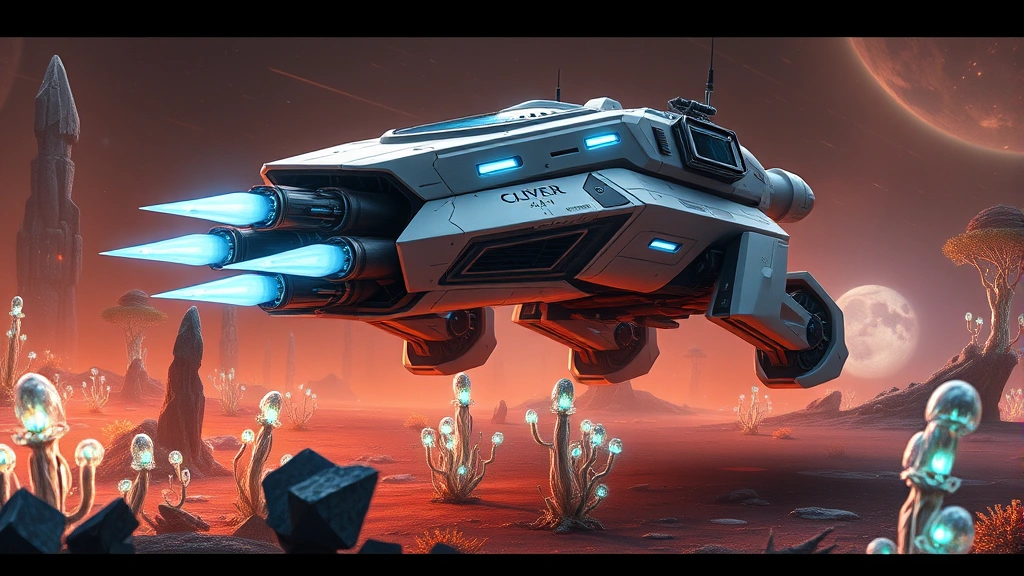
Eldar Fire Prism Guide: Expert Strategy Tips for Warhammer 40K
The Eldar Fire Prism stands as one of the most versatile and devastating tank platforms in Warhammer 40,000, representing the pinnacle of Asuryani gunnery and tactical flexibility. Whether you’re a seasoned 40K commander or just diving into the grimdark universe, mastering the Fire Prism can transform your army’s effectiveness on the tabletop. This ancient weapon system combines speed, firepower, and the ability to adapt to virtually any battlefield scenario, making it an essential component of competitive and casual Eldar lists alike.
In this comprehensive guide, we’ll explore everything you need to know about deploying, positioning, and maximizing the potential of your Fire Prisms. From understanding its weapon loadouts to synergizing with other Eldar units, you’ll discover the tactical nuances that separate casual players from tournament-winning strategists. Whether you’re interested in the Fire Prism’s raw damage output or its support capabilities through the Night Spinner variant, this guide provides actionable insights that will elevate your Warhammer 40K gameplay immediately.
Understanding the Fire Prism Platform
The Fire Prism represents the technological excellence of the Asuryani, combining advanced hovering technology with devastating weaponry that can engage targets at extreme ranges. This grav-tank operates as a medium-class vehicle, offering superior survivability compared to lighter Eldar transports while maintaining the mobility that defines the faction. The platform’s 12-inch move characteristic and ability to fall back and still shoot make it exceptionally difficult for opponents to pin down or eliminate through conventional tactics.
What makes the Fire Prism truly special is its signature weapon: the Prism Cannon. This weapon can operate in two distinct firing modes—the focused beam mode for single, powerful shots, or the dispersed mode for area denial. Understanding when to switch between these modes is crucial for maximizing effectiveness. The grav-tank also benefits from the Asuryani faction’s keyword access to numerous stratagems and psychic powers that can enhance its performance dramatically. When you’re building your army composition, consider how the latest gaming strategies and tactics apply to your Fire Prism deployment.
The vehicle’s characteristic toughness of 6 and reasonable wound count means it can weather moderate incoming fire, though smart positioning remains essential. Many players underestimate the importance of cover when deploying Fire Prisms, treating them as if their speed alone provides adequate protection. In reality, combining movement with cover utilization creates a defensive profile that’s significantly harder to crack than relying on either factor independently.
Weapon Systems and Loadout Optimization
The Prism Cannon serves as the Fire Prism’s primary armament, but understanding its mechanics separates novice players from experienced ones. In focused beam mode, the weapon fires a single shot with exceptional strength and armor penetration, perfect for targeting heavily armored threats like enemy tanks or elite infantry units. The focused beam excels at delivering concentrated firepower against key targets, making it ideal when you’ve identified priority threats that require immediate elimination.
Conversely, the dispersed mode spreads the Prism Cannon’s energy across a wider area, creating a 12-inch aura of damage that can soften up multiple units or finish off weakened squads. This mode proves invaluable during mid-game phases when you’re managing multiple threats across the battlefield. The psychological impact of dispersed fire shouldn’t be underestimated either—opponents often make tactical errors when facing the possibility of widespread casualties.
Secondary weapons deserve attention as well. The standard Fire Prism comes equipped with shuriken catapults, which provide reliable anti-infantry firepower for dealing with chaff units and protecting your tank from close-range threats. Some competitive lists opt for additional weapon options depending on the meta and specific matchups. Understanding your local competitive environment will help determine whether you need additional anti-air capabilities or should focus purely on anti-tank weaponry.
The Astra Militarum and other factions may rely on different tactical principles, but Eldar success hinges on leveraging superior mobility and firepower efficiency. Consider consulting Games Workshop’s official Warhammer Community resources for the latest rules updates and FAQs that might affect your Fire Prism’s optimal loadout.
Positioning and Deployment Strategies
Deployment represents one of the most critical phases of any Warhammer 40K game, and Fire Prisms require particularly thoughtful placement. Unlike static gun emplacements, your Fire Prisms should occupy positions that provide line of sight to priority targets while maintaining access to cover for defensive purposes. The ideal deployment position allows your tank to engage enemies while remaining partially obscured, making it difficult for opponents to achieve favorable hit rolls.
Early game positioning should prioritize board control and threat assessment. Rather than immediately rushing forward, experienced players position their Fire Prisms to observe enemy deployment patterns and respond accordingly. This reactive positioning approach often proves superior to predetermined placement, as it allows you to adapt to your opponent’s strategic choices. Many beginners make the mistake of committing their Fire Prisms to aggressive positions before understanding the complete enemy threat landscape.
Mid-game repositioning becomes increasingly important as the battle develops. Fire Prisms excel at moving around terrain features and using the board’s natural cover to maintain pressure while minimizing exposure. The key principle involves never staying in the same position for two consecutive turns if possible, as this allows your opponent to plan coordinated attacks. Your mobility advantage represents a significant strategic edge—leverage it ruthlessly.
When positioning near objectives, avoid clustering multiple Fire Prisms within easy assault range of aggressive enemy units. Spread your tanks across the battlefield to maximize their coverage area and force your opponent to divide their attention. This spacing strategy also protects you from catastrophic losses if your opponent manages to concentrate firepower on a single location.
Synergies with Eldar Units
The Fire Prism doesn’t operate in isolation within successful Eldar armies. Instead, it thrives when supported by complementary units that enhance its effectiveness and create layered tactical problems for opponents. Farseer psykers can cast powers that improve Fire Prism survivability or boost weapon effectiveness, creating force multipliers that justify the combined points investment. The Doom power, for instance, makes your Prism Cannon shots significantly more effective against priority targets.
Support from Wave Serpent transports provides mobile protection for Fire Prisms, creating mobile fire bases that prove exceptionally difficult to dislodge. When you combine the Fire Prism’s firepower with the Wave Serpent’s invulnerable save and transport capacity, you create a synergistic unit combination that punches well above its points cost. This principle of unit synergy represents fundamental Eldar strategy—individual units pale in comparison to well-coordinated combinations.
Windrider squads and other fast-moving units create tactical flexibility that complements Fire Prism deployment. While your Fire Prisms engage at range, these swift units can pressure enemy flanks, capture objectives, or deal with threats your tanks can’t effectively address. The combined mobility of your entire army creates a tempo advantage that most opponents struggle to match. For more insights on optimizing different gaming approaches, explore team-based tactical gaming strategies that parallel Warhammer 40K coordination principles.
Wraithguard and other heavy infantry units benefit tremendously from Fire Prism support, as your tank’s firepower softens targets before these elite units engage in close combat. This combined arms approach creates overwhelming force concentrations that devastate enemy armies. The interplay between ranged support and melee pressure defines successful Eldar list building.
Night Spinner Tactics and Comparison
The Night Spinner represents an alternative variant of the Fire Prism platform, trading the focused Prism Cannon for the Doomweaver weapon system. This specialized platform excels at area denial and anti-infantry roles, making it ideal for armies that prioritize controlling specific board areas or facing heavily infantry-focused opponents. Understanding when to include Night Spinners versus traditional Fire Prisms depends on your meta and the specific armies you face regularly.
The Doomweaver fires a large blast that automatically hits all models within its area effect, bypassing the need for accurate targeting. This mechanic proves devastating against tightly-packed infantry formations, making Night Spinners particularly effective against Ork hordes, Imperial Guard mobs, or other armies relying on numerical superiority. The psychological impact of potentially losing multiple models to a single shot encourages opponents to spread their units thinner, reducing their combat effectiveness.
Competitive players often field mixed Fire Prism and Night Spinner squads to maximize versatility. The combination of anti-tank and anti-infantry firepower creates a balanced threat profile that forces opponents to make difficult targeting decisions. If they focus on eliminating your Fire Prisms, your Night Spinners decimate infantry. If they target Night Spinners, your Fire Prisms remove their heavy armor.
The Night Spinner’s mobility matches the standard Fire Prism, maintaining the faction’s speed advantage while offering different tactical applications. Both variants benefit from identical positioning principles, though Night Spinner placement should prioritize board control and area denial over long-range anti-tank engagement. Understanding these nuanced differences will help you construct balanced armies capable of handling diverse opponents.
Advanced Competitive Strategies
Tournament-winning Fire Prism tactics involve sophisticated layering of defensive mechanics and offensive pressure that overwhelms opponents through sheer tactical complexity. Advanced players combine stratagems that enhance their Fire Prisms’ survivability with psychic powers that amplify their destructive potential. The interaction between different game mechanics creates emergent tactical opportunities that casual players often miss entirely.
Focusing fire represents a fundamental competitive principle often overlooked by inexperienced players. Rather than spreading your Fire Prism firepower across multiple targets, concentrating damage on single priority threats creates guaranteed eliminations that shift the game’s momentum decisively. This focused approach requires accurate threat assessment—you must identify which enemy units pose the greatest danger and eliminate them methodically.
Threat saturation deserves specific mention as an advanced tactic unique to Eldar armies. By deploying numerous threats across the battlefield simultaneously, you force your opponent to make impossible prioritization decisions. They cannot effectively address every threat, guaranteeing that some of your units will operate uncontested. Fire Prisms contribute significantly to this threat saturation strategy through their exceptional range and versatility.
Movement patterns in competitive play follow specific principles that maximize your advantages while minimizing your vulnerabilities. Rather than moving in straight lines toward objectives, successful players use terrain and board geometry to create unexpected firing angles and defensive positions. Your opponent’s ability to predict your movements decreases dramatically when you vary your tactical approaches from game to game.
For deeper strategic insights, consult IGN’s coverage of Warhammer 40K gaming strategies and competitive resources that discuss meta-level tactical considerations affecting the broader Warhammer 40K landscape.
Common Mistakes and How to Avoid Them
Overextending your Fire Prisms represents the most common mistake beginner players make. The temptation to maximize firepower output often leads to aggressive positioning that leaves your tanks vulnerable to concentrated counterattacks. Resist this temptation—measured aggression combined with tactical positioning proves superior to reckless advancement. Your Fire Prisms will accomplish far more surviving longer in protected positions than dying in overextended locations.
Neglecting cover utilization severely reduces your Fire Prisms’ effectiveness. Even with decent toughness characteristics, your tanks require cover to achieve reasonable survivability against focused fire. Always position your Fire Prisms behind terrain features that provide at least partial cover bonuses. This defensive principle applies regardless of your opponent’s army composition or the specific matchup you face.
Failing to adapt your Fire Prism tactics to changing game circumstances indicates tactical inflexibility. Successful players constantly reassess their strategies based on current board state, remaining enemy threats, and points advantages or disadvantages. What worked in turn one may prove counterproductive in turn three—remain flexible and adjust accordingly.
Ignoring synergies with supporting units limits your Fire Prisms’ potential dramatically. These tanks excel when coordinated with complementary forces, but struggle when deployed as isolated threats. Always consider how your entire army composition supports your Fire Prism deployment rather than treating them as standalone assets.
Misunderstanding weapon mode selection leads to suboptimal firepower allocation. New players often commit to focused beam mode without considering whether dispersed mode might prove more effective in specific situations. Practice switching between modes based on target types and tactical circumstances until the decision becomes automatic.
Check GameSpot’s gaming guides and tactical resources for additional perspectives on Warhammer 40K strategy that complement this guide’s recommendations and provide supplementary tactical insights.
FAQ
What’s the optimal number of Fire Prisms to include in competitive lists?
Most competitive Eldar armies field between two and four Fire Prisms depending on list construction and points availability. This quantity provides sufficient firepower to handle major threats while maintaining flexibility for other unit types. Lists with fewer than two Fire Prisms often lack sufficient anti-tank capability, while lists with more than four struggle to include necessary supporting units.
Should I prioritize Fire Prisms or Night Spinners for my army?
This decision depends entirely on your local meta and the armies you face most frequently. Fire Prisms excel against heavily armored opponents, while Night Spinners dominate against infantry-focused armies. Many competitive players include both variants to maximize versatility. Start with whichever matches your most common matchups, then expand from there.
How do I protect my Fire Prisms from assault-focused armies?
Positioning becomes absolutely critical against assault armies. Keep your Fire Prisms within screening range of dedicated anti-infantry units that can intercept charging enemies. Additionally, focus your firepower on eliminating major threats before they reach your tanks. Mobility allows you to maintain distance from assault threats while maintaining offensive pressure.
What stratagems work best with Fire Prisms?
Stratagems that enhance survivability, improve firepower accuracy, or enable tactical repositioning prove most valuable. Consult your current Eldar codex for faction-specific options, as stratagems change with new releases. Generally, stratagems that protect your tanks or boost damage output provide the best return on stratagem points.
Can Fire Prisms effectively operate independently from other units?
While Fire Prisms certainly function as standalone units, they achieve significantly better results when supported by complementary forces. Consider them components of a larger tactical system rather than independent threats. This philosophy guides successful Eldar list construction and gameplay approaches.
How does terrain affect Fire Prism positioning?
Terrain fundamentally shapes Fire Prism tactics. Elevated positions provide superior line of sight and firing angles, while dense terrain enables defensive positioning that maximizes cover bonuses. Always position your Fire Prisms relative to specific terrain features rather than treating the board as open space. Terrain mastery separates experienced players from novices.
What’s the best way to counter enemy Fire Prisms?
Focus fire proves most effective—concentrate your army’s anti-tank firepower on eliminating Fire Prisms before they inflict excessive casualties. Alternatively, rapid assault tactics that close distance before your opponent can effectively fire work well against mechanized armies. Understanding your opponent’s Fire Prism positioning allows you to develop appropriate counter-strategies.