
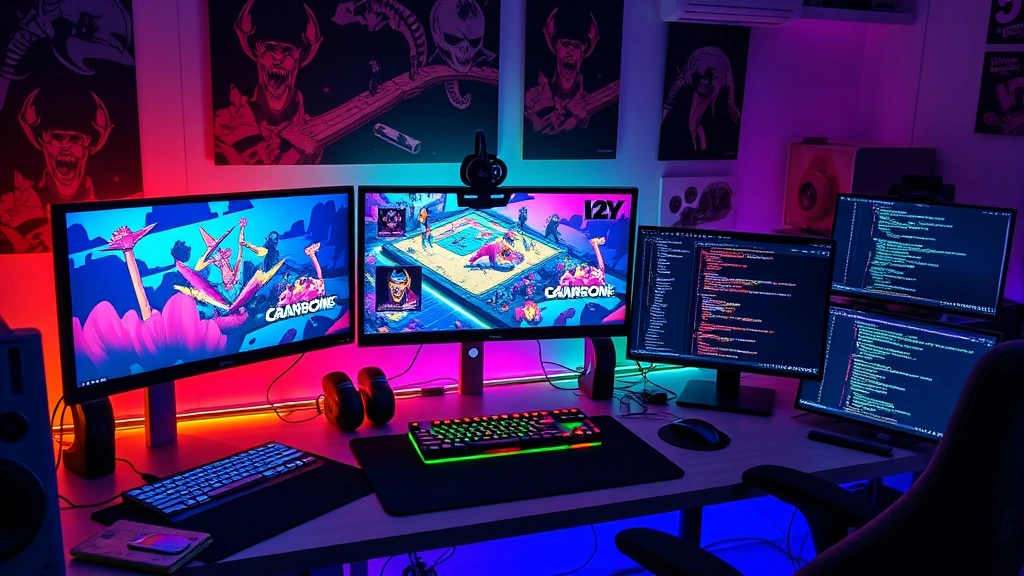
Top GitHub Games to Play: Developer Insights
GitHub has evolved far beyond a simple code repository platform—it’s become a thriving hub for indie game developers and open-source gaming projects. Thousands of developers worldwide share their creations, from polished indie masterpieces to experimental game engines that push creative boundaries. Whether you’re a hardcore gamer seeking hidden gems or a developer curious about what your peers are building, GitHub games represent some of the most innovative and accessible gaming experiences available today.
The beauty of GitHub games lies in their accessibility and transparency. Players can dive into the source code, understand how games are built, and even contribute to development. Many successful titles started as GitHub projects before gaining mainstream recognition. This article explores the most compelling games available on GitHub, offering developer insights into what makes them special and why they deserve your attention.
Understanding GitHub Games and Open-Source Gaming
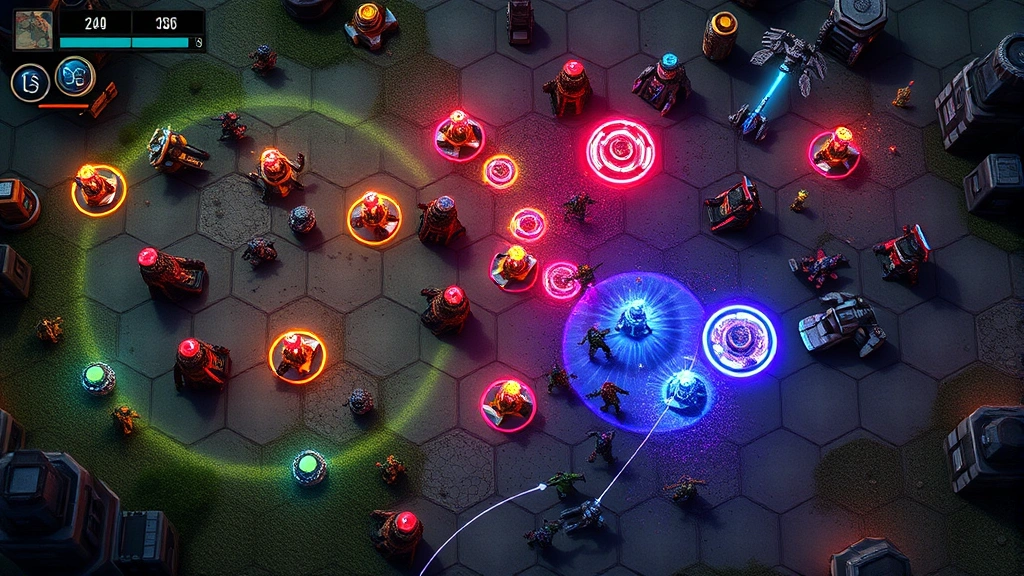
GitHub games represent a unique intersection of passion projects and legitimate gaming experiences. Unlike traditional commercial games, open-source games on GitHub are created by developers who prioritize creativity, community feedback, and technical innovation over profit margins. This fundamental difference shapes the entire gaming landscape on the platform.
Open-source gaming has democratized game development. Aspiring creators can study existing code, learn from established developers, and build upon previous work. This collaborative approach has resulted in some remarkable titles that rival commercial productions in terms of gameplay depth and artistic vision. Many GitHub games are completely free, and most include transparent development processes where players can watch projects evolve in real-time.
The technical infrastructure of GitHub makes it ideal for game development collaboration. Developers can manage versions, track issues, coordinate features, and receive contributions from worldwide talent. This transparency builds community trust and attracts talented programmers who want to contribute their skills to meaningful projects.
Top Genres of Games on GitHub
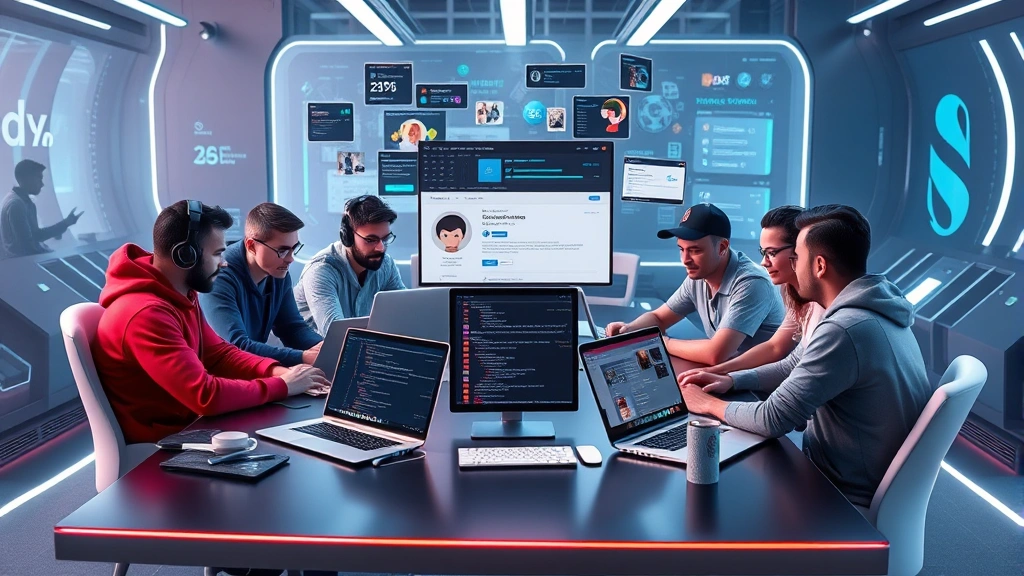
GitHub hosts an impressive diversity of game genres. Puzzle games dominate in terms of quantity, with thousands of implementations ranging from Sudoku solvers to complex pattern-matching challenges. These games often serve as learning projects for new developers while providing genuine entertainment value.
Strategy and turn-based games represent another major category. Chess variants, roguelikes, and tactical games thrive on GitHub because their mechanics are well-suited to open-source development. The community actively contributes AI improvements, new features, and balance adjustments that continuously enhance gameplay.
Retro and pixel-art games form a passionate niche within GitHub gaming. Developers recreate classic gaming experiences and build upon nostalgic aesthetics with modern mechanics. These projects attract both veteran gamers seeking familiar experiences and younger players discovering retro gaming for the first time.
Action games, 3D platformers, and experimental titles round out the ecosystem. While more technically demanding, these projects showcase cutting-edge game engine development and demonstrate what independent developers can achieve with modern tools and dedication.
Best GitHub Games by Category
Puzzle and Brain Teasers: Projects like 2048, Flappy Bird clones, and Tetris implementations dominate this space. While some might seem simplistic, many feature innovative twists, AI opponents, and multiplayer functionality. These games excel at teaching game development fundamentals while remaining genuinely playable.
Strategy and Roguelikes: Best indie games for PC often include roguelike elements, and GitHub hosts several standout examples. Games like Dungeon Crawl Stone Soup offer hundreds of hours of gameplay with procedurally generated dungeons, multiple character classes, and deep tactical combat systems. These projects benefit tremendously from open-source development, as the community continuously balances gameplay and introduces fresh content.
Retro Platformers: Developers recreate and reimagine classic platformer experiences. Projects like SuperTux and Tux Jump offer charming pixel-art aesthetics combined with challenging level design. These games prove that you don’t need cutting-edge graphics to create engaging experiences—solid mechanics and creative design trump visual fidelity every time.
Simulation Games: OpenTTD (Open Transport Tycoon Deluxe) stands as one of GitHub’s most successful games. This business simulation game allows players to build transportation empires through trains, buses, ships, and aircraft. The game’s longevity stems from constant community updates, new features, and competitive multiplayer modes.
Educational Games: Game Forge Daily Blog frequently highlights how games can teach valuable skills. GitHub hosts numerous educational titles that teach programming, mathematics, and problem-solving through engaging gameplay. These projects prove that entertainment and education aren’t mutually exclusive.
Multiplayer Experiences: Best co-op games on Steam show how multiplayer gaming creates community. GitHub features several cooperative games where players collaborate toward shared objectives. These titles demonstrate that competitive gameplay isn’t necessary for engaging multiplayer experiences.
3D and Advanced Graphics: Projects utilizing Godot Engine and Unreal Engine showcase sophisticated visual experiences. Games like Veloren represent massive community efforts to create open-source MMORPGs with impressive graphics, complex mechanics, and thriving player communities. These projects prove that indie developers can match commercial production values.
How to Find and Install GitHub Games
Finding games on GitHub requires understanding the platform’s search functionality. Start by visiting GitHub.com and searching for “games” with appropriate filters. You can sort by stars (popularity), forks (community interest), or recent updates (active development). This approach quickly identifies the most notable projects.
Specialized GitHub collections and curated lists make discovery easier. Several developers maintain awesome-games repositories that catalog the best GitHub gaming projects. These curated lists save time and highlight genuinely quality titles worth playing.
Installation processes vary depending on the game. Some projects provide pre-compiled releases ready for immediate play. Others require building from source code, which involves downloading the repository and following the developer’s build instructions. Most README files include detailed setup guides, making installation accessible even for non-technical players.
For beginners, starting with games that offer pre-compiled releases eliminates technical barriers. As comfort grows, exploring games requiring compilation becomes more rewarding, as you’ll better understand how games are constructed and can even modify them to suit your preferences.
Many GitHub games also appear on platforms like itch.io, which provides convenient downloads and web-based play options. This accessibility means you can experience GitHub games without command-line knowledge or programming experience.
Developer Perspectives on GitHub Gaming
Developers choose GitHub for game projects because it offers version control, collaboration tools, and community visibility simultaneously. Unlike traditional game development, where teams work behind closed doors, GitHub developers embrace transparency. This openness attracts contributors, generates valuable feedback, and creates accountability that drives quality improvements.
Many successful commercial indie developers started with GitHub projects. Best single player games 2025 frequently trace their origins to open-source experiments. This trajectory demonstrates that GitHub serves as both a creative outlet and a potential launchpad for professional gaming careers.
Developers emphasize that GitHub games thrive because contributors care deeply about quality. Unlike corporate environments where deadlines trump perfection, open-source developers optimize for long-term sustainability and genuine player satisfaction. This philosophy results in games that age gracefully, receiving updates years after initial release.
The technical education aspect cannot be overstated. Developers use GitHub games to learn professional game development practices, study efficient code architecture, and master industry-standard tools. This learning pipeline benefits the entire gaming ecosystem by elevating developer skill levels across the community.
Monetization remains intentionally absent from most GitHub games. While some developers accept donations or release commercial versions, the core GitHub projects remain free. This commitment to accessibility ensures games reach players who might otherwise never experience them, democratizing entertainment in meaningful ways.
Community and Collaboration in GitHub Gaming
The GitHub gaming community represents one of the most collaborative environments in software development. Players aren’t passive consumers—they’re potential contributors, bug reporters, and creative collaborators. This dynamic relationship between developers and players creates vibrant ecosystems where everyone contributes to game quality.
Issue tracking systems allow players to report bugs, suggest features, and discuss gameplay balance. Developers carefully consider community feedback, implementing suggestions that align with project vision while maintaining creative integrity. This collaborative decision-making produces games that genuinely reflect player desires.
Pull requests enable talented contributors worldwide to directly improve games. Whether fixing bugs, adding features, or optimizing code, these contributions represent thousands of volunteer hours dedicated to making games better. The best GitHub games showcase dozens of contributors whose collective effort rivals small professional studios.
Community-driven content creation flourishes within GitHub games. Modding communities develop new levels, balance adjustments, and entirely new game modes. This user-generated content dramatically extends game lifespan and keeps communities engaged long after initial release.
Streaming and content creation amplify GitHub games’ reach. Popular streamers showcase these titles, introducing millions of viewers to open-source gaming. This visibility attracts new contributors and players, creating positive feedback loops that strengthen communities.
Competitive scenes emerge around certain GitHub games. Players organize tournaments, develop meta strategies, and create esports-style competition around titles like Veloren and Chess variants. These competitive communities prove that GitHub games can deliver experiences as engaging as commercial titles.
Social aspects extend beyond gameplay mechanics. Discord servers, forums, and Reddit communities become gathering places where players discuss strategy, share creative content, and build lasting friendships. These social connections transform games from solitary experiences into shared adventures that create genuine human bonds.
For aspiring game developers, GitHub communities provide mentorship and guidance. Experienced developers review code, suggest improvements, and help newcomers understand game development principles. This educational aspect creates positive cycles where new developers eventually mentor others, perpetuating knowledge transfer.
FAQ
Are GitHub games safe to download and play?
Yes, GitHub games are generally safe. The platform’s transparency means you can review source code before playing. Most projects have active maintainers who address security concerns promptly. However, exercise normal caution as you would with any software download. Stick to popular projects with substantial user bases and active development.
Do I need programming knowledge to play GitHub games?
Not at all. Many GitHub games offer pre-compiled releases that work like traditional game downloads. Simply download the executable file and play. Programming knowledge only becomes relevant if you want to modify games or contribute code.
Can I contribute to GitHub games without experience?
Absolutely. Many projects welcome contributors of all skill levels. Start by reporting bugs, suggesting features, or improving documentation. As comfort grows, tackle code contributions. Most communities actively mentor newcomers and celebrate contributions regardless of complexity.
How do GitHub games compare to commercial titles?
GitHub games vary widely in scope and polish. Some rival commercial productions in quality and depth, while others represent smaller passion projects. The best GitHub games offer unique experiences you won’t find commercially, often with superior customization options and active development.
Where can I find recommendations for GitHub games?
Check awesome-games repositories, visit itch.io, explore Reddit gaming communities, and follow IGN‘s indie game coverage. These resources regularly highlight standout GitHub projects worth exploring.
Can I monetize games I create on GitHub?
Yes. You retain full ownership and can commercialize your work. Many developers release free GitHub versions while offering enhanced commercial versions. This approach builds community trust while generating revenue for continued development.
How often do GitHub games receive updates?
Update frequency varies. Popular projects like OpenTTD and Veloren receive updates monthly or more frequently. Smaller passion projects might update less regularly. Check the project’s commit history to assess development activity before investing time.
What game engines do GitHub developers prefer?
Godot Engine dominates among GitHub game developers due to its open-source nature and beginner-friendly design. Unreal Engine and Unity also appear frequently, along with custom engines built from scratch. The choice depends on project scope and developer preference.

