How Long Are Baseball Games? Expert Analysis of Game Duration Trends
Baseball has long been celebrated as America’s pastime, but one question continues to spark debate among fans, broadcasters, and league officials: just how long are baseball games? Whether you’re planning your evening entertainment or trying to decide if you can catch a game before other commitments, understanding baseball game length has become increasingly important. The average Major League Baseball game has evolved significantly over the past two decades, influenced by rule changes, broadcasting schedules, and player behavior patterns.
Game duration isn’t merely a matter of curiosity—it directly impacts fan engagement, television ratings, and even the strategic decisions made by teams. Unlike single-player gaming experiences with fixed completion times, baseball games have variable lengths that can surprise even seasoned viewers. Understanding these timelines helps fans appreciate the sport’s rhythms and plan their viewing accordingly.
Current Average Game Length in MLB
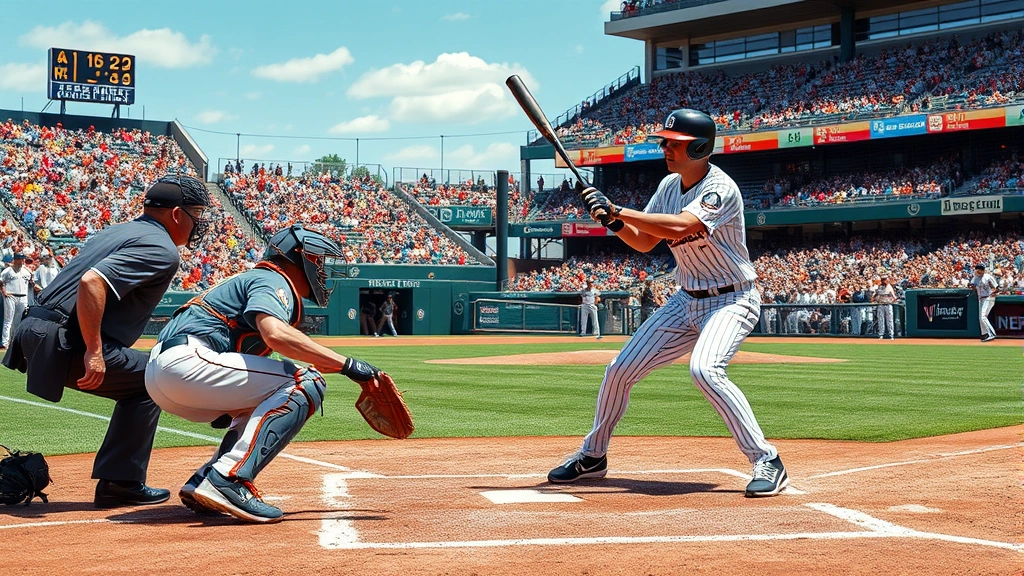
As of 2024, the average Major League Baseball game lasts approximately 2 hours and 38 minutes to 2 hours and 43 minutes, depending on the league and specific matchup. This represents a significant change from earlier eras when games routinely exceeded three hours. The American League typically sees slightly longer games than the National League, though this gap has narrowed considerably in recent seasons.
The average game length varies by team and ballpark. Some franchises, particularly those with aggressive pitching strategies or patient hitters, might see games stretch closer to three hours. Conversely, teams with quick-tempo offenses and efficient pitching staffs can complete games in under 2 hours and 30 minutes. Regional factors also play a role—games at high-altitude stadiums like Coors Field in Denver tend to be longer due to increased scoring opportunities.
Understanding these baseline numbers helps contextualize what makes certain games feel longer or shorter. Much like how cooperative gaming experiences require commitment from all participants, baseball games demand attention and patience from fans, making duration awareness crucial for planning purposes.
Historical Trends and Changes
The evolution of baseball game length tells a fascinating story about how the sport has adapted to modern entertainment demands. In the 1950s, games averaged around 2 hours and 15 minutes. By the 1980s, this had crept up to approximately 2 hours and 45 minutes. The 2000s saw games regularly exceed three hours, with the average climbing to 3 hours and 15 minutes by the early 2010s.
This upward trajectory alarmed Major League Baseball executives, who recognized that extended game times might deter younger audiences accustomed to faster-paced entertainment. The turning point came around 2015 when MLB began implementing pace-of-play initiatives. These changes have gradually reversed the trend, bringing games back to more reasonable durations.
The 2023 season marked a watershed moment when MLB introduced the pitch clock—a revolutionary rule that fundamentally altered game rhythm. With pitchers limited to 15 seconds with bases empty (and 30 seconds with runners on base), the pace of play accelerated dramatically. This innovation demonstrated that substantial game-time reductions were achievable through rule modifications rather than eliminating baseball’s essential elements.
Factors Affecting Game Duration
Pitching Changes and Strategy: The number of pitching changes is perhaps the single largest contributor to game length. Modern baseball emphasizes specialized relief pitchers for specific situations, leading to frequent mound visits and pitcher replacements. A game with eight or nine pitching changes can easily exceed three hours, while games with minimal bullpen activity stay well under 2 hours and 45 minutes.
Scoring and Runs: High-scoring games naturally take longer because each run requires baserunners and hits. Games featuring explosive offensive performances, particularly in early innings, tend to run longer than defensive slugfests. Interestingly, indie game developers often face similar pacing challenges when designing competitive experiences with variable outcomes.
Walk Rates and Strikeouts: Teams employing aggressive strikeout-dependent strategies (swinging for power) can paradoxically affect game length in both directions. Strikeouts end plate appearances quickly, but walks extend them. The modern emphasis on three-true-outcomes baseball (home runs, walks, strikeouts) has influenced overall game pacing.
Batter Preparation Rituals: The pitch clock has reduced excessive batter rituals, but individual player routines still affect pace. Some hitters employ lengthy between-pitch preparations involving equipment adjustments and focus routines, collectively adding minutes to games.
Weather Conditions: Rain delays and cold weather affecting ball carry can extend games. Games played in cooler temperatures often feature different offensive patterns that influence duration.
Crowd and Stadium Atmosphere: Energetic crowds can influence player tempo, while certain stadiums’ architectural features might affect play velocity. Delays for grounds crew maintenance or technical issues also factor into total game time.
Postseason and Special Games
Playoff baseball operates under different temporal dynamics than regular season games. Postseason contests typically run 15-30 minutes longer than regular season equivalents, averaging 3 hours to 3 hours and 15 minutes. The heightened stakes encourage more cautious managing, leading to additional pitching changes and strategic delays.
Wild Card games and Division Series contests often feature tighter pitching matchups, while League Championship Series and World Series games showcase baseball at its most strategic and deliberate. These championship contests frequently exceed three hours, with some memorable World Series games stretching past four hours.
All-Star Games, conversely, tend to run shorter than regular season contests—typically 2 hours and 45 minutes to 3 hours—because managers prioritize rotating players through different positions, resulting in fewer tactical complexities.
Spring Training games present an interesting counterpoint, often completing in under 2 hours and 45 minutes as teams prioritize player development over competitive intensity. These exhibition contests serve as excellent opportunities for fans seeking shorter baseball experiences, similar to how gaming enthusiasts might prefer shorter gaming sessions during certain periods.
League Initiatives to Control Time
Major League Baseball’s commitment to managing game duration has produced measurable results through several strategic initiatives. The pitch clock implementation in 2023 represented the most significant intervention, successfully reducing average game times by 10-15 minutes league-wide during that inaugural season.
Additional rules modifications include limiting mound visits without pitching changes and restricting the number of pitching changes per game during specific innings. These changes maintain competitive integrity while acknowledging that modern audiences have limited attention spans for extended sporting events.
The league also implemented a three-batter minimum for relief pitchers, preventing managers from deploying specialists for single-batter situations that previously extended games unnecessarily. These compounding changes collectively demonstrate MLB’s serious commitment to addressing duration concerns.
Broadcasting partnerships have influenced these decisions as well. Television networks prefer games that fit within predictable time windows, maximizing scheduling efficiency and viewer satisfaction. MLB’s official website provides real-time game statistics including pace-of-play metrics, reflecting the league’s transparency about these initiatives.
Fan Perspective and Engagement
Fan opinions regarding game duration remain surprisingly divided. Younger audiences, particularly those accustomed to recording and watching gaming content with customizable viewing speeds, often prefer shorter games. Conversely, traditional baseball enthusiasts argue that extended games allow for deeper narrative arcs and more strategic complexity.
Stadium attendance data suggests that game length moderately influences attendance decisions, particularly among families with young children and casual fans. However, competitive quality and team performance remain far more influential factors in attendance patterns than duration alone.
Social media engagement during games reveals interesting patterns: fan interaction peaks during crucial moments rather than maintaining constant intensity throughout. Shorter games with concentrated excitement often generate more engagement per minute than longer games with extended lulls.
Survey data from ESPN and other sports media organizations indicates that approximately 60% of fans consider 2 hours and 45 minutes to 3 hours the ideal game length—long enough to develop storylines but short enough to maintain engagement. This consensus has influenced MLB’s strategic decision-making around pace-of-play initiatives.
International audiences, particularly from countries with cricket and different sporting traditions, often find baseball’s traditional duration excessive. MLB’s expansion efforts in markets like Japan and South Korea have contributed to the organization’s emphasis on more concise game formats.
The streaming era has also influenced perceptions about game duration. Fans watching on-demand can skip slower sections, creating a psychological expectation that live broadcasts should move at accelerated paces. This cultural shift has validated MLB’s modernization efforts.
FAQ
What is the shortest possible baseball game?
Theoretically, a baseball game could conclude in approximately 1 hour and 30 minutes if both teams scored efficiently and minimized walks and strikeouts. However, official MLB records show the shortest nine-inning game at 1 hour and 29 minutes, achieved between the New York Giants and Philadelphia Phillies in 1919. Modern games rarely approach these extremes due to strategic complexity and player conditioning expectations.
Do extra-inning games significantly extend duration?
Yes, extra-inning games add 20-45 minutes depending on how many additional innings are required. The implementation of the automatic runner rule in 2020 (placing a runner on second base to start extra innings) has reduced average extra-inning duration compared to historical precedent. These games can occasionally exceed four hours.
How do doubleheaders affect total time commitment?
Traditional doubleheaders require approximately 5 hours and 30 minutes to 6 hours total, including the break between games. Split doubleheaders played on separate days obviously spread this time across different dates. The return of split doubleheaders in recent seasons reflects MLB’s attempt to balance scheduling demands with fan engagement considerations.
Why do some games feel longer than their actual duration?
Game pacing—the frequency of action and exciting moments—significantly influences perceived duration independent of actual time elapsed. Games with frequent scoring, dramatic plays, and quick action feel shorter, while games with extended scoreless stretches feel interminably long despite similar total times.
What’s the relationship between game duration and player performance?
Some research suggests that extended games slightly disadvantage visiting teams due to travel fatigue and circadian rhythm disruption. However, this effect remains marginal compared to home-field advantage factors. Player performance data shows minimal correlation between game length and individual statistical output.
Are minor league games shorter than MLB games?
Minor league games typically run 2 hours and 30 minutes to 2 hours and 45 minutes, slightly shorter than MLB average. Reduced roster depth and fewer specialized relief pitchers contribute to this difference. Minor league pace-of-play rules often emphasize development over competitive intensity.
How has the pitch clock specifically impacted game duration?
The pitch clock reduced average game times by approximately 10-15 minutes in its first season (2023). Subsequent refinements have maintained these improvements. The rule proved highly effective without substantially altering baseball’s fundamental strategic elements, validating MLB’s experimental approach to pace-of-play management.