
College Football Game Length Explained: Expert Insight
College football games are a staple of American sports culture, drawing millions of viewers every season. Whether you’re a die-hard fan planning your Saturday or a casual observer wondering what you’re getting into, understanding how long these games actually take is essential. The answer isn’t as straightforward as you might think, and several factors influence the total duration from kickoff to final whistle.
If you’ve ever settled in to watch a college football game, you’ve probably noticed that the clock on the field doesn’t always match the actual time elapsed. This phenomenon confuses many viewers and contributes significantly to the overall game length. Beyond just the game itself, there are pre-game festivities, halftime shows, and post-game celebrations that can extend your viewing experience considerably. Let’s dive deep into what determines how long college football games really are and what you should expect when you tune in.
Standard College Football Game Duration
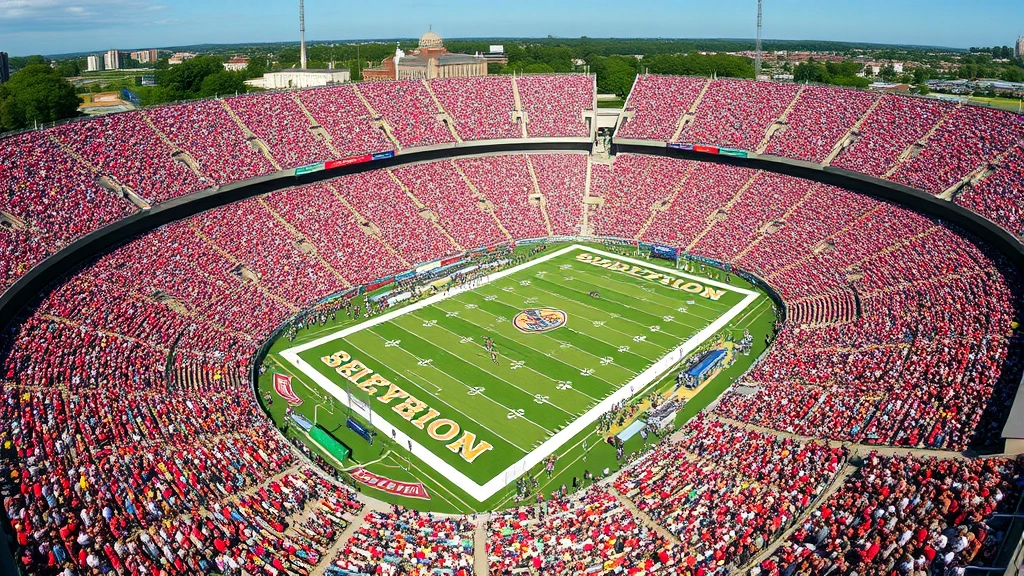
The official game clock in college football runs for four quarters of fifteen minutes each, totaling sixty minutes of actual playing time. However, this is where most people’s understanding stops—and where the confusion begins. In reality, a typical college football game takes between three and three and a half hours to complete from start to finish. Some games push closer to four hours, especially if they’re competitive matchups with multiple stoppages.
The discrepancy between game clock time and real time occurs because the clock stops frequently during play. Every incomplete pass, every player going out of bounds, every timeout called, and every change of possession triggers clock stoppages. Additionally, officials need time to review plays, assess penalties, and reset for the next down. These natural breaks in action accumulate quickly, making the actual elapsed time significantly longer than the sixty minutes of game clock time.
For context, ESPN’s coverage of college football consistently shows games running three to three and a half hours. High school football games, by comparison, typically last two to two and a half hours, while professional NFL games average about three hours and ten minutes. College football sits right in the middle-to-longer range of football game durations.
Why Games Run Longer Than Expected
Understanding the mechanics behind game length helps explain why college football extends beyond the basic sixty-minute clock. The primary culprit is the stop-clock rule in college football. Under NCAA regulations, the clock stops whenever a play results in an incomplete pass, a player going out of bounds, or certain penalties. The clock restarts when the ball is snapped for the next play, creating numerous interruptions throughout the game.
Television timeouts represent another significant factor. Networks broadcasting college football games are entitled to specific timeout windows during each quarter. These commercial breaks are scheduled at predetermined times and can extend game duration by fifteen to twenty minutes across the entire contest. If you’re watching a nationally televised game, expect additional downtime for advertisements and broadcast-related activities.
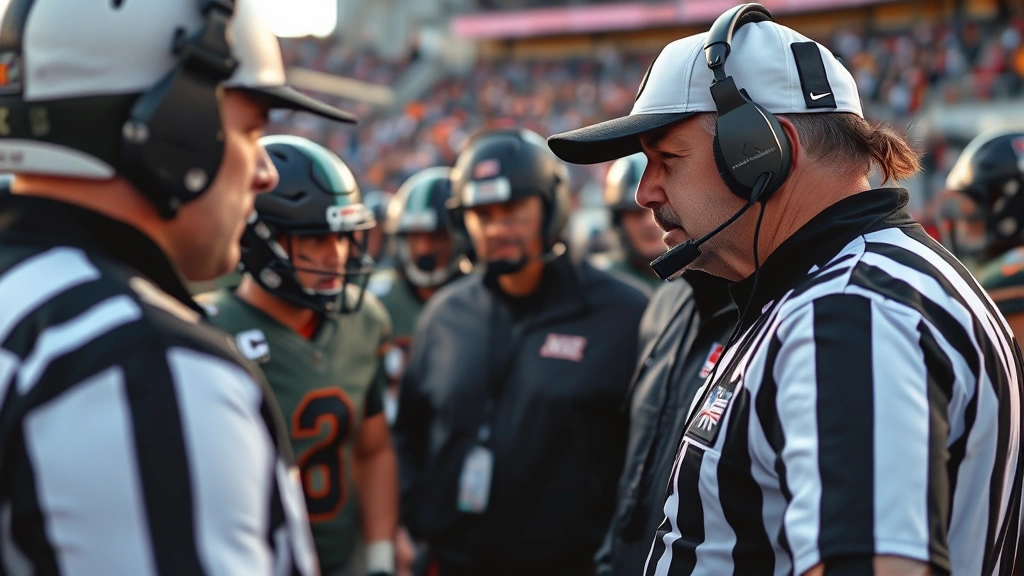
Penalty flags also contribute substantially to game length. College football officials are meticulous about enforcing rules, and when penalties occur, the clock stops while officials discuss the infraction, measure the yardage, and explain the penalty to coaches and players. A particularly penalizing game could see an additional ten to fifteen minutes added to the total duration.
Coaches’ timeouts represent another layer of game extension. Each team receives three timeouts per half, and coaches frequently use them strategically near the end of quarters or when attempting to stop momentum. Each timeout lasts approximately forty seconds, and with multiple timeouts per game, these can accumulate to several minutes of additional time.
Halftime itself deserves special mention. The NCAA mandates a twenty-minute halftime break, but broadcasts often extend this to thirty minutes or longer to accommodate marching bands, elaborate halftime shows, and additional commercials. This is why the actual time between the second and third quarters feels substantially longer than twenty minutes.
Halftime and Pre-Game Events
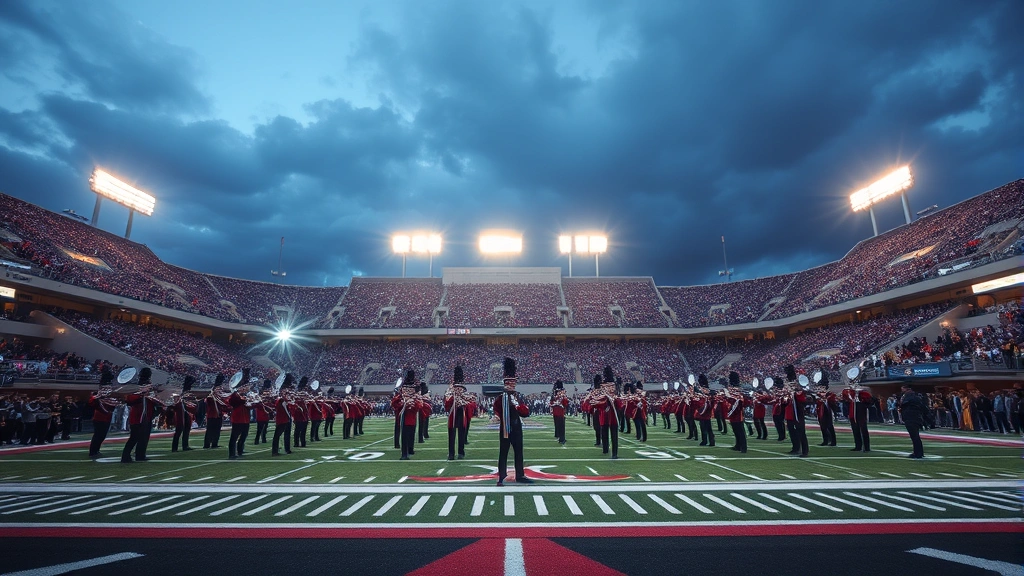
Halftime at college football games is an institution unto itself. The twenty-minute clock resets, but the actual halftime experience can stretch thirty minutes or more when you factor in band performances, cheerleading routines, and promotional activities. Some major programs feature elaborate halftime shows that rival entertainment productions, adding significant time to the overall broadcast.
Pre-game activities also extend your total time commitment. If you’re attending a game in person or watching a televised broadcast, expect thirty minutes to an hour of pre-game coverage before the opening kickoff. This includes team introductions, national anthem performances, coin tosses, and initial broadcast commentary. Major rivalry games or championship contests often feature extended pre-game ceremonies that can push this even longer.
Post-game celebrations add another dimension to the overall experience. Championship-winning games or significant upset victories often include extended award ceremonies, trophy presentations, and team celebrations on the field. These can add fifteen to thirty minutes to your viewing time if you watch through to completion.
For those interested in optimizing their viewing experience with modern technology, you might want to check out our cloud gaming guide to understand how streaming services deliver sports content, or explore our gameplay recording guide if you want to capture memorable moments from broadcasts.
Overtime Situations
College football overtime rules have evolved significantly over the years, and they dramatically impact game length. Under the current NCAA overtime format implemented in recent seasons, teams alternate possessions starting at the opponent’s twenty-five-yard line. Each team gets a possession, and if the score remains tied after both teams have had a chance, the game continues with sudden-death overtime rules.
A single overtime period can add fifteen to thirty minutes to game duration, depending on how quickly teams score or turn the ball over. Close games that go to double or triple overtime can extend game times to four, four and a half, or even five hours. The NCAA’s official overtime rules ensure competitive fairness but significantly extend viewing time for dramatic finishes.
Notable overtime games have pushed the boundaries of endurance for both players and fans. Some historic college football contests have lasted well over four hours due to multiple overtime periods and extended play situations. If you’re planning to watch a game between evenly matched teams, building in extra time for potential overtime is a smart strategy.
Television Broadcast Impact
Television networks have substantial influence over actual game length through their broadcast requirements and commercial scheduling. National broadcasts on networks like ESPN College Football include mandatory commercial windows that can add fifteen to twenty minutes to game duration. These breaks occur at specific times during quarters and are non-negotiable components of the broadcast agreement.
Different networks and broadcast situations result in varying game lengths. Games broadcast on regional networks or streaming platforms may have slightly different commercial requirements compared to prime-time national broadcasts. Saturday afternoon games often run shorter than prime-time evening games because networks have more flexibility with scheduling.
Replay reviews also extend game time significantly. Modern college football relies heavily on instant replay to verify close calls, and these reviews can consume several minutes per occurrence. A game with multiple controversial plays requiring review can add ten to fifteen minutes to total duration.
For gamers interested in sports simulation and broadcasting dynamics, exploring multiplayer gaming experiences can provide similar strategic depth found in watching competitive college football matchups.
How to Plan Your Viewing Experience
Armed with this knowledge, you can better plan your college football viewing schedule. If a game kicks off at 12:00 PM, you should expect it to conclude somewhere between 3:00 PM and 3:30 PM under normal circumstances. Adding thirty minutes beforehand for pre-game coverage means dedicating a full four-hour window from 11:30 AM to 3:30 PM for a standard game.
For evening games, similar calculations apply. A 6:00 PM kickoff typically means a 9:00 to 9:30 PM finish, though prime-time games often run longer due to extended broadcast elements. Planning accordingly ensures you won’t miss important moments or find yourself unexpectedly delayed.
Consider recording games if you want to watch them later without the extended commercials and downtime. Many streaming services and cable providers allow you to skip through commercials and halftime shows, reducing total viewing time to approximately two hours and fifteen minutes of actual football action. This approach appeals to viewers wanting the core game experience without the extended production elements.
Attending games in person differs slightly from television viewing. Stadium experiences include pre-game tailgating, parking time, and post-game crowd management that can extend your total time commitment to five or six hours for a single game. However, the atmosphere and energy of live attendance often make this extended commitment worthwhile for dedicated fans.
If you’re building a gaming setup to enjoy sports broadcasts in optimal conditions, our gaming PC build guide offers insights into creating an entertainment-focused system with excellent display and audio capabilities.
Weather conditions can also impact game length. Rain delays, lightning stoppages, and extreme heat requiring additional water breaks can add fifteen to thirty minutes to game duration. Games played in adverse weather often run longer than scheduled, so flexibility in your planning is wise during seasons with unpredictable conditions.
FAQ
What is the exact length of a college football game?
A typical college football game lasts between three and three and a half hours from kickoff to final whistle. This includes the sixty minutes of game clock time plus all stoppages, timeouts, and broadcast elements. Games can extend to four hours or longer if they go to overtime or feature multiple reviews.
How much of a college football game is actual playing time?
The game clock shows sixty minutes of actual football action divided into four quarters of fifteen minutes each. However, the clock stops frequently during play, so the actual time elapsed between kickoff and the final whistle is significantly longer—typically three to three and a half hours.
Why does halftime last so long?
The NCAA mandates a twenty-minute halftime break, but broadcasts often extend this to thirty minutes or longer to accommodate marching band performances, cheerleading routines, promotional activities, and commercial breaks. Major programs with elaborate halftime shows may push this even further.
Do college football games run longer than NFL games?
College football games typically run similar lengths to NFL games, both averaging around three hours. However, college games can vary more widely depending on the conference, broadcast network, and specific game circumstances. Some college games run shorter, while others extend longer than typical NFL contests.
How much longer do overtime games take?
Each overtime period in college football can add fifteen to thirty minutes to game duration, depending on how quickly teams score. Double overtime games might add forty-five minutes to an hour, while triple overtime games can extend total time to four and a half or five hours.
Can I watch a college football game summary instead?
Yes, many sports networks offer condensed game replays that capture highlights and key plays in thirty to sixty minutes. These summaries eliminate commercials, excessive downtime, and halftime shows, providing the essential football action without the extended time commitment. Check your cable provider or streaming service for condensed replay options.
What factors most significantly extend college football game length?
Television commercial breaks, coach and network timeouts, penalty flags and reviews, and halftime entertainment are the primary factors extending game length beyond the basic sixty-minute clock. Together, these elements typically add ninety minutes to two hours to the official game time.
Understanding college football game length helps you plan your weekend schedule more effectively and set realistic expectations for viewing. Whether you’re a casual fan or a devoted follower of the sport, knowing that a standard game requires a three to three and a half hour commitment allows you to fully enjoy the experience without surprises. Visit Game Forge Daily Blog for more sports and entertainment insights.