

How Long Is a Football Game? Expert Analysis of Game Duration
Football fans and newcomers alike often wonder about the actual time commitment required to watch a complete football game. Whether you’re planning your Sunday afternoon or deciding if you have time to catch a match, understanding football game duration is essential. The answer isn’t as straightforward as you might think, and there are several factors that influence how long you’ll be glued to your screen.
The typical American football game lasts between three to four hours, though this can vary significantly based on league, level of play, and specific game circumstances. This extended duration has become a topic of discussion among broadcasters, league officials, and fans who debate whether modern football games have become too long. Let’s dive deep into what makes football games take as long as they do and explore all the variables at play.

Actual Playing Time vs Total Game Duration
One of the most surprising revelations for football enthusiasts is the difference between actual playing time and total broadcast time. When you tune in to watch a football game, you’re committing to significantly more time than the ball is actually in play. In the NFL, a regulation game consists of four 15-minute quarters, which totals exactly 60 minutes of playing time. However, the actual clock time for that game typically spans 3 to 3.5 hours.
This dramatic difference occurs because the game clock stops frequently throughout the match. Timeouts, incomplete passes, out-of-bounds plays, penalties, and substitutions all halt the action. Additionally, broadcasters insert commercial breaks between plays, which consume a substantial portion of the viewing experience. Understanding this distinction helps fans appreciate why they need to block out a significant chunk of their day for a single game.
The gap between playing time and total duration has been growing over the years, leading to criticism from broadcasters and viewers who feel games have become unnecessarily drawn out. Sports analysts regularly discuss whether the current format serves the best interests of fans or if adjustments should be made to streamline the experience.
NFL Game Length Breakdown
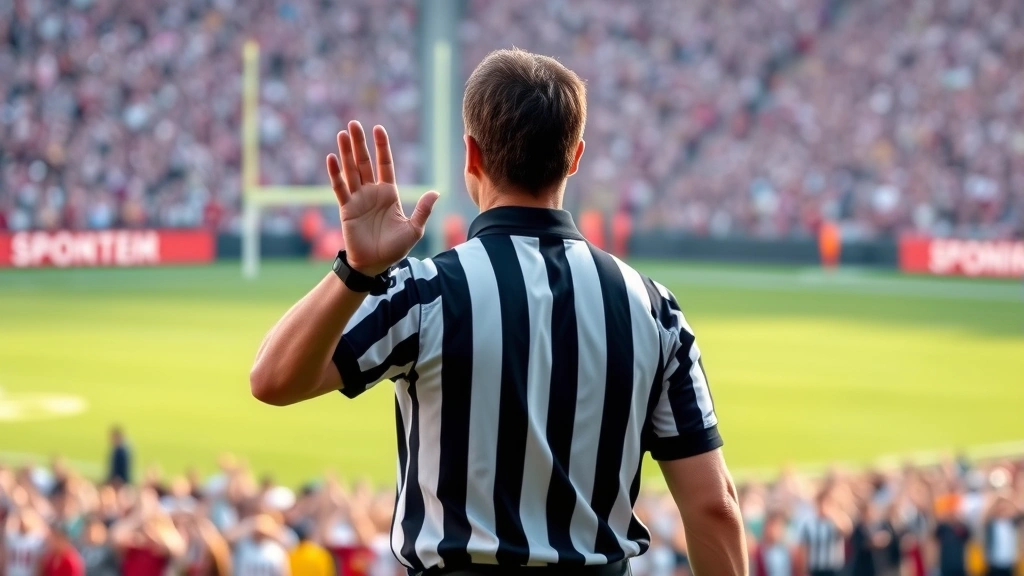
The National Football League represents the pinnacle of professional football in the United States, and NFL games follow strict timing regulations. A standard NFL game consists of four 15-minute quarters, but the actual time from kickoff to final whistle typically ranges from 3 hours to 3 hours and 45 minutes. Prime-time games, particularly those broadcast on major networks, tend to run longer due to extended commercial breaks and additional coverage elements.
Here’s a typical NFL game time breakdown:
- Pregame Coverage: 30 minutes to 1 hour before kickoff
- First Half: Approximately 1.5 to 1.75 hours (including halftime break of 12-15 minutes)
- Second Half: Approximately 1.5 to 1.75 hours
- Postgame Analysis: 15-30 minutes after the final whistle
The average NFL game now includes approximately 55-60 minutes of commercials, which represents nearly 30% of the total broadcast time. This has become a point of contention among viewers who feel the advertising load diminishes the viewing experience. If you’re interested in understanding more about gaming and entertainment experiences, check out our Game Forged Daily Blog for comprehensive coverage of entertainment topics.
College Football Duration Factors
College football games typically last slightly longer than their NFL counterparts, usually ranging from 3 hours and 15 minutes to 4 hours or more. The differences stem from several factors specific to college athletics. College quarterbacks throw more frequently than NFL players, leading to more incomplete passes and clock stoppages. Additionally, college games often feature more penalties, which adds time through penalty announcements and replay reviews.
The structure of college football also contributes to extended game times. College teams employ different timeout strategies, and the rules governing clock management differ from professional football. Furthermore, college broadcasts often include more extensive commentary about player development and recruiting, which can add narrative depth but also extends total broadcast time.
Notable college football conferences may have slightly different game durations based on their specific rules and broadcasting agreements. Games broadcast on premium networks like ESPN often run longer due to enhanced coverage packages and additional commercial time allocated for major matchups.
High School Football Game Times
High school football represents the grassroots level of American football, and game times differ considerably from professional and college levels. A typical high school football game lasts between 2 to 2.5 hours, significantly shorter than NFL or college games. This reduced duration reflects the different quarter length and rule structure in high school football.
High school games feature 12-minute quarters instead of the 15-minute quarters used in college and professional football. This fundamental difference, combined with fewer commercial breaks and less extensive broadcasting infrastructure, results in much quicker game completion. High school games also tend to have fewer penalties and replay reviews, contributing to faster overall game flow.
The streamlined nature of high school football makes it an excellent option for families and casual fans who want to enjoy competitive football without committing an entire afternoon to a single game. Many communities view Friday night high school football as a cultural cornerstone, and the manageable game duration makes it accessible to a wider audience.
International Football Game Duration
Football played internationally, particularly in European leagues and other countries, follows different rules and timing structures. However, it’s important to note that international football typically refers to soccer, which has a completely different game structure and duration than American football.
If we’re discussing American football played internationally, such as the NFL International Series games held in London and Mexico City, these games follow standard NFL rules and therefore maintain similar durations to domestic games, typically lasting 3 to 3.5 hours. The broadcasting considerations for international games may add additional pregame and postgame coverage, extending the total time commitment for viewers in different time zones.
For viewers interested in exploring different gaming experiences and entertainment formats, our guide on best co-op games on Steam provides insights into how different entertainment mediums manage engagement and duration.
Factors That Extend Game Length
Several specific factors consistently extend football game durations beyond the theoretical 60 minutes of playing time. Understanding these elements helps fans appreciate why games take so long and provides context for ongoing discussions about game reform.
Commercial Breaks and Broadcasting: Modern football broadcasts are structured around advertising revenue, with networks inserting commercials after every scoring play, timeout, and at regular intervals throughout the game. A single NFL game might feature 8-10 commercial breaks per quarter, accumulating to nearly an hour of advertising across the entire game.
Replay Reviews: The implementation of instant replay technology has revolutionized football’s accuracy but has also significantly extended game duration. Coaches can challenge plays, and officials can initiate reviews, leading to stoppages that average 2-3 minutes per review. A game with multiple controversial plays requiring review can add 15-20 minutes to total duration.
Penalties and Stoppages: Excessive penalties, flag throws, and penalty explanations consume considerable time. A heavily-penalized game can add 20-30 minutes to the total duration. Officials must announce penalties, explain rulings, and sometimes confer with replay officials, all of which halts game flow.
Timeouts and Strategy: Teams strategically use timeouts for various reasons, including play calling, stopping opposing momentum, and managing the clock. Each timeout lasts 60 seconds, and teams receive three per half, potentially adding 6 minutes per half to game duration.
Substitutions and Injuries: Frequent player substitutions, particularly on defensive changes, create stoppages. Injuries require medical attention and player replacement, which can extend games significantly if multiple injuries occur.
How Technology Impacts Game Duration
Technology has fundamentally transformed football, and its impact on game duration presents an interesting paradox. While instant replay technology was designed to improve accuracy and fairness, it has simultaneously extended game times significantly. What was once a referee’s immediate decision now requires multiple camera angles, slow-motion replays, and deliberate review processes.
Modern broadcasting technology enables networks to provide unprecedented coverage, including multiple camera angles, graphics overlays, and instant analysis. This enhanced production value appeals to viewers but requires additional production time that extends broadcasts. If you’re interested in how technology shapes entertainment experiences, our article on what is cloud gaming explores how emerging tech influences content delivery.
Some industry experts have proposed technological solutions to reduce game duration, including faster replay review processes and automated penalty detection systems. However, implementing these changes requires league-wide coordination and careful consideration of how they might affect game integrity and viewer experience.
The NFL has experimented with various timing adjustments over recent years, including modifications to play clock rules and commercial break structures. These adjustments reflect an ongoing effort to balance comprehensive coverage with viewer accessibility and engagement.
Tips for Managing Football Game Viewing
For fans who want to enjoy football while managing their time effectively, several strategies can enhance the viewing experience. First, consider recording games and watching them on a time-delayed basis, which allows you to skip commercials and non-essential content. Many sports fans find that a recorded game that originally took 3.5 hours can be watched in approximately 1.5 to 2 hours with commercial skipping.
Second, plan your game day strategically by grouping multiple games together or scheduling other activities between games. This approach maximizes your entertainment value and prevents your entire day from revolving around a single game.
Third, engage with fantasy football or sports betting communities that enhance your viewing experience and provide additional entertainment value beyond the game itself. These activities can make the extended duration feel more purposeful and engaging.
For those interested in exploring alternative entertainment options, our comprehensive guide on best indie games for PC showcases gaming experiences with various time commitments and engagement levels.
Additionally, modern streaming services and sports apps provide flexibility in how you consume football content. You can watch games on multiple devices, pause for activities, and return when convenient, giving you greater control over your viewing schedule.
Consider also exploring the broader entertainment ecosystem. If you’re building a dedicated gaming and sports setup, our gaming PC build guide can help you create an optimal viewing environment for both football broadcasts and gaming experiences.
For content creators interested in documenting their football viewing experiences or gaming sessions, our guide on how to record gameplay on PC provides technical insights that can be applied to capturing sports content.
FAQ
What is the exact duration of an NFL game?
An NFL game typically lasts between 3 to 3 hours and 45 minutes from kickoff to final whistle. The actual playing time is 60 minutes (four 15-minute quarters), but commercial breaks, timeouts, penalties, and stoppages extend the total duration significantly.
Why do football games take so long?
Football games take longer than the actual playing time due to several factors: commercial breaks (accounting for approximately 55-60 minutes), replay reviews, timeouts, penalties, substitutions, and injuries. The average NFL game includes nearly 30% commercial content.
How long is a college football game?
College football games typically last between 3 hours and 15 minutes to over 4 hours. They often run longer than NFL games due to more frequent incomplete passes, additional penalties, and different timeout strategies specific to college athletics.
Are high school football games shorter?
Yes, high school football games are significantly shorter, lasting approximately 2 to 2.5 hours. This shorter duration results from 12-minute quarters instead of 15-minute quarters, fewer commercial breaks, and less extensive broadcasting infrastructure.
Can I watch football games faster by skipping commercials?
Yes, watching a recorded NFL game with commercials skipped typically reduces viewing time from 3.5 hours to approximately 1.5 to 2 hours. Many streaming services and DVR systems allow this functionality.
How much of a football game is actually playing time?
Only about 11% of an NFL broadcast is actual playing time. With approximately 60 minutes of playing time spread across a 3.5-hour broadcast, the remaining time consists of commercials, analysis, timeouts, reviews, and other stoppages.
Has football game duration increased over time?
Yes, football games have become progressively longer over the past two decades. The introduction of instant replay, increased commercial loads, and additional broadcasting elements have all contributed to extended game times.
What’s the difference between game time and broadcast time?
Game time refers to the actual 60 minutes of play (four 15-minute quarters), while broadcast time encompasses the entire viewing experience, including commercials, analysis, and stoppages, typically totaling 3-3.5 hours for NFL games.