
Football Quarters Explained: Expert Guide to Game Structure
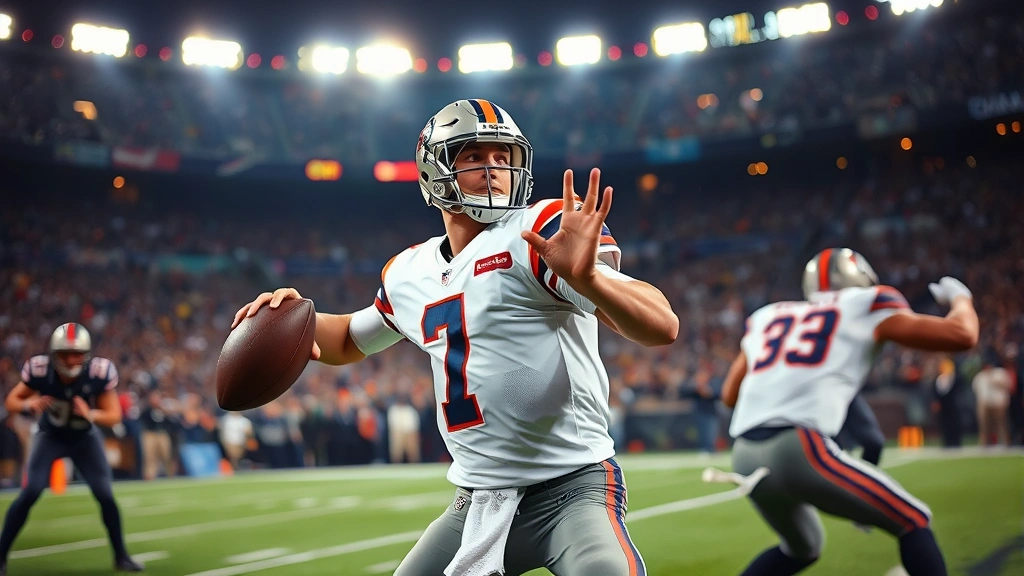
Football is one of the most strategically complex sports in the world, and understanding its fundamental structure is essential for any fan looking to fully appreciate the game. A football game consists of four quarters, each lasting 15 minutes of actual playing time in professional leagues like the NFL. However, the actual duration of a football game typically stretches between 3 to 3.5 hours when you factor in timeouts, halftime breaks, commercials, and stoppages. Whether you’re a seasoned spectator or a newcomer to the sport, grasping the quarter system is crucial for understanding game flow, strategy, and momentum shifts.
The quarter structure isn’t just about dividing the game into neat segments—it fundamentally shapes how teams approach their strategy, manage their resources, and execute their game plans. Each quarter presents unique challenges and opportunities, with teams needing to balance aggressive play with conservative clock management. Understanding how quarters work will transform your viewing experience and help you appreciate the tactical genius behind every play. If you’re curious about how other sports structure their games, you might want to check out how long a hockey game lasts or explore NBA game length comparisons.
How Many Quarters Are in Football
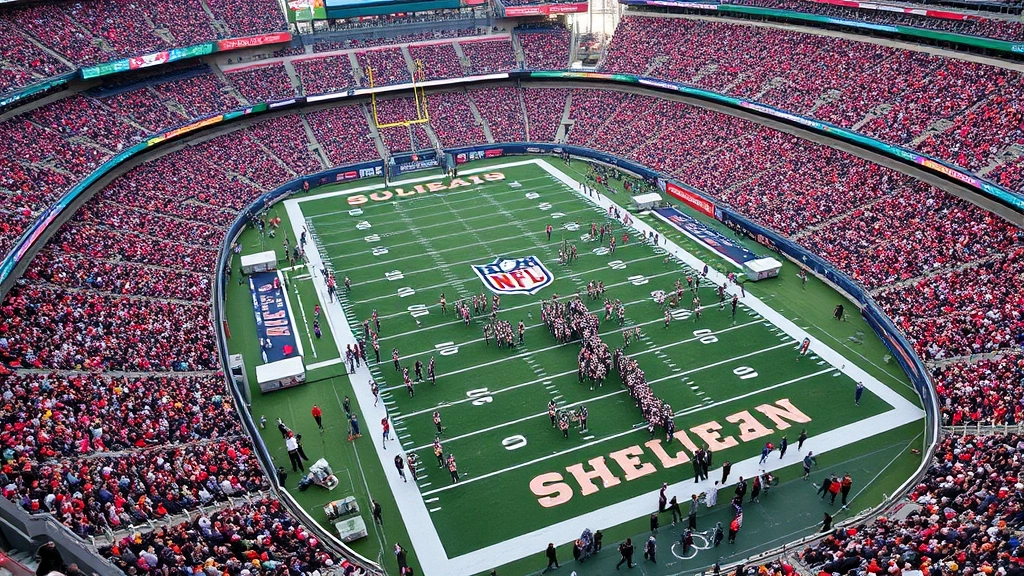
The answer to the fundamental question is straightforward: a standard football game contains exactly four quarters. This structure applies across all levels of American football, from high school to college to professional play. Each quarter represents a 15-minute segment of actual game time, though the perceived duration differs significantly from real-time because the clock stops frequently.
This four-quarter system has been the standard in American football for over a century, creating a balanced framework that allows teams to execute multiple offensive and defensive series while maintaining viewer engagement. The quarters divide the game into distinct phases where momentum can shift dramatically. Unlike some sports that use halves or periods of varying lengths, football’s quarter system provides consistent, predictable segments that coaches and players use to structure their approach.
The NFL, which is the premier professional football league, strictly adheres to this four-quarter format across all regular season and playoff games. College football, high school football, and youth leagues all follow the same structural guidelines, though some youth leagues may modify quarter lengths for younger age groups. This universal structure makes football instantly recognizable and easy to follow for fans worldwide.
Quarter Length and Time Management
While each quarter is designated as 15 minutes of actual playing time, the wall-clock duration of a quarter varies considerably. A typical quarter in professional football lasts between 35 to 50 minutes of real time, depending on the number of stoppages, timeouts, and incomplete passes. This discrepancy between playing time and elapsed time is one of the most important concepts for understanding football.
The game clock stops in several situations:
- When a player goes out of bounds
- When an incomplete pass is thrown
- When a team calls a timeout
- When an official calls a penalty
- Between plays during normal stoppages
- During injuries or official reviews
Each team receives three timeouts per half, giving them strategic control over clock management. This is where coaching excellence truly shines—managing these timeouts effectively can be the difference between victory and defeat. Late-game situations, especially in close contests, transform into chess matches where every second and every timeout matters enormously.
Professional quarterbacks and coaches spend countless hours studying clock management scenarios. The ability to conserve timeouts, know exactly when to spike the ball, and understand down-and-distance situations relative to remaining time separates elite teams from mediocre ones. This complexity is one reason why football is considered a coach’s game.
The Four Quarters Breakdown
First Quarter: The Offensive Opening
The first quarter sets the tone for the entire game. Teams are fresh, defenses are sharp, and both squads are executing their game plans with maximum focus. The opening kickoff is one of the most crucial plays in football, as field position dramatically impacts scoring potential. Coaches typically deploy their best schemes during the first quarter, testing their opponent’s defensive adjustments and establishing early momentum. Many teams use the first quarter to determine whether their primary offensive and defensive strategies are working effectively against their opponent’s specific scheme.
Turnovers in the first quarter are particularly damaging because teams have ample time to respond and seize momentum. A defensive touchdown early can demoralize an offense and energize the defense, setting a psychological tone that persists throughout the game. Conversely, a smooth, efficient scoring drive by the offense can establish confidence and rhythm that carries forward.
Second Quarter: The Strategic Adjustment Period
The second quarter is where coaching adjustments begin to materialize. Teams have gathered information about their opponent’s tendencies, and offensive coordinators start implementing counters to defensive schemes they’ve observed. The second quarter also includes the crucial two-minute drill before halftime, where clock management becomes paramount.
Teams often employ different strategies in the final two minutes of the first half. Some coaches prefer to be aggressive and attempt to score before halftime, while others play conservatively to avoid turnovers. The two-minute warning gives teams a final timeout and allows them to organize their final drive of the half. Scoring before halftime provides significant psychological advantages heading into the break.
Third Quarter: The Momentum Shifter
The third quarter is frequently the most crucial quarter in football. Teams return from halftime with adjusted game plans, and the third quarter often determines which team will control the game’s final stages. Defensive adjustments made during halftime frequently take effect in the third quarter, as defenses attempt to shut down offensive schemes that worked in the first half.
The team that wins the third quarter—meaning they outscore their opponent—has historically won a significant majority of close games. This quarter represents a fresh start where teams with trailing scores can mount comebacks, while leading teams attempt to extend their advantages. Many experts consider third-quarter performance the truest test of a team’s overall quality and resilience.
Fourth Quarter: The Championship Quarter
The fourth quarter is where legends are made and games are decided. Pressure intensifies, emotions run high, and execution becomes even more critical. Two-minute drills in the fourth quarter are the most dramatic moments in football, with championship-caliber quarterbacks separating themselves through clutch performances. The fourth quarter is where gaming and sports strategy intersect, as players must execute under maximum pressure.
Teams often employ different offensive and defensive schemes in the fourth quarter based on game situations. Trailing teams become more aggressive, while leading teams prioritize clock management and ball security. The final moments of the fourth quarter have produced some of sports’ most memorable moments—last-second field goals, interceptions in the end zone, and miraculous comebacks.
Halftime: The Strategic Reset
Halftime occurs between the second and third quarters and typically lasts 12 minutes in professional football, though college football halftimes often extend to 20 minutes. This break is far more than entertainment—it’s a critical strategic window where coaching staffs make substantial adjustments to their game plans.
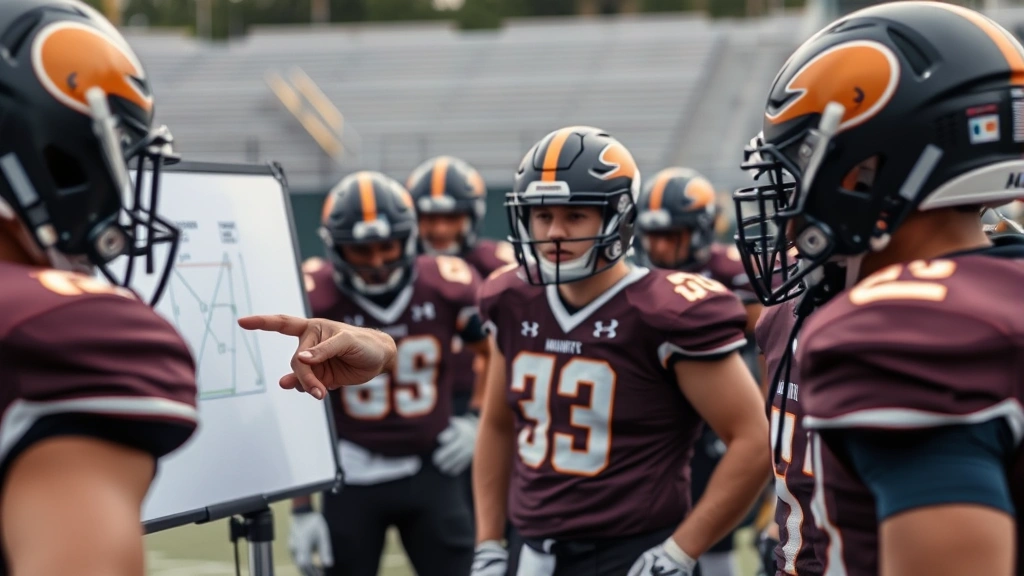
During halftime, offensive coordinators analyze what defensive schemes worked against them and develop counter-strategies for the second half. Similarly, defensive coordinators review offensive tendencies and implement adjustments to shut down successful plays. Teams study film, discuss personnel adjustments, and reinvigorate players both mentally and physically.
The halftime performance—typically featuring musical entertainment in professional games—provides viewers with a break while allowing teams to reset. The team that receives the kickoff in the second half has a slight advantage because they control the first possession of the second half, setting the tone for the critical third quarter.
Clock Stoppage and Time Rules
Understanding when the clock stops is fundamental to comprehending football’s quarter system. The official NFL rulebook contains detailed specifications about clock management, but the basic principles are consistent.
The clock stops automatically when:
- A player moves out of bounds—clock resumes when the ball is snapped for the next play
- An incomplete pass is thrown—clock stops until the next snap
- An official’s timeout is called for injury or other official business
- A penalty is assessed—clock resumes when play continues
- The two-minute warning in each half
Teams strategically use these stoppages. A team trailing late in a game will intentionally throw incomplete passes or move out of bounds to preserve timeouts and clock time. Conversely, a team leading late will attempt to run the clock by keeping the ball in bounds and running plays that keep the clock moving.
The two-minute warning is an automatic timeout that occurs with exactly two minutes remaining in each half. This warning gives teams time to organize their final drive and understand the situation. After the two-minute warning, the rules become even more restrictive, and clock management becomes the primary strategic focus.
Overtime Quarters Explained
If the game is tied after four quarters, overtime is played. The NFL’s current overtime rules (as of recent seasons) have evolved significantly. In the regular season, each team is guaranteed at least one possession, transforming overtime into a sudden-death format where the first team to score wins.
The overtime period doesn’t technically consist of traditional quarters—instead, it’s a continuous period where teams alternate possessions. If the game remains tied after both teams have possessed the ball, play continues with a modified overtime structure. Playoff games employ different overtime rules designed to ensure both teams receive equal opportunities to score.
Overtime situations are where ESPN’s coverage truly shines, as every play becomes monumentally important. The psychological pressure in overtime is immense, and teams that have practiced two-minute drills extensively gain significant advantages. Many experts argue that overtime represents pure football at its highest level, stripping away time considerations and forcing teams to simply execute better than their opponent.
Quarter Strategy and Coaching
Elite coaches develop distinct strategies for each quarter. Strategic planning in football mirrors complex strategy found in competitive gaming, where every decision impacts the outcome. Head coaches analyze opponent tendencies, personnel matchups, and historical performance data to develop quarter-specific approaches.
Some coaches employ aggressive strategies early (first and second quarters) to establish dominance, while others prefer conservative approaches designed to minimize mistakes and control tempo. The third quarter often sees the most dramatic strategic shifts, as halftime adjustments take effect and teams attempt to seize or maintain momentum.
Personnel decisions also vary by quarter. Teams might deploy specific defensive packages in the fourth quarter based on game situations—for example, using defensive backs to defend against passing plays when trailing late. Offensive coordinators similarly adjust their play-calling based on quarter-specific situations, down-and-distance, and remaining time.
Clock awareness becomes increasingly critical as quarters progress. In the first quarter, teams can be relatively aggressive because time is abundant. By the fourth quarter, every play is calculated with clock management in mind. This evolution from early-game aggression to late-game precision is one of football’s most fascinating tactical elements.
Professional teams employ dedicated analytics departments that study quarter-by-quarter performance data. Teams analyze scoring patterns, defensive efficiency, and personnel performance across all four quarters to identify trends and optimize their strategies. This data-driven approach has transformed football coaching, making quarter-specific strategy more sophisticated than ever before.
FAQ
How long is each quarter in football?
Each quarter in football is 15 minutes of actual playing time. However, the real-time duration of a quarter typically ranges from 35 to 50 minutes due to stoppages, timeouts, and incomplete passes that pause the game clock.
Why are there four quarters instead of two halves?
While football could theoretically be divided into two 30-minute halves, the four-quarter system provides better structure for coaching adjustments, strategic changes, and momentum management. The quarter system also creates natural breakpoints for television commercials and strategic timeouts.
Can a quarter end early if one team scores?
No, quarters always run their full 15 minutes of playing time regardless of scoring. The quarter ends only when the game clock expires, even if a team just scored a touchdown.
What happens if a quarter ends during a play?
If a play is in progress when the quarter ends, the play is completed before the quarter officially concludes. The quarter timer doesn’t stop a play mid-execution.
Are college football quarters longer than NFL quarters?
No, college football quarters are also 15 minutes of playing time, identical to the NFL. However, some high school leagues and youth football leagues modify quarter lengths for younger age groups.
How much time is there between quarters?
There are brief timeouts between the first and second quarters, and between the third and fourth quarters—typically just a few minutes. However, halftime between the second and third quarters lasts approximately 12 minutes in the NFL and up to 20 minutes in college football.
What is the two-minute warning?
The two-minute warning is an automatic timeout that occurs when exactly two minutes remain in each half. This gives teams time to strategize their final drive and allows coaches to communicate final instructions to players.
Do all football leagues use the same quarter system?
Yes, the four-quarter, 15-minute system is universal across NFL, college, and high school football. Some youth leagues may modify quarter lengths for developmental purposes, but the standard structure remains consistent.